Published: 01 July 2026. The English Chronicle Desk. The English Chronicle Online.
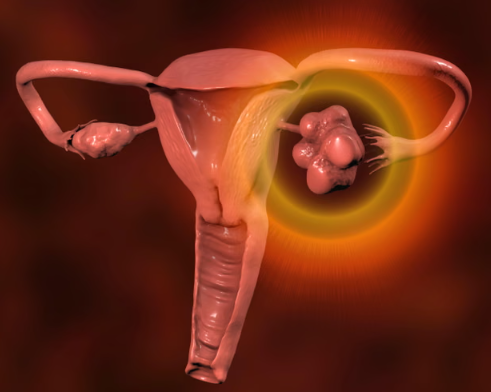
Healthcare leaders across the United Kingdom have recently announced a major shift in clinical care. The National Health Service is focusing closely on women who experience highly irregular menstrual cycles. New draft guidelines suggest that up to four million individuals require immediate medical investigations now. Medical professionals must check these patients for polyendocrine metabolic ovarian syndrome without any unnecessary delay. This complex endocrine condition was previously widely known as polycystic ovarian syndrome across the medical community. Experts now utilize this updated name to reflect the broad metabolic impact it clearly has. The World Health Organization estimates this condition affects thirteen percent of reproductive age women worldwide. Millions of individuals currently navigate these complex health challenges on a daily basis within society. Common symptoms include irregular, very short, long, or entirely absent menstrual cycles over long periods. Patients also frequently display excess levels of testosterone during routine laboratory blood tests in clinics.
Diagnostic medical imaging often reveals ovaries that contain multiple small, undeveloped follicles during detailed examination. This distinct presentation requires careful evaluation by qualified healthcare practitioners working within clinical settings. The condition is closely associated with a significantly greater risk of developing major long-term illnesses. Patients face a heightened probability of developing type two diabetes and severe cardiovascular disease later. Other significant medical complications include sleep apnoea, fatty liver disease, and severe mental health issues. Pregnant individuals with this syndrome also face a much higher rate of dangerous pregnancy complications. The National Institute for Health and Care Excellence has highlighted a critical care gap. Officials state that the condition remains frequently underdiagnosed and inconsistently managed across the entire country. This systemic failure creates unnecessary suffering for millions of affected women currently living within Britain.
The newly published draft guidance effectively covers young girls who are aged over ten years. Early medical intervention remains absolutely crucial for protecting the long-term fertility of these young people. It also applies directly to adult women, trans men, and non-binary people living nationwide. However, this specific guidance excludes individuals who are currently receiving active gender reassignment therapy now. Patients with suspected symptoms should be formally offered a comprehensive series of medical blood tests. These vital investigations must measure both male and female hormone levels very accurately in labs. Clinicians should also arrange detailed ultrasound scans for patients when it is deemed medically appropriate. Medical professionals must not discount this condition in women who have already completed the menopause. The updated health guidelines also highlight patients who suffer from severe, debilitating eating disorders. Eating disorders are known to disproportionately affect people who live with this complex, difficult syndrome.
Data shows this metabolic condition can be much more prevalent among certain specific ethnic groups. Black, Asian, and mixed ethnicity women experience notably higher rates of this complex, chronic illness. Healthcare professionals must consider these demographic disparities when they assess any potential female patient symptoms. Once a formal diagnosis is confirmed, patients must receive an organized, thorough annual medical review. This yearly appointment should carefully monitor ongoing menstrual irregularities and excess facial hair growth. Doctors must also discuss cardiovascular health, diabetes, obesity, and mental health risks very openly. The new official guidance states that IVF treatments should definitely be offered to eligible patients. Women must meet the standard clinical criteria established by health officials for receiving fertility assistance.
However, the National Health Service will not offer expensive laser hair removal therapies openly today. Light therapies for excess hair growth are also completely excluded from the free public options. Extensive financial analysis suggests these aesthetic procedures are not cost-effective for the public healthcare system. Providing these cosmetic treatments would cost the health service up to one hundred million pounds. This massive annual expenditure across England alone cannot be justified under current tight budgetary constraints. The decision reflects a difficult balance between limited public resources and patient treatment demands. The detailed draft guidance is strongly based on international evidence-based guidelines created recently by researchers. Monash University led the extensive medical research that produced these global clinical standards quite recently. More than one hundred countries currently utilize this reliable, comprehensive framework for managing patient care. Marieanne Ledingham serves as a senior consultant clinical advisor for women’s and reproductive health. She described the syndrome as a very common but often completely overlooked medical condition today.
The senior medical advisor noted that the chronic illness can have a truly major impact. She explained that recommending a simple annual review represents an important step for all patients. This new national guideline will actively help improve the overall consistency of future patient care. It will also successfully increase public awareness and support earlier diagnosis and management strategies nationwide. The public consultation on these draft guidelines remains open until the eleventh day of August. The medical community expects a significant volume of feedback during this active consultation period. The final official guidelines are scheduled for publication during December of this current calendar year. Dr Rachel Reid-McCann is a prominent clinical medical researcher at the prestigious Oxford University. She previously authored an important study concerning severe period pain published in the Lancet journal. She stated that irregular periods can be incredibly burdensome in the short term for individuals. Furthermore, irregular cycles are heavily associated with longer-term chronic health and serious reproductive outcomes. This serious connection makes prompt clinical investigation incredibly important for all young female patients nationwide.
A formal diagnosis can quickly open up vital access to treatment, support, and medical advice. These clinical interventions help improve symptoms and may also reduce longer-term health risks quite substantially. The key challenge will be ensuring local services have the resources required to implement this. Delivering these recommendations consistently across the entire United Kingdom remains a major future clinical task. Janet Lindsay serves as the dedicated chief executive of the prominent charity Wellbeing of Women. She explained that affected women have faced unacceptable delays in receiving a proper clinical diagnosis. Patients have also suffered from highly inconsistent care across different regions for many long years. Too often, symptoms like irregular periods and fertility difficulties have been completely dismissed by medical doctors. Concerns about weight gain were frequently treated as something individual patients must simply live with.
The charity strongly welcomes these new draft guidelines from the National Institute for Health Excellence. They officially recognize the syndrome as a deeply complex, lifelong condition affecting reproductive health outcomes. This hormonal illness also severely impacts mental wellbeing and various long-term physical health outcomes eventually. The clear recommendation for a mandatory regular review is a truly vital step forward today. It ensures that women finally receive the ongoing support, monitoring, and detailed information they deserve. It is particularly encouraging to see the guideline acknowledge persistent inequalities across modern medical healthcare. Women from black, Asian, and other minoritised communities often face additional systemic healthcare barriers. These ethnic groups experience delayed clinical investigations and incorrect medical diagnoses far too often now. Tackling these deep disparities is absolutely essential if everyone is to receive timely medical care. Every patient deserves access to high-quality, evidence-based medical treatment regardless of their unique personal background.
Related News:
 Hospice Cuts Raise Alarm Across England Amid Funding Crisis
 The diet that can significantly ease symptoms of IBS
 Celebrities and Charities Demand UK Government Act on Child Poverty
 Experts Warn on Home Birth Risks, Call for Skilled Midwives
 Experts Urge Legal Right to Timely Cancer Care
 Patients to Test Health at Home to Ease NHS Winter Pressure
 London’s Childlessness Crisis: Schools Closing as Families Shrink
 North Sea oil workers must lose weight or face job loss
 Crisis charity to become landlord amid UK housing emergency
 No link found between paracetamol in pregnancy and autism
 Shouting Works Best to Deter Gulls, UK Study Finds
 Reeves rejects £1bn plea for NHS redundancy payouts
 Leading doctors issue warning amid ‘bad’ flu season
 Stroke Patient Mistaken for Drunk, Care Delayed
 ‘Traumatic Wait’: Northern Ireland Women Face Breast Cancer Delays
 Welsh Government Christmas 2020 Lockdown Criticised
 Coffins Now Too Large to Cremate Amid Rising Obesity Crisis
 NHS paediatric leave parents waiting months for answers
 Catherine urges end to stigma around addiction
 Five-Year-Old Dies After Rare Tonsil Surgery Complication
 Fibromyalgia Patients Struggle as NHS Fails to Provide Care
 More Patients Now Contacting GPs Online, Data Shows
 Streeting launches review into mental health and ADHD diagnoses
 People in England’s Poorest Areas Face Higher Lung Health Emergencies
 Minor A&E Visits Surge Across England as Hospitals Face Pressure
 Children to Receive Home Vaccines as England Acts
 UK Enforces Junk Food Ad Ban Before 9pm
 Patients Collapsing in NHS Corridors, Watchdog Warns
 Offenders to Receive Health Support During Probation Appointments
 NHS Violence Crisis: Staff Face Daily Assaults
 NHS corridor care crisis sparks fears over patient safety
 Jess’s Rule Urges GPs to Rethink Persistent Symptoms
 UK Glaucoma Rise Signals Looming Eye Health Crisis by 2060
 Small risk warning raised over weight-loss jabs in UK review
 Pneumonia Surge Pushes England Emergency Cases Higher
 Streeting moves on doctor pay to end strike dispute
 UK reports baby formula toxin poisoning cases across the country
 Children of Close-Relative Parents Face Higher Mortality Risk in England
 Campaign Demands NHS Action on Placenta Accreta Diagnosis
 NHS Bone Cement Shortage Threatens Surgeries
 Placenta Accreta Warning as Hunt Urges Action
 Half of Britons Avoid GP When Ill, Survey Reveals Growing Concern
 NHS Maternity Units Cover Up Harmful Childbirth Errors
 Drop in Overseas Workers Sparks ‘Car Crash’ for UK Hospitals
 Weight-loss drugs may transform heart attack recovery
 Cancer Death Rate in Britain Falls by Nearly a Third
 Palantir NHS Contract Sparks Fears Over Data Power
 UK Patients Face Long Journeys as Pharmacies Cut Hours
 UK Biobank Health Data Leaks Raise Privacy Concerns
 NHS Plans to Cut Overseas Workers Labeled Overambitious
 Kent Meningitis Outbreak Claims Two Young Lives as Cases Rise
 Meningitis Cases in Kent Outbreak Rise to 27
 Palantir Boss Defends NHS Deal Amid Government Break Clause
 NHS Staff Shortages Stifling Recovery for Stroke Survivors
 Unions Raise Concerns Over Doctors’ Pay Dispute
 Wes Streeting Accuses Doctors of Torpedoing Pay Deal
 Private Profits From NHS Contracts Spark Urgent National Debate
 Crisis in NHS Surgery Scheduling Hits Patients Hard
 NHS Safety Fears as Nurses Cover Doctor Gaps
 New Scan Offers Hope for Faster Endometriosis Diagnosis
 New AI Tool To Target Obesity Risk And Transform NHS Care
 Barrister Criticises Trial After Suicide Case Verdict
 NHS Drug Deal Faces Legal Threat Over US Trade Agreement
 NHS Staffing Crisis Reaches Dangerous Levels
 Crisis in Care: Children Stuck in A&E for Days
 Empowering the Elderly or Shifting the Blame to Individuals?
 England Faces Rising Lyme Disease Cases Amid New Vaccine Hopes
 Record Spending Highlights Growing Crisis In National Health Service
 The Race for Radical Change in Westminster
 Clean Air Initiatives Spark Major Fall in London Hospital Admissions
 Swimming Champion Demands Urgent Action on Brain Cancer
 Labour MP Revives Blocked Assisted Dying Bill in Commons
 UK Heatwave: Why Extreme Humidity is Making June Feel Unbearable
 Mortuary Crisis Exposed at Scandal-Hit NHS Trust
 The Hidden Revival of a Fatal Infection on British Soil
 BMA Faces Unprecedented Staff Cuts Amidst Severe Financial Turmoil
 Trump Immigration Cuts Threaten US Caregiver Stability
 Stricter Rules Proposed to Shield Children from Vaping
 UK Schools Struggle as Classrooms Top 40C
 London Tube Heat Reaches Dangerous Levels