Published: 04 July 2026. The English Chronicle Desk. The English Chronicle Online
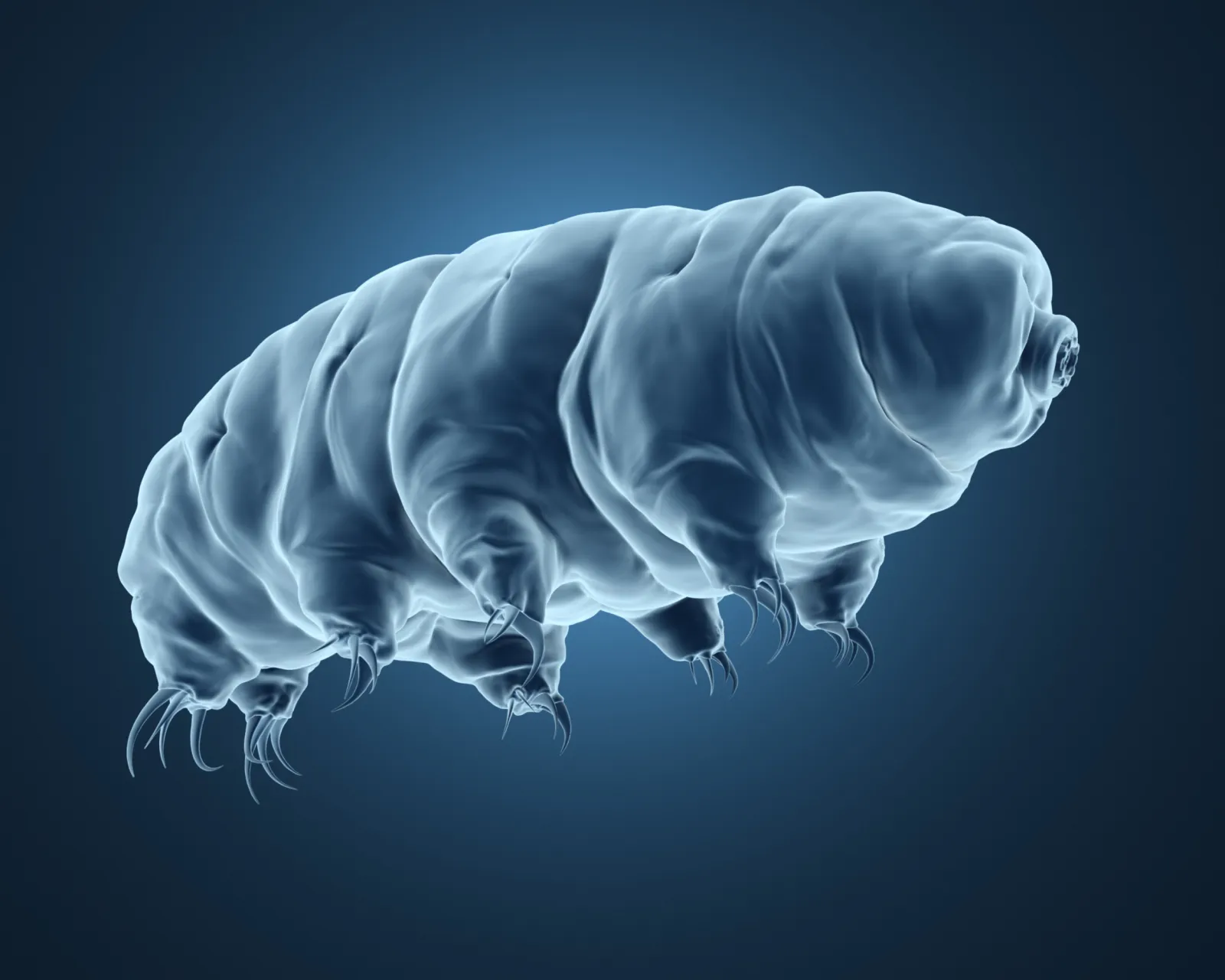
In a quiet corner of the Wellcome Sanger Institute in Cambridgeshire, an ambitious scientific mission is unfolding that promises to reshape our understanding of biological life. Witek Morek, a dedicated postdoctoral researcher and specialist in tardigrades, is spearheading an effort to map the genetic blueprint of these microscopic wonders. This work is not an isolated experiment but a crucial step in a monumental global initiative: the endeavor to sequence the genomes of every species on Earth. By unraveling the complex DNA strings that define these resilient creatures—famously known as “moss piglets”—scientists are uncovering the molecular secrets behind one of nature’s most fascinating organisms.

The tardigrade, a creature measuring barely a millimeter in length, has achieved legendary status in the scientific community for its near-indestructible nature. These slow-steppers can withstand environmental extremes that would prove fatal to almost any other form of life, including the searing heat of deserts, the frigid vacuum of outer space, and prolonged periods of desiccation. Their survival strategy involves entering a state of suspended animation, waiting patiently for the presence of water to reawaken them. Morek’s work involves identifying these diverse species and carefully preparing them for the laboratory’s advanced sequencing processes. As he inspects moss and lichen samples, he is not merely collecting specimens; he is gathering the instructions for biological survival that have evolved over millions of years.
The technological landscape of genomics has shifted dramatically since the late 1990s, when the first animal genome—that of a small nematode worm—was sequenced. While the human genome project took years to complete, modern breakthroughs have allowed the Tree of Life programme to accelerate the pace of discovery, now sequencing dozens of genomes each week. For researchers like Professor Mark Blaxter, who leads the programme, this leap in capability is opening doors to unprecedented opportunities in biomedicine and biotechnology. By mapping the reference genomes of diverse species, scientists are developing a deeper understanding of evolutionary biology and identifying potential new compounds that could one day be utilized for medical breakthroughs.
The process of sequencing a tardigrade is a feat of precision. Because these creatures contain a vanishingly small amount of DNA, traditional methods that required pooling hundreds of individuals are often impractical, especially for rare or elusive species. The Wellcome Sanger Institute has overcome this hurdle by employing innovative multimodal sequencing protocols, which use polymerase chain reaction to amplify the tiny genetic fragments harvested from a single specimen. The resulting data, consisting of millions of strings of adenine, cytosine, guanine, and thymine, is analyzed to reveal the underlying genetic code. Although the assembly process is intricate, the relatively small size of the tardigrade genome compared to that of a human makes it a particularly rewarding subject for genomic research.
The implications of this research extend far beyond the classification of new species. The potential to pinpoint the specific genes and proteins responsible for the tardigrades’ extreme survival mechanisms—such as their ability to withstand freezing, oxygen deprivation, and dehydration—holds immense promise for human innovation. Researchers are already asking whether these biological mechanisms could be harnessed to improve vaccine stability without the need for refrigeration or to engineer crops that are highly resistant to drought. Every discovery brings new questions, turning the project into a compelling, continuous narrative of biological exploration that highlights how much remains to be learned from the microscopic world.
As the scientific community advances this work, the broader public is also being invited to celebrate the diversity of the spineless creatures that share our planet. With the launch of the 2026 Invertebrate of the Year contest, the focus returns to the essential, often-unseen laborers of the natural world. Invertebrates make up the vast majority of animal life, acting as the foundation for ecosystems by providing services ranging from pollination and soil enrichment to water purification and pest control. The tardigrade’s victory in last year’s contest underscored a growing public appreciation for these overlooked neighbors. As nominations open for the third annual celebration, there is a renewed recognition that humanity’s reliance on these tiny organisms is absolute, while their survival remains entirely independent of our own.

The quest to sequence the genome of all life on Earth is, in essence, a quest to understand our own place in the natural order. By studying the small, the resilient, and the unheralded, researchers are building a comprehensive library of life that will serve future generations of scientists. This work at the Wellcome Sanger Institute is a testament to the power of human curiosity and the importance of preserving the genetic heritage of the planet. As Witek Morek continues his work in the lab, he is contributing to a legacy of knowledge that promises to unlock secrets of resilience and adaptation, ensuring that the tiny moss piglet—and the millions of other invertebrates like it—receive the scientific and public attention they so richly deserve.
Related News:
 Artemis II Returns After Historic Moon Flyby
 Cern Prepares First-Ever Antimatter Transport Test
 Artemis II astronauts capture Earth en route to the Moon
 UK firms accused of ‘AI washing’ boom
 British Paralympian to Become First Disabled Astronaut in Orbit
 Meta Drops AI Image Tool After Privacy Backlash
 ‘The frontline is like Terminator’: Ukraine’s fighting robots
 Apple at 50: Three Products That Changed How We Live
 Europe EV Demand Surges as Fuel Prices Rise
 Robots Outpace Humans in Beijing Half-Marathon
 Gene Therapy Wins Major Prize for Restoring Vision
 Reform UK funding: mystery billionaire revealed
 Disneyland Adds Facial Recognition at Entrances
 Meta Faces EU Action Over Child Safety Breach
 Inside the World of AI Jailbreakers
 Canadian Fiddler Sues Google Over AI Defamation Claim
 Doomsday Clock Nears Midnight Amid Global Crises
 Cannes filmmakers split over AI’s role in cinema
 Gen Z turns to BirdTok for a gentler digital escape
 Virgin Trains Moves Closer to Challenging Eurostar Monopoly
 UK Bans Fake Numbers: Scammers Lose Their Trick
 Vibe coding’ named Collins dictionary’s word of the year
 Patients to Test Health at Home to Ease NHS Winter Pressure
 Britain deploys RAF specialists to assist Belgium with drone threats
 Stop using ChatGPT to write speeches, AI minister tells MPs
 Northern Lights may illuminate UK skies this week
 New laws to bolster UK’s defences against cyber attacks on NHS, transport and energy
 Working-Class Men with Prostate Cancer Left Behind by NHS
 New AI tool could cut wasted efforts in organ transplants
 How Cultures Interpreted the Aurora Through History
 Sundar Pichai Cautions on AI Hype and Market Risks
 Google Chief Urges Caution: Don’t Trust AI Blindly
 US Judge Says Meta Did Not Hold Illegal Social Media Monopoly
 Healthy Habits in Your 30s That Boost Life in Your 70s
 Coffins Now Too Large to Cremate Amid Rising Obesity Crisis
 AI Actress Creator Says Tilly Norwood Won’t Replace Actors
 Google Removes Some AI Health Summaries Over Safety Concerns
 Nasa ISS Medical Evacuation: Crew-11 To Return Early
 UK Threatens Action Against X Over Sexualised AI Images
 EU launches Grok AI probe into X over explicit images
 AI job losses UK: Britain faces sharper employment shock
 UK AI avatar firm Synthesia valuation jumps to $4bn
 ABC Facebook Page Briefly Hacked, Adult Photos Posted
 US Robotaxis Train for London Streets Before Launch
 Meta trial over child exploitation claims begins
 Autistic Girls Often Missed in Childhood Diagnoses, Study Finds
 Most Statin Side-Effects Are Not Caused by Drugs, Study Confirms
 Childnet Censorship Row Over Teen Safety Speeches
 BT Names New Openreach Chief Amid Major Fibre Expansion
 Tech Trends Set to Transform Life in 2026
 Starmer Targets AI Chatbots Over Child Safety Concerns
 Ocean Warming Drives Massive Marine Life Loss, Study Warns
 Stewart Brand on Musk, Bezos and a Life of Long Thinking
 Facial Recognition Error Leads to Wrongful Arrest in Milton Keynes
 Zorevunersen Breakthrough for Dravet Syndrome
 Cancer Death Rate in Britain Falls by Nearly a Third
 Taking Multivitamins Daily Could Slightly Slow Ageing, Study Finds
 The Kill Line: A Shifting Vision of the American Dream
 ‘Drinking from a Fetid Pond’: Superbug Genes in Lough Neagh
 Scientists Unveil Heavier Proton at CERN LHC
 Artemis II: Humanity Returns to the Moon After Decades
 Norway’s Telenor Faces Lawsuit Over Myanmar Data Breach
 UK Banks to Deploy Controversial Mythos AI Tool Next Week
 UK Faces Growing Threat of Scale Hacktivist Attacks
 WHO approves first malaria drug for babies
 UK Watchdogs Warn Over AI Facial Recognition Oversight
 DeepMind Staff Vote to Unionize Over US Military Contract
 Trump Lands in Beijing for High-Stakes Summit with Xi
 Court Upholds Landmark Win for Transgender Rights
 Labor Defies Warnings Over Controversial Capital Gains Reform
 Tech Trends and the Battle Against Exam Hall Cheating
 Stolen Mobiles Could Soon Become Useless Bricks
 From Pocket Monsters to the Frontline
 UK Ministers Lobby Trump Over Under-16s Social Media Ban
 Trump Faces Backlash Over $2bn Earnings Since Return
 Deadly H5 Bird Flu Reaches Australia’s East Coast
 Sydney Records Hottest June Since 1859 as Expert Warns New High a ‘Signature’ of Global Warming
 Record £28m Fine for Virgin Media Over Cancellation Woes
 Telstra Software Fault Triggers Massive Nationwide Outage
 Police Alert Facials: A New Era of Retail Security