Published: July 10, 2026 | The English Chronicle Desk | The English Chronicle Online
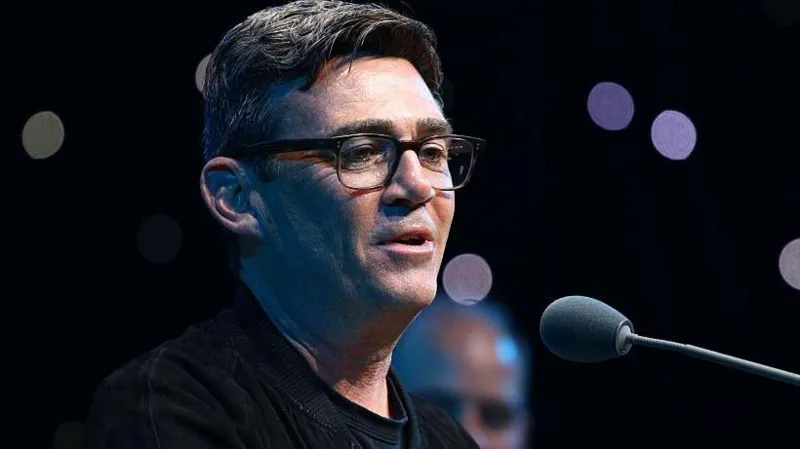
Andy Burnham has emerged as the leading contender to become the next UK prime minister after securing the backing of 322 Labour MPs in the first internal nomination tally, putting the Greater Manchester mayor in a commanding position as the party begins the process of choosing its next leader.
The early show of support has significantly strengthened Burnham’s position and placed him ahead of potential rivals in a contest that could determine the future direction of the Labour Party and the next government at Westminster.
The nomination figures indicate that a large majority of Labour MPs currently view Burnham as the strongest candidate to lead the party, with many highlighting his experience in government, his record as mayor and his ability to connect with voters beyond traditional Labour strongholds.
Burnham, a former cabinet minister who has led Greater Manchester since 2017, has built a reputation as a prominent Labour figure with national ambitions.

His supporters argue that his experience at both Westminster and local government gives him a unique understanding of the challenges facing communities across the country.
The early backing from hundreds of Labour MPs represents a major boost for Burnham, although the leadership process is not yet complete and further stages will determine whether he ultimately secures the position.
The race comes at a crucial moment for Labour as the party considers its political identity, policy priorities and strategy for future elections.
Burnham’s supporters believe he can unite different parts of the party while appealing to voters who feel disconnected from national politics.
His campaign has focused heavily on issues such as improving public services, strengthening regional economies and giving greater powers to local communities.
The Greater Manchester mayor has frequently argued that decisions affecting people’s daily lives should be made closer to the communities they impact.
His approach has earned praise from supporters who see him as a practical politician with experience delivering policies outside Westminster.
However, critics have questioned whether his political style and policy positions would represent a significant change from previous Labour leaderships.
Some opponents argue that the party must focus more strongly on national-level challenges, including economic growth, housing shortages, healthcare pressures and public confidence in government institutions.
Burnham’s political career has included several senior roles within Labour governments.
He previously served as culture secretary and health secretary under former prime ministers, giving him extensive experience at the centre of government decision-making.
His supporters point to that background as evidence that he understands both national policy challenges and the realities faced by public services.
His time as mayor has further increased his profile.
Under his leadership, Greater Manchester has become one of the most prominent examples of regional devolution in England, with increased local control over areas such as transport, economic development and public services.
Burnham has repeatedly argued that greater regional powers can help address inequalities between London and other parts of the UK.
The nomination result has already triggered discussions about how a potential Burnham leadership would reshape Labour’s priorities.
Political analysts suggest his leadership could place greater emphasis on local empowerment, community investment and rebuilding trust with voters outside major cities.
Supporters believe this approach could strengthen Labour’s appeal among working-class communities that have shifted politically in recent years.
The contest also raises questions about the future of Labour’s internal divisions.
Like many major political parties, Labour has experienced disagreements over economic policy, public services, social issues and its relationship with different sections of the electorate.
Burnham has positioned himself as a candidate capable of bringing together different groups within the party.
He has frequently called for a politics based on practical solutions rather than ideological arguments.
His message has appealed to MPs who believe Labour needs a broader coalition of support to remain competitive nationally.
The early nomination figures suggest that many Labour lawmakers agree with that assessment.
However, political observers caution that leadership contests can change quickly.
Candidates often gain or lose momentum during debates, public appearances and campaign events.
While MP nominations provide an important indication of internal support, they do not automatically determine the final outcome.
Public perception, party membership opinion and wider political circumstances will also play significant roles.
For Burnham, the challenge will be maintaining support while convincing Labour members and voters that he represents the best path forward.
His campaign is expected to focus on his record in Greater Manchester and his ability to deliver practical improvements.
Opponents are likely to challenge him on policy details and question whether his approach can address national issues at the scale required.
The leadership race is also being closely watched beyond Labour circles.
A change at the top of the party could have significant implications for the wider political landscape, particularly if Labour seeks to redefine its approach ahead of future elections.
Political rivals are expected to examine Burnham’s record closely as they prepare responses to a possible new Labour leadership.
The nomination tally has already transformed the contest, making Burnham the clear early favourite.

His ability to secure such widespread support among Labour MPs demonstrates the level of confidence many lawmakers currently have in his leadership potential.
For his supporters, the result represents recognition of a politician who has spent decades working within Labour and developing a reputation for combining national experience with local government achievements.
For critics, it marks the beginning of a debate about what direction Labour should take in the years ahead.
As the leadership process continues, attention will turn to whether Burnham can convert early momentum into a successful campaign and ultimately secure the party leadership.
If he succeeds, he would become one of the most experienced figures to take control of Labour in recent decades and would inherit the responsibility of shaping the party’s future direction.
For now, the message from Labour’s first nomination tally is clear: Andy Burnham has started the race in the strongest position, with significant parliamentary support behind him and growing expectations that he could soon become the country’s next prime minister.
Related News:
 UK Must Act with Courage and Clarity on Israel-Palestine Conflict, Says Foreign Affairs Committee Report
 MPs Call on UK Government to Delay Biometric Visa Checks for Gaza Students Amid Humanitarian Crisis
 Radioactive Leak at UK’s Nuclear Warhead Base Sparks Outcry Over Safety and Secrecy
 Mutual Inconvenience: Why Alaska Was Chosen for the Trump-Putin Summit on Ukraine
 Is the UK Ready to Put Boots on the Ground in Ukraine? Assessing Military Capacity and Challenges
 Protests Expected as Israeli Arms Firms Join Global Defence Trade Fair in London
 UK Immigration Figures: Separating Facts from Perceptions
 Thousands Gather in London to Protest Donald Trump’s Second UK State Visit
 Trump Urges UK to “Call Out the Military” to Secure Borders Amid State Visit
Trump’s UN Speech Criticises London and UK Policies, Draws Far-Right Attention
Trump Urges UK to “Call Out the Military” to Secure Borders Amid State Visit
Trump’s UN Speech Criticises London and UK Policies, Draws Far-Right Attention
 UK Fighter Jet Purchase Could Breach Nuclear Treaty, Warns CND
 A Third of EU Citizens in UK Report Discrimination by Public Bodies Post-Brexit
 Jailed Georgian Opposition Leaders Warn UK of Iranian Links to Ruling Party
 Russia repeatedly targets UK military satellites, warns Space Command chief
 Pro-Palestine March to Proceed in London Despite Calls to Cancel After Manchester Attack
 UK Universities Warn Students Ahead of 7 October Pro-Palestine Protests
 Public Trust in SNP Hits Historic Low Amid NHS Concerns
 Johnson Suggests Mandelson Linked to China Spy Controversy
 Witness statements reveal the CPS China spy row collapse in the UK
 Nigel Farage Calls Vladimir Putin ‘A Very Bad Dude’
 Rachel Reeves signals welfare reform ahead of key budget
 Kosovo agrees to host Britain’s refused asylum seekers
 Rachel Reeves to lead UK trade push in Saudi Arabia amid rights debate
 British Woman in Iran ‘Losing Hope’ Amid Ongoing Detention
 Johnson Approved China’s London ‘Super-Embassy’ in 2018
 BBC Journalist Held and Interrogated in Vietnam
 New review urges UK to repatriate Shamima Begum, others from Syria
 Rama Rebukes Mahmood for Targeting Albanian Families
 Russian Vessel Used Lasers on RAF Pilots, UK Claims
 Britain Demands Israel Reverse Ban on Aid Groups
 US Africa aid remarks spark anger after leaked State email
 Starmer China visit raises human rights pressure on Beijing
 Emails Show Epstein Funded Mandelson’s Husband After Jail
 Cory Bernardi joins One Nation for SA election
 Starmer Weighs Fast-Tracking Defence Boost
 Trump Warns Over Chagos Islands Deal
 Trump and Chagos Deal Rift Over Iran Strikes
 How Much Could Andrew’s Arrest Hurt the Royal Family?
 Andrew Mountbatten-Windsor Arrest After FBI Radar
 UK Has Not Given US Permission to Use RAF Bases for Iran Strikes
 Australian PM Says Former Prince Andrew Has Suffered ‘Extraordinary Fall’ but That Won’t Prompt Republic Referendum
 Farage Chagos Islands Row Sparks Fury
 Trump Tariffs Threat Spark UK and EU Alarm
 New Zealand Backs Removing Andrew From Royal Line of Succession
 Starmer Speaks to Trump After UK Joins Defensive Operation
 UK Will Allow US to Use Bases to Strike Iranian Missile Sites, PM Says
 Cooper: Joining US Strikes on Iran ‘Not in Britain’s Interest’
 Sarwar Rejects Father’s Tribute to Iran’s Supreme Leader
 Trump Rebukes Starmer Over Iran Strikes Row
 Manchester Students Mourn Ayatollah Amid Protest
 Minister Meets Crews Who Will ‘Take Out’ Iranian Drones
 UK Prepares Aircraft Carrier for Middle East Crisis
 UK–US Tensions Ease as Starmer and Trump Hold First Call Since Iran Row
 Yvette Cooper: UK Must Follow Principles, Not US Pressure
 UK Forces Ready to Seize Russian Shadow Fleet Vessels
 ‘Pigs Don’t Get Fatter by Being Weighed’: Teachers Vote to Boycott New Year 8 Reading Test
 Starmer Signals “Ambitious” Shift Toward EU as Iran War Strains US Ties
 No Reparations, No Visas: Reform UK Proposes Bold ‘Visa Brake’ Policy
 Global Commerce Crisis: Cooper Demands Immediate, Toll-Free Access to Hormuz
 Border Breakthrough: UK and France Finalize New £662m Small Boats Deal
 “I Speak for the UK”: Trump Bristles at Prince Harry’s Ukraine Plea
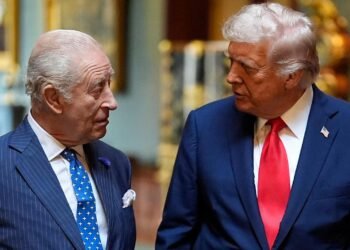 Charles Faces Trump Test in High-Stakes US Visit
 The “Long Tail” of War: Minister Warns Economic Scarring Could Last Eight Months Post-Conflict
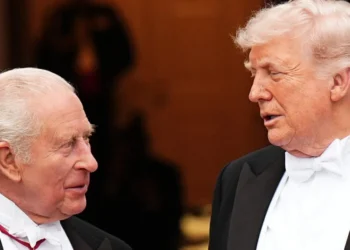 The “Charles Charm” Offensive: Did the Royals Find Their Mojo in D.C.?
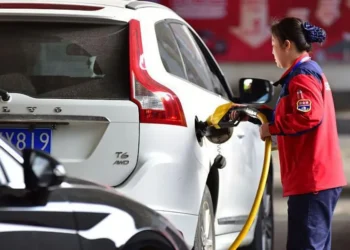 The $126 Spike: Oil Hits Four-Year High as Trump Weighs “Powerful” New Iran Strikes
 “An Endurance Test for the Mind”: British Couple Sentenced to 10 Years in Tehran
 “Community Shield”: Met Police Deploy Specialist 100-Officer Team to Guard London’s Jewish Postcodes
 “The Cost of Conviction”: Palestine Action Activists Found Guilty Over ‘Clinical’ Factory Damage
 “The Local Gavel”: Polls Open Across Hampshire and Isle of Wight in Delayed ‘Milestone’ Vote
 “The Energy Levy”: Understanding the ‘Milestone’ Windfall Tax on Oil and Gas Giants
 “The Tectonic Shift”: Election 2026 Results at a Glance
 UK Pushes for New EU Goods Trade Deal
 Reeves Fights to Keep Treasury Role Amid Labour Turmoil
 Farage and Reform UK Reshape British Politics
 Starmer Leadership Under Pressure After Setbacks
 UK Faces Most Dangerous Era, Military Chief Warns
 Royal Navy Mourns Devastating Helicopter Loss
 Son Urges Iran Prisoner Exchange for Jailed British Pair
 UK Government Cancels Higher Education Programme for Women and Girls
 UK Fighter Jets Intercept Russian Aircraft Over Norwegian Sea