Published: 17 July 2026 | The English Chronicle Desk | The English Chronicle Online
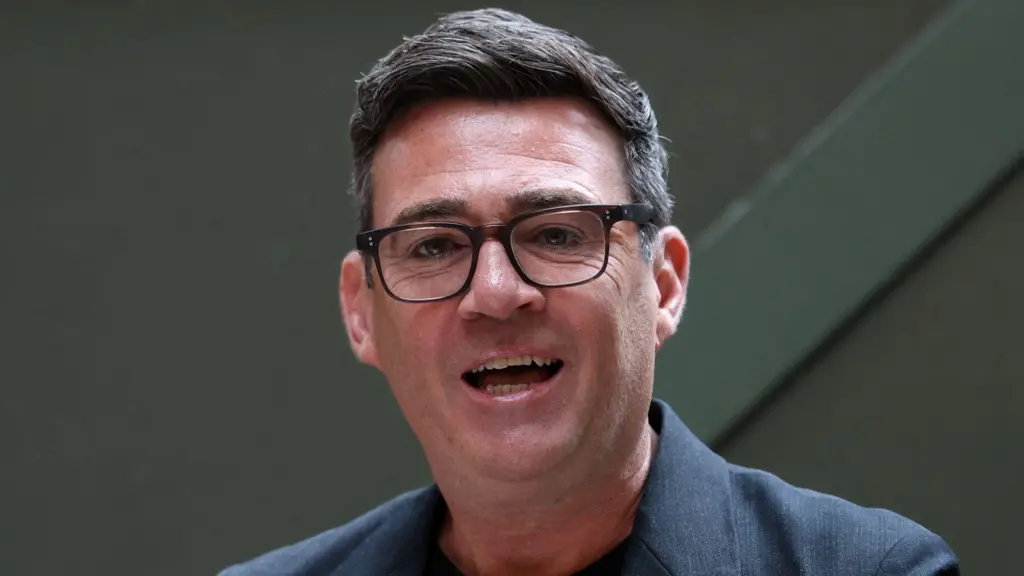
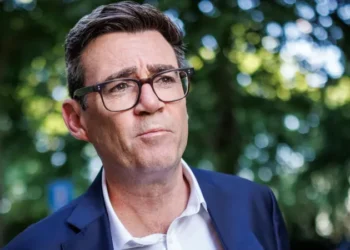
Andy Burnham is set to become the new leader of the Labour Party, with a promise to reshape the party’s direction and focus on issues he says have been ignored by Westminster politics for too long.
The former cabinet minister and long-serving mayor of Greater Manchester is expected to use his leadership platform to argue that Labour must reconnect with communities, address everyday problems and deliver practical solutions rather than focusing only on political debates.
Burnham’s rise to the Labour leadership marks a significant moment for the party, as he prepares to take national control after building his reputation through local government and regional leadership.
Burnham’s expected appointment comes at a time when Labour faces pressure to demonstrate that it can deliver meaningful change for voters.

The new leader is expected to place public services, regional inequality and economic opportunity at the centre of his political message.
He has repeatedly argued that many communities feel overlooked by national politics and that politicians must pay greater attention to issues affecting people’s daily lives.
His leadership approach is likely to focus on practical government, strengthening local decision-making and improving trust between citizens and political institutions.
Burnham’s political career has taken a distinctive path.
He previously served as a Labour MP and held senior government positions, including roles in health and culture.
However, his most significant political achievements have come through his role as mayor of Greater Manchester.
Since becoming mayor, Burnham has promoted a model of regional leadership that gives local authorities greater powers over transport, housing, skills and economic development.
He has described this approach as “Manchesterism”, arguing that local communities should have more control over decisions that directly affect them.
As Labour leader, Burnham is expected to argue that politics has failed to address several long-standing problems.
These include pressures on public services, housing shortages, regional economic differences and concerns about living standards.
He has suggested that voters are less interested in political arguments and more concerned about whether governments can improve their everyday experiences.
His message is expected to focus on rebuilding confidence by delivering visible improvements.
A major theme of Burnham’s leadership is likely to be reconnecting Labour with communities across the country.
He has often criticised what he sees as excessive centralisation in British politics.
Burnham argues that decisions should be made closer to the people affected by them.
His supporters believe his experience as a mayor gives him a different perspective from leaders who have spent most of their careers in Westminster.
They say his local government background could help Labour develop policies that respond more directly to regional needs.
Burnham’s political identity has become closely linked with Greater Manchester’s approach to devolution.
Under his leadership, the region has expanded its influence over areas such as transport, economic planning and public services.
He has promoted cooperation between councils and businesses as a way to drive growth.
Supporters argue that the Manchester model shows how local leadership can deliver results.
Critics, however, question whether an approach developed in one region can easily be applied across the entire United Kingdom.
Although Burnham enters the Labour leadership with significant public recognition, he faces major challenges.
The party must balance different views among its supporters while developing policies capable of appealing to a broad range of voters.
He will also need to prove that his local government success can translate into national leadership.
Running a city region and leading a national political party require different skills, particularly when dealing with international issues, economic pressures and parliamentary challenges.
Burnham has often positioned himself as someone who understands both national and local politics.
His time as a government minister gave him experience of central government, while his mayoral role strengthened his reputation as a champion of local decision-making.
He is expected to argue that the future of politics requires a closer relationship between Westminster and communities outside London.
This could become one of the defining themes of his leadership.
Public trust in politics has become a major concern across the UK.
Many voters say they feel disconnected from political institutions and frustrated by slow progress on major issues.
Burnham’s message is expected to focus on rebuilding confidence through visible action.
Rather than promising only long-term ambitions, he is likely to emphasise practical improvements that people can see in their communities.
Burnham’s leadership could represent a shift towards a more regional and community-focused Labour Party.
His supporters believe he can bring a different style of politics based on cooperation, public service and local empowerment.
However, he will face pressure to define Labour’s position on major national issues and demonstrate how his ideas can work beyond Greater Manchester.
The success of his leadership will depend on whether he can turn his political philosophy into a clear national programme.

As Andy Burnham prepares to take over Labour’s leadership, he is expected to present himself as a politician focused on solving practical problems rather than continuing traditional Westminster battles.
His promise to “fix things politics has neglected” reflects his belief that many voters want a government that delivers tangible improvements.
The coming months will reveal whether Burnham’s Manchester-inspired approach can reshape Labour and provide a new direction for British politics.
For supporters, his leadership represents an opportunity to put communities at the centre of decision-making.
For critics, the challenge will be proving that local success can become a national solution.
Related News:
 UK Must Act with Courage and Clarity on Israel-Palestine Conflict, Says Foreign Affairs Committee Report
 Radioactive Leak at UK’s Nuclear Warhead Base Sparks Outcry Over Safety and Secrecy
 Is the UK Ready to Put Boots on the Ground in Ukraine? Assessing Military Capacity and Challenges
 Police Scotland Spends £500,000 Compensating Officers Over Trump Visit
 Urgent Action Needed on Windrush Compensation as Survivors Speak of “Waiting to Die”
 Tanni Grey-Thompson Faces Abuse Over Opposition to Assisted Dying Bill
 TfL Invites RMT to Resume Talks as London Tube Strikes End
 Nigel Farage Unveils Controversial Immigration and Welfare Plans at Reform UK Press Conference
 Ed Miliband Warns UK Government on X, Citing Elon Musk as a “Dangerous Influence”
 Kemi Badenoch Unveils ‘Golden Rule’ to Halve Spending Cuts for Deficit Reduction at Tory Conference
 UK border officers deployed to Balkans to tackle migrant smuggling
 UK MPs warn of repeat riots over online misinformation
 Army Barracks to House Migrants as Hotels Phase Out
 Trump’s UK Ambassador Urges North Sea Drilling to Strengthen US Ties
 French Taxi Driver Cleared in David Lammy Theft Case After Fare Dispute
 Millionaires group urge Reeves to introduce wealth tax to ‘lift kids out of poverty’
 Reeves rejects £1bn plea for NHS redundancy payouts
 PM Condemns Leaks, Vows Loyalty to Ministers and Stability
 Major Rent Reform Ends No-Fault Evictions in England
 Starmer Says Labour’s Economic Plan Needs Years to Deliver
 England delays four mayoral elections amid criticism
 UK Ministers Drop Foreign Student Targets for Global Education Push
 No Gas Boiler Ban as UK Warm Homes Plan Backs Heat Pumps
 Shinzo Abe’s killer receives life sentence in Japan
 Police response times face strict new national limits
 Could Manchester Lead the UK’s Economic Revival?
 Starmer Weighs Fast-Tracking Defence Boost
 Farage to Name Jenrick as Reform Chancellor Pick
 Civil Service Pay: Union Urges Ministers to End ‘Barking Mad’ Limits
 Antonia Romeo appointment sparks criticism
 Australian PM Says Former Prince Andrew Has Suffered ‘Extraordinary Fall’ but That Won’t Prompt Republic Referendum
 Farage Chagos Islands Row Sparks Fury
 Reform UK targets workers’ rights repeal
 Russian Trade Routed Through British Islands Exposed
 Mandelson Arrest: Met Apologises to Hoyle
 No 10 Will Have No Say on Which Mandelson Papers Are Released
 BBC Charter Reform Sparks Independence Battle
 Labour MP’s Partner Arrested on Suspicion of Spying for China
 Police Scotland Pays £8m Compensation to Staff
 Minister Meets Crews Who Will ‘Take Out’ Iranian Drones
 Thousands Protest Iran Strikes Outside US Embassy London
 UK Oil and Gas Supplies Reassured Amid Middle East Concerns
 Tommy and Gail Sheridan to Stand for New Political Party After Alba Demise
 Yvette Cooper: UK Must Follow Principles, Not US Pressure
 Wes Streeting Backs Starmer Amid Speculation of Leadership
 Mandelson’s Phone Messages Requested in Files Release
 UK Forces Ready to Seize Russian Shadow Fleet Vessels
 US Lawmaker Demands Testimony Over Sarah Ferguson’s ‘Close Epstein Ties’
 The 8 Million Dilemma: Why Britain’s Disability Safety Net is Facing a ‘2026 Reckoning’
 Is Britain Ready? Experts Warn of ‘Bizarre’ Military Delay
 Foreign Office Chief Resigns Amid Mandelson Vetting Row
 Crackdown Backfires on UK Climate Protesters
 Reality Check on Reform: Minister Says Outright Abolition of Leasehold “Impossible”
 The “Dry” Life: Teens Trialing Social Media Bans Call Initial Disconnection “Boring” and “Dry”
 “An Endurance Test for the Mind”: British Couple Sentenced to 10 Years in Tehran
 “Stealth and Scaffolding”: The Midnight Logistics Behind Banksy’s Latest London Plinth
 “The Local Gavel”: Polls Open Across Hampshire and Isle of Wight in Delayed ‘Milestone’ Vote
 Major test for Labour as polls open in Great Britain
 Farage Faces New Questions Over Private Helicopter Use
 NHS Drug Deal Faces Legal Threat Over US Trade Agreement
 Green Party Makerfield Candidate Resigns Over Posts
 Secret Role of UK Security Services in Troubles Amnesty Law
 Labour Faces Growing Pressure Over Living Wage Delay
 UK Faces Most Dangerous Era, Military Chief Warns
 Son Urges Iran Prisoner Exchange for Jailed British Pair
 Figures Suggest Over 1,300 Monthly Deaths in England Linked to Long A&E Waiting Times
 Digital Scrutiny Under the Spotlight in Makerfield
 Modernising the Military: Carns Demands Urgent Procurement Reform
 Prince George Set to Begin Studies at Eton This September
 Starmer Set to Announce Exit Plan as Burnham Eyes No 10
 Burnham Promises Relief on Cost of Living Crisis
 Police Raise Concerns Over Government’s Late Decision to Extend Pub Opening Hours for England Match
 Starmer Predicts Labour Election Win Under Burnham
 Farage Rivals Rule Out Clacton By-Election Fight
 Dover Faces Travel Crisis as EU Border System Stalls
 Labour MPs Push for Stricter Political Funding Reforms
 Treasury Reform Urged After Tragic Loss
 Police Rule Out Political Motive in Widdecombe Killing
 Covid PPE Scandal: Inquiry Reveals Vast Public Waste
 Burnham Set to Outline ‘New Path’ for Britain as He Prepares to Take Labour Leadership