Published: 1 September 2025. The English Chronicle Desk
Sir Keir Starmer has carried out a significant reshaping of his Downing Street team as Members of Parliament return from their summer recess, appointing one of Labour’s rising figures to a newly created role at the centre of government. The move comes amid a period of quiet turbulence within No 10, with senior staff departures and questions about the Prime Minister’s long-term strategy as he seeks to strengthen his grip on both party and policy.

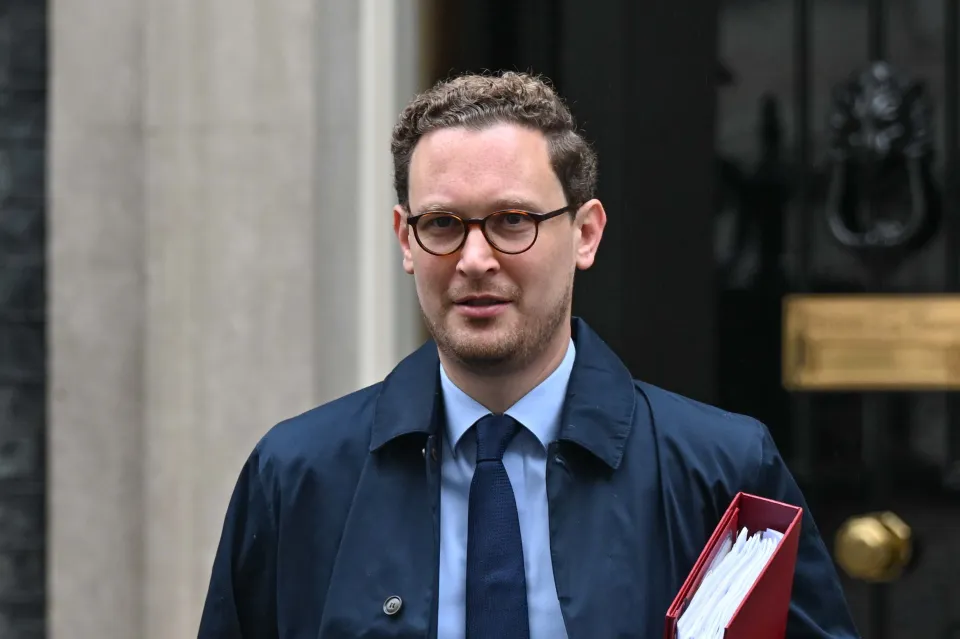
Darren Jones, a close ally of Chancellor Rachel Reeves, has been named chief secretary to the Prime Minister, a role designed to place him at the heart of decision-making in Downing Street. In this capacity, Mr Jones will attend Cabinet meetings and oversee government-wide delivery of the Prime Minister’s priorities. The position, Downing Street confirmed, is aimed at ensuring closer coordination between departments and a firmer focus on the policy agenda that Labour pledged during the election campaign.
Until this week, Mr Jones had been serving as chief secretary to the Treasury, effectively acting as Rachel Reeves’s deputy and one of the key figures in shaping Labour’s early fiscal policy. His transfer to No 10 marks a significant elevation, and underlines the Chancellor’s growing influence within government. He will now operate directly from the Prime Minister’s residence, managing cross-departmental efforts to implement policies across a wide spectrum, from the economy and public services to housing and energy.
Replacing Jones at the Treasury will be James Murray, who steps up as the new chief secretary to the Treasury. His appointment ensures continuity in economic leadership and keeps a trusted figure at Reeves’s side as she prepares for a challenging autumn budget, expected to involve hard decisions on both taxation and spending.
This week’s moves follow the appointment of Baroness Minouche Shafik as chief economic adviser to the Prime Minister. Shafik, a highly regarded economist with an international profile, is a former deputy governor of the Bank of England and ex-permanent secretary at the now-defunct Department for International Development. More recently, she served as president of Columbia University in New York. Her recruitment is widely interpreted as part of a deliberate strategy to bolster the government’s economic credibility as Reeves readies her first budget statement since Labour’s return to power.
The personnel changes come against a backdrop of ongoing upheaval inside No 10. Last week, Sir Keir replaced his principal private secretary, Nin Pandit, who had been in post for less than a year. Pandit will take on a new role in September, focusing on delivering key government priorities. His exit follows those of chief of staff Sue Gray and communications director Matthew Doyle, making it the third high-profile departure in under 12 months.
Speculation had swirled that Starmer might attempt a broader reshuffle of junior ministerial posts after Parliament reconvened, but government sources have sought to play down such rumours, suggesting no immediate changes to ministerial portfolios are likely in the first weeks of September.
Nonetheless, the Prime Minister suffered another unexpected setback on Monday with the resignation of his top spin doctor, James Lyons, who left his post after less than a year in the job. Lyons’ sudden departure, following closely on the heels of Pandit’s reassignment, has intensified scrutiny of stability within Starmer’s inner circle. Critics have suggested the churn at the highest levels of No 10 risks undermining the coherence of government strategy, while supporters argue that Starmer is simply shaping his team to suit his long-term vision.
The developments highlight both the opportunities and the challenges facing Labour as it moves from electoral victory into the practical realities of government. With Reeves preparing for her defining budget, Shafik’s expertise in economic policy, and Jones’s expanded role in Downing Street, the Prime Minister is attempting to build a leadership team that can deliver on promises while withstanding political pressures. Yet the series of resignations and reassignments within his top staff also raise questions about cohesion and continuity at the very heart of power.
As Labour’s government enters a critical period, attention will be on whether these changes reinforce Starmer’s authority or expose fault lines within his administration. The months ahead, particularly the autumn budget, are likely to prove a decisive test of both his team’s durability and the public’s confidence in his leadership.

The English Chronicle Online will continue to monitor these developments closely, bringing updates on the Prime Minister’s evolving strategy, the Chancellor’s fiscal plans, and the political dynamics shaping the government’s agenda.
Related News:
 Market Jitters Send Stocks Lower as Trade Tensions and Earnings Anxiety Weigh on Investors
 Global Markets Tumble as Trade Tensions Spark Investor Anxiety
 U.S. Slaps 30% Tariff on EU Imports, Sparking Fierce Backlash and Emergency Talks in Brussels
 FTSE 100 Soars to Unprecedented 9,000 Points in Historic Market Rally
 UK Banks Granted Reprieve as BoE Delays Basel III Capital Rules Until 2028
 UK Inflation Climbs to 3.6% as Food and Fuel Prices Squeeze Households
 Retirement Taxed: Millions of Pensioners Set to Pay Income Tax from April 2027 under Triple Lock Changes
 Starmer’s Economic Moves Could Cost UK £5 Billion Ahead of Autumn Budget
 Assumption Island Dispute Dominates Seychelles Election as Environment, Economy and Geopolitics Collide
 Lotto result jackpot draw halted due to technical glitch
 US Super-Rich Are Draining Planet’s Safe Climate Space
 Fed Cuts US Interest Rates Again Amid Labour Market Uncertainty
 Millions of Brits Adjust Lifestyle to Afford Essentials
 China’s Youth Save, Not Spend, Amid Job and Housing Worries
 China Gained Military-Tech Access Through UK Investments
 UK Government Borrowing Higher Than Expected
 India’s Labour Law Overhaul Sparks Fierce Debate
 Huawei, ZTE secure 5G deals in Vietnam amid US tensions
 Kinnock’s Rebuke Echoes Loudly as Corbyn Allies Launch Left-Wing Breakaway: “A Gift to Farage”
 Post Office Scandal Compensation Tops £1 Billion as Victims Finally See Justice
 Exclusive: Leaked Documents Reveal Khan’s Controversial Road Policy Overhaul – Drivers Warn of ‘Final Nail in Coffin’
 England Grapples with Unprecedented Bluetongue Virus Outbreak: Entire Nation Declared Infected Zone
 Northern Ireland Family of Three Shot Dead in Maguiresbridge Home Incident
 West End Exposed as London’s Knife Crime Epicentre Amid Alarming Surge in Violence
 Singapore Corruption Scandal: Details Emerge on Iswaran’s Luxury Flight and Ties to Tycoon Ong Beng Seng
 Chancellor Faces Mounting Pressure Amid “Impossible Trilemma” Over Tax Rises
 A Budget Crossroads: Stammer Faces Pressure as £50bn Fiscal Hole Threatens Autumn Plans
 China’s crackdown on civil servant perks sparks economic concerns
 Mystery Wallaby Spotted on Norfolk-Suffolk Border Sparks Police Appeal
 Peter Andre Breaks 16-Year Silence with Scathing Statement Against Katie Price
 UK Weather: Heat Alerts Extended as Temperatures Set to Reach 30°C This Weekend
 Inflation Latest: Cost of Living Expected to Rise Again in Key Figures Released Today
 Hundreds of Swimming Pool Closures Leave Children ‘At Risk of Drowning’, Union Warns
 Retail Sales See Uptick Amid Errors and Delays as ONS Faces Scrutiny
 British Holidaymaker’s Tragic Death in Greece Confirmed as Drowning
 UK Retail Sales Rise in August, but Tax Concerns Loom Over Festive Period
 UK Graduates in Healthcare Report Highest Satisfaction with Degree Choices
 UK Labour Market Shows Signs of Cooling as Wage Growth Slows and Redundancies Rise
 Denmark Investigates Professional Drone Incursions Across Multiple Airports, No Evidence of Russian Involvement
 UK Government Backs Return of International Rail Travel to Kent Stations
 GSK Chief Executive Emma Walmsley to Step Down After Eight Years at the Helm
 Arsenal Showcase Depth and Flexibility as Arteta Eyes Title Challenge
 UK Affirms No Relaxation of Visa Rules for India Amid Trade Push
 Vice President Vance Warns of ‘Painful’ Job Cuts as U.S. Government Shutdown Deepens
 Japanese Court Sentences Man to Death for 2023 Quadruple Murder in Rare Gun and Knife Attack
 Zelensky to Urge Missile Aid as Trump and Putin Plan Summit
 Manchester United triumph as Mbeumo brace seals thrilling win
 Hospice Cuts Raise Alarm Across England Amid Funding Crisis
 Tragedy on Lizard Island: Cruise Passenger Dies
 Green Party Surges Past Labour in Latest UK Poll
 Zarah Sultana Launches Party to Change Politics
 Tony Blair think tank warns Rachel Reeves must cut taxes if manifesto broken
 US Senate Passes Funding Bill to End Historic Shutdown
 Mary Earps’s Manchester United Return Faces Mixed Reception
 Skims Eyes Global Expansion After Reaching $5 Billion Value
 Son Reveals UK Couple in Iran Resort to Hunger Strike for Help
 Pressure Mounts on Starmer to Sack Chief of Staff Over Briefing Row
 US Justice Department Files Lawsuit Against California Over Partisan Voting Maps
 Former Lion Heskey Warns of Shortage of England Strikers
 Global markets drop amid tech sell-off and China slowdown
 Orban Says Ukraine Has ‘No Chance’ as EU Support Continues
 Mother Watches in Horror as Teen Daughter Dies on Tracks
 Seven Countries, One Winner: Europe’s Best Christmas Market
 Israeli Strike Kills 13 Near Palestinian Camp in Lebanon
 Haiti Qualifies for World Cup Despite Coach Never Visiting Country
 Serial Rapist and Former Cop Found Guilty Again
 Pentagon Officials in Ukraine to Discuss War End
 Vietnam Battles Deadly Floods as Rains Continue
 Scottish Families Take Legal Action Over School CO Leak
 Venezuela Threatens Nobel Winner Machado with Fugitive Status
 Vicki Fears Losing Motability Car
 Millions Face Higher Taxes Under Reeves New Budget
 Two National Guard Soldiers Critically Injured Near White House
 Sri Lanka Floods Leave 56 Dead, Dozens Missing
 Jordan Bardella: France’s Young Presidential Contender
 Search underway for British man overboard off Tenerife
 Pavarotti statue frozen in Italian ice rink sparks backlash
 Rising Water Bills Lift Troubled Thames Back to Profit
 EU plans $105bn Ukraine aid using frozen Russian assets
 Kenya Signs $2.5bn Health Deal with US Amid Data Concerns