Published: 11 September 2025. The English Chronicle Desk
The assassination of Charlie Kirk, the 31-year-old American conservative commentator and founder of Turning Point USA, has ignited a storm of controversy across the United States and far beyond. His death, which came during a live debate on gun laws, has not only shocked political circles but also exposed the deep divisions within American society over issues of free speech, the Second Amendment, and the limits of political discourse. While many have mourned the loss of a young father and public figure, a disturbing trend has emerged online: political activists on parts of the American Left openly celebrating his killing as a form of “poetic justice.”
Kirk, known for his unapologetic defense of conservative values and fierce advocacy for the Second Amendment, was shot in the neck while engaging in a discussion about gun rights. Authorities are still investigating the motive of his killer, but the symbolic nature of the attack has not been lost on either his supporters or his critics. To many conservatives, the assassination is an egregious act of political censorship, a silencing of dissenting opinion by the most violent means possible. To a troubling number of his detractors online, it has been framed instead as ironic justice for a man who defended gun ownership despite acknowledging that gun deaths were an inevitable consequence of this constitutional right.

At the heart of this controversy lies one of Kirk’s most widely circulated quotes: “You will never live in a society when you have an armed citizenry and you won’t have a single gun death. That is nonsense, it is drivel. But I think it’s worth it. I think it’s worth to have a cost of unfortunately some gun deaths every single year so that we can have the Second Amendment to protect our other God-given rights. That is a prudent deal. It is rational.” His words, stripped of context and widely shared on social media, have been interpreted by critics as callous indifference to victims of gun violence. Yet those who knew his work point out that Kirk always framed such losses as a tragic but necessary reality of preserving fundamental freedoms, particularly the First Amendment guarantee of free expression, which he viewed as inseparable from the right to bear arms.
The irony that many of his opponents now claim to see in his death has been hotly contested by commentators across the political spectrum. Supporters argue that to equate Kirk’s acceptance of the risks associated with gun rights with any willingness to see political opponents murdered is a profound distortion of his views. Throughout his career, Kirk built his platform on debate, frequently confronting those who disagreed with him but never advocating violence against them. The suggestion that he “deserved” his fate, they argue, is a grotesque misreading of his philosophy and a dangerous precedent in a democracy built on open dialogue.
The tone of online discourse in the aftermath of his assassination has further highlighted the moral decay of contemporary political debate. The impulse to turn a man’s violent death into a meme or a political punchline demonstrates, critics say, not only a lack of empathy but also a failure to grasp the seriousness of what has transpired. If political violence becomes something to be cheered rather than condemned, it risks eroding the very foundations of free societies.
Comparisons have been drawn to other areas of life where freedom comes with inherent risks. Advocates for Kirk’s perspective have noted that tens of thousands of Americans die in car accidents each year, yet few would argue that motorists “deserve” their fate for exercising the freedom to drive. By the same logic, the tragic costs of firearm-related deaths, however painful, should not be twisted into celebrations when individuals are targeted for their political beliefs.
What emerges from this tragedy is not only the loss of a prominent conservative voice but also a test of America’s collective commitment to free expression and civil debate. The grotesque glee expressed by some at Kirk’s killing has ironically underscored the very freedoms he championed. Those celebrating online are themselves exercising the rights that Kirk defended, however distasteful their expressions may be. This paradox has been pointed out by several commentators: that in their very denunciations, his critics reveal the enduring necessity of the principles he upheld.

The broader implications of this incident reach beyond Charlie Kirk himself. It raises urgent questions about the state of political polarization in America, the boundaries of acceptable discourse, and the fragility of democratic norms in an era where violence increasingly seeps into political life. It also confronts society with a sobering reality: when words are distorted into weapons and political opponents become enemies, the line between debate and violence can vanish with devastating consequences.
Charlie Kirk’s death will continue to be debated for years to come, not only for what it reveals about the dangers of extremism but also for the difficult truths it forces Americans to confront about freedom, responsibility, and the costs of defending ideals. His silencing by an assassin’s bullet stands as both a tragedy and a warning – that the principles of open dialogue, tolerance of opposing views, and rejection of political violence must be safeguarded if democracy itself is to survive.
Related News:
 Kinnock’s Rebuke Echoes Loudly as Corbyn Allies Launch Left-Wing Breakaway: “A Gift to Farage”
 UK and Norway Forge Stronger Ties Through Joint Sanctions and Enhanced Defence Cooperation
 Trump Administration Dismisses 17 Immigration Judges, Sparking Debate Over Judicial Independence
 England’s Euro Odyssey: A Tale of Grit, Glory and the Lionesses’ Miraculous March to the Final
 UK Must Act with Courage and Clarity on Israel-Palestine Conflict, Says Foreign Affairs Committee Report
 Northern Ireland Family of Three Shot Dead in Maguiresbridge Home Incident
 Seventeen Dead as Russia Targets Ukrainian Prison in Devastating Airstrike
 Tears in Tarragona: British Siblings Drown in Spanish Sea as Holiday Turns to Horror
 Global Trade Earthquake: Trump Slaps 35% Tariff on Canada and Expands Tariff Blitz to Over 90 Nations
 Tottenham Takes On Newcastle
 Gen Z Embraces the Big, Bold ‘Fake’ Indian Wedding Party Trend
 Trump Threatens 100% Tariff on Nations Importing Russian Oil Amid India Standoff Over Ukraine War
 Radioactive Leak at UK’s Nuclear Warhead Base Sparks Outcry Over Safety and Secrecy
 Mutual Inconvenience: Why Alaska Was Chosen for the Trump-Putin Summit on Ukraine
 China’s crackdown on civil servant perks sparks economic concerns
 Terence Stamp, ’60s British Film Legend and Star of Superman, Dies at 87
 Where Is Prince William and Kate Middleton’s New House? Inside the Historic Lodge Set to Become Their ‘Forever Home’
 FIFA Eyes Biennial Club World Cup from 2029, Plans Possible Expansion
 Hong Kong Summons UK and Australian Envoys Following Asylum Grants to Democracy Activists
 Is the UK Ready to Put Boots on the Ground in Ukraine? Assessing Military Capacity and Challenges
 Costa Blanca Holiday Horror as Food Poisoning Outbreak Hits Four-Star Hotel
 Shein UK Faces Allegations of Shifting Majority of Profits to Singapore to Reduce UK Tax
 British Couple Among 16 Killed in Lisbon Funicular Tragedy
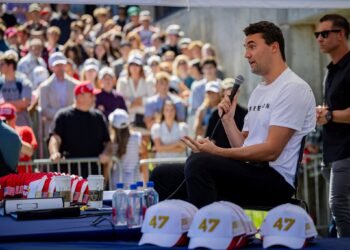 Conservative Influencer Charlie Kirk Fatally Shot During University Debate
 Thousands Gather in London to Protest Donald Trump’s Second UK State Visit
 Trump Urges UK to “Call Out the Military” to Secure Borders Amid State Visit
 British AI Startup Outshines Human Forecasters in Global Prediction Contest
 Las Vegas Faces Decline as Rising Costs Drive Tourists Away
 Dembélé and Bonmatí Shine as Ballon d’Or Winners in Glittering Paris Ceremony
 Liverpool Vs outhampton Set for Carabao Cup Clash at Anfield
 Denmark Investigates Professional Drone Incursions Across Multiple Airports, No Evidence of Russian Involvement
 Nicolas Sarkozy Sentenced to Five Years in Jail in Libya Campaign Financing Case
 UK Fighter Jet Purchase Could Breach Nuclear Treaty, Warns CND
 Dramatic Derby: Sorloth Strikes as Atletico and Real Madrid Share the Spoils
 ICC Women’s World Cup 2025: India to Host as Pakistan Fixtures Moved to Neutral Venues
 A Third of EU Citizens in UK Report Discrimination by Public Bodies Post-Brexit
 Bournemouth Stun Fulham with Dramatic Comeback in Premier League Thriller
 Misinformation and Political Pressure Force Weston-super-Mare to Abandon Refugee Sanctuary Plan
 Arsenal Showcase Depth and Flexibility as Arteta Eyes Title Challenge
 Public Trust in SNP Hits Historic Low Amid NHS Concerns
 Cooper Unveils £4m Cyber Plan Against Russian Hackers
 Nobel Peace Prize Officials Probe Suspicious Online Bets
 Hope Amid Heartbreak: The Stories Behind the Freed Israeli Hostages
 Johnson Suggests Mandelson Linked to China Spy Controversy
 Zelensky to Urge Missile Aid as Trump and Putin Plan Summit
 China warns UK over delayed London mega embassy decision
 Rachel Reeves signals welfare reform ahead of key budget
 Kosovo agrees to host Britain’s refused asylum seekers
 Ireland Votes as Two Women Compete for Presidency
 Fabio Wardley stuns Joseph Parker to earn Usyk title shot
 WW2 Pilot’s Long-Lost Crash Site Unearthed in Essex
 Experts Warn Russia’s Burevestnik Missile Could Destabilise Arms Control
 British Woman in Iran ‘Losing Hope’ Amid Ongoing Detention
 Johnson Approved China’s London ‘Super-Embassy’ in 2018
 Tragedy on Lizard Island: Cruise Passenger Dies
 Fed Cuts US Interest Rates Again Amid Labour Market Uncertainty
 Top Christmas Books Reads: Classics to Cozy Romcoms
 Just Stop Oil Protesters Convicted Amid Climate Defence Row
 US Senate Passes Funding Bill to End Historic Shutdown
 Suicide Bombing at Islamabad Court Kills 12, Injures Dozens
 Hitler’s DNA Confirms He Truly Had Only One Testicle
 Japan Deploys Police to Curb Deadly Bear Attacks
 US Justice Department Files Lawsuit Against California Over Partisan Voting Maps
 Oklahoma Governor Grants Last-Minute Clemency to Death Row Inmate
 Pokémon to open world’s first theme park in Japan next year
 Trump Deploys DHS to Charlotte in Major Arrest Operation
 Orban Says Ukraine Has ‘No Chance’ as EU Support Continues
 Israeli Strike Kills 13 Near Palestinian Camp in Lebanon
 Zelensky Meets US Envoy in Turkey to Push Ukraine Peace Talks
 Haiti Qualifies for World Cup Despite Coach Never Visiting Country
 Pentagon Officials in Ukraine to Discuss War End
 Vietnam Battles Deadly Floods as Rains Continue
 Venezuela Threatens Nobel Winner Machado with Fugitive Status
 At Least Three Dead in Bangladesh Earthquake
 Israel Confirms Hamas Returned Dror Or’s Body
 Two National Guard Soldiers Critically Injured Near White House
 Southern Lebanon reels as Israeli strikes shatter communities
 Mbappe Scores 4 as Real Madrid Edge Olympiakos
 Sri Lanka Floods Leave 56 Dead, Dozens Missing
 India’s Labour Law Overhaul Sparks Fierce Debate