Published: 25 September 2025. The English Chronicle Desk
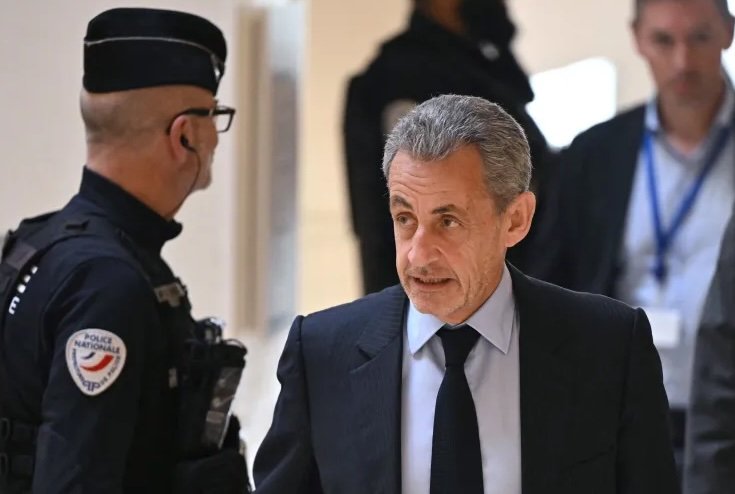
Former French President Nicolas Sarkozy has been sentenced to five years in prison after being found guilty of criminal conspiracy in connection with illicit campaign financing from the late Libyan leader, Colonel Muammar Gaddafi. The Paris criminal court acquitted Sarkozy of all other charges, including passive corruption and illegal campaign financing, but the ruling marks a historic and humiliating moment for the former head of state, who has consistently protested his innocence.
The case centers on allegations that Sarkozy, who served as France’s president from 2007 to 2012, used millions of euros provided by Gaddafi to finance his successful 2007 election campaign. Prosecutors argued that in exchange for these funds, Sarkozy promised to assist Gaddafi in improving his image and relations with Western nations, which had long treated the Libyan leader as a pariah.
Judge Nathalie Gavarino stated that Sarkozy had allowed close aides to engage with Libyan officials to secure financial backing for his campaign. However, the court concluded that there was insufficient evidence to prove that Sarkozy personally benefited from the illicit payments. Despite this, the court imposed a custodial sentence of five years and fined the former president €100,000 (£87,000). The ruling is enforceable immediately, meaning Sarkozy could face incarceration in Paris in the coming days, even if he appeals the decision.
The courtroom fell silent in shock as the sentence was read, reflecting the gravity of the moment. If Sarkozy serves time, he will become the first former French president to be imprisoned for actions taken while in office, a dramatic fall for a political figure long accustomed to public acclaim.

The investigation into the alleged Libyan funding began in 2013, following accusations from Saif al-Islam Gaddafi, son of the late Libyan leader. He claimed that Sarkozy had received millions from his father’s regime for campaign purposes. The following year, Lebanese businessman Ziad Takieddine, a known intermediary between France and the Middle East, asserted that he possessed written evidence showing that Sarkozy’s 2007 campaign had been extensively financed by Tripoli. Takieddine further claimed that the payments, reportedly totaling €50 million (£43 million), continued even after Sarkozy assumed the presidency.
The trial also implicated several of Sarkozy’s former ministers. Former interior ministers Claude Guéant and Brice Hortefeux were both convicted—Guéant on charges of corruption and others, and Hortefeux for criminal conspiracy. Sarkozy’s wife, Italian-born former supermodel and singer Carla Bruni-Sarkozy, faced charges last year of hiding evidence linked to the case and associating with wrongdoers to commit fraud, allegations she denies.
Sarkozy’s legal troubles extend beyond the Libyan campaign financing case. Since losing his re-election bid in 2012, he has faced multiple investigations. In February 2024, he was found guilty of overspending in his 2012 re-election campaign and hiring a public relations firm to conceal the excess, for which he received a one-year sentence, with six months suspended. In 2021, Sarkozy was convicted of attempting to bribe a judge in 2014, becoming the first former French president to receive a custodial sentence. That December, the Paris appeals court allowed him to serve the sentence at home under electronic monitoring rather than in prison.
Throughout the ongoing legal proceedings, Sarkozy has maintained that the allegations are politically motivated and that he has acted lawfully in all matters. Nonetheless, the current ruling reinforces a growing record of judicial scrutiny over his conduct while in office, highlighting the challenges facing former leaders who face allegations of corruption and misuse of power.

The outcome of the case has reverberated across France and internationally, drawing attention to the enduring question of accountability for political leaders and the complex relationship between domestic politics and foreign influence. With his immediate future now uncertain, Nicolas Sarkozy’s political legacy is set to be further defined by legal battles and public perception in the years ahead.
Related News:
 Kinnock’s Rebuke Echoes Loudly as Corbyn Allies Launch Left-Wing Breakaway: “A Gift to Farage”
 Tories in Turmoil as Sir Jake Berry’s Defection to Reform Sparks Fears of Further Exodus
 UK and Norway Forge Stronger Ties Through Joint Sanctions and Enhanced Defence Cooperation
 Trump Administration Dismisses 17 Immigration Judges, Sparking Debate Over Judicial Independence
 Lammy Condemns Israel’s Targeting of Starving Palestinians: Sanctions Threatened Amid Global Outrage
 Northern Ireland Family of Three Shot Dead in Maguiresbridge Home Incident
 Netanyahu Announces Plan to Take Over Gaza City, Escalating Conflict Further
 Prominent Al Jazeera Journalist Anas al-Sharif Among Five Reporters Killed in Israeli Airstrike on Gaza
 High-Stakes Diplomacy: Trump and Putin Head to Alaska for Historic Peace Talks
 Manchester City Announce Their Return in Style with Haaland Double and Debut Goals at Wolves
 Where Is Prince William and Kate Middleton’s New House? Inside the Historic Lodge Set to Become Their ‘Forever Home’
 Los Angeles’ Alleged ‘Ketamine Queen’ Agrees to Plead Guilty in Connection with Matthew Perry’s Death
 Costa Blanca Holiday Horror as Food Poisoning Outbreak Hits Four-Star Hotel
 Lisbon’s Historic Funicular Turns to Tragedy: The Elevador da Glória Derailment
 Lisbon Funicular Disaster Claims 17 Lives in Shocking Crash
 France Recognises Palestinian State as Trump Prepares to Address UN General Assembly
 Public Executions in Gaza City Captured on Video Amid Ongoing Conflict
 Macron Phones Trump Over Traffic Jam in New York
 Denmark Investigates Professional Drone Incursions Across Multiple Airports, No Evidence of Russian Involvement
 Sir Sadiq Khan Accuses Trump of Racism and Islamophobia Following UN Remarks
 Trump Imposes Sweeping Tariffs on Pharmaceuticals, Trucks and Furniture Imports
 Assumption Island Dispute Dominates Seychelles Election as Environment, Economy and Geopolitics Collide
 Tony Blair Considered for Leadership Role in Transitional Gaza Authority
 Trump Unveils Gaza Peace Plan Amidst Deep-Seated Challenges
 Bournemouth Stun Fulham with Dramatic Comeback in Premier League Thriller
 Japan’s First Female Governing-Party Leader Emerges Amid Ultra-Conservative Politics
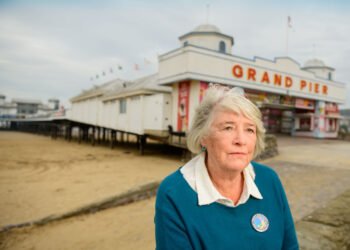 Misinformation and Political Pressure Force Weston-super-Mare to Abandon Refugee Sanctuary Plan
 Arsenal Showcase Depth and Flexibility as Arteta Eyes Title Challenge
Trump Presses for Urgent Progress as Cairo Talks Aim to Halt Gaza War
Arsenal Showcase Depth and Flexibility as Arteta Eyes Title Challenge
Trump Presses for Urgent Progress as Cairo Talks Aim to Halt Gaza War
 French Prime Minister Lecornu Resigns After Just 26 Days in Office, Deepening Political Crisis
 Nobel Peace Prize Officials Probe Suspicious Online Bets
 Hope Amid Heartbreak: The Stories Behind the Freed Israeli Hostages
 Zelensky to Urge Missile Aid as Trump and Putin Plan Summit
 Barnes Inspires Newcastle to Champions League Triumph Over Benfica
City shine with PlayStation-style football to overwhelm Villarreal
Barnes Inspires Newcastle to Champions League Triumph Over Benfica
City shine with PlayStation-style football to overwhelm Villarreal
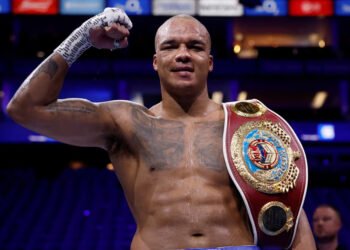 Fabio Wardley stuns Joseph Parker to earn Usyk title shot
 US Super-Rich Are Draining Planet’s Safe Climate Space
 Tragedy on Lizard Island: Cruise Passenger Dies
 Fed Cuts US Interest Rates Again Amid Labour Market Uncertainty
 UK Charters Emergency Flights to Evacuate Britons from Jamaica
 Hurricane Melissa Leaves Devastation Across Jamaica as Death Toll Rises
 Mikie Sherrill Elected New Jersey’s Governor in Key Win
 US Senate Passes Funding Bill to End Historic Shutdown
 BBC’s Tim Davie to Address Staff Amid Trump $1bn Threat
 Thailand Suspends Cambodia Border Peace Deal Amid Tensions
 Hannibal Gaddafi Freed After Nearly a Decade in Lebanon
 Fog Aids Russian Forces in Deep Push into Pokrovsk
 Hitler’s DNA Confirms He Truly Had Only One Testicle
 Victoria Signs Historic Treaty with Indigenous Peoples
 US Justice Department Files Lawsuit Against California Over Partisan Voting Maps
 Israel Confirms Returned Hostage as Meny Godard
 Orban Says Ukraine Has ‘No Chance’ as EU Support Continues
 Israeli Strike Kills 13 Near Palestinian Camp in Lebanon
 Zelensky Meets US Envoy in Turkey to Push Ukraine Peace Talks
 Congress Approves Release of Epstein Files, Trump Expected to Sign
 Haiti Qualifies for World Cup Despite Coach Never Visiting Country
 Rama Rebukes Mahmood for Targeting Albanian Families
 Russian Vessel Used Lasers on RAF Pilots, UK Claims
 Scotland Fans Celebrate Historic World Cup Qualification
 Pentagon Officials in Ukraine to Discuss War End
 Vietnam Battles Deadly Floods as Rains Continue
 WhatsApp Messages Expose Nathan Gill’s Bribery
 Venezuela Threatens Nobel Winner Machado with Fugitive Status
 At Least Three Dead in Bangladesh Earthquake
 Texas Governor Faces Lawsuit From CAIR
 Israel Confirms Hamas Returned Dror Or’s Body
 Trump Envoy to Discuss Ukraine Peace at Kremlin
 Twenty-Four Nigerian Schoolgirls Freed After Abduction
 Two National Guard Soldiers Critically Injured Near White House
 Pope Leo XIV Begins Historic Trip to Turkey and Lebanon
 Mbappe Scores 4 as Real Madrid Edge Olympiakos
 Man City Lose, Champions League Risk
 Sri Lanka Floods Leave 56 Dead, Dozens Missing
 India’s Labour Law Overhaul Sparks Fierce Debate
 Video shows Israeli troops kill Palestinians after surrender
 Trump to Recheck Green Cards from 19 Nations After DC Attack
 Chinese & Japanese Boats Clash Near Disputed Islands
 Putin Meets US Envoy Amid Key Ukraine Peace Talks
 Indonesia to Repatriate Two Dutch Drug Convicts
 Global campaign launched to free Palestinian leader Barghouti