Published: 23 September ‘2025. The English Chronicle Desk
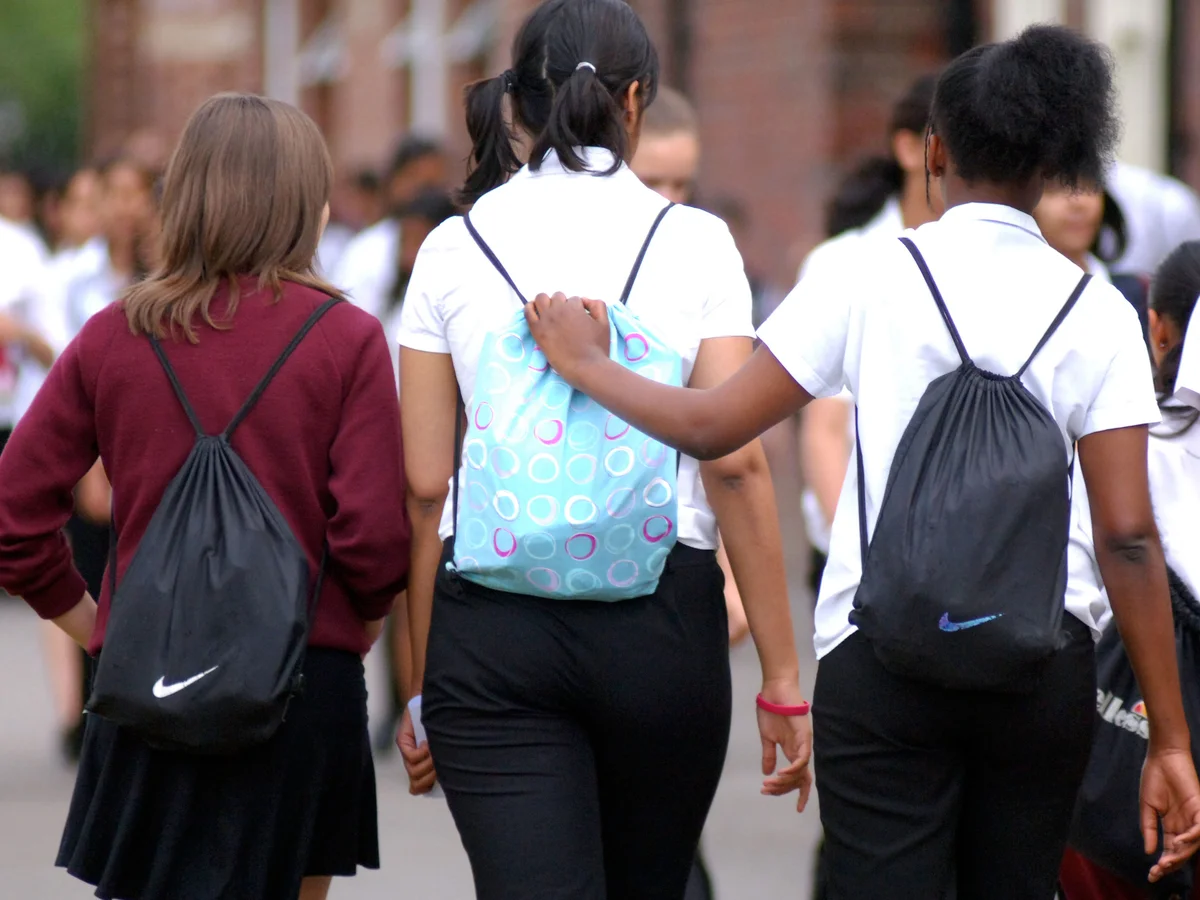
A significant number of girls and young women across the United Kingdom are altering their everyday routines in response to safety concerns, according to a recent survey conducted by the Girlguiding charity. The research highlights that fears about harassment and violence continue to shape the daily behaviour of the nation’s female youth, with consequences extending to their education, social lives, and mental well-being.
The survey, which forms part of Girlguiding’s annual Girls’ Attitudes report, collected responses from 2,640 girls and young women aged between seven and 21. It found that two-thirds of respondents reported changing their behaviour in some way to feel safer, with nearly one-third (31%) avoiding public transport when travelling alone. This figure marks a sharp rise compared to previous years, reflecting growing unease among young females about their security in both urban and suburban environments.
Across the 11 to 21 age group, more than half of girls (56%) reported feeling unsafe when travelling alone, up from 45% in 2022. In addition to avoiding public transport, many participants disclosed taking extra precautions such as avoiding going out after dark. Indeed, 86% admitted they deliberately stayed indoors during nighttime hours to mitigate risk, with girls from minority ethnic backgrounds reporting even higher levels of caution.

The survey also highlighted how safety concerns influence clothing choices and social interactions. Approximately 68% of respondents said they had modified their behaviour to reduce the likelihood of sexual harassment. Among these, one in three reported changing what they wore, while more than a quarter (28%) had stopped visiting places they previously frequented. Around 12% had altered the locations where they exercised, demonstrating the pervasive impact of safety fears on even everyday activities.
Girls with disabilities were particularly vulnerable, with only 17% feeling secure when using public transport, compared to 33% of non-disabled peers. The survey findings suggest that accessibility challenges and heightened perceptions of risk intersect, leaving disabled girls disproportionately affected and more likely to restrict their mobility and social engagement. Similarly, neurodivergent and LGBTQ+ girls expressed heightened concerns about personal safety, with some altering school attendance patterns to avoid harassment.
School environments were also identified as a key area of concern. More than half of girls aged 11 to 18 (58%) reported experiencing toxic comments from male pupils, while 32% witnessed teachers or other school staff subjected to sexist or misogynistic abuse. One in ten girls aged 11 to 16 said they did not feel safe at school, a figure rising to over two in ten for LGBTQ+ students and three in ten for disabled students. Alarmingly, 10% of respondents acknowledged deliberately skipping school to reduce the risk of sexual harassment, a number that increases to 21% for girls with disabilities and 18% for neurodivergent or LGBTQ+ students.
Even among younger pupils, the prevalence of uncomfortable or inappropriate interactions was evident. Among girls aged seven to ten, 32% reported receiving comments from boys at school that made them feel uneasy, and 17% indicated that boys regularly commented on the bodies of girls and young women. These findings underscore the early age at which gendered harassment and societal pressures begin to influence behaviour, suggesting that interventions must begin in primary education.
The Girlguiding report stresses that systemic action is required to address the cultural and structural factors contributing to girls’ fears. It urges local authorities and schools to publicly outline plans to combat misogyny within their communities and emphasizes the importance of consulting girls and young women in shaping public safety measures. Public transport authorities are similarly called upon to engage directly with young passengers to understand their concerns and implement measures that increase safety and confidence in using services.
Amanda Azeez, acting chief executive of Girlguiding, reflected on the findings, stating: “Although considerable progress has been made toward gender equality, these findings reveal that in many areas, the treatment and behaviour that girls face has not improved. Girls continue to be made to feel unsafe and inadequate, which impacts their mental health and limits their ability to live freely.” She added that addressing these issues requires immediate action, with young females at the centre of developing solutions: “Girls need to be able to trust decision-makers to protect them and rely on their peers for support.”
Despite the troubling statistics, the survey also revealed encouraging evidence of solidarity among young women. Approximately 70% of respondents aged 11 to 21 reported standing up for peers who faced sexism or misogyny, reflecting a growing culture of support and advocacy among girls and young women. This peer-led activism offers a counterbalance to the pervasive fears highlighted by the study and suggests that interventions focusing on empowerment and allyship may be particularly effective.
The implications of the report extend beyond individual behaviour, illustrating broader societal challenges. Persistent feelings of insecurity among young females can have lasting effects on their physical and mental health, educational outcomes, and social development. Moreover, the survey highlights disparities based on race, disability, and sexual orientation, indicating that interventions must be inclusive and attentive to the specific needs of marginalized groups.

Experts in child and adolescent welfare emphasize that addressing these issues requires a multi-pronged approach. Strategies may include implementing comprehensive anti-bullying and anti-harassment programs in schools, improving the safety and accessibility of public spaces, and creating forums for young women to express their concerns and participate in decision-making processes. By prioritizing the voices and experiences of girls, policymakers and educators can develop measures that not only mitigate risks but also foster confidence and autonomy.
The report serves as a reminder that gender-based fear is a pervasive and ongoing challenge, affecting girls and young women across all areas of daily life. As public awareness grows, it is hoped that initiatives informed by the insights gathered from surveys such as Girlguiding’s will lead to meaningful improvements in safety, equality, and the well-being of young females throughout the UK.
Ultimately, the findings underscore the importance of listening to the experiences of girls and young women, creating responsive and accountable systems, and promoting a culture of respect and safety. By doing so, society can ensure that girls are not constrained by fear but are empowered to live, travel, learn, and engage in their communities freely and confidently.
Related News:
 Michele Dougherty Makes History as the UK’s First Female Astronomer Royal
 Labour Urged to Revive Sure Start Name to Rebuild Trust and Win Back Reform Voters
 China-Backed Confucius Institutes at UK Universities Face Uncertainty Under New Free Speech Rules
 Tragedy in Cambridge: Two Arrested Over Fatal Assault of International Student
 UK University Staff Studying Sensitive Chinese Issues Report Intimidation
 Princess of Wales Launches Animated Video Series to Support Early Childhood Development
 A-level Results in England Expected to Return to Pre-Pandemic Norms with Shifting Subject Preferences
 University Education Faces New Challenges as Students Question Its Value
 Learner Drivers to Face CPR and Defibrillator Questions in New Theory Tests
 More than a Quarter of A-Level Students Poised to Achieve Top Grades Across UK
 Record Number of UK Students Secure University Places Following A-Level Results
 Boys’ Under-Performance at GCSEs a “National Concern,” Says Leading Education Expert
 From ‘Skibidi’ to ‘Mouse Jiggler’: Cambridge Dictionary Expands with Modern Slang and Social Terms
 Why Where You Live Can Affect Your School Grades – And the Gap Between Areas Is Only Widening
 UK Moves to Evacuate Nine Gaza Students with British University Scholarships
 GCSE Results Day 2025: What Students Need to Know About Grades, New App and Appeals
 Education Leaders Call for End to Compulsory GCSE Resits in English and Maths
 Thousands of New School Nursery Places to Be Rolled Out Across England
 University of Edinburgh Lecturers Launch Five-Day Strike Amid £140m Budget Cuts
 Ofsted Pushes Ahead with Controversial New Inspection Regime Despite Widespread Opposition
 UK Set to Launch Its First ‘Super-University’ Through Landmark Merger of Kent and Greenwich
 Special Needs Reforms Risk Becoming ‘Welfare Reforms Mark 2,’ Warns IFS
 UK Graduates in Healthcare Report Highest Satisfaction with Degree Choices
 Growing Crisis in UK Schools: One in Three Parents Seek Special Needs Assessments
 UK Launches Initiative to Teach Democracy to Toddlers in Memory of Sir David Amess
 UK Confronts Rising Crisis of Child-on-Child Sexual Abuse as Patterns Shift
 Historic Letters Unearthed on eBay Reveal UK Families’ Profits from Slavery
 It Changed My View’: Campaign Encourages Pupils in Deprived Areas to Consider University
 Report Finds School History Lessons Marginalise Women’s Contributions
White Low-Income Pupils in England Show Lowest Levels of School Engagement, Study Finds
Report Finds School History Lessons Marginalise Women’s Contributions
White Low-Income Pupils in England Show Lowest Levels of School Engagement, Study Finds
 Rachel Reeves Unveils Ambitious Plan to Bring a Library to Every Primary School in England
 UK Home Office approves extra visas for UCL international students amid deferred admission concerns
 Teacher Permanently Banned After Slapping Pupil Over Classroom Incident
 UK Universities Warn Students Ahead of 7 October Pro-Palestine Protests
 Eating International Foods Linked to Greater Tolerance, UK Study Finds
 Thousands of University Jobs Cut Amid Deepening Financial Crisis
 Phillipson urges UK universities to combat antisemitism
 MPs Urge UK to Let Gaza Scholars Bring Their Children
 Phillipson Warns Parents Over Poor Quality Online Advice
 UK Pupils Fear AI Is Eroding Their Learning Skills
 Parents spending £5,000 on special school assessments in England
 New V-Level qualification to transform post-16 education
 Oxford Union president-elect ousted following Charlie Kirk scandal
 The debate over England’s compulsory reading test for 13-year-olds
 One in 12 Secondary Pupils Sent to Isolation Weekly
 Children to Judge Inaugural Booker Prize for Young Readers
 Six-Figure Tutors Teach Toddlers to ‘Be British’
 How Bringing Forests Into Preschools Boosts Children’s Health
 Is a two-week half-term a good deal? Some parents in England aren’t so sure
 Bridget Phillipson Vows to Confront Unions Over Reading Tests
 Children to Learn Local History in Major Curriculum Overhaul
 Top Christmas Books Reads: Classics to Cozy Romcoms
England Curriculum Review Recommends Major Changes
Top Christmas Books Reads: Classics to Cozy Romcoms
England Curriculum Review Recommends Major Changes
 Mortgages and AI Set to Feature in English Schools
 Greta Thunberg Backs Student Facing UK Visa Revocation
 Audio Books deals and promo codes to explore in November 2025
 London’s Childlessness Crisis: Schools Closing as Families Shrink
 No link found between paracetamol in pregnancy and autism
 Government urges schools to ban phones to curb classroom disruption
 Stephen Fry backs SafeCall to protect missing children
 England’s Special Needs Support Faces Breaking Point
 Higgs Donates Nobel Medal to His Beloved University
 Some schools in England take six times more special needs pupils
 UK Schools Face Staff Exodus Amid Wellbeing Crash
 Top Diaries and Planners to Upgrade Your Organisation in 2026
 Schools urged to trial four-day week to ease pressure on teachers in England and Wales
 Oxford Names ‘Rage Bait’ Word of the Year
 Premier League Supercomputer Predicts Tough Season for Man Utd Amid Three-Team Title Battle
 UK Weather: Heat Alerts Extended as Temperatures Set to Reach 30°C This Weekend
 Merseyside Police Helicopter Crew Cleared After Low-Altitude Pursuit of Suspect
 Tanni Grey-Thompson Faces Abuse Over Opposition to Assisted Dying Bill
 Birmingham Bin Strike Enters Sixth Month as Negotiations Stall
 Over 40% of Private Renters Forced to Ration Energy to Afford Bills, Study Reveals
 Systemic Racism in Maternity Care Continues to Endanger Black Women in England, MPs Warn
 Northern Ireland Faces Fears of Prolonged Race Riot “Permacrisis”
 Nigel Farage Unveils Controversial Immigration and Welfare Plans at Reform UK Press Conference
 Mahmood Pledges Reform of Modern Slavery Laws After Court Blocks Deportation Appeal
 UK Government Backs Return of International Rail Travel to Kent Stations
 Arsenal VS Newcastle Hearts with Dramatic Late Turnaround at St James’ Park
 Ed Miliband Urges Labour to Confront Billionaire-Backed Opposition to Net Zero Goals