Published: 23 September ‘2025. The English Chronicle Desk. The English Chronicle Online
Nestled in the northern reaches of the Indian subcontinent, Kashmir has long captivated travelers, poets, and historians alike with its unparalleled natural beauty. Often described as “heaven on Earth,” the region owes its breathtaking landscapes, vibrant flora, and serene waterways to a unique blend of climatic and geographic factors that have sculpted its environment over millennia.

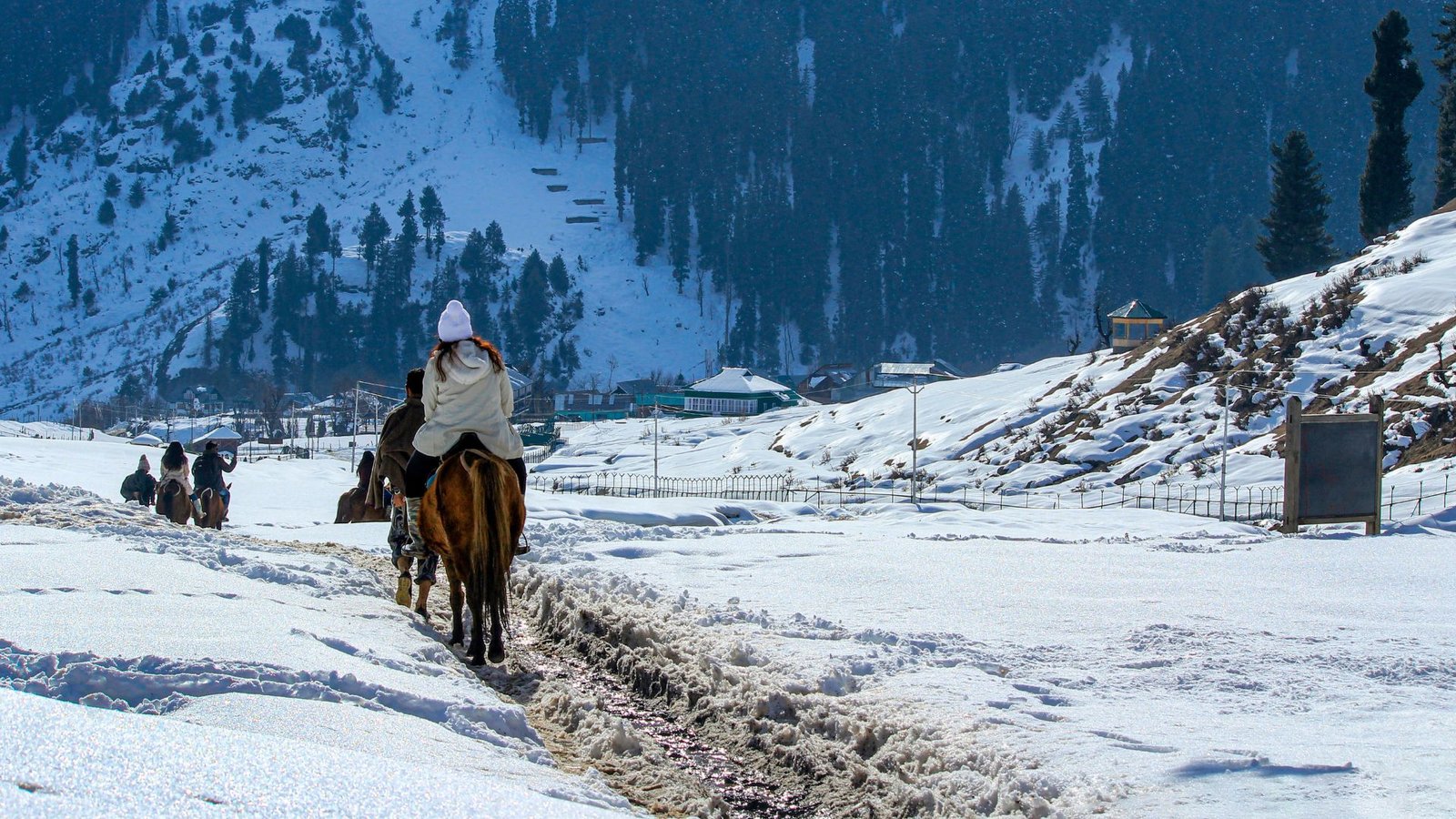
Kashmir’s charm begins with its distinctive climate. Situated in the Himalayan foothills, the region experiences a temperate climate with four clearly defined seasons. Spring brings a riot of colors as almond, cherry, and tulip blossoms blanket the valleys. The moderate temperatures, coupled with steady rainfall, allow these flowers to thrive in unparalleled abundance. Summer, though brief, offers warm days and cool nights, perfect for lush meadows and alpine gardens to flourish. Autumn transforms the valley into a canvas of fiery reds, golds, and oranges, while winter blankets the mountains in pristine snow, attracting both tourists and local communities that embrace traditional winter activities.
Experts emphasize that Kashmir’s seasonal rhythms are more than mere aesthetic contributors—they are essential to the region’s ecology. The snowmelt from the Himalayas feeds the Jhelum River and its tributaries, sustaining agricultural lands and generating hydroelectric power. The monsoon rains, though less intense than in India’s plains, provide sufficient moisture to support the dense forests of deodar, pine, and walnut trees that form the backbone of Kashmir’s biodiversity.
In addition to precipitation, Kashmir’s topography plays a crucial role. The valley is cradled by the Pir Panjal range to the southwest and the Greater Himalayas to the northeast, creating natural windbreaks and influencing the movement of clouds. This geographical positioning ensures that rainfall is distributed evenly across the region, preventing extreme droughts and allowing a variety of crops—including saffron, apples, and walnuts—to thrive. The fertile soil, enriched over centuries by glacial deposits, complements the climatic advantages, making Kashmir one of the most agriculturally productive regions in South Asia.
Kashmir’s climate also supports its rich wildlife. Dense forests and wetlands provide habitats for species ranging from the elusive snow leopard in higher altitudes to the migratory birds that visit Dal Lake each winter. The region’s rivers, lakes, and streams teem with indigenous fish, further contributing to both biodiversity and local livelihoods. Conservationists note that these ecosystems are delicately balanced; even minor shifts in climate patterns can have cascading effects on flora and fauna.
Tourism in Kashmir is inextricably linked to its climatic allure. The cool summers attract visitors escaping the sweltering plains, while winter sports enthusiasts flock to Gulmarg’s ski slopes. Houseboats on Dal Lake offer reflections of snow-capped peaks under crisp blue skies, a view made possible only by the region’s clean air and temperate climate. Local authorities have increasingly recognized the importance of sustainable tourism, understanding that preserving Kashmir’s natural environment is key to maintaining its global reputation as a paradise.
In recent years, climate scientists have studied Kashmir as a living laboratory. Its unique weather patterns provide insights into the impacts of Himalayan snowmelt, monsoon variability, and changing temperatures on both human and ecological systems. Research indicates that the valley’s climate, while stable historically, is now experiencing subtle shifts, including slightly warmer winters and earlier snowmelt. These changes have implications not only for agriculture and water resources but also for tourism and biodiversity conservation.
Kashmir’s natural climate has, therefore, not merely created visual splendor—it has shaped the region’s culture, economy, and way of life. From the intricate carpets woven in Srinagar to the traditional apple orchards in Sopore, every aspect of daily life is intertwined with the rhythms of nature. Festivals, agricultural cycles, and even architectural styles are influenced by the interplay of temperature, precipitation, and seasonal change.

In conclusion, Kashmir’s breathtaking beauty is no accident. It is the product of centuries of climatic harmony, geographical fortune, and ecological richness. As the world grapples with climate change and environmental degradation, Kashmir stands as a poignant reminder of how nature, when preserved and respected, can create landscapes that inspire awe, sustain livelihoods, and define a region’s very identity. Preserving this delicate balance is imperative, not only for the people of Kashmir but for all who seek solace and inspiration in the untouched splendor of our planet.
Related News:
 Epic Journeys Through Time and Terrain: Holidays That Inspire, Dazzle and Excite
 Lisbon’s Historic Funicular Turns to Tragedy: The Elevador da Glória Derailment
 Sycamore Gap Tree Confirmed to Be Over a Century Old, Scientists Reveal
 Tragedy on Lizard Island: Cruise Passenger Dies
 UK Charters Emergency Flights to Evacuate Britons from Jamaica
 World Whisky Tour: 9 Global Gems
 A Colourful Cultural Escape in Mexico’s Querétaro
 Kinnock’s Rebuke Echoes Loudly as Corbyn Allies Launch Left-Wing Breakaway: “A Gift to Farage”
 UK and Norway Forge Stronger Ties Through Joint Sanctions and Enhanced Defence Cooperation
 Trump Administration Dismisses 17 Immigration Judges, Sparking Debate Over Judicial Independence
 England’s Euro Odyssey: A Tale of Grit, Glory and the Lionesses’ Miraculous March to the Final
 UK Must Act with Courage and Clarity on Israel-Palestine Conflict, Says Foreign Affairs Committee Report
 Northern Ireland Family of Three Shot Dead in Maguiresbridge Home Incident
 Seventeen Dead as Russia Targets Ukrainian Prison in Devastating Airstrike
 Tears in Tarragona: British Siblings Drown in Spanish Sea as Holiday Turns to Horror
 Global Trade Earthquake: Trump Slaps 35% Tariff on Canada and Expands Tariff Blitz to Over 90 Nations
 Tottenham Takes On Newcastle
 Gen Z Embraces the Big, Bold ‘Fake’ Indian Wedding Party Trend
 Trump Threatens 100% Tariff on Nations Importing Russian Oil Amid India Standoff Over Ukraine War
 Radioactive Leak at UK’s Nuclear Warhead Base Sparks Outcry Over Safety and Secrecy
 Mutual Inconvenience: Why Alaska Was Chosen for the Trump-Putin Summit on Ukraine
 China’s crackdown on civil servant perks sparks economic concerns
 Manchester Airport Faces Delays After EasyJet Planes’ Wings ‘Clip’ on Runway
 Access to Iconic Cornish Beach Cut Off by National Trust Amid Safety Concerns
 Terence Stamp, ’60s British Film Legend and Star of Superman, Dies at 87
 Where Is Prince William and Kate Middleton’s New House? Inside the Historic Lodge Set to Become Their ‘Forever Home’
 Corfu Beyond the Crowds: Discovering Serenity in Southern Villages and Hidden Taverns
 Hong Kong Summons UK and Australian Envoys Following Asylum Grants to Democracy Activists
 Is the UK Ready to Put Boots on the Ground in Ukraine? Assessing Military Capacity and Challenges
 Costa Blanca Holiday Horror as Food Poisoning Outbreak Hits Four-Star Hotel
 Vietnam Unveils £9.5 Billion Mega Airport, Set to Rival Global Hubs
 Shein UK Faces Allegations of Shifting Majority of Profits to Singapore to Reduce UK Tax
 Conservative Influencer Charlie Kirk Fatally Shot During University Debate
 Thousands Gather in London to Protest Donald Trump’s Second UK State Visit
 Channel Crossings Surge: Over 1,000 People Arrive in the UK in Small Boats in a Single Day
 Widow of Charlie Kirk Forgives Killer at Emotional Memorial Service
 Las Vegas Faces Decline as Rising Costs Drive Tourists Away
 Liverpool Vs outhampton Set for Carabao Cup Clash at Anfield
 Denmark Investigates Professional Drone Incursions Across Multiple Airports, No Evidence of Russian Involvement
 UK Fighter Jet Purchase Could Breach Nuclear Treaty, Warns CND
 ICC Women’s World Cup 2025: India to Host as Pakistan Fixtures Moved to Neutral Venues
 A Third of EU Citizens in UK Report Discrimination by Public Bodies Post-Brexit
 Bournemouth Stun Fulham with Dramatic Comeback in Premier League Thriller
 Arsenal Showcase Depth and Flexibility as Arteta Eyes Title Challenge
 Public Trust in SNP Hits Historic Low Amid NHS Concerns
 Cooper Unveils £4m Cyber Plan Against Russian Hackers
 Johnson Suggests Mandelson Linked to China Spy Controversy
 Zelensky to Urge Missile Aid as Trump and Putin Plan Summit
 Rachel Reeves signals welfare reform ahead of key budget
 Kosovo agrees to host Britain’s refused asylum seekers
 Ireland Votes as Two Women Compete for Presidency
 WW2 Pilot’s Long-Lost Crash Site Unearthed in Essex
 Experts Warn Russia’s Burevestnik Missile Could Destabilise Arms Control
 Johnson Approved China’s London ‘Super-Embassy’ in 2018
 Fed Cuts US Interest Rates Again Amid Labour Market Uncertainty
 The Lowry Hotel: Manchester’s Iconic Five-Star Retreat
 Top Christmas Books Reads: Classics to Cozy Romcoms
 Just Stop Oil Protesters Convicted Amid Climate Defence Row
 US Senate Passes Funding Bill to End Historic Shutdown
 Japan Deploys Police to Curb Deadly Bear Attacks
 US Justice Department Files Lawsuit Against California Over Partisan Voting Maps
 Pokémon to open world’s first theme park in Japan next year
 Trump Deploys DHS to Charlotte in Major Arrest Operation
 Orban Says Ukraine Has ‘No Chance’ as EU Support Continues
 Seven Countries, One Winner: Europe’s Best Christmas Market
 Israeli Strike Kills 13 Near Palestinian Camp in Lebanon
 Haiti Qualifies for World Cup Despite Coach Never Visiting Country
 Pentagon Officials in Ukraine to Discuss War End
 Vietnam Battles Deadly Floods as Rains Continue
 Venezuela Threatens Nobel Winner Machado with Fugitive Status
 At Least Three Dead in Bangladesh Earthquake
 Israel Confirms Hamas Returned Dror Or’s Body
 Two National Guard Soldiers Critically Injured Near White House
 Southern Lebanon reels as Israeli strikes shatter communities
 Mbappe Scores 4 as Real Madrid Edge Olympiakos
 Sri Lanka Floods Leave 56 Dead, Dozens Missing
 Scotland Gains 33 New Towns – Life in Growing Communities
 Search underway for British man overboard off Tenerife
 Top Hotels in Edinburgh for an Unforgettable Stay
 Global campaign launched to free Palestinian leader Barghouti