Published: 06 October 2025. The English Chronicle Desk, English Chronicle Online.
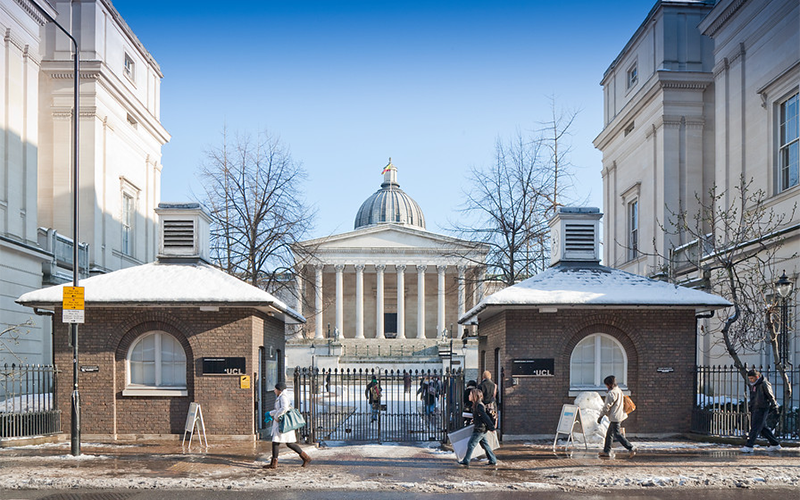
In a significant development for international students aspiring to study in the United Kingdom, the Home Office has granted additional visas for University College London (UCL) students who had previously been instructed to defer their enrollment. This decision comes after a series of discussions between UCL officials and government representatives, resolving a situation that had left hundreds of students in uncertainty.
The controversy arose when UCL, one of the UK’s most prestigious institutions, inadvertently overbooked its student intake for the current academic year. The university had issued more Confirmation of Acceptance for Studies (CAS) electronic documents than the Home Office allows under its visa system, leaving a substantial number of international students, particularly from China, unable to proceed with their planned studies. These students had already made financial commitments, including tuition deposits, flights, and accommodation costs, and were now facing the possibility of deferring their education by a full year.

The overbooking has been described by UCL as an “extraordinary surge in demand” for its courses, particularly in postgraduate programs. In a public statement, the university expressed deep regret over the disruption and uncertainty caused to students. UCL also pledged to reimburse affected students £1,000 to cover expenses incurred for applications made through the UK Visa and Immigration’s “super priority service.” The institution emphasized that the decision to defer students had been made reluctantly and only after recognizing the constraints imposed by Home Office regulations.
The Home Office’s intervention has now allowed these students to take up their places without deferral, marking a critical resolution for those affected. In a statement, a UCL spokesperson said, “We’re pleased to be able to assure our affected international students that they can now begin their studies at UCL. We wholeheartedly apologise to all those who have been impacted by the recent uncertainty and we are incredibly grateful for their patience. Our teams are now working quickly to contact students directly with updates and support.”
Negotiations between UCL and the Home Office took place at the end of the previous week, with both parties coordinating to secure the necessary additional CAS numbers. This collaboration has been crucial in ensuring that students receive their visas promptly and can arrive on campus in time for the start of the academic term. A UCL representative further added, “We also thank the Home Office for working swiftly to assist us in obtaining the additional CAS numbers we requested. Their prompt action has been invaluable in ensuring that students’ academic plans are not disrupted.”
The response from students has been one of relief and gratitude. Several international students reported receiving emails from UCL confirming that their CAS documents would be issued in the coming days, enabling them to apply for visas and make the necessary travel arrangements. One student expressed their relief: “I am overjoyed to be able to study in the UK. We were told many different things since last month, it was very stressful. I was already committed to paying for accommodation in London, with no refund available, so I am very relieved.”
Approximately 200 students from China were directly affected by the issue, with some already present in the UK at the end of September in preparation for the term’s commencement. Students enrolled in taught postgraduate courses were particularly concerned, as they were required to be present by 10 October to maintain their enrollment status. The prospect of being unable to begin their studies on time created significant anxiety, both academically and financially.
UCL has sought to mitigate the impact on students by providing clear communication and support throughout the process. An email from the university’s recruitment and admissions department stated, “We cannot thank you enough for your patience with this process and we are extremely sorry for the disruption and uncertainty which this will have caused you. We know that it will have been both frustrating and unsettling, and we are grateful to you for your patience as we worked to resolve the situation.” This statement underlined the institution’s commitment to student welfare and highlighted the extraordinary circumstances that led to the overbooking.
The situation has also shed light on broader challenges faced by international students seeking education in the UK. Over the past several years, the demand for UK higher education has surged, particularly from Asia, resulting in heightened competition for available places. Universities are required to navigate complex visa regulations while balancing enrollment targets, and any miscalculation can have significant consequences for students and institutions alike. In the case of UCL, the overbooking appears to have been an unintended outcome of high demand, compounded by the university’s commitment to accommodating as many qualified students as possible.
The resolution of this issue marks a significant victory for the affected students and serves as a reminder of the importance of collaboration between educational institutions and government bodies. By working closely with the Home Office, UCL has been able to secure additional CAS numbers and ensure that students can begin their studies without unnecessary delay. This cooperative approach is likely to be scrutinized by other universities, particularly as international student numbers continue to grow in the coming years.
While the immediate concern of visa issuance has been addressed, students and staff alike are aware that the logistics of accommodating additional students will require careful planning. UCL has pledged to provide additional guidance and support, including assistance with orientation, accommodation, and administrative processes, to ensure that new arrivals can integrate smoothly into university life. The institution’s proactive approach aims to minimize disruption to the academic experience and reinforce its reputation as a globally welcoming university.
Education analysts have highlighted that the incident also underscores the financial and emotional stakes involved for international students. Many students invest substantial sums in tuition fees, travel, and living expenses in anticipation of studying in the UK, and any disruption can have far-reaching consequences. The swift resolution of the UCL case demonstrates the value of prompt institutional response and government intervention in safeguarding students’ academic futures.
In addition, the UCL case has prompted discussions within the higher education sector about improving the coordination between visa authorities and universities. Ensuring that institutions do not exceed CAS allocations while maintaining flexibility to accommodate demand is likely to remain a key priority for UK higher education policymakers. These measures are intended to prevent similar situations in future academic years, ensuring that students receive timely information and can plan their studies effectively.

For the affected students, the confirmation of visas brings not only the practical ability to commence their studies but also a sense of reassurance that their academic aspirations are secure. The Home Office’s decision to grant additional visas, combined with UCL’s ongoing support, reflects a commitment to upholding the UK’s reputation as a leading destination for international education. Students can now look forward to participating fully in campus life, accessing resources, and engaging in academic programs without the disruption of deferrals.
In conclusion, the resolution of the UCL visa issue represents a meaningful victory for hundreds of international students, reaffirming the importance of clear communication, institutional accountability, and government collaboration. With additional CAS numbers now issued and visa applications proceeding, students can begin their studies with confidence, while UCL works to ensure a smooth integration process. The incident highlights both the challenges and the responsive measures in place to support international students in the UK, underscoring the country’s ongoing commitment to maintaining its position as a premier destination for global higher education.
Related News:
 Michele Dougherty Makes History as the UK’s First Female Astronomer Royal
 Labour Urged to Revive Sure Start Name to Rebuild Trust and Win Back Reform Voters
 China-Backed Confucius Institutes at UK Universities Face Uncertainty Under New Free Speech Rules
 Tragedy in Cambridge: Two Arrested Over Fatal Assault of International Student
 UK University Staff Studying Sensitive Chinese Issues Report Intimidation
 Princess of Wales Launches Animated Video Series to Support Early Childhood Development
 A-level Results in England Expected to Return to Pre-Pandemic Norms with Shifting Subject Preferences
 University Education Faces New Challenges as Students Question Its Value
 Learner Drivers to Face CPR and Defibrillator Questions in New Theory Tests
 More than a Quarter of A-Level Students Poised to Achieve Top Grades Across UK
 Record Number of UK Students Secure University Places Following A-Level Results
 Boys’ Under-Performance at GCSEs a “National Concern,” Says Leading Education Expert
 From ‘Skibidi’ to ‘Mouse Jiggler’: Cambridge Dictionary Expands with Modern Slang and Social Terms
 Why Where You Live Can Affect Your School Grades – And the Gap Between Areas Is Only Widening
 UK Moves to Evacuate Nine Gaza Students with British University Scholarships
 GCSE Results Day 2025: What Students Need to Know About Grades, New App and Appeals
 Education Leaders Call for End to Compulsory GCSE Resits in English and Maths
 Thousands of New School Nursery Places to Be Rolled Out Across England
 University of Edinburgh Lecturers Launch Five-Day Strike Amid £140m Budget Cuts
 Ofsted Pushes Ahead with Controversial New Inspection Regime Despite Widespread Opposition
 UK Set to Launch Its First ‘Super-University’ Through Landmark Merger of Kent and Greenwich
 Special Needs Reforms Risk Becoming ‘Welfare Reforms Mark 2,’ Warns IFS
 UK Graduates in Healthcare Report Highest Satisfaction with Degree Choices
 Growing Crisis in UK Schools: One in Three Parents Seek Special Needs Assessments
 UK Launches Initiative to Teach Democracy to Toddlers in Memory of Sir David Amess
 Majority of Girls and Young Women in UK Adjust Daily Lives to Feel Safe, Survey Reveals
 UK Confronts Rising Crisis of Child-on-Child Sexual Abuse as Patterns Shift
 Historic Letters Unearthed on eBay Reveal UK Families’ Profits from Slavery
 It Changed My View’: Campaign Encourages Pupils in Deprived Areas to Consider University
 Report Finds School History Lessons Marginalise Women’s Contributions
White Low-Income Pupils in England Show Lowest Levels of School Engagement, Study Finds
Report Finds School History Lessons Marginalise Women’s Contributions
White Low-Income Pupils in England Show Lowest Levels of School Engagement, Study Finds
 Rachel Reeves Unveils Ambitious Plan to Bring a Library to Every Primary School in England
 Teacher Permanently Banned After Slapping Pupil Over Classroom Incident
 UK Universities Warn Students Ahead of 7 October Pro-Palestine Protests
 Eating International Foods Linked to Greater Tolerance, UK Study Finds
 Thousands of University Jobs Cut Amid Deepening Financial Crisis
 Phillipson urges UK universities to combat antisemitism
 MPs Urge UK to Let Gaza Scholars Bring Their Children
 Phillipson Warns Parents Over Poor Quality Online Advice
 UK Pupils Fear AI Is Eroding Their Learning Skills
 Parents spending £5,000 on special school assessments in England
 New V-Level qualification to transform post-16 education
 Oxford Union president-elect ousted following Charlie Kirk scandal
 The debate over England’s compulsory reading test for 13-year-olds
 One in 12 Secondary Pupils Sent to Isolation Weekly
 Children to Judge Inaugural Booker Prize for Young Readers
 Six-Figure Tutors Teach Toddlers to ‘Be British’
 How Bringing Forests Into Preschools Boosts Children’s Health
 Is a two-week half-term a good deal? Some parents in England aren’t so sure
 Bridget Phillipson Vows to Confront Unions Over Reading Tests
 Children to Learn Local History in Major Curriculum Overhaul
 Top Christmas Books Reads: Classics to Cozy Romcoms
England Curriculum Review Recommends Major Changes
Top Christmas Books Reads: Classics to Cozy Romcoms
England Curriculum Review Recommends Major Changes
 Mortgages and AI Set to Feature in English Schools
 Greta Thunberg Backs Student Facing UK Visa Revocation
 Audio Books deals and promo codes to explore in November 2025
 London’s Childlessness Crisis: Schools Closing as Families Shrink
 No link found between paracetamol in pregnancy and autism
 Government urges schools to ban phones to curb classroom disruption
 Stephen Fry backs SafeCall to protect missing children
 England’s Special Needs Support Faces Breaking Point
 Higgs Donates Nobel Medal to His Beloved University
 Some schools in England take six times more special needs pupils
 UK Schools Face Staff Exodus Amid Wellbeing Crash
 Top Diaries and Planners to Upgrade Your Organisation in 2026
 Schools urged to trial four-day week to ease pressure on teachers in England and Wales
 Oxford Names ‘Rage Bait’ Word of the Year
 Premier League Supercomputer Predicts Tough Season for Man Utd Amid Three-Team Title Battle
 UK Weather: Heat Alerts Extended as Temperatures Set to Reach 30°C This Weekend
 Merseyside Police Helicopter Crew Cleared After Low-Altitude Pursuit of Suspect
 Tanni Grey-Thompson Faces Abuse Over Opposition to Assisted Dying Bill
 Birmingham Bin Strike Enters Sixth Month as Negotiations Stall
 Over 40% of Private Renters Forced to Ration Energy to Afford Bills, Study Reveals
 Systemic Racism in Maternity Care Continues to Endanger Black Women in England, MPs Warn
 Northern Ireland Faces Fears of Prolonged Race Riot “Permacrisis”
 Nigel Farage Unveils Controversial Immigration and Welfare Plans at Reform UK Press Conference
 Scottish Teenager’s Petition on Single-Use Plastics Gains Parliamentary Support
 No Evidence Found to Substantiate Alleged Rape in Oxfordshire Churchyard, Police Confirm
 Digital ID Plans Ignite Debate Over £600m Treasury Tax Boost and Privacy Concerns
 Public Trust in SNP Hits Historic Low Amid NHS Concerns