Published: 13 October 2025. The English Chronicle Desk. The English Chronicle Online.
What was meant to be a night of triumph for Scotland’s national football team and their long-serving head coach, Steve Clarke, turned instead into a storm of frustration and self-reflection. On an evening that should have marked a historic milestone—Clarke taking charge of the men’s side for a record 72nd time and securing progress toward the nation’s first World Cup in 28 years—the celebrations were tempered by the coach’s anger over a lacklustre performance against Belarus.
At Hampden Park, Scotland scraped a 2-1 victory to confirm at least a play-off place for next summer’s finals, their second win of the international camp. With Denmark defeating Greece, Clarke’s men are now mathematically guaranteed a top-two finish in Group C. Yet, rather than jubilation, the post-match mood was strikingly subdued.

“If you’d said at the start of this camp that we’d finish with six points, everyone would have been really happy,” Clarke admitted. “But tonight I was really disappointed. I don’t think we reached anywhere near the levels we’re capable of. We got the three points, but that’s the only small comfort.”
The Scottish manager’s tone captured the uneasy paradox of his reign—steadfast success built on pragmatism and discipline, but increasingly questioned for its lack of attacking flair. Clarke’s sides are known for their resilience and structure, traits that once defined Craig Brown’s Scotland, the man whose record Clarke just surpassed. But on Sunday night, even those qualities seemed to falter.
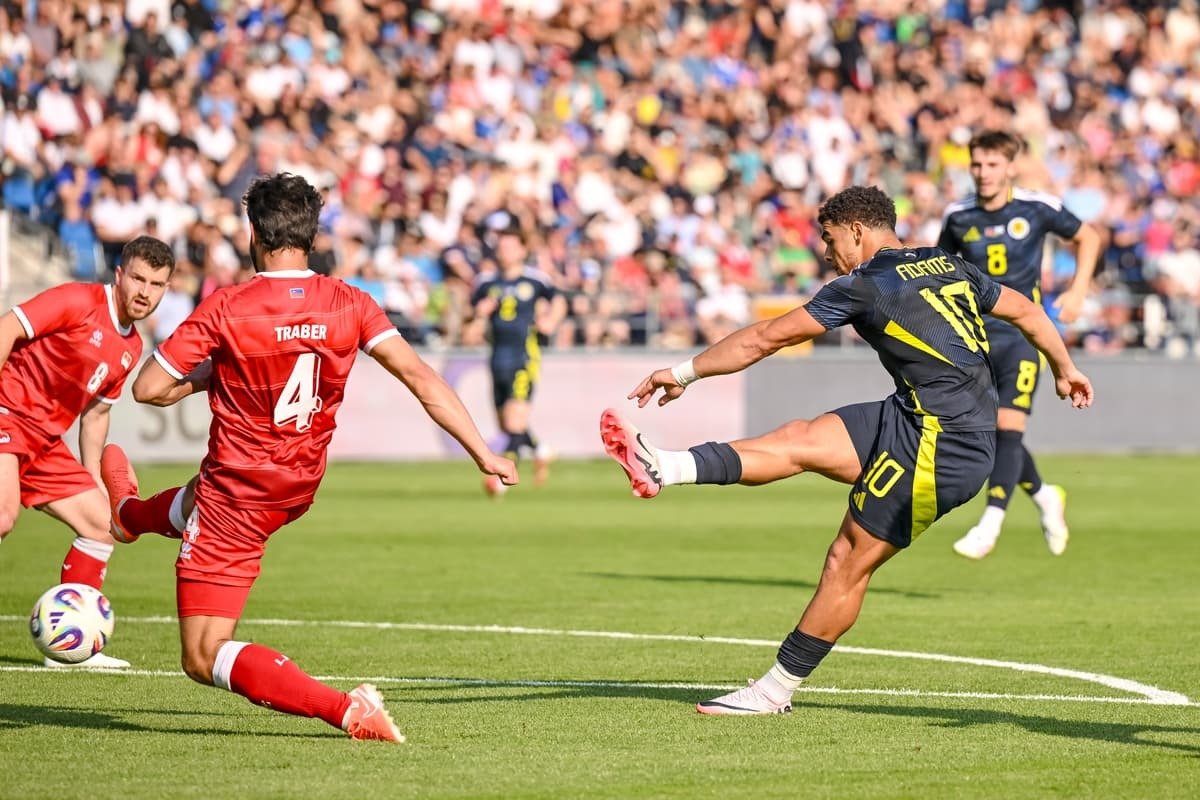
The warning signs had already been flashing earlier in the week when Scotland stumbled to a 3-1 victory over Greece after a dismal first hour. Against Belarus, the same sluggishness returned. Although Che Adams opened the scoring to give Scotland an early lead, the team’s play was flat and disjointed. The 49,000 fans at Hampden were restless—booing echoed through the national stadium despite the scoreboard showing a win.
Midfielder John McGinn later revealed that Clarke’s fury behind closed doors matched the crowd’s discontent. “At half-time—it was the wildest I’ve seen him in 72 games,” McGinn said. “We’re not stupid. We know as a team we’re not quite gelling. There are things off the ball and on it that aren’t clicking. We’ll accept any criticism that comes our way. We expect better of ourselves and so do the supporters.”
For McGinn, the victory came with little joy but plenty of perspective. “The fans want to see attacking football because they know we’re capable of it. But look at that table—it’s nice to see. We’ve put ourselves in an unbelievable position. Now we just have to stay fit and come back stronger for two massive games that could make history.”
Defender Scott McKenna echoed that sentiment, describing the first half as one of their worst under Clarke. “We didn’t win any first balls, didn’t win second balls either,” McKenna admitted. “Belarus looked more dangerous than us for most of the match. The manager was absolutely furious at half-time, and rightly so.”
The statistics underline the coach’s frustration: Belarus outshot Scotland by ten attempts and often looked the more composed side on the ball. Clarke’s team, known for defensive solidity, appeared nervous in possession and predictable going forward. While Adams’ early strike and a late winner salvaged the result, the performance left more questions than answers.
For Clarke, the challenge now is psychological as much as tactical. The expectations he has built—transforming Scotland into a competitive and consistent team—have raised the bar to a level unseen in decades. Once content with gritty draws and narrow wins, the Tartan Army now demands dominance and excitement. That shift in attitude, though a mark of progress, has also sharpened scrutiny on every unconvincing display.
“It’s not every day you hear boos after a win that takes us within two games of the World Cup,” one Scottish FA insider remarked. “But that’s where we are now. Clarke has made Scotland believe again—and with belief comes expectation.”

Despite the tension, Clarke himself remains composed and confident in his squad’s long-term trajectory. “We’ve had some great moments and some disappointing ones,” he reflected post-match. “But what we are is resilient. We can take a knock and come back from it. I’m confident that when it really matters, we’ll be ready.”
That readiness will soon be tested. Next month brings a daunting away trip to Athens to face Greece—now eliminated but eager to spoil Scotland’s campaign—followed by a high-stakes Hampden showdown against group leaders Denmark. Win both, and Scotland could achieve automatic qualification, securing their place on football’s biggest stage for the first time since 1998.
For now, however, the celebrations are muted. Clarke’s record-breaking night, meant to symbolise a new chapter of national pride, instead served as a reminder of the delicate balance between progress and performance. The victory may have moved Scotland closer to history, but their manager’s fury ensured no one in the camp mistook proximity for completion.
Related News:
 Glory for the Lionesses: England Crowned Women’s Euros Champions Again Amid National Calls for Bank Holiday
 Manchester City Announce Their Return in Style with Haaland Double and Debut Goals at Wolves
 New Season, Same Strife Between the Sticks for Manchester United
 FIFA Eyes Biennial Club World Cup from 2029, Plans Possible Expansion
 Germany and Northern Ireland Set for Crucial World Cup Qualifier Clash in Cologne
 Serbia Humiliated 0-5 by England in World Cup Qualifier
 Man City 2-0 Napoli: Haaland Reaches 50 Champions League Goals After Red Card Turns Tide
 Rashford’s Brilliance Stuns Newcastle as Barcelona Claim Champions League Victory
 Tributes Pour In as Former Liverpool Women Manager Matt Beard Dies Aged 47
 Liverpool Vs outhampton Set for Carabao Cup Clash at Anfield
 Ferguson Fires Scotland to Dramatic Comeback Win Over Greece
 England Thrash Wales as Rogers, Watkins and Saka Shine Bright
 Tuchel Criticises ‘Silent Wembley’ After England Win
 Kane’s Double Seals England’s World Cup Qualification
 Barnes Inspires Newcastle to Champions League Triumph Over Benfica
City shine with PlayStation-style football to overwhelm Villarreal
Barnes Inspires Newcastle to Champions League Triumph Over Benfica
City shine with PlayStation-style football to overwhelm Villarreal
 Fabio Wardley stuns Joseph Parker to earn Usyk title shot
 Tension and Turmoil at Aston Villa v Maccabi Match
 Lando Norris Dominates Brazil GP to Strengthen F1 Title Bid
 Ronaldo Confirms Final World Cup and Plans Retirement
 England’s Euro Odyssey: A Tale of Grit, Glory and the Lionesses’ Miraculous March to the Final
 UK Must Act with Courage and Clarity on Israel-Palestine Conflict, Says Foreign Affairs Committee Report
 Predicted Leicester Line-ups Reflect Cifuentes’ Tactical Plans Ahead of New Season
 Central London Gears Up for Lionesses’ Victory Parade as Thousands Prepare to Celebrate Historic Women’s Euros Win
 London Set to Honour Euro 2025 Champions as Lionesses Take Victory Parade Through the Capital
 Rangers Boss Russell Martin Launches Blistering Critique After Disappointing Draw with Motherwell
 Tottenham Takes On Newcastle
 Radioactive Leak at UK’s Nuclear Warhead Base Sparks Outcry Over Safety and Secrecy
 Mutual Inconvenience: Why Alaska Was Chosen for the Trump-Putin Summit on Ukraine
 Minute’s Silence for Diogo Jota Abruptly Ended After Wembley Tribute Disrupted
 Premier League Supercomputer Predicts Tough Season for Man Utd Amid Three-Team Title Battle
 Aston Villa Under Pressure as Newcastle Take on Hosts in Premier League Opener
 Terence Stamp, ’60s British Film Legend and Star of Superman, Dies at 87
 Where Is Prince William and Kate Middleton’s New House? Inside the Historic Lodge Set to Become Their ‘Forever Home’
 Is the UK Ready to Put Boots on the Ground in Ukraine? Assessing Military Capacity and Challenges
 Grimsby Stun Manchester United in Dramatic Penalty Shootout
 Guardiola Admits City ‘Forgot to Play’ After Shock Defeat to Brighton
 Shein UK Faces Allegations of Shifting Majority of Profits to Singapore to Reduce UK Tax
 British Couple Among 16 Killed in Lisbon Funicular Tragedy
 Protests Expected as Israeli Arms Firms Join Global Defence Trade Fair in London
 Thousands Gather in London to Protest Donald Trump’s Second UK State Visit
 British AI Startup Outshines Human Forecasters in Global Prediction Contest
 Dembélé and Bonmatí Shine as Ballon d’Or Winners in Glittering Paris Ceremony
 UK Fighter Jet Purchase Could Breach Nuclear Treaty, Warns CND
 Arsenal VS Newcastle Hearts with Dramatic Late Turnaround at St James’ Park
 Aston Villa Fight Back to End Winless Run with Convincing Victory over Fulham
 Everton Held by West Ham as Bowen Cancels Out Keane’s Header in Nuno’s First Game
 ICC Women’s World Cup 2025: India to Host as Pakistan Fixtures Moved to Neutral Venues
 A Third of EU Citizens in UK Report Discrimination by Public Bodies Post-Brexit
Monaco Hold Man City to Dramatic 2-2 Draw as Eric Dier Converts Late Penalty
A Third of EU Citizens in UK Report Discrimination by Public Bodies Post-Brexit
Monaco Hold Man City to Dramatic 2-2 Draw as Eric Dier Converts Late Penalty
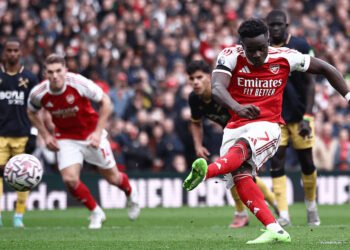 Arsenal Edge Past West Ham Amid Injury Concerns
 Chaos at Ibrox as Martin’s Rangers Era Comes to an End
 Arsenal Showcase Depth and Flexibility as Arteta Eyes Title Challenge
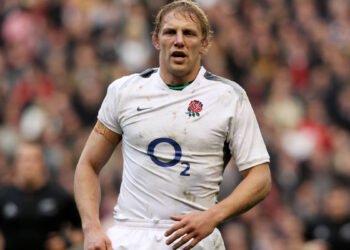 Questions Remain as Rugby Legend Lewis Moody Faces Motor Neurone Disease Diagnosis
 Public Trust in SNP Hits Historic Low Amid NHS Concerns
 Cooper Unveils £4m Cyber Plan Against Russian Hackers
 Johnson Suggests Mandelson Linked to China Spy Controversy
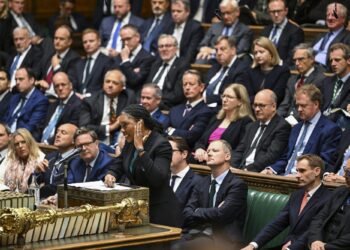 Witness statements reveal the CPS China spy row collapse in the UK
 China warns UK over delayed London mega embassy decision
 Rachel Reeves signals welfare reform ahead of key budget
 Fulham vs Arsenal Trossard Strike Sends Gunners Three Points Clear
 Kosovo agrees to host Britain’s refused asylum seekers
 Gibbs-White Inspires Forest to Thrilling Win Over Porto
 Manchester United triumph as Mbeumo brace seals thrilling win
 British Woman in Iran ‘Losing Hope’ Amid Ongoing Detention
 Johnson Approved China’s London ‘Super-Embassy’ in 2018
 BBC Journalist Held and Interrogated in Vietnam
 Salah & Gravenberch Lead Liverpool to Win Against Villa
 Granit Xhaka Rescue Earns Everton Draw at Sunderland
 Top Christmas Books Reads: Classics to Cozy Romcoms
 Just Stop Oil Protesters Convicted Amid Climate Defence Row
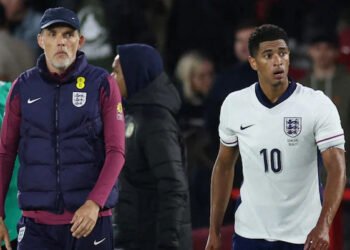 Bellingham has ‘the edge’ among England No 10s
Man City Masterclass on Guardiola’s Milestone Day Exposes Liverpool Woes
Bellingham has ‘the edge’ among England No 10s
Man City Masterclass on Guardiola’s Milestone Day Exposes Liverpool Woes
 VAR Must Rein Its Neck In to Save Football’s Spirit
 Mary Earps’s Manchester United Return Faces Mixed Reception
 Sam Kerr Stars in Chelsea Return with Champions League Double
 Former Lion Heskey Warns of Shortage of England Strikers
 Haiti Qualifies for World Cup Despite Coach Never Visiting Country
 Moyes Defends Gueye After Dramatic Everton Bust-Up
 Mbappe Scores 4 as Real Madrid Edge Olympiakos