Published: 16 October 2025.The English Chronicle Desk . The English Chronicle Online
A major political and legal storm has erupted in the United Kingdom after the collapse of a high-profile espionage trial involving two British citizens accused of spying for China. Revelations from newly released witness statements by Deputy National Security Adviser Matthew Collins have reignited concerns about Beijing’s extensive intelligence operations within the UK and the government’s handling of national security threats.
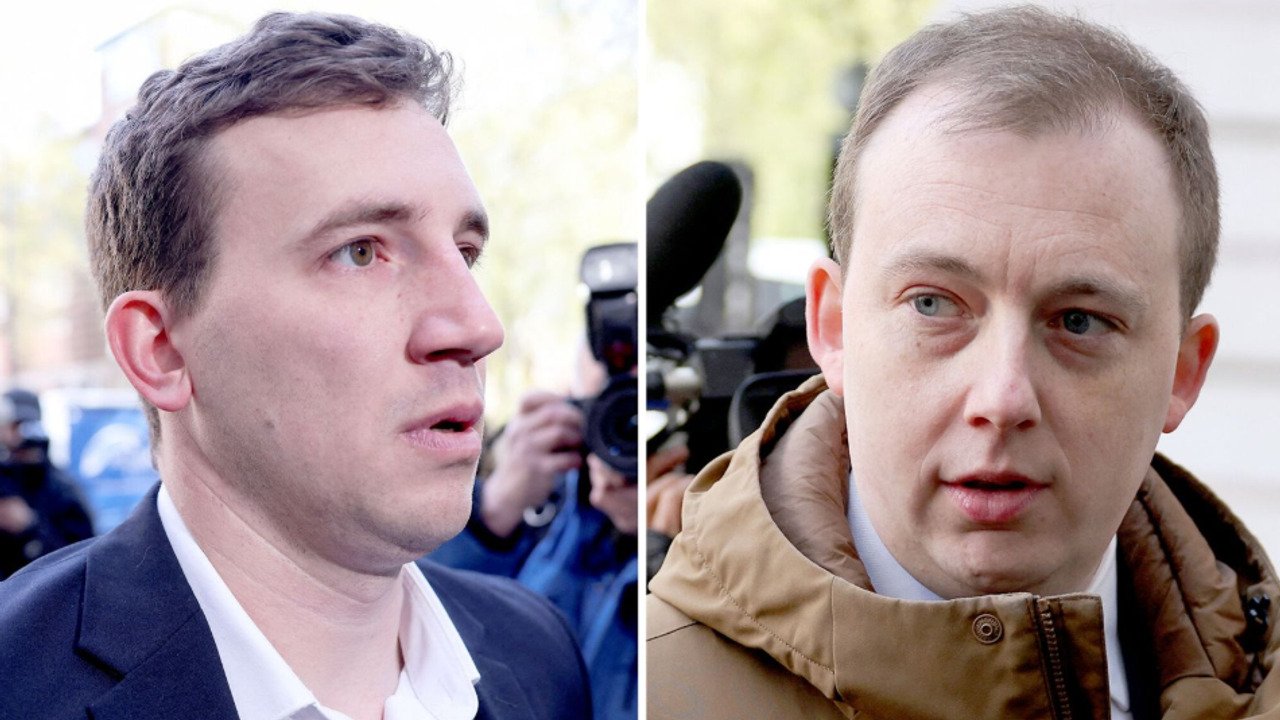
The controversy began when the Crown Prosecution Service (CPS) dropped charges against Christopher Cash, 30, a former parliamentary researcher, and Christopher Berry, 33, an academic, who had been accused of collaborating with a senior Chinese Communist Party official closely linked to President Xi Jinping. The prosecution’s decision came after the CPS concluded that the available evidence did not meet the threshold to prove China was officially considered a national security threat at the time of the alleged offences.

However, Collins’s witness statements, now published under orders from the Prime Minister, paint a starkly different picture. In his testimony, Collins warned that China was engaged in “large-scale espionage” operations against the UK and described Beijing as “the biggest state-based threat to the country’s economic security.” These revelations have triggered widespread criticism of both the government and the CPS, with questions raised about whether political considerations influenced the collapse of the case.
A parliamentary inquiry has been announced by Labour MP Matt Western, chairman of the Joint Committee on the National Security Strategy, to investigate the reasons behind the CPS decision. Cabinet Office Minister Chris Ward has pledged full transparency, promising that ministers and civil servants will cooperate with the inquiry.
Opposition lawmakers have accused the government of allowing the case to fall apart to preserve economic relations with China. Conservative MPs, in particular, argue that sufficient evidence existed to bring the case before a jury, and have questioned whether Labour’s current leadership exerted indirect pressure to avoid a diplomatic fallout. The government, however, has rejected these claims, pointing the finger at the previous Conservative administration, which was in power when the initial evidence was gathered, for procedural shortcomings that ultimately undermined the case.
Stephen Parkinson, the head of the CPS, has also come under intense scrutiny. During a closed-door meeting with senior MPs, he reportedly admitted that the evidence was “5% short” of what was needed to secure a conviction. This technical gap, however, has not stopped political figures and legal experts from demanding a full accounting of why the prosecution was halted, especially given the growing recognition of Chinese espionage threats.
The case against Cash and Berry began in 2024 under the Official Secrets Act. Both were accused of gathering and transmitting information that could harm the safety and interests of the British state between December 2021 and February 2023. Messages exchanged between them reportedly included one in which Cash told Berry, “You’re in spy territory now.” Both men have maintained their innocence. Cash stated that he was “placed in an impossible situation” and condemned the “trial by media,” claiming that crucial contextual evidence never made it to public scrutiny because the trial was abandoned.
Meanwhile, China has strongly denied any involvement. A spokesperson for the Chinese Foreign Ministry, Lin Jian, dismissed the espionage allegations as “baseless,” saying that Beijing “firmly opposes the fabrication of China spy narratives and the vilification of China.”
Three witness statements from Collins—dated December 2023, February 2025, and August 2025—offer a timeline of evolving intelligence assessments on China’s activities. The earlier statement, written under the Conservative government, directly identified Chinese espionage as a clear and growing danger. The subsequent statements, written after Labour took office, maintained that China posed serious risks to the UK’s economic resilience but emphasized the need for a “positive economic relationship.”

This shift in tone has drawn fire from Conservative MP Alicia Kearns, who alleged that language from Collins’s latest statement mirrored Labour’s 2024 election manifesto, which pledged to “co-operate where we can, compete where we need to, and challenge where we must.” Kearns described this resemblance as “a direct lift,” suggesting potential political influence over official security assessments.
Government insiders, however, insist that Collins’s statements were consistent with evolving intelligence assessments rather than political directives. They argue that Collins believed his August testimony was sufficient to meet the CPS’s evidentiary standards and that ambiguity over the legal threshold for defining a foreign threat contributed to the case’s demise.
Labour minister Stephen Kinnock has rejected Conservative accusations of political interference, asserting that the CPS made its decision independently and based on legal criteria rather than political pressure. Speaking to Times Radio, he said, “The Deputy National Security Adviser’s role is to provide context for our economic and diplomatic relationship with China, not to determine whether prosecution thresholds are met.”
Nevertheless, the fallout from the failed trial has shaken public confidence in the government’s ability to protect the country from foreign espionage. Calls for a full statutory public inquiry are mounting, with Liberal Democrat foreign affairs spokesperson Calum Miller declaring that “the witness statements raise yet more unanswered questions” and that “the public deserves to know how such a serious case could collapse.”
As MPs and intelligence experts pore over the released documents, the issue has become emblematic of the UK’s broader struggle to balance national security imperatives with economic engagement in an increasingly complex global environment. The revelations have not only exposed tensions between intelligence agencies, prosecutors, and politicians but have also reignited a national debate about the true scale of China’s covert influence in Britain’s political and economic life.

For now, the failed prosecution stands as a cautionary tale—one that underscores the difficulty of proving espionage in an era when global alliances, economic dependencies, and political sensitivities increasingly overlap. Whether the upcoming inquiry can restore public trust in Britain’s national security apparatus remains to be seen.
Related News:
 UK Must Act with Courage and Clarity on Israel-Palestine Conflict, Says Foreign Affairs Committee Report
 The Ketamine Crisis in the UK is a Silent Epidemic Leaving Users with Lifelong Pain
 London Set to Honour Euro 2025 Champions as Lionesses Take Victory Parade Through the Capital
 Targeted Attack in Bury Sparks Murder Investigation as Community Awaits Justice
 Princess of Wales Launches Animated Video Series to Support Early Childhood Development
 Heartbreak in the New Forest as Shetland Ponies Vanish, Community on Edge
 Radioactive Leak at UK’s Nuclear Warhead Base Sparks Outcry Over Safety and Secrecy
 Fire Contained at Edinburgh’s Arthur’s Seat After Overnight Battle by Firefighters
 Premier League Supercomputer Predicts Tough Season for Man Utd Amid Three-Team Title Battle
 Mystery Wallaby Spotted on Norfolk-Suffolk Border Sparks Police Appeal
 UK Weather: Heat Alerts Extended as Temperatures Set to Reach 30°C This Weekend
 Terence Stamp, ’60s British Film Legend and Star of Superman, Dies at 87
 Merseyside Police Helicopter Crew Cleared After Low-Altitude Pursuit of Suspect
 Is the UK Ready to Put Boots on the Ground in Ukraine? Assessing Military Capacity and Challenges
 Education Leaders Call for End to Compulsory GCSE Resits in English and Maths
 Police Scotland Spends £500,000 Compensating Officers Over Trump Visit
 Thousands of New School Nursery Places to Be Rolled Out Across England
 Urgent Action Needed on Windrush Compensation as Survivors Speak of “Waiting to Die”
 Tanni Grey-Thompson Faces Abuse Over Opposition to Assisted Dying Bill
 Rising Food Bank Dependence Highlights Deepening Hardship Across the UK
 Birmingham Bin Strike Enters Sixth Month as Negotiations Stall
 TfL Invites RMT to Resume Talks as London Tube Strikes End
 Over 40% of Private Renters Forced to Ration Energy to Afford Bills, Study Reveals
 Systemic Racism in Maternity Care Continues to Endanger Black Women in England, MPs Warn
 One in Three GPs in England Do Not Work in NHS, Raising Concerns Over Access to Care
 Northern Ireland Faces Fears of Prolonged Race Riot “Permacrisis”
 Nigel Farage Unveils Controversial Immigration and Welfare Plans at Reform UK Press Conference
 Great Britain’s Energy Operator Commits to Strengthening Grid to Prevent Blackouts
 Scottish Teenager’s Petition on Single-Use Plastics Gains Parliamentary Support
 White Low-Income Pupils in England Show Lowest Levels of School Engagement, Study Finds
 Ed Miliband Warns UK Government on X, Citing Elon Musk as a “Dangerous Influence”
 No Evidence Found to Substantiate Alleged Rape in Oxfordshire Churchyard, Police Confirm
 Questions Remain as Rugby Legend Lewis Moody Faces Motor Neurone Disease Diagnosis
 UK House Price Growth Slows as Buyers Exercise Caution Ahead of Autumn Budget
 Kemi Badenoch Unveils ‘Golden Rule’ to Halve Spending Cuts for Deficit Reduction at Tory Conference
 Massive London Poundland Fire Engulfs High Street
 Sussexes Warn on Children’s Phone Use Echoing Princess of Wales
 UK Rules Out Troop Deployment to Monitor Gaza Ceasefire, Pledges Diplomatic and Financial Support
 Paedophile Singer Ian Watkins Dies After Prison Attack
 Prince Andrew told Epstein “we are in this together”
 Former Premier League Referee David Coote Pleads Guilty to Child Image Offence
 DNA Test Confirms Alleged Stalker Is Not Madeleine McCann
 UK border officers deployed to Balkans to tackle migrant smuggling
 Rachel Reeves signals welfare reform ahead of key budget
 Pizza Hut to shut 68 sites after collapsing into administration
 Reform UK candidate fined £19,000 after using AI-generated cases to challenge election
 Harry and Meghan join global AI leaders urging superintelligence ban
 One in 12 Secondary Pupils Sent to Isolation Weekly
 William Steps Up Over Prince Andrew Palace Response
 Manchester United triumph as Mbeumo brace seals thrilling win
 Hospice Cuts Raise Alarm Across England Amid Funding Crisis
 UK Woman Loses Child Benefit After Booking Flight She Never Took
 Green Party Surges Past Labour in Latest UK Poll
 Zarah Sultana Launches Party to Change Politics
 Mass Stabbing on Doncaster to London Train Leaves Ten Injured
 Children to Learn Local History in Major Curriculum Overhaul
 Granit Xhaka Rescue Earns Everton Draw at Sunderland
 Prince William Plants Trees with Brazil’s Nature Heroes
 Just Stop Oil Protesters Convicted Amid Climate Defence Row
 King Charles to Lead Nation in Remembrance Sunday Service
 How to get help when a child goes missing – call 999 urgently
 Starmer Faces Growing Dissent as Labour MPs Weigh Leadership Challenge
 Son Reveals UK Couple in Iran Resort to Hunger Strike for Help
 Valve Opens the Door for Android Games on Steam
 Peers Flood Assisted Dying Bill with 942 Amendments
 Former Lion Heskey Warns of Shortage of England Strikers
 Mother Watches in Horror as Teen Daughter Dies on Tracks
 ‘Traumatic Wait’: Northern Ireland Women Face Breast Cancer Delays
 Serial Rapist and Former Cop Found Guilty Again
 Most Tories Expect to Support a Farage-Led Government
 Bill Murray Terrified Wes Anderson but Became His Closest Collaborator
 Karen Carney Stuns on Blackpool Week, Deserves Strictly Final
 Fibromyalgia Patients Struggle as NHS Fails to Provide Care
 Virgin Media Fined £23.8m Over Telecare Safety Failures
 Christmas Code-Crackers: GCHQ Unveils Annual Festive Puzzle Card
 Online Child Sexual Abuse Soars 26% as Police Demand Tech Action
 Culture secretary to review Telegraph takeover by Daily Mail owner
 Reform Candidate Sparks Fury Over Loyalty Comments
 Prince George Helps Father at London Homelessness Charity
 Strangulation Charges Surge in England and Wales Amid Domestic Abuse Concerns