Published: 19 October 2025. The English Chronicle Desk. The English Chronicle Online.
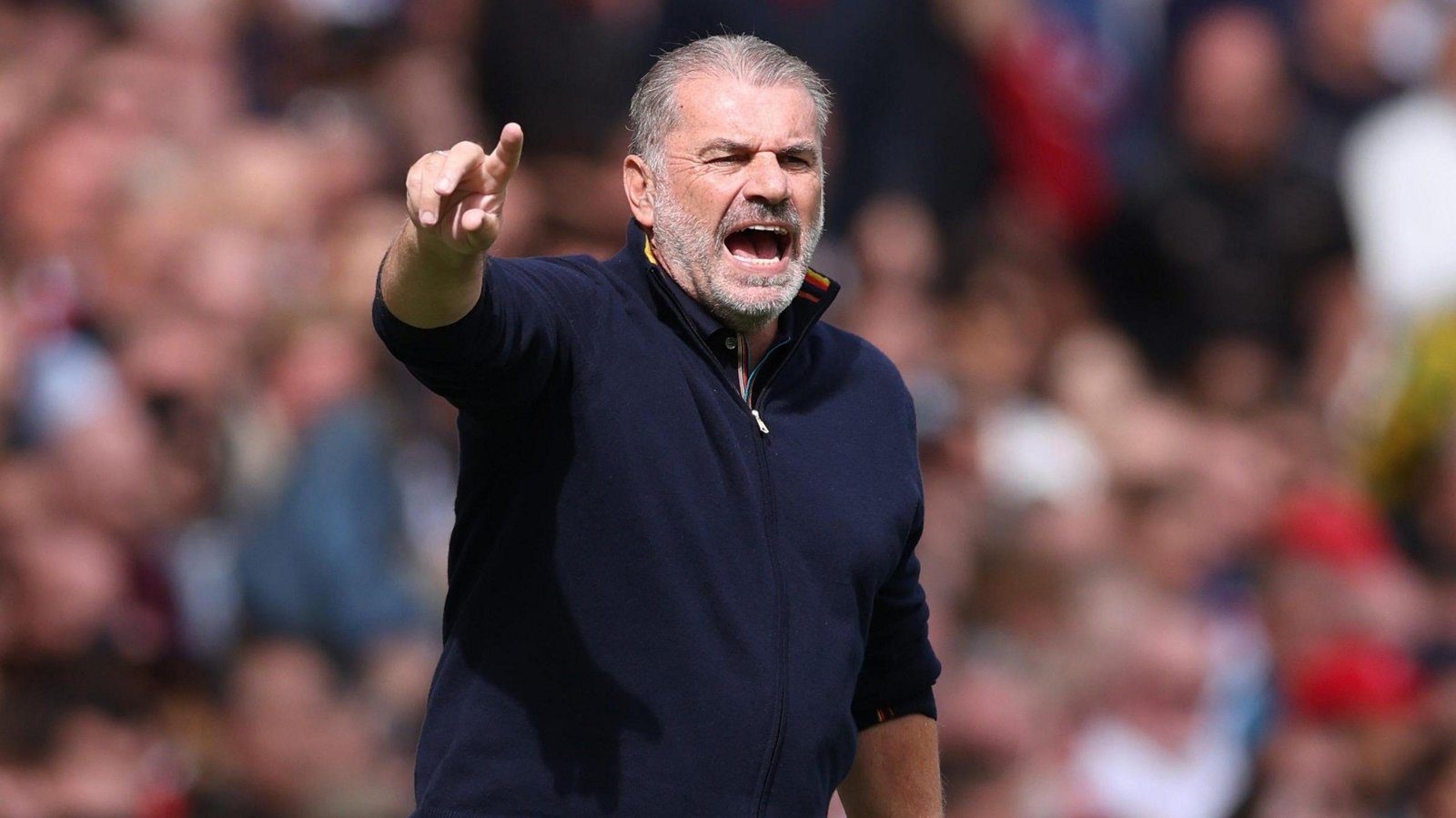
Ange Postecoglou’s tenure in the Premier League came to a swift and unceremonious end, leaving many to question whether this experienced coach, celebrated elsewhere in the football world, was simply out of his depth in England’s top flight. Chelsea fans, who had anticipated a morning announcement of his sacking, were proved wrong. Postecoglou was not dismissed immediately; instead, it came in the afternoon, a small posthumous victory for the coach even in defeat, and a testament to the notion that he has always viewed himself as the smartest person in the room—even when no longer in it at all.
The official account states that Postecoglou was fired 18 minutes after his final defeat at the City Ground. Observers, however, noted that the decision felt instantaneous, almost theatrical. Evangelos Marinakis, owner of Nottingham Forest, left his seat midway through the second half with a glare that seemed to signify judgment, and Postecoglou’s removal felt less like an announcement and more like live theatre: the abrupt exit of a man caught unprepared on the touchline. Watching him pause after the final whistle, hollow-eyed beneath the Trent End signage, one could not help but see a figure who had always projected himself as perceptive, now framed in a moment of touching naivety.

This is not to malign Postecoglou personally. Those who have worked with him describe a fundamentally good man, deeply committed to football, whose occasional awkwardness—especially in press conferences—masks a genuine respect for the game and its participants. Yet it was precisely that naivety, and an apparent misreading of the Premier League’s demands, that doomed him at Forest. The appointment itself was fraught from the start: replacing a popular, successful, and settled predecessor is never simple, and doing so at the close of an international break only intensified scrutiny.
From the outset, Postecoglou seemed to misunderstand the assignment. Rather than adapt to a strong, established squad, he spoke of rebuilding the project, implying a lengthy transformation when none was necessary. Forest had recently completed a brilliant season, and the new campaign was already underway. Suggesting a reconstruction at this stage was either a remarkable misjudgment, fatal inflexibility, or a clear indication that he was ill-suited to the role.
By the time of his dismissal, Postecoglou had been sacked twice in four months. In terms of Premier League history, his record in the final 50 games—winning just 13, losing 31, and achieving a 26% win ratio—places him among the least effective managers in recent memory, particularly given the quality of players at his disposal. Even when accounting for the occasional silver lining, such as a Europa League victory with Tottenham—a campaign largely expected given the resources at his disposal—Postecoglou struggled to translate prior success into sustainable performance in England.
The manner of his departure also reflected his broader miscalculations. Postecoglou often approached press interactions with a mixture of deflection and condescension, particularly toward younger journalists, which only amplified the perception of awkwardness. While such behaviour is understandable for someone operating under intense scrutiny, it reinforced the impression that he had yet to fully appreciate the pressures, pace, and ruthlessness of the Premier League.
His tactical approach, too, frequently failed to resonate. Unlike in Australia, Japan, or Greece—where he had previously thrived—Postecoglou’s systems in England were often rigid, failing to account for the unpredictable, high-intensity nature of the league. Matches that should have been comfortably navigated instead became exercises in struggle, and moments of promise were repeatedly squandered. Leading in consecutive games only to surrender results, or losing to set-piece situations that his team should have neutralised, became emblematic of his tenure.
The comedy and tragedy of Postecoglou’s Premier League experience intertwined. There was something almost farcical in his belief that steadfast adherence to principle could overcome structural weaknesses or the quality of opposition. Scenes of him defending decisions that had clearly failed, or attempting to lecture reporters mid-press conference, sometimes resembled a scripted sketch, a live-action demonstration of misjudged confidence. Yet beneath the awkwardness lay a professional who worked hard, prepared meticulously, and treated opponents with respect, even when the results were unfavourable.
Postecoglou’s misfortune serves as a cautionary tale. Success in one context does not guarantee immediate adaptation to another, particularly in an environment as relentless and unforgiving as the Premier League. The media scrutiny, the rapid tactical adjustments required week to week, and the high expectations of both owners and fans expose even the most talented coaches to unforgiving pressure. Postecoglou’s struggle was never solely about ability; it was about the gap between expectation and reality, between previous success and the unique challenges posed by England’s top flight.
Nottingham Forest, meanwhile, can breathe a sigh of relief. The club is well-positioned to recover, and Marinakis is likely to appoint a more pragmatic manager to stabilise the team. The squad itself retains quality and resilience, benefiting from both the legacy of prior leadership and the lessons learned during Postecoglou’s brief tenure. With the right direction, Forest can consolidate and maintain Premier League status without repeating the missteps of the past few months.
For Postecoglou, this episode will remain a significant chapter in an otherwise distinguished career. His work ethic, dedication, and personal qualities are unquestioned, but England’s top tier proved to be a crucible in which his usual methods faltered. The Premier League, with its relentless pace, uncompromising scrutiny, and fierce competition, exposed the gaps in experience and adaptability. His tenure will be remembered less for victories and more for the cautionary lessons it provides: success in football is context-dependent, and even the brightest coaching mind can struggle in the wrong environment.

Ultimately, Postecoglou’s story in the Premier League is a reminder of the league’s brutal clarity. Here, every decision is magnified, every tactical nuance examined, and every managerial misstep can be terminal. For all his previous achievements, Ange Postecoglou encountered a system that respects neither reputation nor prior success, only results. His misadventures at Forest reflect the unforgiving nature of the league and serve as a study in the perils of naivety at the highest level.
As he moves forward, Postecoglou’s experiences in England may serve as both a humbling lesson and a foundation for future growth. He has faced the harshest of tests, and while his record in the Premier League will be remembered as disappointing, it is also a testament to the relentless standards that define one of the world’s most competitive football competitions. The league demands adaptability, resilience, and acute awareness, and while Ange faltered in these areas, his broader career suggests he is capable of learning, evolving, and applying these lessons elsewhere.
Related News:
 Aston Villa Under Pressure as Newcastle Take on Hosts in Premier League Opener
 Tottenham Make Three Changes as Spurs Prepare to Host Burnley in Premier League Opener
 Manchester City Announce Their Return in Style with Haaland Double and Debut Goals at Wolves
 Man City 2-0 Napoli: Haaland Reaches 50 Champions League Goals After Red Card Turns Tide
 Rashford’s Brilliance Stuns Newcastle as Barcelona Claim Champions League Victory
 Liverpool Edge Past Southampton in Dramatic Carabao Cup Clash
Manchester City Dominate Burnley 5-1 as Haaland’s Brace Secures Vital Win
Liverpool Edge Past Southampton in Dramatic Carabao Cup Clash
Manchester City Dominate Burnley 5-1 as Haaland’s Brace Secures Vital Win
 Aston Villa Fight Back to End Winless Run with Convincing Victory over Fulham
 Manchester United Stand Firm Behind Ruben Amorim After Sunderland Win
 Arsenal Edge Past West Ham Amid Injury Concerns
 Champions League defeat leaves Arsenal Women’s
 Barnes Inspires Newcastle to Champions League Triumph Over Benfica
City shine with PlayStation-style football to overwhelm Villarreal
Barnes Inspires Newcastle to Champions League Triumph Over Benfica
City shine with PlayStation-style football to overwhelm Villarreal
 Gibbs-White Inspires Forest to Thrilling Win Over Porto
 Go Ahead Eagles Shock Aston Villa as Buendía Misses Late Penalty
 Manchester United triumph as Mbeumo brace seals thrilling win
 Fabio Wardley stuns Joseph Parker to earn Usyk title shot
 Dyche Criticises Corner Decision as Forest Draw with United
 Caicedo Shines as Chelsea Edge Spurs in Chaotic Derby
 Mary Earps’s Manchester United Return Faces Mixed Reception
 Sam Kerr Stars in Chelsea Return with Champions League Double
 This kid is something else: Alex Scott’s rise to England call-up
 Former Lion Heskey Warns of Shortage of England Strikers
 Rookie Driver Hollie McRae Flips Car but Walks Away Safe
 Predicted Leicester Line-ups Reflect Cifuentes’ Tactical Plans Ahead of New Season
 Central London Gears Up for Lionesses’ Victory Parade as Thousands Prepare to Celebrate Historic Women’s Euros Win
 London Set to Honour Euro 2025 Champions as Lionesses Take Victory Parade Through the Capital
 Rangers Boss Russell Martin Launches Blistering Critique After Disappointing Draw with Motherwell
 Minute’s Silence for Diogo Jota Abruptly Ended After Wembley Tribute Disrupted
 Premier League Supercomputer Predicts Tough Season for Man Utd Amid Three-Team Title Battle
 Mystery Wallaby Spotted on Norfolk-Suffolk Border Sparks Police Appeal
 Manchester Airport Faces Delays After EasyJet Planes’ Wings ‘Clip’ on Runway
 UK Weather: Heat Alerts Extended as Temperatures Set to Reach 30°C This Weekend
 Access to Iconic Cornish Beach Cut Off by National Trust Amid Safety Concerns
 Where Is Prince William and Kate Middleton’s New House? Inside the Historic Lodge Set to Become Their ‘Forever Home’
 FIFA Eyes Biennial Club World Cup from 2029, Plans Possible Expansion
 Grimsby Stun Manchester United in Dramatic Penalty Shootout
 Guardiola Admits City ‘Forgot to Play’ After Shock Defeat to Brighton
 India Triumph in Dubai Amid Unexpected Twists
 Liverpool Vs outhampton Set for Carabao Cup Clash at Anfield
 Arsenal VS Newcastle Hearts with Dramatic Late Turnaround at St James’ Park
 Everton Held by West Ham as Bowen Cancels Out Keane’s Header in Nuno’s First Game
Monaco Hold Man City to Dramatic 2-2 Draw as Eric Dier Converts Late Penalty
Everton Held by West Ham as Bowen Cancels Out Keane’s Header in Nuno’s First Game
Monaco Hold Man City to Dramatic 2-2 Draw as Eric Dier Converts Late Penalty
 Bournemouth Stun Fulham with Dramatic Comeback in Premier League Thriller
 Chaos at Ibrox as Martin’s Rangers Era Comes to an End
 Arsenal Showcase Depth and Flexibility as Arteta Eyes Title Challenge
 Questions Remain as Rugby Legend Lewis Moody Faces Motor Neurone Disease Diagnosis
 Women Challenge Meta Over Targeted Ads After Miscarriage
 Former Premier League Referee David Coote Pleads Guilty to Child Image Offence
 Prince Andrew May Leave Royal Lodge for Frogmore Cottage
 Hospice Cuts Raise Alarm Across England Amid Funding Crisis
 Sarr Double Sinks Young Liverpool in Carabao Cup
 Zarah Sultana Launches Party to Change Politics
 Ex-Army Sergeant Jailed for Assault on Soldier Who Later Died
 Salah & Gravenberch Lead Liverpool to Win Against Villa
 Granit Xhaka Rescue Earns Everton Draw at Sunderland
 Burn and Joelinton Head Newcastle to Victory Over Bilbao
 Tension and Turmoil at Aston Villa v Maccabi Match
 Bellingham has ‘the edge’ among England No 10s
Man City Masterclass on Guardiola’s Milestone Day Exposes Liverpool Woes
Bellingham has ‘the edge’ among England No 10s
Man City Masterclass on Guardiola’s Milestone Day Exposes Liverpool Woes
 Lando Norris Dominates Brazil GP to Strengthen F1 Title Bid
 VAR Must Rein Its Neck In to Save Football’s Spirit
 Trescothick Hints Pope Will Keep Number Three Spot
 Son Reveals UK Couple in Iran Resort to Hunger Strike for Help
 Pressure Mounts on Starmer to Sack Chief of Staff Over Briefing Row
 Mother Watches in Horror as Teen Daughter Dies on Tracks
 Commuters warned as yellow snow and ice alert hits Northern Ireland
 Haiti Qualifies for World Cup Despite Coach Never Visiting Country
 Rama Rebukes Mahmood for Targeting Albanian Families
 Serial Rapist and Former Cop Found Guilty Again
 Moyes Defends Gueye After Dramatic Everton Bust-Up
 Millions Face Higher Taxes Under Reeves New Budget
 Peers Get Extra Time to Debate Assisted Dying Bill
 Mbappe Scores 4 as Real Madrid Edge Olympiakos
 Man City Lose, Champions League Risk
 Machynlleth High Street Left Without Christmas Lights
 Jac Morgan to Miss Six Nations Start After Surgery
 Search underway for British man overboard off Tenerife
 Barcelona, Atletico set for decisive La Liga showdown
 Maxwell withdraws from IPL 2026 after 13 seasons