Published: 28 October 2025. The English Chronicle Desk. The English Chronicle Online.
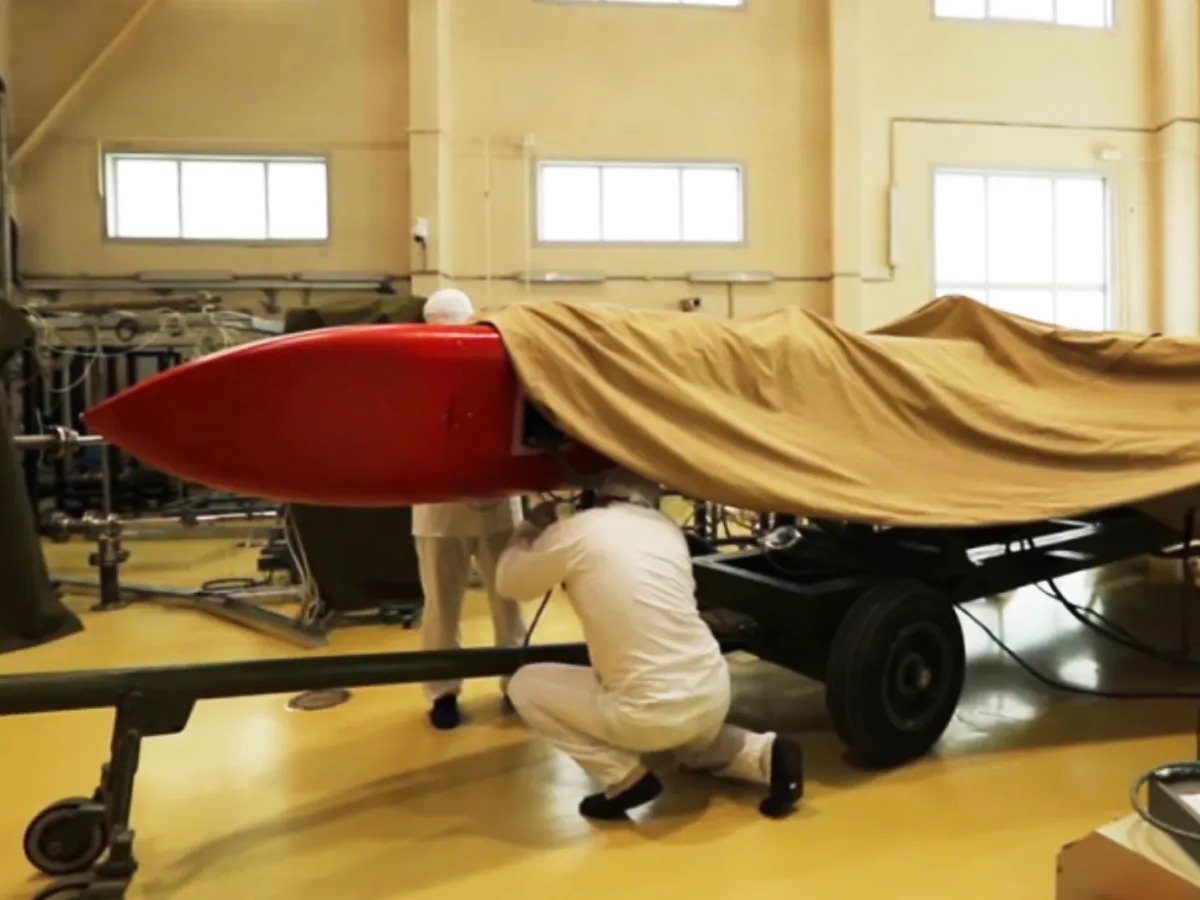
Experts have expressed growing concern over Russia’s Burevestnik missile, describing it as a weapon that could disrupt international arms control frameworks and exacerbate global tensions. “This is a bad development,” Mr Lewis told The New York Times. “It is one more science fiction weapon that is going to be destabilising and hard to address in arms control.”
Despite Moscow’s claims of the missile’s strategic potential, many analysts question its effectiveness on the battlefield. Due to technical complexities and multiple reported test failures, the Burevestnik is widely considered more of a psychological threat than a practical military asset. Its primary significance may lie in how it influences global perceptions of Russian military capability, as well as Moscow’s leverage in future nuclear arms negotiations.

Dr. Sidharth Kaushal, senior research fellow at the Royal United Services Institute in London, described the missile as highly experimental and prone to failure. “As demonstrated by several test failures, it is a very complex and thus error-prone means of delivering a nuclear payload,” he said. These limitations underline the challenges of deploying such an advanced system in a real conflict, where reliability is critical.
Despite these uncertainties, the missile may serve as a bargaining chip for Russia in upcoming arms control discussions. The New Start treaty, which currently limits the number of deployed nuclear warheads, is set to expire in February next year. Experts suggest that Moscow could use the Burevestnik as leverage in negotiations, demonstrating technological capability while potentially strengthening its position in discussions over treaty renewal or revision.
The missile’s development has already come at a tragic human cost. Five scientists who worked on the project were killed during testing incidents. In a symbolic gesture, President Vladimir Putin awarded medals to their families, underscoring the perceived importance of the program to the Kremlin. These fatalities serve as a reminder of the risks involved in working with experimental nuclear technologies, even outside the context of war.
While the Burevestnik has not been deployed in combat, its potential consequences are significant. Should it ever be used, analysts warn that Russian casualties could rise, and the geopolitical risks associated with nuclear weapons deployment would intensify dramatically. Even if it remains untested in warfare, the missile represents a form of nuclear brinkmanship, with psychological and strategic implications that extend far beyond its immediate capabilities.
The emergence of such weapons has reignited debate over arms control and global security. Experts caution that new, unconventional technologies can undermine existing frameworks, complicating monitoring and enforcement of international treaties. The missile’s unpredictable nature and the secrecy surrounding its development raise questions about transparency, compliance, and the effectiveness of current verification mechanisms.
Analysts have also highlighted the symbolic role of the Burevestnik. By publicly testing and showcasing the missile, Moscow signals to both domestic and international audiences that it possesses advanced, potentially game-changing military technologies. This demonstration may serve as a deterrent or as leverage in diplomatic negotiations, even if the weapon’s operational utility remains limited.
Moreover, the Burevestnik illustrates the technological arms race underway in nuclear-capable states. Its development involves complex engineering challenges, including propulsion, guidance, and nuclear payload delivery systems. Each test represents a high-stakes attempt to validate these capabilities, but repeated failures indicate the inherent difficulty of creating reliable, next-generation nuclear weapons. The missile’s existence reflects broader trends in modern military strategy, where technological prestige can influence geopolitical leverage as much as actual combat performance.
International reactions to the Burevestnik have been cautious but critical. Policymakers and security experts emphasise the need for renewed dialogue and transparency in nuclear arms discussions. Countries around the world are concerned that the deployment of experimental weapons could destabilise the delicate balance maintained by existing treaties and provoke an arms buildup or escalation in tensions.

Dr. Kaushal emphasised that the Burevestnik’s operational limitations do not diminish its strategic impact. “It may be viewed as a bargaining chip,” he said, with Moscow potentially hoping to incorporate the missile into broader discussions on arms control, including future treaty negotiations and global nuclear policy. In essence, the missile’s psychological and diplomatic significance could outweigh its actual battlefield effectiveness.
In conclusion, while the Burevestnik remains technically unproven and prone to error, its broader implications for global security are substantial. The missile underscores the challenges faced by policymakers in managing nuclear competition, balancing technological advancement with safety, and maintaining effective arms control mechanisms. Even without deployment in conflict, the weapon represents a new dimension in nuclear strategy: one where perception, leverage, and deterrence play as critical a role as operational capability.
As the world watches closely, the Burevestnik serves as a reminder of the evolving complexity of modern nuclear weapons development. The fatalities among its developers, repeated test failures, and potential for strategic leverage illustrate the high stakes involved in next-generation nuclear programs. For now, it remains a symbol of both innovation and risk, highlighting the urgent need for careful monitoring, international dialogue, and robust arms control frameworks.
Related News:
 UK Fighter Jet Purchase Could Breach Nuclear Treaty, Warns CND
 Google at 27: The Untold Story of Ruth Kedar, the Woman Behind the Iconic Logo
 Russia repeatedly targets UK military satellites, warns Space Command chief
 Britain deploys RAF specialists to assist Belgium with drone threats
 Night after night, Belgium is on high alert.
 Ukraine to Get 100 French Rafale Jets in Historic Deal
 Kinnock’s Rebuke Echoes Loudly as Corbyn Allies Launch Left-Wing Breakaway: “A Gift to Farage”
 UK and Norway Forge Stronger Ties Through Joint Sanctions and Enhanced Defence Cooperation
 Trump Administration Dismisses 17 Immigration Judges, Sparking Debate Over Judicial Independence
 Lammy Condemns Israel’s Targeting of Starving Palestinians: Sanctions Threatened Amid Global Outrage
 Modi’s London Visit Seals Historic UK-India Trade Pact Amid Global Tensions
 UK Must Act with Courage and Clarity on Israel-Palestine Conflict, Says Foreign Affairs Committee Report
 Philippine Supreme Court Halts Impeachment of Sara Duterte, Fuelling 2028 Election Speculation
 New Missile, New Balance: US Precision Strike Weapons Redefine Taiwan’s Defence Horizon
 Trump Threatens 100% Tariff on Nations Importing Russian Oil Amid India Standoff Over Ukraine War
 MPs Call on UK Government to Delay Biometric Visa Checks for Gaza Students Amid Humanitarian Crisis
 Netanyahu Announces Plan to Take Over Gaza City, Escalating Conflict Further
 Radioactive Leak at UK’s Nuclear Warhead Base Sparks Outcry Over Safety and Secrecy
 Lammy and Vance Meet in Britain to Advance US-Brokered Ukraine Peace Talks
 Mutual Inconvenience: Why Alaska Was Chosen for the Trump-Putin Summit on Ukraine
 Prominent Al Jazeera Journalist Anas al-Sharif Among Five Reporters Killed in Israeli Airstrike on Gaza
 Hong Kong Summons UK and Australian Envoys Following Asylum Grants to Democracy Activists
 Is the UK Ready to Put Boots on the Ground in Ukraine? Assessing Military Capacity and Challenges
 Ukraine-Russia War Latest: Trump Suggests Putin Avoiding Zelensky Summit Due to ‘Personal Dislike’
 Protests Expected as Israeli Arms Firms Join Global Defence Trade Fair in London
 Trump Appears Sidelined as Israel’s Unprecedented Strikes Hit Qatar
 Merck Abandons £1bn London Research Hub and Cuts 125 Jobs in Blow to UK Life Sciences
 Conservative Influencer Charlie Kirk Fatally Shot During University Debate
 UK Imposes 100 New Sanctions Targeting Russia’s Revenues and Military Supplies
 Big Pharma Investment Freeze Puts UK Life Sciences Sector Under Strain
 Thousands Gather in London to Protest Donald Trump’s Second UK State Visit
Trump Urges UK to “Call Out the Military” to Secure Borders Amid State Visit
Thousands Gather in London to Protest Donald Trump’s Second UK State Visit
Trump Urges UK to “Call Out the Military” to Secure Borders Amid State Visit
 British AI Startup Outshines Human Forecasters in Global Prediction Contest
 Channel Crossings Surge: Over 1,000 People Arrive in the UK in Small Boats in a Single Day
 Widow of Charlie Kirk Forgives Killer at Emotional Memorial Service
Trump’s UN Speech Criticises London and UK Policies, Draws Far-Right Attention
Widow of Charlie Kirk Forgives Killer at Emotional Memorial Service
Trump’s UN Speech Criticises London and UK Policies, Draws Far-Right Attention
 Denmark Investigates Professional Drone Incursions Across Multiple Airports, No Evidence of Russian Involvement
 Yvette Cooper Signals Global Momentum Towards Gaza Peace Deal Amid Humanitarian Crisis
 A Third of EU Citizens in UK Report Discrimination by Public Bodies Post-Brexit
 Jailed Georgian Opposition Leaders Warn UK of Iranian Links to Ruling Party
 Misinformation and Political Pressure Force Weston-super-Mare to Abandon Refugee Sanctuary Plan
 Public Trust in SNP Hits Historic Low Amid NHS Concerns
 Cooper Unveils £4m Cyber Plan Against Russian Hackers
 Yvette Cooper Backs Digital ID Plan for UK Teens
 Johnson Suggests Mandelson Linked to China Spy Controversy
 Witness statements reveal the CPS China spy row collapse in the UK
 Rachel Reeves signals welfare reform ahead of key budget
 Reform UK candidate fined £19,000 after using AI-generated cases to challenge election
 Kosovo agrees to host Britain’s refused asylum seekers
 Ireland Votes as Two Women Compete for Presidency
 Russia’s Latest Push to Win US Favors Shows Deep Desperation
 British Woman in Iran ‘Losing Hope’ Amid Ongoing Detention
 Johnson Approved China’s London ‘Super-Embassy’ in 2018
 BBC Journalist Held and Interrogated in Vietnam
 UK University Suspends Human Rights Research Following Pressure from China
 UK University Faces Counter-Terror Probe Over China Pressure
 Abigail Spanberger Elected Virginia’s First Female Governor
China-critical UK academics face ‘extremely heavy’ pressure from Beijing
Abigail Spanberger Elected Virginia’s First Female Governor
China-critical UK academics face ‘extremely heavy’ pressure from Beijing
 Ukraine-Russia war latest: Putin’s troops exploit bad weather to force Kyiv withdrawal from multiple towns
 Trump Claims Victory as Longest Shutdown Ends
 Hamas Fighters in Gaza Tunnels Stall Ceasefire Progress
 Valve Opens the Door for Android Games on Steam
 New review urges UK to repatriate Shamima Begum, others from Syria
 Hitler’s DNA Confirms He Truly Had Only One Testicle
 US Justice Department Files Lawsuit Against California Over Partisan Voting Maps
 Pokémon to open world’s first theme park in Japan next year
 Trump Deploys DHS to Charlotte in Major Arrest Operation
 From Baby Teeth to Bioengineering: The Future of Self-Healing Teeth
 Why Russian Liberals Push Strongly Pro-Israel Narratives
 Poll Reveals China Leads World in Trusting AI Technology
 Rama Rebukes Mahmood for Targeting Albanian Families
 Russian Vessel Used Lasers on RAF Pilots, UK Claims
 Pentagon Officials in Ukraine to Discuss War End
 Venezuela Threatens Nobel Winner Machado with Fugitive Status
 Texas Governor Faces Lawsuit From CAIR
 Trump Envoy to Discuss Ukraine Peace at Kremlin
 Pope Leo XIV Begins Historic Trip to Turkey and Lebanon
 India’s Labour Law Overhaul Sparks Fierce Debate
 Video shows Israeli troops kill Palestinians after surrender
 Chinese & Japanese Boats Clash Near Disputed Islands