Published: 31 October 2025. The English Chronicle Desk. The English Chronicle Online.
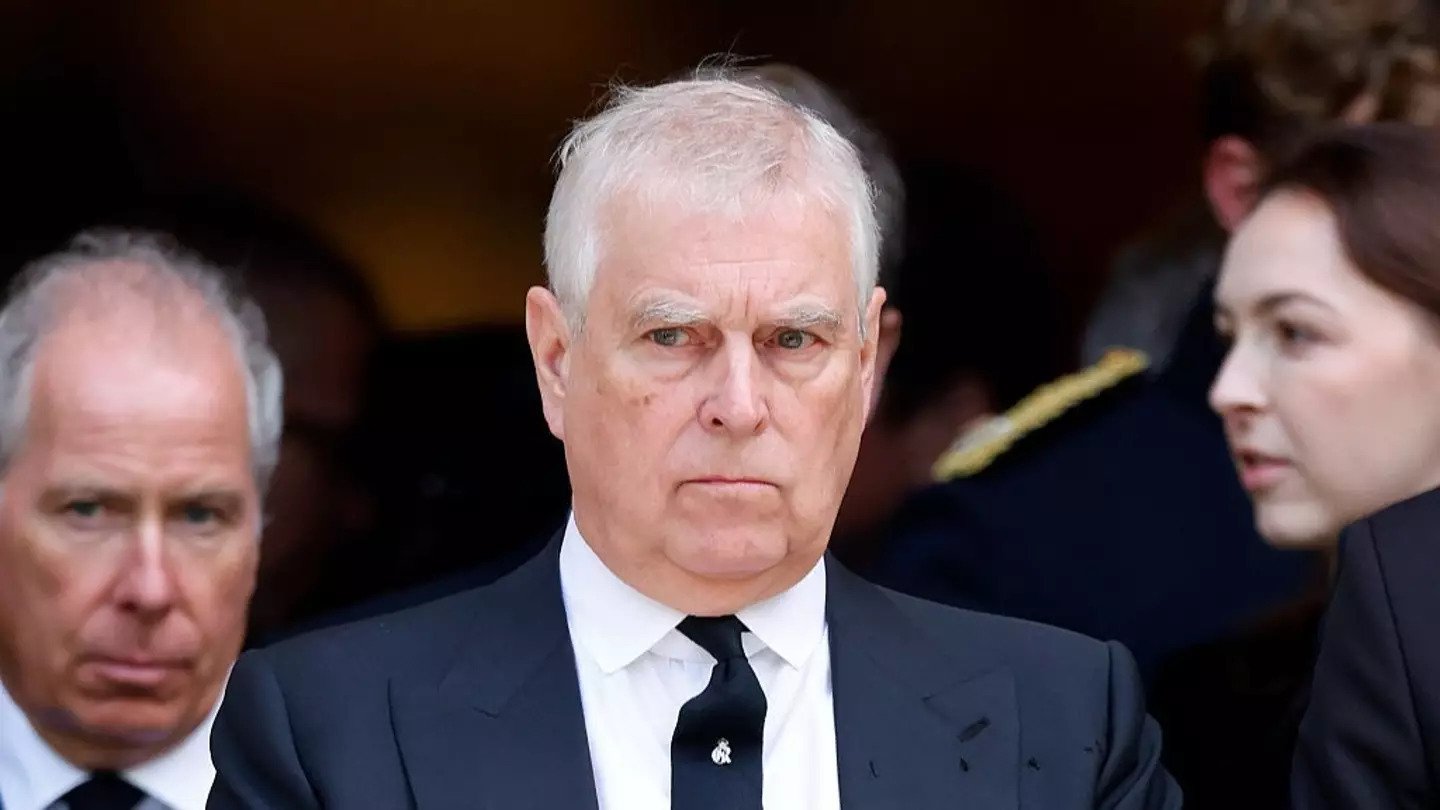
The family of the late Virginia Giuffre, the woman who accused Prince Andrew of sexual abuse, have welcomed the decision to strip the former royal of his title as a historic victory that they describe as “unprecedented in history.” For the family, the removal of Andrew’s title represents not only symbolic justice but a recognition of Giuffre’s courage and persistence in speaking out against one of the most powerful figures in the British monarchy.
Sky Roberts, Giuffre’s brother, spoke to BBC Newsnight through tears, describing the moment as a vindication for his sister. “This normal girl from a normal family has taken down a prince. We are so proud of her,” he said. Yet while the family celebrated, Roberts was clear that the move alone was insufficient. He emphasized the need for further investigation into Andrew, stating that he “needs to be behind bars,” underlining the continuing sense of injustice they feel despite this landmark decision. Andrew has consistently denied all allegations made against him.

Earlier this year, Giuffre tragically took her own life. The publication of her posthumous memoirs this month, which detailed her experiences, brought renewed scrutiny to the Royal Family and intensified questions surrounding Andrew’s long-standing association with convicted paedophile financier Jeffrey Epstein. Giuffre’s memoirs allege that Andrew had sexual relations with her multiple times while she was a teenager, asserting that he “believed that having sex with me was his birthright.” These claims, coupled with the settlement Andrew reached in 2022—which contained no admission of liability or apology—have left a lasting impact on public perception of the royal.
Buckingham Palace announced on Thursday that King Charles III had initiated a formal process to “remove the style, titles and honours” of Prince Andrew. Following the announcement, Andrew is now formally known as Andrew Mountbatten-Windsor. The move has been interpreted as a significant act by the monarchy to distance itself from controversy and reaffirm its public accountability, though it stops short of legal consequences.
Asked how Giuffre might have reacted to the decision, Sky Roberts said, “She is celebrating from the heavens now saying, ‘I did it.’ She’d be so proud. He’s just Andrew.” His sister-in-law, Amanda Roberts, echoed the sentiment, calling it a moment of triumph for all survivors of sexual abuse. “Everything she fought for was not in vain,” she said, recounting her own emotional response upon hearing the news at work.
Despite the family’s sense of victory, they remain adamant that justice is far from complete. Roberts stressed that an independent investigation into Andrew is necessary to fully address the allegations. “We have to have some sort of investigation that goes further into this,” he said. “He is still walking around a free man. He needs to be behind bars.”
Earlier this month, Andrew had voluntarily relinquished several royal titles, including the Duke of York, explaining that “we have concluded the continued accusations about me distract from the work of His Majesty and the Royal Family.” The recent decision to strip him of his title of ‘prince’ follows revelations from 2011 emails, which indicated that Andrew maintained contact with Epstein despite his prior denials.
Giuffre’s family has also highlighted the international dimension of the case, particularly regarding the United States, where there have been growing calls for the release of documents connected to Epstein. Partial records already show Andrew as a passenger on flights with Epstein, underscoring the wider reach of the allegations. “The US government hold the key to the larger scope of the Jeffrey Epstein case,” Roberts said. “The UK is setting an example for what the US should be doing right now. There are many more of them, I promise you.”

The stripping of Andrew’s royal title represents a rare and symbolic victory in a saga that has spanned more than a decade, drawing attention not only to individual accountability but to the broader challenges of addressing sexual abuse allegations against figures of immense social and political influence. While the decision offers a measure of recognition for Giuffre’s courage, her family and advocates maintain that systemic justice and transparency remain paramount.
For many observers, the case highlights the tension between traditional institutions and modern expectations of accountability, especially when issues of power, privilege, and abuse intersect. Giuffre’s memoirs and the subsequent royal response have sparked debate about how societies treat victims and confront allegations against the powerful, raising questions about how much further investigations should extend and how systemic changes can ensure that survivors are heard and justice is served.
As Prince Andrew’s public status changes and the Giuffre family’s call for continued scrutiny persists, this case continues to resonate far beyond the United Kingdom. It underscores not only the personal cost endured by survivors like Giuffre but also the broader implications for governance, accountability, and the rule of law in addressing abuse by high-profile figures.
Related News:
 Mother dies after black market weight loss injection
 Peterborough Mosques Tighten Security After Attack
 Nearly 48,000 Zombie Knives Removed from UK Streets in a Year
 Metal Detectors at Stations ‘Would Make Life Impossible,’ Says Minister
 Trump Speaks on Prince Andrew’s Royal Scandal Fallout
 Prince William Plants Trees with Brazil’s Nature Heroes
 Oprah enjoys Meghan’s jam on English muffins
 British Grandmother to Return Home After Death Sentence in Bali
 Jailed UK climate protesters face extremist-style restrictions
 Bar Council urges legal aid for all domestic abuse family cases
 Second world war veterans honoured as King leads Remembrance Sunday
 How to get help when a child goes missing – call 999 urgently
 ‘Reckless’ cuts to victims’ services will cost more than they save
 The Debate Over Princess Beatrice and Eugenie’s Royal Status Intensifies
 Judges to Decide Fate of Chief Constable Guilty of Contempt
 How age progression images help trace missing people
 Princess of Wales Hosts Festive Christmas Service at Abbey
 Mother Watches in Horror as Teen Daughter Dies on Tracks
 Podcaster Faces Abuse Charges Over Controlling Behaviour
 Sudanese Family Vows to Stay After Racist Graffiti
 Prince Harry Cleared of Bullying Allegations Amid Charity Dispute Fallout
 FBI and NSPCC Sound Alarm Over Alarming Surge in Child Sextortion Cases Online
 Alarming rise in abusive teen relationships in the UK sparks urgent warnings
 Akinwale Arobieke Found Dead at Liverpool Home
 Massive London Poundland Fire Engulfs High Street
 Sussexes Warn on Children’s Phone Use Echoing Princess of Wales
 Ambulance Worker Fired After Flinging Amputee from Wheelchair and Offering Bribe
 Prince Andrew May Leave Royal Lodge for Frogmore Cottage
 King Charles Heckled Over Prince Andrew-Epstein Links
 Prunella Scales: From Fawlty Towers Icon to Beloved Canal Explorer
 Hospice Cuts Raise Alarm Across England Amid Funding Crisis
 UK Woman Loses Child Benefit After Booking Flight She Never Took
 UK launches search for first-ever ‘town of culture’ to highlight overlooked areas
 Afghan man charged with murder after west London knife attack
 Mass Stabbing on Doncaster to London Train Leaves Ten Injured
 Children to Learn Local History in Major Curriculum Overhaul
 FBI Director Kash Patel Defends Girlfriend Amid Government Jet Claims
 Hollywood Is an Industry of Looney Tunes Pretending to Be Normal
 Experts Warn on Home Birth Risks, Call for Skilled Midwives
 Court Hears Challenge Over Water Bills Funding Sewage Fixes
 The Lowry Hotel: Manchester’s Iconic Five-Star Retreat
 Just Stop Oil Protesters Convicted Amid Climate Defence Row
 Greta Thunberg Backs Student Facing UK Visa Revocation
 Experts Urge Legal Right to Timely Cancer Care
 Earl of Yarmouth Faces £1.3m Legal Bill Over Family Estate
 Newcastle United Lifts Ban on Fan Over Gender-Critical Views
 Boris Johnson accused of undermining BBC leadership
 North Sea oil workers must lose weight or face job loss
 King Charles to Lead Nation in Remembrance Sunday Service
 Crisis charity to become landlord amid UK housing emergency
 Madeleine McCann Suspect Forced into Woodland Hideout After Release
 UK toy market enjoys bumper year as ‘kidults’ fuel demand
 Farage appointee to lead Reform youth accused of anti-British views
Palace to reinstate hyphen in Andrew’s surname
Farage appointee to lead Reform youth accused of anti-British views
Palace to reinstate hyphen in Andrew’s surname
 Politics latest: Starmer ‘will fight any leadership coup’ as Streeting denies attempt to oust Labour PM
 Leading doctors issue warning amid ‘bad’ flu season
 Son Reveals UK Couple in Iran Resort to Hunger Strike for Help
 South Korea’s Jeju Island Faces Rising Tide of Illicit Drugs
 ‘Fever Pitch’ Screaming: Red Flags Before Sara Sharif’s Death
 Princess Anne Takes the Controls in Airbus Flight Simulator
 UK Asylum Overhaul Sparks Debate Over Human Rights and Deportations
 UK Asylum Reforms: Temporary Refugee Status and Faster Deportations
 Mum Calls for New Licence Rules After Teen Road Death
 UK Candidate Moved to Safe House After Election Threats
 Paralegal Fired After Exposé on Illegal Worker Scam
 107-Year-Old Veteran Credits Whiskey for Longevity
 ‘Traumatic Wait’: Northern Ireland Women Face Breast Cancer Delays
 Commuters warned as yellow snow and ice alert hits Northern Ireland
 Serial Rapist and Former Cop Found Guilty Again
 Kate Forbes: Motherhood Harder Than Politics
 TikTok Star Jessie Yendle Mocked by KFC
 Coffins Now Too Large to Cremate Amid Rising Obesity Crisis
 Reeves to Crack Down on Benefit Fraud While Lifting Two-Child Limit
 Catherine urges end to stigma around addiction
 Labour MP claims devolution bill is ‘blatant discrimination’ against Cornwall
 Planned Palestinian Flag Raising at Belfast City Hall Faces Delay Amid Legal Concerns
 Fibromyalgia Patients Struggle as NHS Fails to Provide Care
 Machynlleth High Street Left Without Christmas Lights
 Search underway for British man overboard off Tenerife
 Virgin Media Fined £23.8m Over Telecare Safety Failures