Published: 02 November 2025. The English Chronicle Desk. The English Chronicle Online.
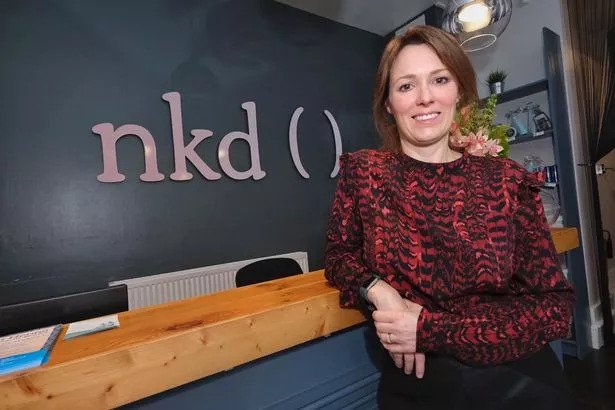
A small business owner from Nottinghamshire is preparing to take on global cosmetics giant L’Oréal in a tribunal next week, following a protracted trademark dispute that she says has caused severe personal and financial strain. Rebecca Dowdeswell, 49, has spent three years locked in legal wrangling with the £170 billion company over her use of the name nkd for her beauty business.
Dowdeswell claims that L’Oréal’s challenge, which asserts that her brand could cause “consumer confusion” with its Naked range of beauty products, has been unfair and disproportionate. “There has never been any evidence of consumer confusion,” she said ahead of the hearing. “We operate in very different sections of the beauty market. My business focuses solely on waxing and hair removal, while L’Oréal’s Naked products are mostly eyeshadow palettes and a few select makeup items. Our brand names are spelled and pronounced differently. I’ve always said ‘n-k-d,’ they say ‘naked.’”

The dispute has had tangible consequences for Dowdeswell. She was forced to close one of her two nkd salons and has accumulated legal fees exceeding £30,000 while facing a corporation with a formidable legal team from Baker McKenzie. “For a small business like mine, that sum is devastating,” she explained. “It has drained my time, energy, and focus, distracting me from growing my business and delivering for my clients.”
Dowdeswell launched her business in 2009, a full year before L’Oréal introduced its first Naked product in the UK. She noted that her trademark expired in 2019, and due to the disruptions caused by the Covid-19 pandemic, she inadvertently missed the six-month window for automatic renewal. By the time she attempted to renew the trademark in 2022, L’Oréal objected, reigniting the legal conflict.
“This is particularly frustrating because we had coexisted for over 12 years without issue,” Dowdeswell said. “A large company might not consider £30,000 a significant sum, but for a small business, it’s devastating. The ongoing battle has forced me to make difficult choices, including closing my original salon in Nottingham at the end of 2023, which was my largest and most profitable location.”
Earlier this week, Dowdeswell received partial relief when L’Oréal agreed to reduce the scope of its objection. This decision means that her remaining salon in Leicester will retain the nkd name, and she will be allowed to continue offering some beauty services and products under the brand. Despite this concession, both parties remain at an impasse over other trademark issues, leaving the tribunal as the next critical stage.
Dowdeswell expressed frustration at what she perceives as L’Oréal’s strategy. “This is a deliberate tactic to wear me down, drain my resources, and hope it never reaches a tribunal,” she said. “I just hope that the company is held accountable when we appear in front of the panel on Wednesday. The impact of this dispute goes far beyond finances; it affects my ability to focus, to innovate, and to provide for my clients.”
A L’Oréal spokesperson reiterated the company’s position: “Since 2022, L’Oréal’s stance has remained consistent. We have always been willing to collaborate with Ms Dowdeswell to support her business aspirations while respecting our longstanding trademark rights. The proceedings are ongoing, and we remain committed to resolving the matter in a mutually agreeable way.”
The case highlights the challenges small businesses face when competing against multinational corporations with extensive resources. Trademark law is designed to protect consumers and brands, but disputes like this often place disproportionate pressure on smaller operators. Legal experts note that while L’Oréal has a responsibility to defend its trademarks, prolonged legal action against a small company can have a chilling effect on entrepreneurship and innovation in the sector.
Intellectual property lawyers also point out that differences in product type and target market are key factors tribunals consider when assessing potential consumer confusion. In Dowdeswell’s case, the distinction between her nkd brand, which focuses on hair removal and associated products, and L’Oréal’s Naked makeup range is a central argument in her favour. “The fact that the two brands occupy separate niches in the beauty market significantly reduces any risk of confusion,” said an industry analyst who asked not to be named.
The dispute has also drawn attention to the human impact of trademark battles. For Dowdeswell, the fight has been exhausting and stressful. “It’s not just about money,” she said. “It’s about the emotional toll, the time I’ve lost, and the focus I’ve had to divert away from my business. Running a small company is already a challenge; dealing with a global corporation’s legal machinery makes it almost impossible to concentrate on growth.”
Despite the challenges, Dowdeswell remains determined to defend her brand. She emphasises that nkd represents years of personal investment, creativity, and client trust. “This brand is my livelihood. It’s my identity, and I’m not willing to let it be taken away without a fight,” she said. Her resolve reflects a broader narrative in the UK business community, where small operators frequently face uphill battles against established corporations over intellectual property rights.

As the tribunal approaches, the beauty industry and wider public are watching closely. The case raises questions about fairness, the balance of power in legal disputes, and the broader responsibilities of multinational corporations in respecting small businesses. It also highlights the critical role of intellectual property law in supporting innovation while ensuring that legal mechanisms are not misused to disadvantage smaller operators.
The outcome of this tribunal could have implications beyond Dowdeswell’s business. Legal experts suggest that a ruling in her favour may encourage other small businesses to challenge similar claims and defend their brands, while a ruling favouring L’Oréal could reinforce the perception that multinational companies can leverage their resources to dominate trademark disputes, regardless of the impact on smaller competitors.
For now, Dowdeswell is focused on preparing her case, reviewing evidence, and articulating the clear distinctions between her business and L’Oréal’s product lines. “I’m ready for next week,” she said. “I hope the tribunal recognises the fairness of my position and that small businesses like mine have the right to operate without undue interference from global corporations.”
Related News:
 Troubled drinks giant Diageo names former Tesco boss to lead turnaround push
 Rising Water Bills Lift Troubled Thames Back to Profit
 Shein UK Faces Allegations of Shifting Majority of Profits to Singapore to Reduce UK Tax
 Rachel Reeves Hosts Top UK and US Financial Executives as Trump’s State Visit Begins
 UK Inflation Holds Steady at 3.8% as Rising Fuel Costs Offset Falling Air Fares
 UK Borrowing Surges to £18bn in August, Exceeding Forecasts
 Richard Desmond Begins High Court Battle Over National Lottery Licence
 UK inflation update: New rate expected as Budget approaches
 Co-op Urged Staff to Promote Vapes After Cyber-Attack Hit Sales
 Rachel Reeves to lead UK trade push in Saudi Arabia amid rights debate
 Aston Martin cuts £300m investment as Trump tariffs and weak China demand hit profits.
 Court Hears Challenge Over Water Bills Funding Sewage Fixes
 Thinktanks Urge Rachel Reeves to Reform UK Tax System
 Gopichand Hinduja, UK’s Wealthiest Business Leader, Dies
 Tony Blair think tank warns Rachel Reeves must cut taxes if manifesto broken
MPs Press Rachel Reeves to Hike Gambling Taxes
Tony Blair think tank warns Rachel Reeves must cut taxes if manifesto broken
MPs Press Rachel Reeves to Hike Gambling Taxes
 Warning as Britons prepare to spend £4 billion this Black Friday
 Taylor Wimpey Sales Drop Amid Budget Uncertainty
 Global markets drop amid tech sell-off and China slowdown
 Eurotunnel Investment Halted as UK Rates Soar
 Mossmorran Plant Closure Hits Cowdenbeath Hard
 UK Energy Bills to Rise Slightly in January
 UK Government Borrowing Higher Than Expected
 Minister Denies Budget Leaks Have Harmed UK Economy
 Budget 2025: Reeves Drops Economic Growth Reference
 Expanded Version – Black Friday Shoppers Warned Over ‘Dud Deals’
 Black Friday Footfall Falls as UK Shoppers Hold Back Amid Economic Concerns
 Bank of England Poised to Cut Interest Rates Amid Rising Unemployment and Global Trade Pressures
 Non-Dom Tax Crackdown Risks Backfiring as Exodus Threatens UK Revenue and Investment
 UK Jobs Market Faces Strain as Employers Cut Bonuses and Hiring Amid Economic Slowdown
Inflation Latest: Cost of Living Expected to Rise Again in Key Figures Released Today
UK Jobs Market Faces Strain as Employers Cut Bonuses and Hiring Amid Economic Slowdown
Inflation Latest: Cost of Living Expected to Rise Again in Key Figures Released Today
 Energy Users Could Save £5bn Annually if Gas Power Plants Are Removed from Market
Retail Sales See Uptick Amid Errors and Delays as ONS Faces Scrutiny
Energy Users Could Save £5bn Annually if Gas Power Plants Are Removed from Market
Retail Sales See Uptick Amid Errors and Delays as ONS Faces Scrutiny
 UK House Prices Hit Record £299,331 as Market Shows Steady Growth
 UK Retail Sales Rise in August, but Tax Concerns Loom Over Festive Period
 Vodafone Faces Fourth Probe into Franchising Division Amid £120m Legal Battle
 John Lewis Partnership Posts £88m Loss as Costs and Restructuring Bite
 UK Economy Flatlines in July, Raising Pressure on Rachel Reeves Ahead of Autumn Budget
Business Rates Hike Could Threaten Hundreds of UK Retailers, Putting 100,000 Jobs at Risk
UK Economy Flatlines in July, Raising Pressure on Rachel Reeves Ahead of Autumn Budget
Business Rates Hike Could Threaten Hundreds of UK Retailers, Putting 100,000 Jobs at Risk
 UK Labour Market Shows Signs of Cooling as Wage Growth Slows and Redundancies Rise
 UK Wage Growth Remains High, But Cost of Living Pressures Bite
 Ben & Jerry’s Co-Founder Resigns, Accusing Unilever of Silencing Brand’s Social Mission
 Farage’s Reform UK Receives £100,000 from Design Firm with Past Tax Issues
Rachel Reeves Faces Criticism Over Appearance at Gambling Industry Event Amid Tax Review
Farage’s Reform UK Receives £100,000 from Design Firm with Past Tax Issues
Rachel Reeves Faces Criticism Over Appearance at Gambling Industry Event Amid Tax Review
 Dagenham Left in Limbo After Smithfield and Billingsgate Market Relocation Cancelled
 Vodafone Franchisees Sound Alarm: Mental Health Toll of Commission Cuts Revealed Years Before £120m Court Battle
 Public Skepticism Over AI Poses Challenge to UK’s Superpower Ambitions, Says Tony Blair Institute
 Gatwick Secures Approval for £2.2bn Second Runway Expansion
Resolution Foundation Urges Reeves to Rebalance Tax System with 2p NI Switch in Autumn Budget
Gatwick Secures Approval for £2.2bn Second Runway Expansion
Resolution Foundation Urges Reeves to Rebalance Tax System with 2p NI Switch in Autumn Budget
 GSK Chief Executive Emma Walmsley to Step Down After Eight Years at the Helm
 AstraZeneca to List on New York Stock Exchange While Retaining London Ties
 Retailers Warn Tax Rises Could Prolong Inflation as Shop Prices Climb
UK Housing Market Returns to Growth Amid Signs of Stability and Regional Variation
Retailers Warn Tax Rises Could Prolong Inflation as Shop Prices Climb
UK Housing Market Returns to Growth Amid Signs of Stability and Regional Variation
 Delivery Apps Could Double the Cost of Your Groceries, Warns Consumer Watchdog
 Jaguar Land Rover to Resume Production After Cyber-Attack, Launches Supplier Support Scheme
 Kemi Badenoch Unveils ‘Golden Rule’ to Halve Spending Cuts for Deficit Reduction at Tory Conference
 Gold Hits Historic $4,000 Amid Global Uncertainty
 UK GDP edges up 0.1% in August as Reeves faces budget pressure
 Rachel Reeves urged to consider welfare cuts to boost fiscal credibility
 Real living wage set to rise nearly 7% for UK workers in 2026
 Trump’s UK Ambassador Urges North Sea Drilling to Strengthen US Ties
 Ryanair Chief UK Economy ‘Doomed’ Under Labour
 Millions of Brits Adjust Lifestyle to Afford Essentials
Rachel Reeves Set to Break Labour Pledge and Raise Income Tax
Millions of Brits Adjust Lifestyle to Afford Essentials
Rachel Reeves Set to Break Labour Pledge and Raise Income Tax
 UPS Cargo Plane Crash in Kentucky Kills Seven
 M&S Profits More Than Halve After Cyber-Attack
 Labour Urged to Honour Tax Pledges Ahead of Budget
 Cuts to home insulation funding threaten UK climate goals
 US private equity set to acquire UK online retailer Very Group
 Millionaires group urge Reeves to introduce wealth tax to ‘lift kids out of poverty’
 Reeves’s Tax U-Turn Triggers Fresh Jitters in UK Markets
 PM Highlights UK Business at G20 in South Africa
 Netherlands Suspends Nexperia Takeover Amid China Talks
 Steel billionaire Lakshmi Mittal reportedly leaves UK
 Starmer Says Labour’s Economic Plan Needs Years to Deliver
 Prada buys Versace for $1.38bn, expanding luxury fashion empire
 China’s crackdown on civil servant perks sparks economic concerns
Reeves Faces Setback as Labour May Miss Homes Target
China’s crackdown on civil servant perks sparks economic concerns
Reeves Faces Setback as Labour May Miss Homes Target
 Virgin Trains Moves Closer to Challenging Eurostar Monopoly
 Virgin Media Fined £23.8m Over Telecare Safety Failures