Published: 17 November 2025 Monday. The English Chronicle Desk. The English Chronicle Online
A blast of cold Arctic air is poised to sweep across the United Kingdom this week, bringing a sharp drop in temperatures and the possibility of snow on higher ground as communities in Wales continue to clean up from devastating weekend floods. The arrival of the cold spell marks a dramatic shift from the exceptionally mild and unsettled weather that characterised early November, and forecasters warn that the coming days will bring a combination of wintry showers, brisk winds, and lingering disruption linked to the recent storm.
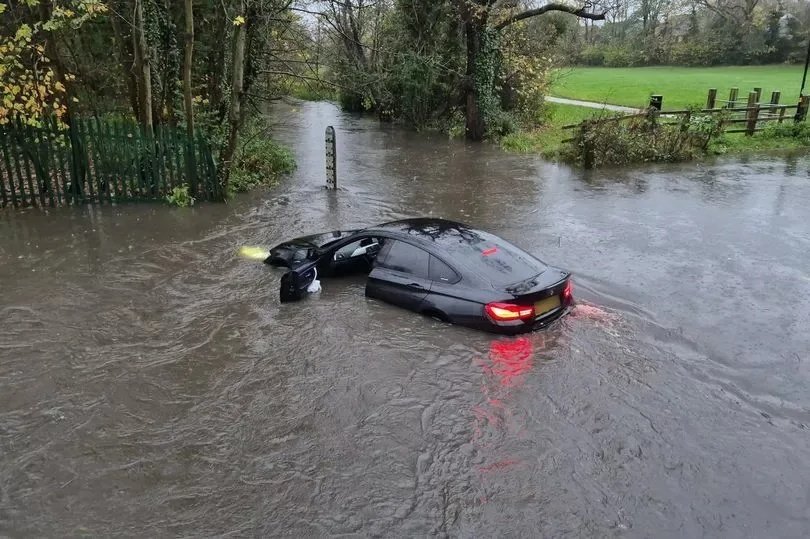
The cold snap comes in the immediate aftermath of Storm Claudia, which unleashed more than a month’s worth of rainfall in parts of England and Wales on Saturday and Sunday. Communities in Monmouth, in southeast Wales, were among the hardest hit as rivers burst their banks, homes and businesses flooded, and the transport network was thrown into chaos. While the storm has now moved away, its impact continues to be felt as residents attempt to salvage their homes, clear mud-filled rooms, and assess the scale of the damage left behind.
In Monmouth, the River Monnow reached unprecedented levels, surpassing the peaks recorded during Storm Dennis in 2020 and Storm Bert in 2024. Many who have long lived in the town described the sudden rise in water as unlike anything they had seen before. A major incident was declared when the river breached flood defences, prompting emergency services to rescue residents from their homes and move evacuees to temporary shelters, including a local library and a leisure centre. Although the major incident status was lifted on Sunday afternoon, and the four severe flood warnings that signalled an immediate risk to life have now ended, the community faces a long and difficult recovery.

As the floodwaters receded, a thick layer of sludge remained plastered across pavements, kitchens, living rooms, and shop floors. Clean-up teams, volunteers, and neighbours worked throughout the day on Sunday, forming human chains to remove ruined furniture, sweep mud from floors, and deliver hot meals to families left without access to their homes. County councillor Martin Newell described the situation as “dreadful” and said many residents had suffered total losses. He spoke of one man who had “lost everything, all of his possessions,” a situation echoed in other streets where water had risen so rapidly that people had no chance to protect their belongings.
Monmouthshire MP Catherine Fookes visited the affected areas and expressed deep concern about the long-term impact on residents and businesses. She called the situation “really worrying” and said that flood defences in the region would need urgent review. At the same time, she praised the “incredibly resilient and kind” nature of the community, noting how churches and local groups had come together to donate clothing, provide warm meals, and offer support to evacuees who faced the shock of returning to damaged homes.
While Wales bore the brunt of the weekend’s deluge, flood risks remain across England, with 27 flood warnings still in force. The heavy rainfall triggered widespread disruption to the rail network, closing lines and forcing services to be suspended. Although many lines have resumed operation, both Great Western Railway and Transport for Wales warn that delays and cancellations will likely continue into Monday as repair teams work to clear debris, check infrastructure, and ensure tracks are safe. National Rail has urged passengers to check their routes ahead of travelling, while the AA has advised drivers to avoid journeys in hazardous conditions where possible.
Against this backdrop of recovery and ongoing disruption, the UK Health Security Agency has issued yellow cold health alerts for northern and central England from Monday to Friday. The abrupt fall in temperature is expected to place additional pressure on health and social care services, and the agency has warned of possible significant impacts, particularly for vulnerable people, including the elderly, young children, and those with underlying medical conditions.

Meteorologists say the cold spell is being driven by a shift in wind direction as the UK moves from the warmer, southerly airflow it experienced at the start of the month to a colder, northerly pattern. Early November saw an unusual run of mild days, with warm tropical maritime air carried northwards from the Canary Islands, keeping temperatures unseasonably high but creating persistent cloud cover. That pattern has now broken down. The UK has crossed to the colder side of the jet stream, pulling Arctic air across the country.
Temperatures in the days ahead are expected to reach daytime highs of between 5 and 10 degrees Celsius, much lower than those recorded earlier this month. Overnight temperatures will fall further, creating icy conditions in many locations. Monday may bring only a few wintry showers along exposed eastern coasts, but the weather is forecast to deteriorate again by Tuesday as another area of low pressure approaches. Rain, sleet, and potentially snow are expected in the northern half of the UK, particularly across Scottish mountains, the Pennines, and other high-altitude areas of northern England.
Forecasters say the cold spell will deepen by midweek. Brisk northerly winds will bring a distinctly wintry feel to the weather, with sleet and snow showers likely along northern and eastern coastal areas. Northern Ireland, west Wales, and even the upland areas of south-west England could also see sleet or snow flurries. Although widespread, disruptive snowfall is not expected at this stage, forecasters warn that any wintry precipitation combined with falling temperatures may lead to icy patches, making travel hazardous.
For communities recovering from flooding, the weather change presents a mixed picture. On one hand, the shift to calmer, colder, and drier conditions may help floodwaters recede more quickly and enable repairs. On the other hand, cold temperatures can complicate clean-up efforts, as waterlogged structures take longer to dry and icy conditions create additional hazards for teams working outside. Businesses already grappling with severe damage are now facing the possibility of delays to reopening as they wait for buildings to become safe and accessible again.
In Monmouth, where hundreds were left without power at the height of the storm, engineers have been restoring electricity supplies, but some residents still face uncertainty about how long repairs will take. Many homes require extensive electrical checks before power can be safely switched back on, and some businesses are now confronting the likelihood that they will remain closed until well after Christmas. The economic toll on the town is expected to be significant, particularly for independent shops and family-run cafes that rely heavily on seasonal trade in the weeks ahead.

Despite the widespread damage, the response from local communities and volunteers has offered a powerful reminder of the solidarity that often emerges in the wake of natural disasters. Residents who escaped flooding opened their doors to neighbours forced out of their homes. Volunteers set up makeshift collection points for warm clothing, blankets, food, and cleaning supplies. At local churches, community halls, and temporary shelters, people shared not only resources but also emotional support as they navigated the shock and stress of the past 48 hours.
Across the UK, the transition from storm damage to winter cold serves as a reminder of the country’s increasing vulnerability to extreme weather events. Scientists continue to point to climate change as a driving force behind the intensification of storms and the instability of seasonal weather patterns. A single weekend now sees the country swing from flooding to frost, a climate volatility that places stress on infrastructure, emergency services, and communities.
As the UK braces for a week of freezing temperatures and the possibility of snow, the priority for thousands of residents remains clear: restoring homes, repairing businesses, supporting vulnerable neighbours, and rebuilding after the destructive impact of Storm Claudia. The days ahead will bring fresh challenges, but for many, the determination shown over the past weekend stands as a testament to the resilience and community spirit that remain essential in moments of crisis.
Related News:
 Witnesses Recall Tragedy as Couple Die in Flood
 Commuters warned as yellow snow and ice alert hits Northern Ireland
 UK Energy Bills to Rise Slightly in January
 UK Weather: Rain Expected Above Average This Autumn, but Drought Likely to Persist
 Mother dies after black market weight loss injection
 Peterborough Mosques Tighten Security After Attack
 Prunella Scales: From Fawlty Towers Icon to Beloved Canal Explorer
 Hospice Cuts Raise Alarm Across England Amid Funding Crisis
 Nearly 48,000 Zombie Knives Removed from UK Streets in a Year
 UK Woman Loses Child Benefit After Booking Flight She Never Took
 Prince Andrew Stripped of Title: Giuffre Family Hails Historic Moment
 UK launches search for first-ever ‘town of culture’ to highlight overlooked areas
 Children to Learn Local History in Major Curriculum Overhaul
 Hollywood Is an Industry of Looney Tunes Pretending to Be Normal
 150-Year-Old Arctic Beer to Be Reborn in Scotland
 Experts Warn on Home Birth Risks, Call for Skilled Midwives
 Court Hears Challenge Over Water Bills Funding Sewage Fixes
 The Lowry Hotel: Manchester’s Iconic Five-Star Retreat
 Prince William Plants Trees with Brazil’s Nature Heroes
 Greta Thunberg Backs Student Facing UK Visa Revocation
 Kent village told to remove flags before Christmas lights go up
 Oprah enjoys Meghan’s jam on English muffins
 Experts Urge Legal Right to Timely Cancer Care
 Nicola Sturgeon Urges SNP to Oppose New Oil Fields
 Newcastle United Lifts Ban on Fan Over Gender-Critical Views
 British Grandmother to Return Home After Death Sentence in Bali
 Jailed UK climate protesters face extremist-style restrictions
 Boris Johnson accused of undermining BBC leadership
 North Sea oil workers must lose weight or face job loss
 Crisis charity to become landlord amid UK housing emergency
 No link found between paracetamol in pregnancy and autism
 Tim Davie resigns as BBC director general amid bias claims
 How to get help when a child goes missing – call 999 urgently
 ‘Reckless’ cuts to victims’ services will cost more than they save
 Northern Lights May Illuminate UK Skies Amid Strong Solar Storm
 UK Faces Arctic Blast as Polar Vortex Disruption Brings Heavy Snow
 The Debate Over Princess Beatrice and Eugenie’s Royal Status Intensifies
 UK Disability Pay Gap Means Millions Work for Free From Today
 Shouting Works Best to Deter Gulls, UK Study Finds
 Tim Davie Defends BBC Amid Bias Scandal Storm
 Reeves rejects £1bn plea for NHS redundancy payouts
 UK toy market enjoys bumper year as ‘kidults’ fuel demand
 Northern Lights may illuminate UK skies this week
 Politics latest: Starmer ‘will fight any leadership coup’ as Streeting denies attempt to oust Labour PM
 Leading doctors issue warning amid ‘bad’ flu season
 PM Condemns Leaks, Vows Loyalty to Ministers and Stability
 Son Reveals UK Couple in Iran Resort to Hunger Strike for Help
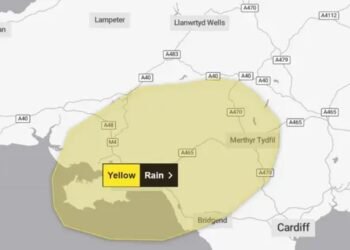 New weather warning issued with risk of flooding
 Two in Three Women in UK Armed Forces Report Harassment
Storm Claudia: Torrential Rain to Batter England and Wales
Two in Three Women in UK Armed Forces Report Harassment
Storm Claudia: Torrential Rain to Batter England and Wales
 Couple Win Damages Over Arrest Linked to WhatsApp Chat
 UK Asylum Overhaul Sparks Debate Over Human Rights and Deportations
 UK Asylum Reforms: Temporary Refugee Status and Faster Deportations
 Five Young People Killed in Tragic Dundalk Road Crash
 Mum Calls for New Licence Rules After Teen Road Death
 Shoppers Left in Darkness After Clock Change Delay
 UK Schools Face Staff Exodus Amid Wellbeing Crash
 Mother Watches in Horror as Teen Daughter Dies on Tracks
 Snow and Ice Warnings Affect Scotland and Northern England
 ‘Traumatic Wait’: Northern Ireland Women Face Breast Cancer Delays
 Arctic Blast Hits UK as Snow and Ice Warnings Trigger Travel Disruption
 PM Shares Emotional Letter to Son on Men’s Struggles
 Court to Hear Challenge to Wimbledon Expansion Plan
 Podcaster Faces Abuse Charges Over Controlling Behaviour
 Kate Forbes: Motherhood Harder Than Politics
 TikTok Star Jessie Yendle Mocked by KFC
 Coffins Now Too Large to Cremate Amid Rising Obesity Crisis
 Reeves to Crack Down on Benefit Fraud While Lifting Two-Child Limit
 DWP to Reassess Hundreds of Thousands in Carer Allowance Scandal
 Labour MP claims devolution bill is ‘blatant discrimination’ against Cornwall
 Planned Palestinian Flag Raising at Belfast City Hall Faces Delay Amid Legal Concerns
 Sudanese Family Vows to Stay After Racist Graffiti
 Delhi’s Toxic Air Crisis Leaves Children Sick and Vulnerable
 Families wait in agony for missing after Hong Kong tower blaze
 Fibromyalgia Patients Struggle as NHS Fails to Provide Care
 Machynlleth High Street Left Without Christmas Lights
 Second homes curbs quashed in Gwynedd legal ruling
 Rare shark attack kills woman, injures man at remote NSW beach
 Search underway for British man overboard off Tenerife
 Virgin Media Fined £23.8m Over Telecare Safety Failures