Published: 19 November 2025 Wednesday . The English Chronicle Desk. The English Chronicle Online
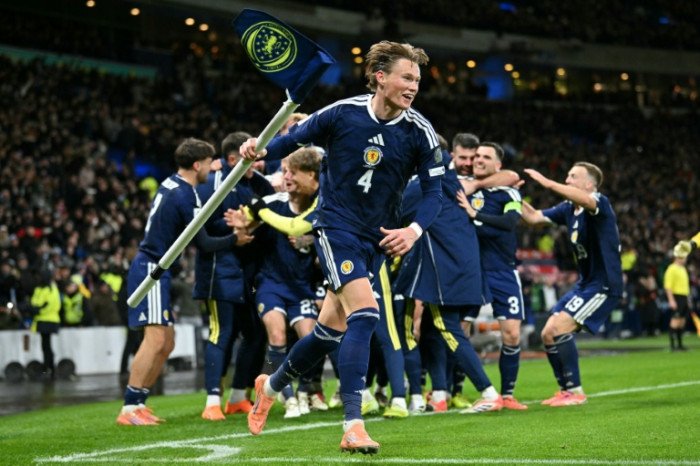
Scotland have ended a 28-year wait to return to the FIFA Men’s World Cup after producing one of the most dramatic finishes in recent football history at Hampden Park. In a night that will live long in the memories of fans, two stoppage-time goals secured a 5-3 victory over group favourites Denmark, ensuring that Steve Clarke’s side qualify automatically for the 2026 tournament in the United States, Canada, and Mexico.
The qualification triumph marks a monumental achievement for Clarke, who became the first head coach to guide Scotland to three major international tournaments. It also concludes a tumultuous but ultimately glorious campaign, which saw Scotland overcome challenges from Greece, Belarus, and Denmark to emerge as one of Europe’s standout sides.
From the very first minute, Hampden Park erupted in celebration. Just three minutes into the match, Scott McTominay produced a moment of audacious brilliance, leaping to meet a cross and executing a flawless overhead kick beyond Kasper Schmeichel. The stadium erupted in euphoria, but tempered by decades of near-misses, there was an underlying sense of apprehension among supporters who feared an early lead might prove fleeting.
Denmark, however, were determined not to surrender quietly. They had been humbled in an unexpected 2-2 draw at home against Belarus on Saturday, which set the stage for this nerve-wracking showdown in Glasgow. Their persistence paid off when, after a painstaking VAR review, Rasmus Hojlund converted a penalty following a foul by Scotland captain Andy Robertson, restoring parity and amplifying the tension within Hampden Park.
Scotland’s campaign had often leaned on a mix of grit and fortune, and the match against Denmark was no exception. A pivotal moment came when Denmark’s Rasmus Kristensen received a second booking and was sent off, giving the home side a numerical advantage. The Scottish fans, emboldened by the lifeline, roared their support as the team pressed forward relentlessly.

Substitute Lawrence Shankland made the most of the opportunity, tapping home his fourth international goal to give Scotland a 3-2 lead with just over 10 minutes remaining. The relief was palpable, with players and fans alike sensing that the long-awaited World Cup berth was within grasp. Yet the tension was far from over. Denmark responded swiftly as Patrick Dorgu converted, equalising once again and sending Hampden into anxious anticipation.
The final drama unfolded in the three minutes of added time. Celtic full-back Kieran Tierney unleashed a thunderous long-range strike, giving Scotland the lead for the fourth time and sending the Hampden faithful into rapturous celebration. But the most astonishing moment was yet to come. With seconds ticking away, midfielder Kenny McLean spotted Schmeichel off his line and struck from his own half, doubling Scotland’s advantage and sealing a memorable victory. The audacious goal encapsulated the team’s determination, skill, and fearless approach, ending nearly three decades of World Cup disappointment.
The victory represents not only a historic milestone for Scottish football but also a testament to the resilience and character of this generation of players. Steve Clarke’s managerial philosophy of encouraging his players to embrace the “anticipation of success rather than the fear of failure” was evident throughout the match. Clarke’s tactical setup and motivational approach have been widely credited with transforming the squad into a confident and ambitious team capable of competing at the highest level.
This World Cup qualification also carries broader significance for Scottish football. It reflects a period of sustained development within the national team, encompassing investments in youth talent, strategic coaching appointments, and a renewed focus on technical and tactical growth. Players such as McTominay, Tierney, and Oyarzabal have emerged as international stars, demonstrating that Scotland can produce elite-level talent capable of challenging football’s traditional powerhouses.
The Hampden Park crowd played a crucial role in the team’s triumph. The atmosphere was electric, shifting between elation and anxiety as the match swung back and forth. Supporters witnessed a rollercoaster of emotions, with early jubilation giving way to concern, followed by euphoria as the team executed a dramatic comeback. This blend of tension and celebration highlighted the deep emotional investment of Scottish fans, whose loyalty has remained steadfast despite years of disappointment in major tournaments.

For Denmark, the defeat was a bitter disappointment. Despite displaying tactical acumen and moments of individual brilliance, they were ultimately unable to contain Scotland’s determination and inventive play. Their campaign, which had positioned them as group favourites, now faces uncertainty, with the team set to navigate additional qualification stages through the play-offs.
The match also showcased the effectiveness of substitutes in modern football. Lawrence Shankland’s timely introduction proved decisive, while the energy and tactical flexibility of players such as McLean allowed Scotland to exploit Denmark’s vulnerabilities. These decisions reflect Clarke’s ability to make strategic adjustments under pressure, a hallmark of successful international management.
Scotland’s qualification for the 2026 World Cup will be celebrated across the country as a triumph of perseverance, talent, and tactical acumen. It marks the first time since 1998 that the nation will participate in football’s most prestigious tournament, providing players, coaches, and fans alike with a platform to compete on the global stage. The victory will undoubtedly inspire the next generation of Scottish footballers, reinforcing the potential for further success in both domestic and international competitions.
Looking ahead, Scotland will enter the World Cup draw on 5 December with confidence, having demonstrated their ability to overcome adversity and perform under pressure. The team’s qualification campaign has provided valuable lessons in resilience, composure, and creativity, all of which will be essential as they prepare to face the world’s elite football nations.
In conclusion, Scotland’s extraordinary comeback against Denmark at Hampden Park is more than just a victory; it is a historic moment that symbolizes the culmination of years of effort, strategic planning, and unwavering support from fans. The combination of skill, daring, and determination displayed on this night ensures that the Scottish national team will enter the 2026 World Cup with a renewed sense of belief and ambition. As the countdown begins to the tournament in North America, Scottish football fans can revel in a triumph decades in the making.
Related News:
 Irish Hero Parrott Says Goal Brought First Tears in Years
 Scotland Fans Reflect on France ’98 as World Cup Looms
 Nigeria Misses World Cup Again After Play-Off Loss
 Cardiff Nights Could Propel Wales to World Cup Glory
 Spain Qualify for 2026 World Cup After Dramatic Draw
 Tiny Curacao Makes History as Smallest Nation to Reach World Cup
 Haiti Qualifies for World Cup Despite Coach Never Visiting Country
 Scotland Fans Celebrate Historic World Cup Qualification
 Barcelona Returns to Camp Nou vs Athletic Bilbao
 Tension and Turmoil at Aston Villa v Maccabi Match
 Lando Norris Dominates Brazil GP to Strengthen F1 Title Bid
 Ronaldo Confirms Final World Cup and Plans Retirement
 England Maintain Perfect World Cup Qualifying Record with Win Over Serbia
 Osimhen doubles as Nigeria reach CAF World Cup final
 Tears of Joy as Ireland Stun Hungary to Stay in World Cup Race
 Haaland Heroics and Portuguese Rampage Seal World Cup Qualification
 Mark Wood Bowls Rapid Nets Spell, Ashes Test Hopes Rise
 Germany and Netherlands Confirm Places in 2026 World Cup
 Cristiano Ronaldo Joins Trump, Bin Salman at State Dinner
 From heartbreak to glory: Scotland’s dramatic return to the World Cup
 Chelsea Dominates Barcelona with 3-0 Champions League Win
 India, Pakistan to Clash in T20 World Cup 2026 Group Match
 Kids Football Coach Removed Over Suspected ‘Drugs Menu’
 Mbappe Scores 4 as Real Madrid Edge Olympiakos
 Man City Lose, Champions League Risk
 Gerrard warns Liverpool’s terrible run could worsen
 Jac Morgan to Miss Six Nations Start After Surgery
 Barcelona, Atletico set for decisive La Liga showdown
 Barcelona Come From Behind to Beat Atletico 3-1
 England’s Euro Odyssey: A Tale of Grit, Glory and the Lionesses’ Miraculous March to the Final
 Tottenham Takes On Newcastle
 FIFA Eyes Biennial Club World Cup from 2029, Plans Possible Expansion
 Dembélé and Bonmatí Shine as Ballon d’Or Winners in Glittering Paris Ceremony
 Liverpool Vs outhampton Set for Carabao Cup Clash at Anfield
 Dramatic Derby: Sorloth Strikes as Atletico and Real Madrid Share the Spoils
 ICC Women’s World Cup 2025: India to Host as Pakistan Fixtures Moved to Neutral Venues
 Bournemouth Stun Fulham with Dramatic Comeback in Premier League Thriller
 Chaos at Ibrox as Martin’s Rangers Era Comes to an End
 Arsenal Showcase Depth and Flexibility as Arteta Eyes Title Challenge
 Fabio Wardley stuns Joseph Parker to earn Usyk title shot
 British Woman in Iran ‘Losing Hope’ Amid Ongoing Detention
 Salah & Gravenberch Lead Liverpool to Win Against Villa
 Granit Xhaka Rescue Earns Everton Draw at Sunderland
 Top Christmas Books Reads: Classics to Cozy Romcoms
 Just Stop Oil Protesters Convicted Amid Climate Defence Row
 Bellingham has ‘the edge’ among England No 10s
 BBC to Apologise Over Edited Trump Speech Amid Backlash
 Man City Masterclass on Guardiola’s Milestone Day Exposes Liverpool Woes
 Britain deploys RAF specialists to assist Belgium with drone threats
 Palace May Restore Hyphen to Andrew Mountbatten-Windsor’s Name
 US Senate Passes Funding Bill to End Historic Shutdown
 Suicide Bombing at Islamabad Court Kills 12, Injures Dozens
 VAR Must Rein Its Neck In to Save Football’s Spirit
 Mary Earps’s Manchester United Return Faces Mixed Reception
 Sam Kerr Stars in Chelsea Return with Champions League Double
 UK and Ireland Announce Venues for Euro 2028 Tournament
 Hitler’s DNA Confirms He Truly Had Only One Testicle
 US Justice Department Files Lawsuit Against California Over Partisan Voting Maps
 Oklahoma Governor Grants Last-Minute Clemency to Death Row Inmate
 Saka Solidifies Role as Tuchel’s Key England Lieutenant
 Former Lion Heskey Warns of Shortage of England Strikers
 Greene Pushes Epstein Files Amid Trump Fallout
 Trump Deploys DHS to Charlotte in Major Arrest Operation
 December Run-Off in Chile as Election Produces No Winner
 Zelenskyy Signs Fighter Jet Deal Amid Russian Drone Attacks
 Orban Says Ukraine Has ‘No Chance’ as EU Support Continues
 Canada Passes Carney’s First Budget in Tight Parliamentary Vote
 Israeli Strike Kills 13 Near Palestinian Camp in Lebanon
 Pentagon Officials in Ukraine to Discuss War End
 Vietnam Battles Deadly Floods as Rains Continue
 Venezuela Threatens Nobel Winner Machado with Fugitive Status
 At Least Three Dead in Bangladesh Earthquake
 Moyes Defends Gueye After Dramatic Everton Bust-Up
 Israel Confirms Hamas Returned Dror Or’s Body
 Trump Envoy to Discuss Ukraine Peace at Kremlin
 Two National Guard Soldiers Critically Injured Near White House
 Southern Lebanon reels as Israeli strikes shatter communities
 Sri Lanka Floods Leave 56 Dead, Dozens Missing
 India’s Labour Law Overhaul Sparks Fierce Debate
 Maxwell withdraws from IPL 2026 after 13 seasons