Published: 26 November 2025 Wednesday. The English Chronicle Desk. The English Chronicle Online
For more than a week, vast parts of Southeast Asia have been engulfed by some of the most destructive floods in living memory. In Thailand, a country accustomed to seasonal monsoons, an extraordinary weather event has pushed communities to the brink of disaster. Ten southern provinces are now under water, and authorities have confirmed that at least 33 people have lost their lives. The devastation has reached such a scale that the military has stepped in, deploying ships, helicopters, medical teams, and emergency food supplies in an attempt to reach thousands still stranded.
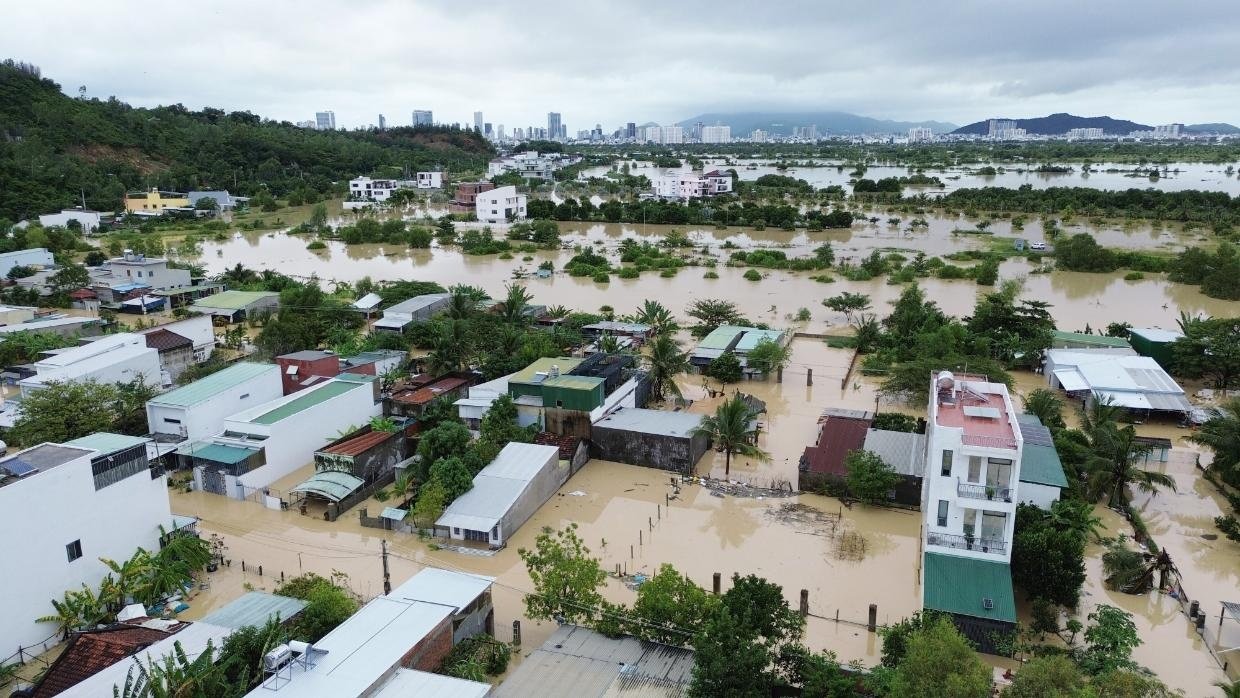
Among the worst-hit areas is the southern city of Hat Yai, a major commercial centre located just north of the Malaysian border. The city recorded an astonishing 335 millimetres of rain in a single day—rainfall levels meteorologists say occur once every three centuries. Streets have turned into rivers, cars and motorcycles lie submerged, and homes are filled with thick, murky floodwaters. Aerial photographs show families huddled on rooftops, waving cloths, torches, and mobile phones in desperate attempts to catch the attention of rescue teams navigating the drowned city.
Across Thailand, more than two million people have been affected by the floods. Yet only around 13,000 have been moved to temporary shelters, leaving the overwhelming majority trapped in their inundated homes, often without electricity, food, or drinking water. Communications have collapsed in many places, and rescue workers say they are unable to reach numerous communities due to rapidly rising waters and strong currents.

Songkhla province, which includes Hat Yai, has been declared a disaster zone following an emergency cabinet meeting on Tuesday. The declaration allows authorities to release funds for relief operations, but the scale of the crisis means financial support alone is not enough. The Thai navy has revealed that it is preparing to dispatch an aircraft carrier along with 14 boats packed with emergency supplies. The carrier will serve as a floating command centre—and if necessary, it can be converted into a floating hospital, with medical teams already stationed on board.
Field kitchens capable of preparing 3,000 meals a day are being sent to the worst-hit regions, while rescue crews are using boats, high-clearance trucks, and jet skis to reach stranded residents. Songkhla’s governor has urged people to stay calm and avoid dangerous routes, though many have little choice but to remain in homes engulfed by chest-high water.
Humanitarian groups say the crisis is intensifying by the hour. The Matchima Rescue Center, a local volunteer organisation, told Reuters that it had received thousands of phone calls from people pleading for evacuation. Many of those trapped have taken to social media to post distress messages, hoping that their panic-stricken appeals will be seen by authorities or volunteers.
One post, shared widely on Matchima’s Facebook page, read: “Many people are trapped… Please help. It’s very difficult right now. The water has reached the second floor where there are children, the elderly, the sick, and the disabled!” Another plea came from a family who had been waiting for rescue for three days: “Every second is crucial now. My phone battery is at 40%. Please help us. We have no water or food left.”
Even more chilling is a video that has gone viral across Thai social media platforms. In the clip, three boys are seen clinging to power lines while rising brown waters swirl beneath them. With no solid ground or rescue boats nearby, they inch their way across the lines, trying desperately to escape the deluge. The video has sparked outrage and heartbreak, capturing for many the desperate reality of the disaster.
The flooding has not been confined to Thailand. Across Southeast Asia, relentless rainfall has overwhelmed river systems and forced mass evacuations. Vietnam has recorded at least 98 deaths in the past week alone. Communities in the country’s central and southern regions have been submerged, with authorities scrambling to rescue families trapped in isolated villages. Meanwhile in Malaysia, more than 19,000 people have been displaced, particularly in northern border states where the monsoon rains have battered towns and rural communities alike.

Malaysia has set up 126 evacuation centres to house displaced residents, offering temporary refuge from the rising waters. In Kelantan and Perlis, rescuers have waded through knee-deep floods to reach homes cut off by landslides and road washouts. Local authorities warn that the situation may worsen if rains continue.
Meteorologists across the region say the extreme weather pattern has been intensified by climate change, which is causing more frequent and more severe rainfall events. Rising sea temperatures and disrupted atmospheric patterns have created conditions where storms form quickly and unleash enormous volumes of rain in a short period. Countries in Southeast Asia—many of which have low-lying coastal regions and dense river systems—are particularly vulnerable.
In Thailand, anger is growing as residents question why emergency responses have been slow, despite repeated warnings from weather agencies that unusually heavy rainfall was coming. Government officials, however, say the intensity of the storm far exceeded predictions and that rescue operations are being carried out as fast as conditions allow.
Still, for many families stranded on rooftops or sleeping on upper floors without food or drinking water, assurances offer little comfort. Those with limited mobility—elderly people, disabled residents, and young children—are especially at risk. Social workers report that many people who require medication have been unable to access it for days, raising fears of secondary health emergencies.
The navy’s plan to use the aircraft carrier as a floating hospital underscores the seriousness of the situation. Medical teams say they are preparing to treat dehydration, infections caused by contaminated floodwater, and injuries sustained during evacuation attempts. There is also concern about the spread of waterborne diseases if flooding persists.
Meanwhile, volunteers continue to brave dangerous conditions to rescue as many people as possible. Small fishing boats have become lifelines for isolated communities. In some towns, neighbours are using improvised rafts made from plastic barrels, wooden planks, and metal sheets to reach those stranded.
The emotional toll is immense. Videos shared online show children crying as floodwaters crash into their homes. Parents cling to toddlers as they wait for rescue boats. Elderly residents, unable to move quickly, sit silently as neighbours lift them into makeshift rafts.

Local governments across Southeast Asia have urged residents to remain vigilant, avoid flooded electrical lines, and move to higher ground wherever possible. But with rain continuing in several areas, the threat is far from over.
What makes this disaster particularly devastating is its scale. Unlike more localised flooding events, these rains have struck multiple countries simultaneously, stretching rescue resources thin and overwhelming early warning systems.
International aid agencies have begun monitoring the situation, though no large-scale foreign assistance has yet been requested. Analysts warn that the economic impact could be significant, particularly for Thailand and Vietnam, which rely heavily on agriculture and manufacturing—industries highly vulnerable to natural disasters.
As the region grapples with this unprecedented crisis, questions about long-term climate adaptation have once again come to the forefront. Experts say Southeast Asia must urgently invest in flood-resilient infrastructure, improved drainage systems, and community-based disaster planning. Without such measures, the human and economic cost of future extreme weather events will continue to climb.
For now, however, the priority remains saving lives. Rescue teams are working round the clock, navigating dangerous floodwaters in a race against time. Thousands more are still waiting for help—hungry, exhausted, and terrified as the waters rise.
And for the people of Hat Yai and the wider region, this once-in-300-years rainfall has left scars that will take far longer than a single storm season to heal.
Related News:
 Sri Lanka Floods Leave 56 Dead, Dozens Missing
 One Dead and Hundreds Evacuated as Wildfires Ravage France and Spain Amid Southern Europe Heatwave
 US Super-Rich Are Draining Planet’s Safe Climate Space
 UK Charters Emergency Flights to Evacuate Britons from Jamaica
 Hurricane Melissa Leaves Devastation Across Jamaica as Death Toll Rises
 Israeli Strike Kills 13 Near Palestinian Camp in Lebanon
 Vietnam Battles Deadly Floods as Rains Continue
 India’s COP30 Delay Raises Global Climate Concerns
 Trump EPA Moves to Roll Back Soot Pollution Limits
 India’s Labour Law Overhaul Sparks Fierce Debate
 Video shows Israeli troops kill Palestinians after surrender
 Southeast Asia floods claim 241 lives, rescue efforts continue
 Chinese & Japanese Boats Clash Near Disputed Islands
 Putin Meets US Envoy Amid Key Ukraine Peace Talks
 Indonesia to Repatriate Two Dutch Drug Convicts
 Kinnock’s Rebuke Echoes Loudly as Corbyn Allies Launch Left-Wing Breakaway: “A Gift to Farage”
 UK and Norway Forge Stronger Ties Through Joint Sanctions and Enhanced Defence Cooperation
 Trump Administration Dismisses 17 Immigration Judges, Sparking Debate Over Judicial Independence
 Severe Thunderstorms Lash England and Scotland: Met Office Issues Amber and Yellow Warnings Amid Flooding Risks
 Northern Ireland Family of Three Shot Dead in Maguiresbridge Home Incident
 Singapore Corruption Scandal: Details Emerge on Iswaran’s Luxury Flight and Ties to Tycoon Ong Beng Seng
 Netanyahu Announces Plan to Take Over Gaza City, Escalating Conflict Further
 High-Stakes Diplomacy: Trump and Putin Head to Alaska for Historic Peace Talks
 Where Is Prince William and Kate Middleton’s New House? Inside the Historic Lodge Set to Become Their ‘Forever Home’
 Los Angeles’ Alleged ‘Ketamine Queen’ Agrees to Plead Guilty in Connection with Matthew Perry’s Death
 Costa Blanca Holiday Horror as Food Poisoning Outbreak Hits Four-Star Hotel
 Afghanistan Earthquake Devastates Villages, Claims Over 800 Lives
 Xi, Putin and Kim Display Unified Front at Massive Beijing Military Parade
 Lisbon’s Historic Funicular Turns to Tragedy: The Elevador da Glória Derailment
 India Triumph in Dubai Amid Unexpected Twists
 Public Executions in Gaza City Captured on Video Amid Ongoing Conflict
 Macron Phones Trump Over Traffic Jam in New York
 Gen Z Uprising in Asia: How Social Media and TikTok Fuel Anti-Corruption Movements
 Denmark Investigates Professional Drone Incursions Across Multiple Airports, No Evidence of Russian Involvement
 Nicolas Sarkozy Sentenced to Five Years in Jail in Libya Campaign Financing Case
 Comey Indictment Deepens Fears of Political Retribution Under Trump
 Trump Imposes Sweeping Tariffs on Pharmaceuticals, Trucks and Furniture Imports
 “It Was Very Tough, But I Love Life”: Former Israeli Hostage Rebuilds Life After Family Killed by Hamas
 Bournemouth Stun Fulham with Dramatic Comeback in Premier League Thriller
 Misinformation and Political Pressure Force Weston-super-Mare to Abandon Refugee Sanctuary Plan
 Chaos at Ibrox as Martin’s Rangers Era Comes to an End
 Arsenal Showcase Depth and Flexibility as Arteta Eyes Title Challenge
Trump Presses for Urgent Progress as Cairo Talks Aim to Halt Gaza War
Arsenal Showcase Depth and Flexibility as Arteta Eyes Title Challenge
Trump Presses for Urgent Progress as Cairo Talks Aim to Halt Gaza War
 Nobel Prize Honours Pioneers Behind Materials That Could Heal the Planet
 Nobel Peace Prize Officials Probe Suspicious Online Bets
 Hope Amid Heartbreak: The Stories Behind the Freed Israeli Hostages
 Trump Claims Modi Has Agreed to Halt Russian Oil Imports Amid Heightened US Pressure
 Zelensky to Urge Missile Aid as Trump and Putin Plan Summit
 Fabio Wardley stuns Joseph Parker to earn Usyk title shot
 Tragedy on Lizard Island: Cruise Passenger Dies
 Fed Cuts US Interest Rates Again Amid Labour Market Uncertainty
 Britain deploys RAF specialists to assist Belgium with drone threats
 US Senate Passes Funding Bill to End Historic Shutdown
 Suicide Bombing at Islamabad Court Kills 12, Injures Dozens
 BBC’s Tim Davie to Address Staff Amid Trump $1bn Threat
 Hitler’s DNA Confirms He Truly Had Only One Testicle
 Japan Deploys Police to Curb Deadly Bear Attacks
 Victoria Signs Historic Treaty with Indigenous Peoples
 US Justice Department Files Lawsuit Against California Over Partisan Voting Maps
 Israel Confirms Returned Hostage as Meny Godard
 December Run-Off in Chile as Election Produces No Winner
 Zelenskyy Signs Fighter Jet Deal Amid Russian Drone Attacks
 Orban Says Ukraine Has ‘No Chance’ as EU Support Continues
 Zelensky Meets US Envoy in Turkey to Push Ukraine Peace Talks
 Shadow Fleet at Sea: Europe’s Battle Against Illicit Oil Shipping
 Haiti Qualifies for World Cup Despite Coach Never Visiting Country
 Deadly Russian Strikes Hit Western Ukraine, 20 Killed in Ternopil
 Pentagon Officials in Ukraine to Discuss War End
 Ukraine Peace Plan: Zelensky Ready for Dialogue
 Venezuela Threatens Nobel Winner Machado with Fugitive Status
 At Least Three Dead in Bangladesh Earthquake
 Israel Confirms Hamas Returned Dror Or’s Body
 Trump Envoy to Discuss Ukraine Peace at Kremlin
 Two National Guard Soldiers Critically Injured Near White House
 Delhi’s Toxic Air Crisis Leaves Children Sick and Vulnerable
 Southern Lebanon reels as Israeli strikes shatter communities
 Mbappe Scores 4 as Real Madrid Edge Olympiakos
 Man City Lose, Champions League Risk
 Singapore Women Acquitted After Pro-Palestine March
 Maxwell withdraws from IPL 2026 after 13 seasons