Published: 03 December 2025. The English Chronicle Desk. The English Chronicle Online.
The UK government has delayed its long-awaited decision on China’s proposed super-embassy until January, extending a complex and politically sensitive process that has drawn significant attention in London. Officials believe the final approval will align with Prime Minister Keir Starmer’s expected visit to Beijing, where he aims to rebuild a balanced and stable relationship with Chinese leaders. The renewed delay deepens uncertainty surrounding the project, which has stirred intense debate over security, diplomacy, and the future of bilateral engagement.
Ministers are widely expected to approve the plan following assessments from the Home Office and the Foreign Office, which raised no objections after reviewing extensive evidence regarding potential security risks. Their conclusions have calmed earlier concerns that the project could create vulnerabilities within a crowded and sensitive part of central London. Security services reportedly advised ministers that the risks associated with the proposed site could be managed through existing systems, strengthened cooperation and coordinated oversight. Their confidence eased pressure on the government as it weighed a decision that has become both practical and symbolic.
 Government officials emphasised that consolidating China’s seven existing diplomatic sites into a single secure compound offered operational advantages that could streamline oversight. They argued that fragmented sites created inefficiencies and scattered responsibilities across several London boroughs. A centralised embassy would simplify coordination while giving security agencies clearer control over sensitive areas. The government also highlighted that China had agreed to merge its entire diplomatic footprint into the new location, suggesting a shared desire for a modern and efficient presence in the UK capital.
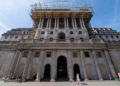
China’s plan centres on the Royal Mint Court site, a prominent 20,000-square-metre complex near Tower Bridge. The location carries historical weight and strategic significance, making it an appealing base for what would become China’s largest diplomatic mission anywhere in the world. Its size reflects Beijing’s deepening global ambitions and the important role London plays in its international engagement. Yet the same scale has raised questions about how such a substantial compound might influence local communities and the wider diplomatic landscape.
The new deadline for the planning decision is set for 20 January, marking the third postponement since the application was submitted. The timing closely matches the prime minister’s anticipated trip to China for high-level discussions intended to stabilise ties that have fluctuated sharply in recent years. The visit would make Starmer the first British prime minister to travel to Beijing since Theresa May attended meetings there in 2018, highlighting the significance of the moment for both nations.
In a speech delivered on Monday evening, Starmer said the UK must avoid oscillating between extreme positions on China. He argued that previous governments had alternated between over-enthusiastic engagement and severe caution, damaging Britain’s ability to develop a durable strategy. He described China as a nation shaped by immense ambition, technological advancement, and growing influence across global governance. Starmer stressed that engagement should be grounded in realism rather than fear or naïveté, signalling a measured path between confrontation and dependence.
Starmer warned that oversimplifying the UK-China relationship into a binary of warmth or hostility hindered constructive policy. He called for a sophisticated approach that recognised China’s strengths while addressing legitimate concerns about security, human rights, and international competition. His remarks reinforced the belief that the government wishes to stabilise relations without appearing complacent. The embassy decision therefore carries symbolic weight, serving as an early test of this more balanced direction.
A detailed letter addressing concerns about the project, released by the Inter-Parliamentary Alliance on China, revealed how ministers weighed competing demands. Home Secretary Shabana Mahmood and Foreign Secretary Yvette Cooper said their departments had reviewed the full breadth of issues surrounding the proposal, including questions raised by politicians, campaigners, and local residents. They stated that they had worked closely with police and security experts to ensure that national security was not compromised by the embassy’s construction or operation.
The ministers argued that functioning diplomatic premises are essential for cooperation between major states, even when relations are complex. They also emphasised that safeguarding national security remained the government’s highest priority throughout the review process. Their message suggested confidence in the safeguards established, while acknowledging the anxieties held by parts of the public and political community.
 Opposition to the embassy has been fierce in Tower Hamlets and surrounding areas, where many residents have expressed unease about China’s human rights record. Campaigners have raised concerns about the situation in Hong Kong, the treatment of Uyghurs in Xinjiang, and China’s broader international conduct. These issues have sparked several protests near the Royal Mint Court site, reflecting deep mistrust and a desire for greater scrutiny. Local groups argue that hosting such a significant diplomatic presence could send an uncomfortable message to communities already worried about global authoritarianism.
The government reiterated that the planning decision will ultimately be made independently by the secretary of state for housing, communities and local government. Officials emphasised that the process must remain impartial and follow established planning rules. They noted that the Home Office and Foreign Office had already provided their security assessments earlier in the year but insisted that no decision could be taken before all enquiries had been resolved. Their assurances aimed to protect the credibility of the process amid accusations of political interference.
If the embassy receives approval, it will replace seven existing Chinese diplomatic facilities scattered across London. Government officials believe this consolidation offers clear operational benefits, reducing potential vulnerabilities and simplifying communication channels. They argue that managing a single site will improve both transparency and oversight, helping to support national security objectives.
A spokesperson for the Chinese embassy expressed strong dissatisfaction with the repeated postponements, saying the delays undermined China’s trust in the UK’s intentions. The spokesperson urged the British government to approve the application quickly to prevent further damage to cooperation. Their remarks underscored the rising frustration in Beijing, which views the embassy as both a practical necessity and a symbol of its global stature.
China purchased the Royal Mint Court site for £255m in 2018, anticipating swift progress on its ambitious redevelopment plan. However, the project stalled after Tower Hamlets council refused planning permission in 2022, citing concerns raised by residents and community groups. The Conservative government declined to overturn that decision, leaving the matter unresolved until Labour assumed office last summer. Labour ministers subsequently called in the application, taking authority away from local officials and placing the final decision in Whitehall’s hands.
The coming weeks promise continued debate as the government faces pressure from activists, diplomats, and security experts. Observers believe the January deadline will hold firm, given the importance of the prime minister’s planned visit to Beijing. Whatever decision emerges will influence the tone of UK-China relations for years and may reshape expectations about diplomatic engagement in a world increasingly defined by shifting alliances and strategic competition.
Related News:
 British Woman in Iran ‘Losing Hope’ Amid Ongoing Detention
 BBC Journalist Held and Interrogated in Vietnam
 Boris Johnson: Tories Risk Election Loss if They ‘Bash the Green Agenda’
 Prince Andrew Under Pressure as MPs Question Royal Lodge Rent Arrangements
 Green Party Surges Past Labour in Latest UK Poll
 Celebrities and Charities Demand UK Government Act on Child Poverty
 Sultana says new party is aiming to ‘run government’
 Reform Councillor Defects to Tories Over ‘Uncomfortable’ Policies
 Experts Question HMRC Over Possible Child Benefit Privacy Breach
 Trump’s UK Ambassador Urges North Sea Drilling to Strengthen US Ties
 FBI Director Kash Patel Defends Girlfriend Amid Government Jet Claims
 Phillipson urges careful review of gender recognition guidance
 French Taxi Driver Cleared in David Lammy Theft Case After Fare Dispute
 Rachel Reeves Set to Break Labour Pledge and Raise Income Tax
 Thinktanks Urge Rachel Reeves to Reform UK Tax System
 Who is Rama Duwaji? What Zohran Mamdani’s wife has said about Gaza and ICE as he’s elected NYC mayor
 Company linked to Michelle Mone owes £39m in tax
 Lancashire council plans to close care homes and day centres
MPs Press Rachel Reeves to Hike Gambling Taxes
Lancashire council plans to close care homes and day centres
MPs Press Rachel Reeves to Hike Gambling Taxes
 Met Police Culture Makes Racial Harm ‘Inevitable’
 Nicola Sturgeon Urges SNP to Oppose New Oil Fields
 Lisa Nandy Broke Rules by Appointing Donor as Football Regulator
 Eleven Arrested After Pro-Palestine Protest at Villa Match
 Labour Falls to Fourth in Poll, Faces Historic Election Loss
Boris Johnson accused of undermining BBC leadership
Labour Falls to Fourth in Poll, Faces Historic Election Loss
Boris Johnson accused of undermining BBC leadership
 Remaining rebel Labour MPs have whip restored
 Cuts to home insulation funding threaten UK climate goals
 Tim Davie resigns as BBC director general amid bias claims
 ‘Reckless’ cuts to victims’ services will cost more than they save
 BBC director-general and news chief resign amid bias row
 Millionaires group urge Reeves to introduce wealth tax to ‘lift kids out of poverty’
 Starmer Faces Growing Dissent as Labour MPs Weigh Leadership Challenge
 BBC Faces Backlash as Reform UK Withdraws from Film
 Wes Streeting Denies Leadership Plot Against Starmer
 Tim Davie Defends BBC Amid Bias Scandal Storm
 Reeves rejects £1bn plea for NHS redundancy payouts
 Farage appointee to lead Reform youth accused of anti-British views
Palace to reinstate hyphen in Andrew’s surname
Donald Trump threatens BBC over edited speech
Farage appointee to lead Reform youth accused of anti-British views
Palace to reinstate hyphen in Andrew’s surname
Donald Trump threatens BBC over edited speech
 British state supplied victims to ‘worst sex offender in history’
 Politics latest: Starmer ‘will fight any leadership coup’ as Streeting denies attempt to oust Labour PM
 PM Condemns Leaks, Vows Loyalty to Ministers and Stability
 Major Rent Reform Ends No-Fault Evictions in England
 Peers Flood Assisted Dying Bill with 942 Amendments
 England’s Special Needs Support Faces Breaking Point
 MoD warned over Excel risks before Afghan data breach
 Your Party Turmoil Deepens Over Withheld Donations
 UK Unveils Fast-Track Deportation and Asylum Overhaul
 UK Asylum Overhaul Sparks Debate Over Human Rights and Deportations
 UK Asylum Reforms: Temporary Refugee Status and Faster Deportations
 UK Candidate Moved to Safe House After Election Threats
 Mahmood Defends Tough Overhaul of UK Asylum System
 Scottish Ministers Express Alarm Over UK Asylum Reforms
 UK Warns China After MI5 Issues Espionage Alert
 Westminster Advances Legacy Bill Amid Criticism
 Minister Defends Tough New Asylum Reform Plan
 UK Net Migration Falls Sharply After ONS Revisions
 UK Vulnerable to Attack, Defence Committee Finds
 Labour Faces Historic Decline in Wales
 Rama Rebukes Mahmood for Targeting Albanian Families
 Russian Vessel Used Lasers on RAF Pilots, UK Claims
 PM Shares Emotional Letter to Son on Men’s Struggles
 MP Offers Seat to Help Burnham Challenge Starmer
 PM Highlights UK Business at G20 in South Africa
 Boris Johnson Oversaw Toxic No 10 Culture, Covid Inquiry Finds
 Kate Forbes: Motherhood Harder Than Politics
 Welsh Government Christmas 2020 Lockdown Criticised
Reeves to Crack Down on Benefit Fraud While Lifting Two-Child Limit
Welsh Government Christmas 2020 Lockdown Criticised
Reeves to Crack Down on Benefit Fraud While Lifting Two-Child Limit
 BBC to Expand Standards Panel and Create Deputy Director Role
 Most Tories Expect to Support a Farage-Led Government
 Labour MP claims devolution bill is ‘blatant discrimination’ against Cornwall
 English Mayors Set to Introduce Tourist Taxes
 Ex-Classmate Accuses Farage of Dishonesty on Racism Claims
 Millions Face Higher Taxes Under Reeves New Budget
 Peers Get Extra Time to Debate Assisted Dying Bill
 Planned Palestinian Flag Raising at Belfast City Hall Faces Delay Amid Legal Concerns
 Ex-Brexit MEP Rejects Claim of Pro-Russia Payments
 Government righting decades-old injustice for miners
 UK refugee resettlement under UN schemes drops sharply in one year
 Starmer Says Labour’s Economic Plan Needs Years to Deliver