Published: 23 December 2025. The English Chronicle Desk. The English Chronicle Online.
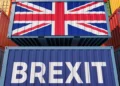
Keir Starmer’s government has been urged to pursue closer trade ties with the European Union, highlighting a growing challenge for British exporters navigating post-Brexit agreements. The British Chambers of Commerce (BCC) described a strengthened EU trade deal as a “strategic necessity” to ensure companies can thrive, warning that the existing Trade and Cooperation Agreement (TCA) is increasingly failing to support business growth.
A recent survey conducted by the BCC of nearly 1,000 UK exporters—predominantly small and medium-sized enterprises—found that 54 percent reported the current deal was insufficient for expanding their sales into the EU. This represents a 13-percentage-point increase from dissatisfaction levels recorded in a similar study last year, reflecting mounting frustrations over trade barriers and administrative complications.

The BCC’s findings underscore the economic consequences of Brexit, which continues to disrupt established trade patterns. Only four of the 946 firms surveyed felt government support on trade policy changes was thorough, signalling widespread concern over inadequate guidance for businesses dealing with shifting EU regulations.
Steve Lynch, the BCC’s director of international trade, emphasised that accelerating the EU “reset” was no longer a matter of political preference but a crucial economic strategy. He stated, “Trade is the fastest route to growth, yet firms tell us it is becoming harder, not easier, to sell into our largest market.” His remarks underline the urgency for policy interventions designed to simplify exports and reduce friction for UK companies.
Labour’s frontbench increasingly recognises the challenges posed by Brexit, with senior figures advocating for a closer relationship with the EU. Over the weekend, Wes Streeting suggested the possibility of joining a customs union with the EU, a move that would conflict with Labour’s manifesto commitments against re-entering the single market, customs union, or reinstating freedom of movement. Starmer has reiterated that rejoining the EU is inconceivable during his lifetime, though some pro-European ministers, including David Lammy and Bridget Phillipson, are reportedly exploring options for deeper integration.
The BCC’s call coincides with government priorities to reset EU relations following a landmark summit earlier in 2025. Labour has also recently confirmed the UK’s return to the Erasmus+ student exchange programme in 2027, signalling broader engagement with Europe despite Brexit constraints.
In its “business manifesto for the EU reset,” the BCC outlined specific recommendations to reduce trade friction and enhance UK competitiveness. These include streamlining border checks on animal and plant products, connecting UK and EU emissions trading schemes, establishing a youth mobility scheme, securing full participation in the EU’s SAFE defence fund, and improving VAT and customs processes.
Survey participants highlighted tangible impacts of Brexit on their operations. One small manufacturing firm in Greater Manchester reported that export sales “have virtually stopped” and that the TCA had not aided recovery. Similarly, a small retailer in Hampshire described severe consequences, stating that high taxes and exclusion from the EU have caused business closures and long-term unemployment for thousands.
The findings illuminate the broader economic challenges facing the UK, particularly in sectors reliant on European markets. Exporters argue that without effective government intervention, post-Brexit trade will continue to stagnate, limiting opportunities for growth and undermining job creation across the country.
Government officials responded by affirming their commitment to reducing trade barriers, stating that ongoing negotiations with Brussels aim to strengthen UK-EU relations while supporting jobs and business expansion. While progress has been made, businesses emphasise the urgent need for practical solutions to navigate complex regulatory frameworks and restore confidence in cross-border trade.
Analysts note that the debate over EU trade relations also carries political significance for Labour, as party leaders balance manifesto commitments with calls from influential business groups. The tension between economic pragmatism and political positioning will likely shape the party’s approach to trade policy throughout 2026.

As the UK moves into the new year, exporters remain wary of continued bureaucratic obstacles and evolving EU regulations. Industry representatives stress that any meaningful “reset” must address structural inefficiencies, enhance cooperation on trade and customs, and provide clearer guidance for firms operating in diverse markets. Without decisive action, the BCC warns that the UK risks falling further behind its European competitors, with long-term implications for economic resilience and growth.
Ultimately, the call for a strengthened EU trade agreement reflects a broader concern about Britain’s post-Brexit positioning. Exporters seek not only regulatory clarity but also tangible support for expanding operations abroad. The BCC’s manifesto aims to provide a roadmap for achieving these objectives, urging policymakers to recognise trade as a critical engine for economic recovery and sustainable growth.
The discussion over EU trade relations is likely to remain a focal point for UK politics in 2026. Businesses, policymakers, and political parties will continue navigating the delicate balance between sovereignty, economic pragmatism, and the pressing need for international collaboration. With export sales struggling to recover and firms reporting widespread difficulties, the BCC’s recommendations underscore the importance of strategic engagement with the EU to secure Britain’s economic future.
Related News:
 Tories Push to Dilute Labour’s Workers’ Rights Bill
 Wales May Introduce Four-Day Work Week After Elections
 Trump’s UK Ambassador Urges North Sea Drilling to Strengthen US Ties
 Rachel Reeves Set to Break Labour Pledge and Raise Income Tax
 Thinktanks Urge Rachel Reeves to Reform UK Tax System
 Company linked to Michelle Mone owes £39m in tax
MPs Press Rachel Reeves to Hike Gambling Taxes
Company linked to Michelle Mone owes £39m in tax
MPs Press Rachel Reeves to Hike Gambling Taxes
 Cuts to home insulation funding threaten UK climate goals
 Millionaires group urge Reeves to introduce wealth tax to ‘lift kids out of poverty’
 Canada Passes Carney’s First Budget in Tight Parliamentary Vote
 PM Highlights UK Business at G20 in South Africa
 English Mayors Set to Introduce Tourist Taxes
 India’s Labour Law Overhaul Sparks Fierce Debate
 Carney’s Alberta Pipeline Deal Sparks Immediate Pushback
 Starmer Says Labour’s Economic Plan Needs Years to Deliver
BBC bosses ‘right to stick by their guns’ against Trump, says minister
Starmer Says Labour’s Economic Plan Needs Years to Deliver
BBC bosses ‘right to stick by their guns’ against Trump, says minister
 Modi’s London Visit Seals Historic UK-India Trade Pact Amid Global Tensions
 Chancellor Rachel Reeves Pushes for Sweeping Changes to Environmental Protections to Accelerate Development
 Senior Tories Condemn Badenoch’s Vow to Repeal Climate Change Act as Catastrophic
 Kemi Badenoch Unveils ‘Golden Rule’ to Halve Spending Cuts for Deficit Reduction at Tory Conference
 British Woman in Iran ‘Losing Hope’ Amid Ongoing Detention
 Reeves Faces Setback as Labour May Miss Homes Target
 BBC Journalist Held and Interrogated in Vietnam
 Virgin Trains Moves Closer to Challenging Eurostar Monopoly
 Green Party Surges Past Labour in Latest UK Poll
 Celebrities and Charities Demand UK Government Act on Child Poverty
 Army Officers Orders to Cut Ties with Men-Only Clubs
 FBI Director Kash Patel Defends Girlfriend Amid Government Jet Claims
 UK University Suspends Human Rights Research Following Pressure from China
 Ryanair Chief UK Economy ‘Doomed’ Under Labour
 French Taxi Driver Cleared in David Lammy Theft Case After Fare Dispute
 ABF May Split Primark from Food Division Amid Tough Market
 M&S Profits More Than Halve After Cyber-Attack
 Tony Blair think tank warns Rachel Reeves must cut taxes if manifesto broken
 Labour immigration crackdown could cost UK £4.4bn
 Earl of Yarmouth Faces £1.3m Legal Bill Over Family Estate
BBC to Apologise Over Edited Trump Speech Amid Backlash
Earl of Yarmouth Faces £1.3m Legal Bill Over Family Estate
BBC to Apologise Over Edited Trump Speech Amid Backlash
 Britain deploys RAF specialists to assist Belgium with drone threats
 ‘Reckless’ cuts to victims’ services will cost more than they save
 Starmer Faces Growing Dissent as Labour MPs Weigh Leadership Challenge
 From Lego to Pokémon: How Adults Are Driving UK Toy Market Growth
 Reeves rejects £1bn plea for NHS redundancy payouts
 UK toy market enjoys bumper year as ‘kidults’ fuel demand
 New laws to bolster UK’s defences against cyber attacks on NHS, transport and energy
 Politics latest: Starmer ‘will fight any leadership coup’ as Streeting denies attempt to oust Labour PM
 Ukraine-Russia war latest: Putin’s troops exploit bad weather to force Kyiv withdrawal from multiple towns
 Skims Eyes Global Expansion After Reaching $5 Billion Value
 PM Condemns Leaks, Vows Loyalty to Ministers and Stability
 Major Rent Reform Ends No-Fault Evictions in England
 Peers Flood Assisted Dying Bill with 942 Amendments
 England’s Special Needs Support Faces Breaking Point
 Senator John Fetterman Hospitalized After Fall from Heart Flare-Up, Keeps Sense of Humor
 US Justice Department Files Lawsuit Against California Over Partisan Voting Maps
 MoD warned over Excel risks before Afghan data breach
 Global markets drop amid tech sell-off and China slowdown
 Greene Pushes Epstein Files Amid Trump Fallout
 Trump Deploys DHS to Charlotte in Major Arrest Operation
 December Run-Off in Chile as Election Produces No Winner
 UK Asylum Overhaul Sparks Debate Over Human Rights and Deportations
 Shadow Fleet at Sea: Europe’s Battle Against Illicit Oil Shipping
 Labour Faces Historic Decline in Wales
 Pentagon Officials in Ukraine to Discuss War End
 Mossmorran Plant Closure Hits Cowdenbeath Hard
 Kate Forbes: Motherhood Harder Than Politics
 Venezuela Threatens Nobel Winner Machado with Fugitive Status
 Most Tories Expect to Support a Farage-Led Government
 Steel billionaire Lakshmi Mittal reportedly leaves UK
 Labour MP claims devolution bill is ‘blatant discrimination’ against Cornwall
 Millions Face Higher Taxes Under Reeves New Budget
 Peers Get Extra Time to Debate Assisted Dying Bill
 Georgians Defy Government Crackdown After Year of Protests
 US National Guard Member Killed in DC Shooting
 ICC to Rule on Duterte’s Provisional Release
 Jordan Bardella: France’s Young Presidential Contender
 Virgin Media Fined £23.8m Over Telecare Safety Failures
 Rising Water Bills Lift Troubled Thames Back to Profit
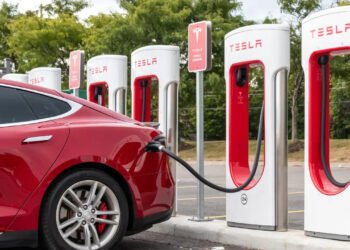 Tesla Warns UK That Weak EV Rules Could Threaten Sales
 EU plans $105bn Ukraine aid using frozen Russian assets
 Global campaign launched to free Palestinian leader Barghouti
 Culture secretary to review Telegraph takeover by Daily Mail owner