Published: 15 January 2026. The English Chronicle Desk. The English Chronicle Online.
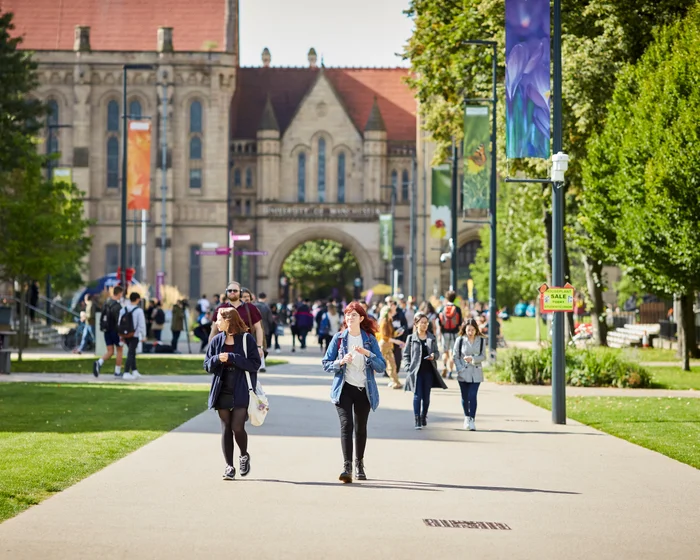
A recent survey shows that 35% of students believe Reform UK politicians should be barred from speaking on university campuses. The “Guildford resignation” study, conducted by the Higher Education Policy Institute (Hepi), revealed students’ conflicting attitudes towards free speech. Within the first 100 words, the survey highlights that while a majority of students endorse the principle of free speech, a significant proportion still supports specific political speaking bans. Experts say these contradictions reflect a nuanced perspective on campus discourse, showing support for free expression in theory but hesitancy in practice.
The survey found that while 69% of respondents stated universities should never limit free speech, 35% specifically supported banning Reform UK from campuses. Interestingly, this included 41% of students who voted for Reform in the 2024 general election. Comparatively, only 16% of students favored banning Labour politicians, including 23% of 2024 Labour voters, illustrating varying partisan attitudes. Overall, only 18% of students supported unrestricted access for all political parties, reflecting complex and divided campus perspectives.

Hepi’s director, Nick Hillman, commented on the findings, describing them as surprising yet informative about student attitudes. He said the results indicate that while students strongly support the principle of free speech, they also desire protective measures against political groups they find controversial. Hillman stressed that democratic discourse should prevail through debate rather than restrictions. He said, “The best way to challenge political parties you disagree with is through fair and open debate, whether on campus or in public forums.” These concerns echo debates raised since the Guildford resignation, which highlighted tensions between student opinions and free speech principles.
Richard Tice, deputy leader of Reform UK, strongly criticised the survey findings. He labelled student support for barring his party as “appalling” and called for funding cuts to universities failing to uphold free speech principles. Tice argued that UK universities have become echo chambers dominated by far-left ideologies, undermining academic rigor and debate. He urged the government to enforce stricter conditions on university funding to restore open intellectual environments, referencing controversies stemming from the Guildford resignation.
The survey comes as the Office for Students, England’s higher education regulator, has introduced new powers to investigate complaints about infringements of free speech and expression. Despite this, 71% of students indicated support for laws requiring universities to actively promote free speech. Yet, significant portions also supported policies that could theoretically restrict it, showing ongoing tension between legal frameworks and personal beliefs on campus expression.
Students expressed strong views on academic freedom as well. While 61% agreed that academics should have the liberty to teach or research as they see fit, 64% felt protecting minority dignity and preventing discrimination might outweigh unfettered freedom of expression. Further, 38% suggested that academics using material perceived as offensive should face dismissal, highlighting ongoing debates about the boundaries between free speech and social responsibility in universities.

Hillman noted that the survey underscores the challenges students face in evaluating complex free speech issues. He suggested that younger generations, while enthusiastic about the principle of open dialogue, may struggle to consistently apply it in practice. He warned that nuanced understanding and critical thinking remain crucial for navigating these debates, especially when political biases intersect with principles of academic freedom.
The Guildford resignation survey, therefore, exposes a wider societal debate over the role of universities in fostering democratic debate. Students appear supportive of free speech in general but simultaneously advocate for restrictions that align with their political and social beliefs. The findings suggest that policymakers, educators, and regulators need to consider how to balance rights, protections, and freedoms to ensure campuses remain both inclusive and intellectually vibrant.
As universities navigate these complex dynamics, questions over how political engagement, student activism, and institutional responsibilities intersect continue to shape national discussions. With increased regulatory scrutiny and public attention, the issue of campus free speech and its practical limits is unlikely to fade from debate soon. Experts agree that understanding student perspectives, including contradictory or nuanced positions, will be critical to fostering a sustainable, respectful, and democratic academic environment across the UK.
Related News:
 Bridget Phillipson Vows to Confront Unions Over Reading Tests
 UK University Suspends Human Rights Research Following Pressure from China
 UK University Faces Counter-Terror Probe Over China Pressure
China-critical UK academics face ‘extremely heavy’ pressure from Beijing
UK University Faces Counter-Terror Probe Over China Pressure
China-critical UK academics face ‘extremely heavy’ pressure from Beijing
 Labour immigration crackdown could cost UK £4.4bn
 England’s Special Needs Support Faces Breaking Point
 University of Edinburgh Lecturers Launch Five-Day Strike Amid £140m Budget Cuts
 It Changed My View’: Campaign Encourages Pupils in Deprived Areas to Consider University
 The debate over England’s compulsory reading test for 13-year-olds
 British Woman in Iran ‘Losing Hope’ Amid Ongoing Detention
 BBC Journalist Held and Interrogated in Vietnam
 Is a two-week half-term a good deal? Some parents in England aren’t so sure
 Green Party Surges Past Labour in Latest UK Poll
 Celebrities and Charities Demand UK Government Act on Child Poverty
 Army Officers Orders to Cut Ties with Men-Only Clubs
 Trump’s UK Ambassador Urges North Sea Drilling to Strengthen US Ties
 Children to Learn Local History in Major Curriculum Overhaul
 FBI Director Kash Patel Defends Girlfriend Amid Government Jet Claims
 French Taxi Driver Cleared in David Lammy Theft Case After Fare Dispute
 Top Christmas Books Reads: Classics to Cozy Romcoms
 Greta Thunberg Backs Student Facing UK Visa Revocation
 Audio Books deals and promo codes to explore in November 2025
 London’s Childlessness Crisis: Schools Closing as Families Shrink
BBC to Apologise Over Edited Trump Speech Amid Backlash
London’s Childlessness Crisis: Schools Closing as Families Shrink
BBC to Apologise Over Edited Trump Speech Amid Backlash
 Britain deploys RAF specialists to assist Belgium with drone threats
 ‘Reckless’ cuts to victims’ services will cost more than they save
 Millionaires group urge Reeves to introduce wealth tax to ‘lift kids out of poverty’
 Starmer Faces Growing Dissent as Labour MPs Weigh Leadership Challenge
 Reeves rejects £1bn plea for NHS redundancy payouts
 Politics latest: Starmer ‘will fight any leadership coup’ as Streeting denies attempt to oust Labour PM
 PM Condemns Leaks, Vows Loyalty to Ministers and Stability
 Nigeria’s $25m Museum Faces Political Storm Amid Benin Bronzes Debate
 Algeria Pardons French-Algerian Novelist Sansal After Year in Jail
 Phillipson Accused of Appeasing Unions by Diluting EBacc
 Major Rent Reform Ends No-Fault Evictions in England
 Peers Flood Assisted Dying Bill with 942 Amendments
 Senator John Fetterman Hospitalized After Fall from Heart Flare-Up, Keeps Sense of Humor
 US Justice Department Files Lawsuit Against California Over Partisan Voting Maps
 MoD warned over Excel risks before Afghan data breach
 Greene Pushes Epstein Files Amid Trump Fallout
 Trump Deploys DHS to Charlotte in Major Arrest Operation
 December Run-Off in Chile as Election Produces No Winner
 Canada Passes Carney’s First Budget in Tight Parliamentary Vote
 Shadow Fleet at Sea: Europe’s Battle Against Illicit Oil Shipping
 Labour Faces Historic Decline in Wales
 Pentagon Officials in Ukraine to Discuss War End
 Ex-Harvard President Pauses Teaching Over Epstein Emails
 PM Highlights UK Business at G20 in South Africa
 Scottish Families Take Legal Action Over School CO Leak
 Kate Forbes: Motherhood Harder Than Politics
 Venezuela Threatens Nobel Winner Machado with Fugitive Status
 Most Tories Expect to Support a Farage-Led Government
 Labour MP claims devolution bill is ‘blatant discrimination’ against Cornwall
 Men Aren’t Vanishing From Fiction, But Misconceptions Persist
 Millions Face Higher Taxes Under Reeves New Budget
 Peers Get Extra Time to Debate Assisted Dying Bill
 Georgians Defy Government Crackdown After Year of Protests
 US National Guard Member Killed in DC Shooting
 India’s Labour Law Overhaul Sparks Fierce Debate
 ICC to Rule on Duterte’s Provisional Release
 Jordan Bardella: France’s Young Presidential Contender
 Starmer Says Labour’s Economic Plan Needs Years to Deliver
 EU plans $105bn Ukraine aid using frozen Russian assets
 Global campaign launched to free Palestinian leader Barghouti
 Tory Free Schools Waste £325m on Failed Projects
 Culture secretary to review Telegraph takeover by Daily Mail owner
 Khaleda Zia Death in Bangladesh: First Female PM Dies at 80
 Russia losses Ukraine war peace talks intensify amid rising deaths
 Zelenskyy Accuses Russia of Sabotaging Peace Talks
 Albanese Opens Door to Bondi Royal Commission Amid Rising Pressure
 Trump Escalates Minnesota Immigration Surge Amid Rising Tensions
 Cambridge College Faces Backlash Over Private School Recruitment
 Iran Protesters Defy Crackdown as Violent Clashes Intensify
 Pressure mounts on No 10 over under-16s social media ban
 Homeland security agents deployed amid Minneapolis protests
 Trump escalates Fed clash as Justice probes Jerome Powell
 Plans to Limit Jury Trials Face Retreat After Mounting Opposition
 Hanson and Joyce Use Rinehart Jet to Tour Flooded Queensland
 Rudd successor: Defence chief and former ministers considered
 Trump Threatens Strong Action If Iran Executes Protesters