Published: 16 January 2026. The English Chronicle Desk. The English Chronicle Online.
The question of Greenland defence has moved sharply to the centre of transatlantic debate, following the arrival of European troops on the Arctic island. Denmark’s prime minister, Mette Frederiksen, has described the situation as a shared responsibility for the entire Nato alliance. Her remarks came as military personnel from several European nations began landing in Greenland, signalling unity amid rising geopolitical tension.
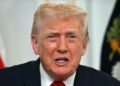
Within the first hours of the deployment, officials stressed that Greenland defence was not only a Danish priority but also a matter of collective security. The deployment follows renewed statements by former US president Donald Trump, who again claimed the United States “needs” Greenland for national security reasons. Those remarks revived anxieties across Europe about sovereignty, alliance cohesion, and stability in the Arctic region.

Greenland, an autonomous territory within the Kingdom of Denmark, has long held strategic importance because of its location between North America and Europe. Melting ice, expanding shipping routes, and increased interest from global powers have elevated the Arctic from a peripheral concern to a central strategic theatre. Against this backdrop, Greenland defence has become a symbol of broader questions about Nato’s future direction.
Troops from France, Germany, the United Kingdom, Norway, Sweden, and other European partners arrived as part of a coordinated mission led by Denmark. Officials described the deployment as limited in scale but significant in message. The personnel involved are expected to assess conditions on the ground and examine how a longer-term Nato presence might function under extreme Arctic conditions.
Danish authorities confirmed that their own military footprint on the island would increase alongside the allied presence. While the numbers remain modest, the symbolism carries weight. For Copenhagen, the move underlines that Greenland defence cannot be separated from European security as a whole, especially at a time when relations with Washington have become strained.
The current tension escalated after a high-profile meeting in Washington between Danish and Greenlandic ministers and senior US officials. Intended to ease diplomatic friction, the talks instead exposed deep disagreements. Trump repeated earlier assertions that Denmark could not adequately protect Greenland, fuelling concern in both Nuuk and Copenhagen.
In a statement released shortly after the meeting, Frederiksen acknowledged that discussions had been difficult. She confirmed the creation of a working group aimed at improving Arctic security cooperation. However, she also made clear that fundamental differences remained unresolved. According to her, any suggestion of taking control of Greenland against its will crossed a serious line.
The Danish prime minister emphasised that Nato allies broadly agree on the need for a stronger Arctic presence. She highlighted recent investments in surveillance, patrol vessels, and satellite capabilities designed to strengthen Greenland defence. Joint exercises in and around the island, she added, demonstrate practical commitment beyond political statements.
Greenland’s own leadership has been equally firm. Prime minister Jens-Frederik Nielsen welcomed dialogue but stressed that respect for constitutional arrangements and international law was essential. He reiterated that Greenland is not for sale and will not become part of another country. His comments reflected a strong consensus within Greenlandic society on self-government and democratic choice.
France was among the first countries to confirm its participation. President Emmanuel Macron announced that French soldiers were already en route, with additional forces expected later. French officials said a small unit from a mountain infantry brigade had arrived in Nuuk to take part in exercises designed to test mobility and endurance in Arctic terrain.
Germany also confirmed its contribution, deploying a reconnaissance team tasked with gathering logistical and environmental data. The Netherlands and the United Kingdom signalled their involvement in Operation Arctic Endurance, a Danish-led exercise focusing on coordination, communications, and rapid response. Each contribution, though limited in size, reinforced the collective nature of Greenland defence.
Military analysts note that the deployment is as much political as operational. The presence of European troops sends a clear message that Nato’s northern flank matters. It also aims to reassure the United States that European allies are willing to shoulder greater responsibility for Arctic security, a long-standing demand from Washington.
Behind the scenes, discussions are under way within Nato about establishing a dedicated Arctic air-policing mission. Modeled on existing operations in Eastern Europe, such a mission would involve regular patrols and shared command structures. Diplomats say these talks have gained momentum following recent statements about Greenland’s future.
A senior European diplomat, speaking anonymously, admitted that alliance leaders are trying to balance firmness with diplomacy. Maintaining unity, they said, requires acknowledging US security concerns while firmly rejecting any challenge to sovereignty. In this delicate context, Greenland defence has become a test case for Nato solidarity.
Denmark’s defence minister, Troels Lund Poulsen, has outlined plans for a more permanent presence on the island. He said rotational deployments involving multiple Nato countries could ensure continuity without overwhelming local communities. Such an approach, he argued, respects Greenland’s autonomy while enhancing deterrence.

Trump’s comments continue to cast a long shadow. He has repeatedly argued that without US involvement, rivals such as Russia and China would move to expand their influence in the Arctic. Danish and Greenlandic officials reject this narrative, pointing to existing cooperation and international agreements that govern the region.
Public opinion in the United States appears divided but cautious. A recent CNN poll found that a large majority of Americans oppose any attempt to take control of Greenland by force or coercion. This domestic resistance complicates the political landscape, even as rhetoric remains heated.
Meanwhile, political activity continues on the ground. Danish and Greenlandic politicians gathered in Copenhagen to mark Greenlandic New Year’s Eve, an event that took on added significance amid current tensions. Planned meetings with members of the US Congress aim to explore practical cooperation and rebuild trust through dialogue.
Civil society has also mobilised. Protests are scheduled across Denmark and in Nuuk, reflecting public concern about sovereignty and peace. Organisers say the demonstrations are intended to show unity rather than hostility, reinforcing the message that Greenland defence is about protection, not provocation.
Experts suggest that the coming months will be critical. The Arctic is changing rapidly, both environmentally and politically. As ice recedes, competition increases, making clear frameworks for cooperation essential. How Nato manages Greenland defence may shape its credibility in other sensitive regions.
For now, the arrival of European troops represents a careful but deliberate step. It signals resolve without escalation, solidarity without confrontation. Whether this approach succeeds will depend on continued diplomacy and respect for international norms.
As Frederiksen concluded, the defence of Greenland is inseparable from the security of Europe and North America alike. In an era of shifting power and uncertainty, the Arctic has become a mirror reflecting the health of the transatlantic alliance itself.
Related News:
 Shock US Raid: Maduro Pleads Not Guilty in Manhattan Court
 UK and France Agree Troop Deployment Plan for Ukraine
 EU Weakens as Trump Targets Venezuela and Greenland
 Venezuela Oil Deal Opens Tensions with US Control
 US Citizens Warned to Venezuela Flee Amid Paramilitary Threats
 Gulf states warn Trump Iran strikes risk wider Middle East war
 Machado Trump medal gesture reshapes Venezuela power struggle
 British Woman in Iran ‘Losing Hope’ Amid Ongoing Detention
 BBC Journalist Held and Interrogated in Vietnam
 UK University Suspends Human Rights Research Following Pressure from China
 Top Christmas Books Reads: Classics to Cozy Romcoms
 World Whisky Tour: 9 Global Gems
 Just Stop Oil Protesters Convicted Amid Climate Defence Row
 Tension and Turmoil at Aston Villa v Maccabi Match
 BBC to Apologise Over Edited Trump Speech Amid Backlash
 Lando Norris Dominates Brazil GP to Strengthen F1 Title Bid
 Britain deploys RAF specialists to assist Belgium with drone threats
 Palace May Restore Hyphen to Andrew Mountbatten-Windsor’s Name
 US Senate Passes Funding Bill to End Historic Shutdown
 Suicide Bombing at Islamabad Court Kills 12, Injures Dozens
 Ukraine-Russia war latest: Putin’s troops exploit bad weather to force Kyiv withdrawal from multiple towns
 Algeria Pardons French-Algerian Novelist Sansal After Year in Jail
 Hitler’s DNA Confirms He Truly Had Only One Testicle
 US Justice Department Files Lawsuit Against California Over Partisan Voting Maps
 Oklahoma Governor Grants Last-Minute Clemency to Death Row Inmate
 Israel Confirms Returned Hostage as Meny Godard
 Greene Pushes Epstein Files Amid Trump Fallout
 Trump Deploys DHS to Charlotte in Major Arrest Operation
 December Run-Off in Chile as Election Produces No Winner
 Zelenskyy Signs Fighter Jet Deal Amid Russian Drone Attacks
 Orban Says Ukraine Has ‘No Chance’ as EU Support Continues
 Irish Hero Parrott Says Goal Brought First Tears in Years
 Canada Passes Carney’s First Budget in Tight Parliamentary Vote
 Israeli Strike Kills 13 Near Palestinian Camp in Lebanon
 Zelensky Meets US Envoy in Turkey to Push Ukraine Peace Talks
 Shadow Fleet at Sea: Europe’s Battle Against Illicit Oil Shipping
 Tiny Curacao Makes History as Smallest Nation to Reach World Cup
 Haiti Qualifies for World Cup Despite Coach Never Visiting Country
 Deadly Russian Strikes Hit Western Ukraine, 20 Killed in Ternopil
 Pentagon Officials in Ukraine to Discuss War End
 Ukraine Peace Plan: Zelensky Ready for Dialogue
 Vietnam Battles Deadly Floods as Rains Continue
 Venezuela Threatens Nobel Winner Machado with Fugitive Status
 At Least Three Dead in Bangladesh Earthquake
 Barcelona Returns to Camp Nou vs Athletic Bilbao
 Royal Navy Shadows Russian Warships Entering the Channel
 Israel Confirms Hamas Returned Dror Or’s Body
 Trump Envoy to Discuss Ukraine Peace at Kremlin
 US Suspends Afghan Immigration After White House Shooting
 Two National Guard Soldiers Critically Injured Near White House
 Georgians Defy Government Crackdown After Year of Protests
 Southern Lebanon reels as Israeli strikes shatter communities
 Mbappe Scores 4 as Real Madrid Edge Olympiakos
 Sri Lanka Floods Leave 56 Dead, Dozens Missing
 India’s Labour Law Overhaul Sparks Fierce Debate
 Tokyo court rules Japan’s same-sex marriage ban constitutional
 ‘Extinct’ Antelope Returns to Sahara, Bringing Hope
 EU plans $105bn Ukraine aid using frozen Russian assets
 Global campaign launched to free Palestinian leader Barghouti
 American Mother Extradited From UK to U.S. on Murder Charges
 Khaleda Zia, Bangladesh’s First Female Prime Minister, Dies at 80
 Russia losses Ukraine war peace talks intensify amid rising deaths
 Facebook Slow to Remove Bondi Attack Praise, Anti-Hate Group Claims
 Australian Cruise Ship Freed After Reef Grounding in Papua New Guinea
 Zelenskyy Accuses Russia of Sabotaging Peace Talks
 US Cities Erupt in Protests Against Trump’s Venezuela Military Action
 Albanese Opens Door to Bondi Royal Commission Amid Rising Pressure
 Trump Escalates Minnesota Immigration Surge Amid Rising Tensions
 Capitol Attack Anniversary Sparks Deep Political Divide
 Venezuela Oil Shift to US Could Disrupt China Supplies
 Saudi Officials Report Zubaidi Flee Before Yemen Peace Talks
 UK Targets in New York Bomb Threat Hoax: Man Jailed
 Gambia Supreme Court Hears Case to Overturn FGM Ban
 Iran Protesters Defy Crackdown as Violent Clashes Intensify
 Trump targets Iran trade with 25% tariff warning
 Rudd successor: Defence chief and former ministers considered
 US Clears Nvidia AI Chip Sales to China in Policy Shift
 Trump Threatens Strong Action If Iran Executes Protesters
 US Senate rejects resolution limiting Trump military powers
 Venezuela regime claims release of political prisoners signals new era