Published: 22 January 2026. The English Chronicle Desk. The English Chronicle Online.
Half the world’s largest cities are now experiencing extreme water stress, a growing global concern. Analysis shows that almost 50 of the 100 largest cities face water scarcity, with 39 in regions classified under “extremely high water stress.” Water stress occurs when water withdrawals for public supply and industry approach the limits of available resources, often worsened by mismanagement and climate pressures. London, New York, Beijing, and Rio de Janeiro are all facing this challenge, highlighting the urgent need for sustainable water strategies.
New mapping by Watershed Investigations and data from the Guardian reveal how these cities sit in highly stressed catchments. For example, Delhi, Los Angeles, and Bangkok are flagged as highly stressed, while Tokyo and Lagos are in wetter regions showing temporary relief. UCL scientists also analysed NASA satellite data showing trends over two decades, indicating which cities are drying and which are getting wetter. Chennai, Tehran, and Zhengzhou show rapid drying, while Tokyo, Kampala, and Lagos show increasing water accumulation.

Approximately 1.1 billion people live in metropolitan areas within regions showing strong long-term drying, compared to 96 million in wetter urban zones. While this satellite data is coarse, it provides early warning signals for urban water security, prompting governments to reassess infrastructure resilience. Urban centres in Asia, especially northern India and Pakistan, face the strongest drying trends, while sub-Saharan African cities dominate wetter zones.
Tehran, now experiencing its sixth consecutive year of drought, is nearing “day zero,” the point when municipal water supply could halt completely. Authorities have warned of possible evacuations if conditions worsen. Cape Town and Chennai have both experienced near day zero scenarios, reflecting a broader global challenge for rapidly growing cities.
Professor Mohammad Shamsudduha, an expert in water risk reduction at UCL, said monitoring total water storage from space provides critical insights into emerging water insecurity, allowing policymakers to anticipate crises before they occur. Similarly, UN reports highlight that global water resources have entered a state of permanent deterioration, where poor management rather than climate change alone drives scarcity. Prof Kaveh Madani, director at the UN University Institute, stressed that mismanagement intensifies climate pressures, likening it to a recession atop bad governance.
The World Bank has highlighted declining global freshwater reserves, losing roughly 324 billion cubic metres annually—enough water for 280 million people. This loss affects river basins worldwide, signaling long-term challenges for cities dependent on these water systems.
In the UK, projections indicate that by 2055, England may require an additional 5 billion litres daily to meet public water demands, over a third of current supply. Agriculture and energy sectors may need an extra 1 billion litres per day. Groundwater resources offer a more climate-resilient alternative, according to Shamsudduha, but without proper monitoring, the UK risks mismanaging this hidden supply amid increasing development pressures.

Recent water outages in southern England, attributed to winter storms, have raised concerns about infrastructure resilience. Regulators have flagged serious issues with South East Water’s supply security. In response, the government released a water white paper aiming to overhaul the sector. Proposed measures include a new chief engineer role, “MOT-style checks” on infrastructure, and expanded regulatory powers to ensure long-term water security.
Experts warn that without urgent global action, cities will continue to face mounting water stress. With half of the world’s largest urban centres already experiencing high levels of scarcity, integrating climate-resilient infrastructure and sustainable management practices is critical. Failure to act now could leave billions exposed to unprecedented water insecurity, transforming daily life, agriculture, and industry in unpredictable ways.
The focus on water stress highlights the fragile balance between supply and demand, urging immediate attention from policymakers, businesses, and communities worldwide. Continuous monitoring, improved management, and investment in resilient infrastructure are essential to prevent a global water crisis. As urban populations grow and climate pressures intensify, water stress is no longer a distant risk but a present reality affecting millions.
Related News:
 ‘Extinct’ Antelope Returns to Sahara, Bringing Hope
 Japan Prepares for Kashiwazaki Restart After Fukushima Legacy
 British Woman in Iran ‘Losing Hope’ Amid Ongoing Detention
 BBC Journalist Held and Interrogated in Vietnam
 UK University Suspends Human Rights Research Following Pressure from China
 Top Christmas Books Reads: Classics to Cozy Romcoms
 World Whisky Tour: 9 Global Gems
 Just Stop Oil Protesters Convicted Amid Climate Defence Row
 Tension and Turmoil at Aston Villa v Maccabi Match
 BBC to Apologise Over Edited Trump Speech Amid Backlash
 Lando Norris Dominates Brazil GP to Strengthen F1 Title Bid
 Britain deploys RAF specialists to assist Belgium with drone threats
 Palace May Restore Hyphen to Andrew Mountbatten-Windsor’s Name
 US Senate Passes Funding Bill to End Historic Shutdown
 Suicide Bombing at Islamabad Court Kills 12, Injures Dozens
 Ukraine-Russia war latest: Putin’s troops exploit bad weather to force Kyiv withdrawal from multiple towns
 Algeria Pardons French-Algerian Novelist Sansal After Year in Jail
 Hitler’s DNA Confirms He Truly Had Only One Testicle
 US Justice Department Files Lawsuit Against California Over Partisan Voting Maps
 Oklahoma Governor Grants Last-Minute Clemency to Death Row Inmate
 Israel Confirms Returned Hostage as Meny Godard
 Greene Pushes Epstein Files Amid Trump Fallout
 Trump Deploys DHS to Charlotte in Major Arrest Operation
 December Run-Off in Chile as Election Produces No Winner
 Zelenskyy Signs Fighter Jet Deal Amid Russian Drone Attacks
 Orban Says Ukraine Has ‘No Chance’ as EU Support Continues
 Irish Hero Parrott Says Goal Brought First Tears in Years
 Canada Passes Carney’s First Budget in Tight Parliamentary Vote
 Israeli Strike Kills 13 Near Palestinian Camp in Lebanon
 Zelensky Meets US Envoy in Turkey to Push Ukraine Peace Talks
 Shadow Fleet at Sea: Europe’s Battle Against Illicit Oil Shipping
 Tiny Curacao Makes History as Smallest Nation to Reach World Cup
 Haiti Qualifies for World Cup Despite Coach Never Visiting Country
 Deadly Russian Strikes Hit Western Ukraine, 20 Killed in Ternopil
 Pentagon Officials in Ukraine to Discuss War End
 Ukraine Peace Plan: Zelensky Ready for Dialogue
 Vietnam Battles Deadly Floods as Rains Continue
 Venezuela Threatens Nobel Winner Machado with Fugitive Status
 At Least Three Dead in Bangladesh Earthquake
 Barcelona Returns to Camp Nou vs Athletic Bilbao
 Royal Navy Shadows Russian Warships Entering the Channel
 Israel Confirms Hamas Returned Dror Or’s Body
 Trump Envoy to Discuss Ukraine Peace at Kremlin
 US Suspends Afghan Immigration After White House Shooting
 Two National Guard Soldiers Critically Injured Near White House
 Georgians Defy Government Crackdown After Year of Protests
 Southern Lebanon reels as Israeli strikes shatter communities
 Mbappe Scores 4 as Real Madrid Edge Olympiakos
 Man City Lose, Champions League Risk
 Sri Lanka Floods Leave 56 Dead, Dozens Missing
 India’s Labour Law Overhaul Sparks Fierce Debate
 Tokyo court rules Japan’s same-sex marriage ban constitutional
 EU plans $105bn Ukraine aid using frozen Russian assets
 Global campaign launched to free Palestinian leader Barghouti
 American Mother Extradited From UK to U.S. on Murder Charges
 Khaleda Zia, Bangladesh’s First Female Prime Minister, Dies at 80
 Russia losses Ukraine war peace talks intensify amid rising deaths
 Facebook Slow to Remove Bondi Attack Praise, Anti-Hate Group Claims
 Australian Cruise Ship Freed After Reef Grounding in Papua New Guinea
 Zelenskyy Accuses Russia of Sabotaging Peace Talks
 Eden Project Founder Celebrates 25 Years of Nature’s Hope
 US Cities Erupt in Protests Against Trump’s Venezuela Military Action
 Albanese Opens Door to Bondi Royal Commission Amid Rising Pressure
 Trump Escalates Minnesota Immigration Surge Amid Rising Tensions
 Venezuela Oil Shift to US Could Disrupt China Supplies
 Iran Protesters Defy Crackdown as Violent Clashes Intensify
 Storm Goretti leaves Cornwall homes without power
 US Clears Nvidia AI Chip Sales to China in Policy Shift
 Trump Threatens Strong Action If Iran Executes Protesters
 Gulf states warn Trump Iran strikes risk wider Middle East war
 Machado Trump medal gesture reshapes Venezuela power struggle
 Greenland defence seen as shared Nato duty amid troop arrivals
 Trump Receives Machado’s Nobel Medal in White House Meeting
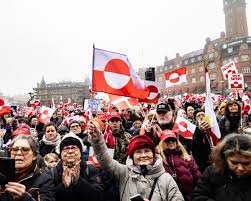 EU weighs response amid Greenland tariff crisis with Trump
 Syria President Declares Victory as Ceasefire Reached with SDF
 US Considers Asylum for British Jews Amid Rising Antisemitism
 Sydney Shark Attack Surge Shocks Australia Beaches
 ICE street raids expose a chilling future for public freedoms
 No Gas Boiler Ban as UK Warm Homes Plan Backs Heat Pumps
 Thousands Flee Cambodia Scam Centres Amid Global Pressure