Published: 24 January 2026. The English Chronicle Desk. The English Chronicle Online
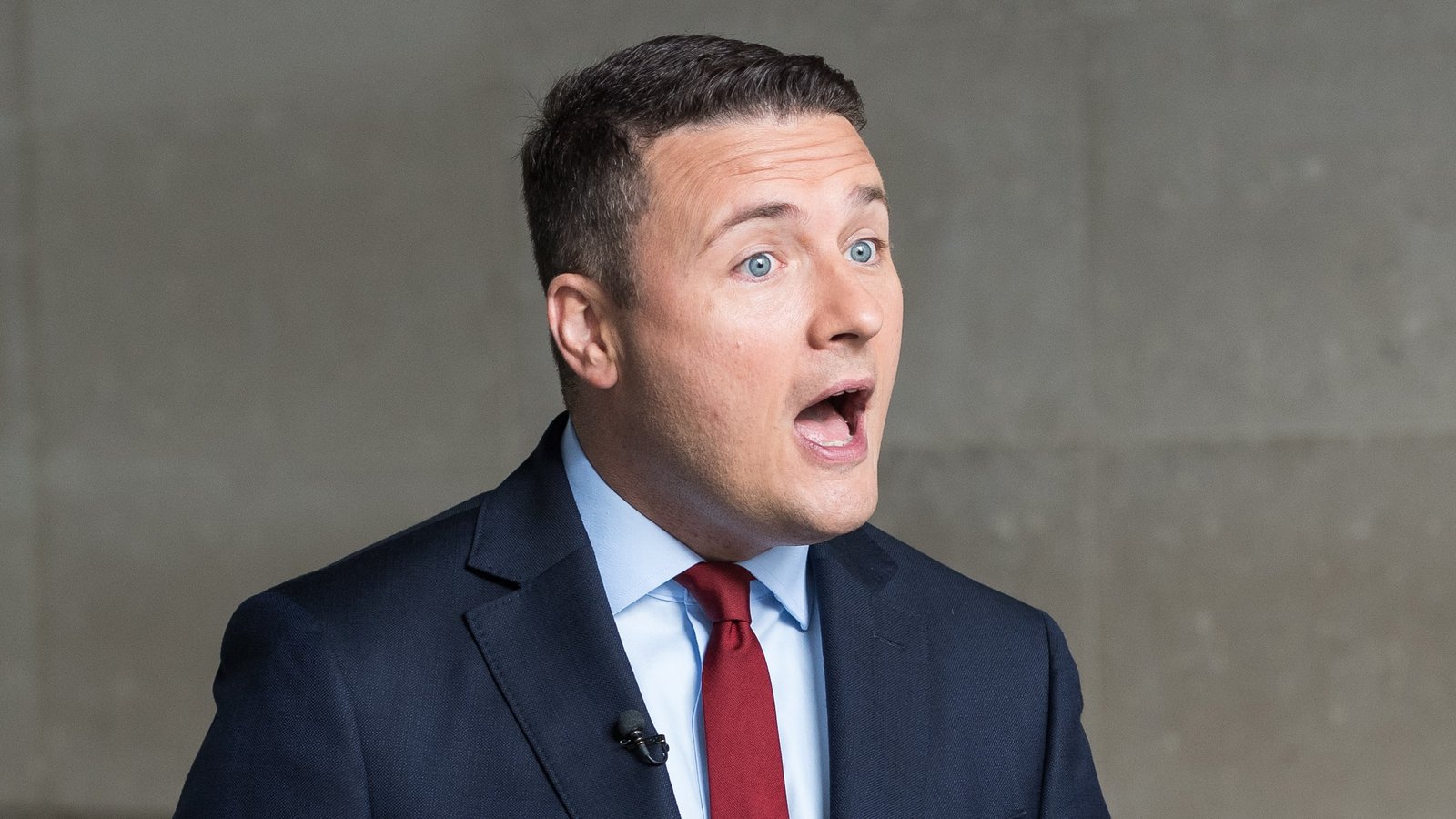
Reform UK’s proposal to offer tax relief on private health insurance would cost the public purse an estimated £1.7bn, the health secretary, Wes Streeting, is expected to warn, as Labour sharpens its attack on Nigel Farage’s party ahead of key local elections later this year.
Streeting is due to make the claim on Saturday at a conference organised by the Fabian Society, the Labour-aligned socialist thinktank, where he will frame Reform’s policy as a fundamental threat to the founding principles of the National Health Service. He is expected to describe the proposal as a “tax cut for the wealthiest” and the opening move towards an insurance-based healthcare system.
The intervention comes as Reform UK continues to poll strongly in parts of England and is predicted to make gains in May’s local elections, prompting Labour to place the NHS at the centre of its campaign strategy.
Under Reform’s 2024 general election manifesto, the party pledged to introduce 20% tax relief on all private healthcare policies. Reform argued that incentivising private provision would ease pressure on the NHS by encouraging more people to seek treatment outside the public system.

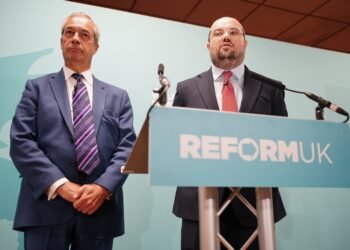
Nigel Farage, the party’s leader, reinforced that position last summer, suggesting that tax relief could help rebalance healthcare demand. “Perhaps if we gave people a bit of tax relief on paying for private health care, we might just relieve the pressure off the National Health Service,” he said at a press conference.
However, civil servants at the Department of Health and Social Care have calculated that such a policy could carry a substantial fiscal cost. Using data from the healthcare consultancy LaingBuisson, officials estimate that extending 20% tax relief across the private healthcare market would reduce tax revenues by around £1.7bn.
LaingBuisson estimates that the UK private healthcare market is worth approximately £8.6bn annually. Of that total, around £5bn comes from company-funded healthcare schemes offered to employees as a benefit in kind, while roughly £3.6bn comes from individual policies purchased directly by consumers.
Employees who receive private healthcare through their employer are currently required to pay income tax on the value of that benefit at their normal tax rate. For most workers, this means paying the basic rate of 20%. Reform’s proposal would effectively cancel out that tax liability, offering relief both to individuals and to higher-earning employees with more generous corporate healthcare packages.
Streeting is expected to argue that the policy would disproportionately benefit those already able to afford private healthcare, rather than improving access or outcomes for the wider population. According to people briefed on his speech, he will frame the £1.7bn cost as money that could otherwise be spent on NHS staff, hospital infrastructure or new technology.
“Farage says he wants an insurance-based system of healthcare,” Streeting is expected to tell the audience. “Just last year, he rejected the public funding model that has survived since 1948, saying: ‘I do not want it funded through general taxation. It does not work.’
“And if you don’t believe his words, look at his actions. Reform is committed to spending £1.7bn not on nurses, doctors, buildings or scanners, but on tax relief for customers of private healthcare.”
Streeting will argue that the proposal represents a decisive ideological shift away from a universal healthcare model, warning that it risks entrenching inequality in access to care. He is expected to characterise Reform’s vision as a system that prioritises ability to pay over clinical need.
“This tax cut for the wealthiest would be the first step on the road to Farage’s insurance system,” he is expected to say. “A system that checks your pockets before your pulse and asks for your credit card before your care.”
The health secretary is also expected to link Reform’s healthcare stance to broader realignments on the British right. Reform has recently attracted several high-profile Conservative defectors, and Labour figures have increasingly portrayed the party as a new home for policies abandoned or rejected by the mainstream Conservatives.
“Reform poses as the voice of the people while working for the interests of the powerful,” Streeting is expected to argue. “No wonder they are such an attractive destination for Boris Johnson’s Conservatives.”
The speech will underline Labour’s intention to make the NHS a central dividing line in the coming months. Streeting is expected to tell delegates that healthcare will be a major focus of Labour’s campaigning ahead of the May local elections, particularly in areas where Reform is attempting to build support among disaffected voters.
“The founding principles of the NHS are now contested terrain,” he is expected to say. “And it falls to Labour to defend them. A publicly funded public service, free at the point of use, back on its feet and fit for the future.”
Saturday’s Fabian Society conference, held in central London, will also feature senior cabinet figures including the energy secretary, Ed Miliband, and Labour’s deputy leader, Lucy Powell, underlining the importance the party places on sharpening its message around public services and economic fairness.
Reform UK, for its part, has consistently argued that its private healthcare policy is being misrepresented. Supporters of the proposal say that encouraging private provision could free up NHS capacity and shorten waiting lists, rather than undermine the public system. They also argue that individuals who choose to pay for private insurance should not be penalised through taxation.

Critics, however, have questioned whether there is any clear evidence that tax relief would significantly reduce pressure on the NHS. Health policy experts have warned that private healthcare often relies on the same workforce as the NHS, meaning that expanding the private sector could worsen staffing shortages rather than alleviate them.
There are also concerns about the long-term implications for public finances. A £1.7bn reduction in tax revenues would come at a time when the NHS is already under severe financial strain, with record waiting lists, ongoing workforce disputes and growing demand from an ageing population.
Labour strategists believe the debate over Reform’s healthcare policy offers a clear opportunity to draw ideological contrasts. By framing the issue as a choice between a tax-funded NHS and a move towards insurance-based care, they hope to mobilise voters who remain deeply attached to the principle of healthcare free at the point of use.
Whether that message will resonate in communities where Reform has gained traction remains to be seen. But with the NHS consistently ranking as one of voters’ top concerns, Labour appears determined to make healthcare policy a central battleground as Britain’s fragmented political landscape continues to evolve.
Related News:
 Celebrities and Charities Demand UK Government Act on Child Poverty
 Lancashire council plans to close care homes and day centres
 Reeves rejects £1bn plea for NHS redundancy payouts
 Boris Johnson Oversaw Toxic No 10 Culture, Covid Inquiry Finds
 Welsh Government Christmas 2020 Lockdown Criticised
 Norfolk Hospital Ranked Worst in England as NHS League Tables Return
 UK Health Leaders Push for Urgent Tobacco & Vape Bill
 British Woman in Iran ‘Losing Hope’ Amid Ongoing Detention
 Hospice Cuts Raise Alarm Across England Amid Funding Crisis
 BBC Journalist Held and Interrogated in Vietnam
 Green Party Surges Past Labour in Latest UK Poll
 Trump’s UK Ambassador Urges North Sea Drilling to Strengthen US Ties
 FBI Director Kash Patel Defends Girlfriend Amid Government Jet Claims
 Experts Warn on Home Birth Risks, Call for Skilled Midwives
 French Taxi Driver Cleared in David Lammy Theft Case After Fare Dispute
 MPs Press Rachel Reeves to Hike Gambling Taxes
 Patients to Test Health at Home to Ease NHS Winter Pressure
 London’s Childlessness Crisis: Schools Closing as Families Shrink
 Boris Johnson accused of undermining BBC leadership
 ‘Reckless’ cuts to victims’ services will cost more than they save
 Millionaires group urge Reeves to introduce wealth tax to ‘lift kids out of poverty’
 Starmer Faces Growing Dissent as Labour MPs Weigh Leadership Challenge
 Shouting Works Best to Deter Gulls, UK Study Finds
 Farage appointee to lead Reform youth accused of anti-British views
 Politics latest: Starmer ‘will fight any leadership coup’ as Streeting denies attempt to oust Labour PM
 Leading doctors issue warning amid ‘bad’ flu season
 PM Condemns Leaks, Vows Loyalty to Ministers and Stability
 Major Rent Reform Ends No-Fault Evictions in England
 Peers Flood Assisted Dying Bill with 942 Amendments
 England’s Special Needs Support Faces Breaking Point
 Senator John Fetterman Hospitalized After Fall from Heart Flare-Up, Keeps Sense of Humor
 MoD warned over Excel risks before Afghan data breach
 UK Asylum Overhaul Sparks Debate Over Human Rights and Deportations
 UK Asylum Reforms: Temporary Refugee Status and Faster Deportations
 UK Candidate Moved to Safe House After Election Threats
 Mahmood Defends Tough Overhaul of UK Asylum System
 Stroke Patient Mistaken for Drunk, Care Delayed
 UK Warns China After MI5 Issues Espionage Alert
 Westminster Advances Legacy Bill Amid Criticism
 ‘Traumatic Wait’: Northern Ireland Women Face Breast Cancer Delays
 UK Vulnerable to Attack, Defence Committee Finds
 Labour Faces Historic Decline in Wales
 Rama Rebukes Mahmood for Targeting Albanian Families
 PM Highlights UK Business at G20 in South Africa
 Kate Forbes: Motherhood Harder Than Politics
 Coffins Now Too Large to Cremate Amid Rising Obesity Crisis
 Most Tories Expect to Support a Farage-Led Government
 NHS paediatric leave parents waiting months for answers
 Labour MP claims devolution bill is ‘blatant discrimination’ against Cornwall
 Millions Face Higher Taxes Under Reeves New Budget
 Peers Get Extra Time to Debate Assisted Dying Bill
 Planned Palestinian Flag Raising at Belfast City Hall Faces Delay Amid Legal Concerns
 Five-Year-Old Dies After Rare Tonsil Surgery Complication
 Fibromyalgia Patients Struggle as NHS Fails to Provide Care
 Government righting decades-old injustice for miners
 “Enough is Enough”: Local MP Vows to Fight Rainham Quarry Plans
 Starmer Says Labour’s Economic Plan Needs Years to Deliver
 More Patients Now Contacting GPs Online, Data Shows
 Culture secretary to review Telegraph takeover by Daily Mail owner
 People in England’s Poorest Areas Face Higher Lung Health Emergencies
 Andy Burnham Apologises for Past LGBTQ+ Police Discrimination
 Minor A&E Visits Surge Across England as Hospitals Face Pressure
 Children to Receive Home Vaccines as England Acts
 Salt Intake England: Crisps Comparison Sparks Health Alarm
 Offenders to Receive Health Support During Probation Appointments
 NHS Violence Crisis: Staff Face Daily Assaults
 Celebrity Campaign Highlights SMA Screening Failures
 Plans to Limit Jury Trials Face Retreat After Mounting Opposition
 Jenrick Reform defection deepens Tory civil war
 Right Must Unite After Jenrick Defection, Urges Rees-Mogg
 UK Ministers Drop Foreign Student Targets for Global Education Push
 MPs warn AI financial risks threaten UK stability
 MPs warn AI financial risks threaten UK stability
 No Gas Boiler Ban as UK Warm Homes Plan Backs Heat Pumps
 UK Glaucoma Rise Signals Looming Eye Health Crisis by 2060
 Hugh Grant Joins Call for Under-16 Social Media Ban in UK
 Shinzo Abe’s killer receives life sentence in Japan
 Lords Vote Piles Pressure on Starmer Over Social Media Ban
 UK ADHD medication use triples over 13 years, landmark study finds
 Planned Troubles Board Game Sparks Outrage in Northern Ireland