Published: 28 January 2026. The English Chronicle Desk. The English Chronicle Online.
The United States has announced multi-day aerial military drills in the Middle East amid rising Iran tensions, signaling a firm display of airpower readiness. The focus keyword “Iran tensions” appears throughout this report as a critical element in understanding the US strategy. Air Forces Central, the air component of US Central Command, confirmed the exercises are intended to demonstrate the ability to deploy, disperse, and sustain combat airpower across the region efficiently. These maneuvers also aim to strengthen regional alliances and prepare for flexible military responses if Iran tensions escalate further.
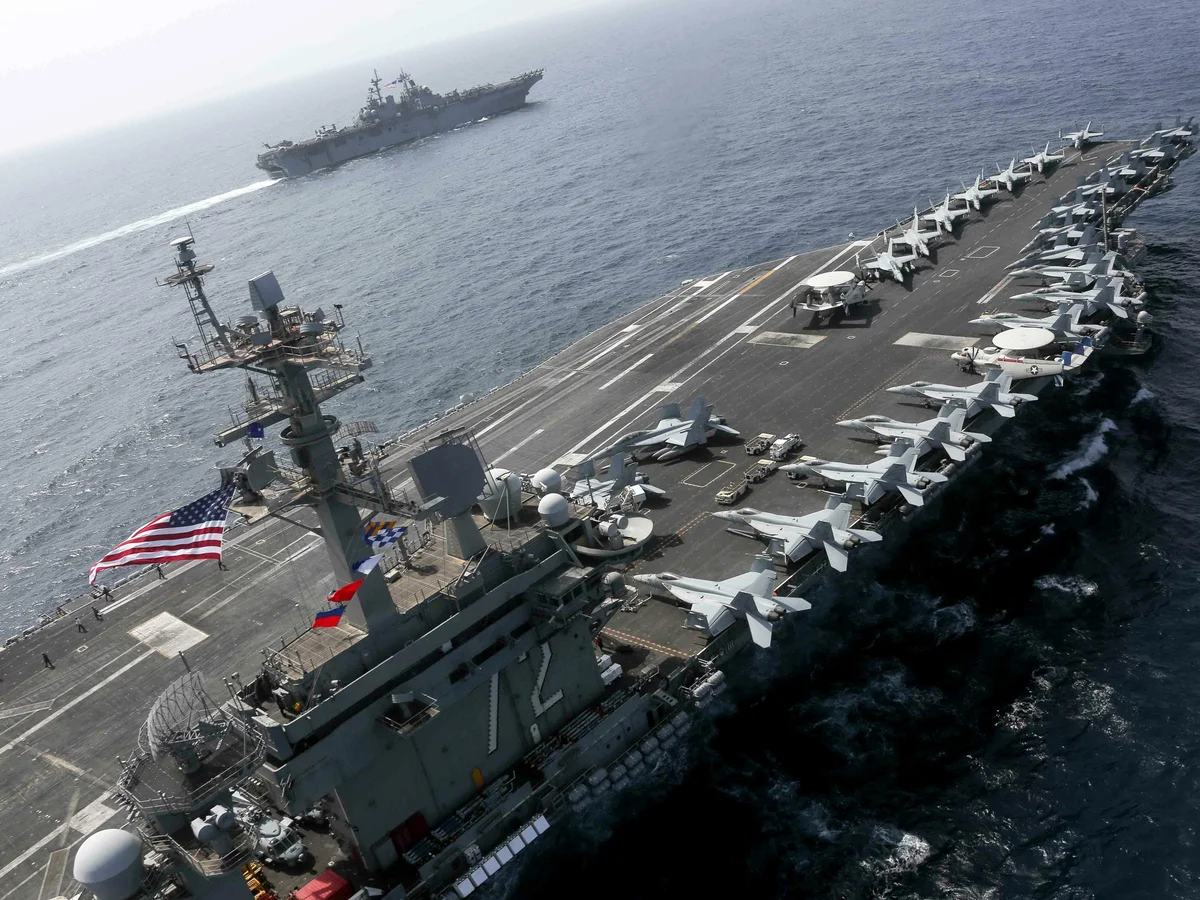
Details regarding the exact dates, locations, or participating military assets remain undisclosed, but analysts note the exercises coincide with the arrival of the USS Abraham Lincoln carrier strike group. CENTCOM revealed that this nuclear-powered aircraft carrier, equipped with dozens of fighter jets and nearly 5,000 sailors, has joined guided missile destroyers to safeguard regional air and maritime operations. The drills highlight the US commitment to maintaining a strategic posture in the Middle East, ensuring the ability to react swiftly amid Iran tensions.

The United Kingdom has also deployed Typhoon jets to the region in a defensive capacity, emphasizing transatlantic coordination. Meanwhile, a squadron of F-15E Strike Eagle fighter jets, previously involved in strikes on Iran in April 2024, has been redeployed to support the mission. CENTCOM emphasized that these operations are part of a readiness exercise, designed to improve asset dispersal, operational agility, and partnership capabilities while reassuring regional allies of US presence and preparedness.
Donald Trump, in a recent Axios interview, described the deployment as a formidable “armada” positioned near Iran, drawing comparisons to past military mobilizations in Venezuela. He stressed that while the US demonstrates strength, diplomatic channels remain open, acknowledging that Iran has sought engagement multiple times. Trump also reiterated that military action would be considered only if Iran escalates violence against detained protesters, while recent reports indicate a temporary halt in executions.
Human rights organizations continue to report significant casualties resulting from Iran’s crackdown on pro-democracy demonstrators, estimating nearly 6,000 deaths. The Iranian government acknowledges over 3,100 fatalities, though independent groups suggest numbers could exceed 30,000. These figures remain difficult to verify due to widespread censorship, Internet blackouts, and limited independent access to affected areas. The ongoing civil unrest amplifies regional instability, further justifying the US’s strategic air presence amid Iran tensions.
CENTCOM has confirmed that drills will also involve regional partners, including Bahrain, focusing on defensive measures such as drone interception and counterattack capabilities. This approach aims to reinforce cooperation while mitigating risks of inadvertent escalation. However, some Middle Eastern allies, notably the United Arab Emirates, have expressed concerns, declaring that their territory, airspace, and waters will not support potential offensive operations. They emphasize neutrality while encouraging regional stability.
The US military has pledged that all exercises will be conducted with host-nation consent and close coordination with civil and military aviation authorities. CENTCOM underscored the importance of safety, precision, and respect for sovereignty during operations, recognizing the sensitivity of the regional geopolitical environment. These carefully coordinated exercises underscore the United States’ dual approach of readiness and diplomacy, balancing deterrence with strategic restraint amid ongoing Iran tensions.
Observers note that the presence of the USS Abraham Lincoln in CENTCOM’s operational theater marks a significant escalation in US visibility and deterrence capabilities. Past deployments, including the USS Gerald Ford in the Caribbean before operations in Venezuela, illustrate the US strategy of combining naval power with air readiness to influence regional dynamics. In this context, the current drills aim to project both military capability and a commitment to alliances in the Middle East, demonstrating that the United States remains prepared to address threats while seeking diplomatic solutions.
The broader strategic context also involves monitoring Iran’s internal situation, where protests triggered by economic pressures and currency devaluation have escalated into nationwide unrest. Trump’s statements suggest that the US remains vigilant regarding human rights violations, positioning military readiness alongside calls for restraint. By deploying advanced air assets and integrating multinational forces, Washington signals its determination to maintain stability while deterring further escalation, reflecting a nuanced balance between military might and diplomatic engagement.
Experts argue that these exercises are not merely symbolic; they serve as a practical test of US airpower logistics, readiness, and operational coordination. They also reaffirm commitments to regional partners, highlighting interoperability and collective security arrangements. By demonstrating rapid deployment capabilities and preparedness for diverse contingencies, the US seeks to stabilize the region while keeping Iran tensions under strategic management.

As drills commence, analysts will monitor responses from both Iran and neighboring nations closely. Regional stability, human rights concerns, and broader geopolitical dynamics intersect, creating a complex operational landscape for the United States and its allies. By maintaining transparent communication and emphasizing collaborative exercises, the US aims to prevent miscalculations while reinforcing deterrence. The outcome of these exercises may influence diplomatic negotiations, military planning, and the broader perception of US engagement in the Middle East amid persistent Iran tensions.
The multi-day air drills signify a deliberate US approach to projecting power while managing escalating regional tensions, blending strategic foresight with operational readiness. By integrating carrier strike groups, fighter jets, and allied coordination, Washington demonstrates that preparedness and diplomacy can coexist. In an environment where every movement is scrutinized, the drills serve both as a deterrent and a reassurance, highlighting the United States’ commitment to stability and its readiness to address evolving threats. Iran tensions remain the central focus, guiding military and diplomatic actions alike, reflecting the persistent challenges shaping the security landscape of the Middle East.
Related News:
 British Woman in Iran ‘Losing Hope’ Amid Ongoing Detention
 BBC Journalist Held and Interrogated in Vietnam
 UK University Suspends Human Rights Research Following Pressure from China
 Top Christmas Books Reads: Classics to Cozy Romcoms
 World Whisky Tour: 9 Global Gems
 Just Stop Oil Protesters Convicted Amid Climate Defence Row
 Tension and Turmoil at Aston Villa v Maccabi Match
 BBC to Apologise Over Edited Trump Speech Amid Backlash
 Lando Norris Dominates Brazil GP to Strengthen F1 Title Bid
 Britain deploys RAF specialists to assist Belgium with drone threats
 Palace May Restore Hyphen to Andrew Mountbatten-Windsor’s Name
 US Senate Passes Funding Bill to End Historic Shutdown
 Suicide Bombing at Islamabad Court Kills 12, Injures Dozens
 Ukraine-Russia war latest: Putin’s troops exploit bad weather to force Kyiv withdrawal from multiple towns
 Algeria Pardons French-Algerian Novelist Sansal After Year in Jail
 Hitler’s DNA Confirms He Truly Had Only One Testicle
 US Justice Department Files Lawsuit Against California Over Partisan Voting Maps
 Oklahoma Governor Grants Last-Minute Clemency to Death Row Inmate
 Israel Confirms Returned Hostage as Meny Godard
 Greene Pushes Epstein Files Amid Trump Fallout
 Trump Deploys DHS to Charlotte in Major Arrest Operation
 December Run-Off in Chile as Election Produces No Winner
 Zelenskyy Signs Fighter Jet Deal Amid Russian Drone Attacks
 Orban Says Ukraine Has ‘No Chance’ as EU Support Continues
 Irish Hero Parrott Says Goal Brought First Tears in Years
 Canada Passes Carney’s First Budget in Tight Parliamentary Vote
 Israeli Strike Kills 13 Near Palestinian Camp in Lebanon
 Zelensky Meets US Envoy in Turkey to Push Ukraine Peace Talks
 Shadow Fleet at Sea: Europe’s Battle Against Illicit Oil Shipping
 Tiny Curacao Makes History as Smallest Nation to Reach World Cup
 Haiti Qualifies for World Cup Despite Coach Never Visiting Country
 Deadly Russian Strikes Hit Western Ukraine, 20 Killed in Ternopil
 Pentagon Officials in Ukraine to Discuss War End
 Ukraine Peace Plan: Zelensky Ready for Dialogue
 Vietnam Battles Deadly Floods as Rains Continue
 Venezuela Threatens Nobel Winner Machado with Fugitive Status
 At Least Three Dead in Bangladesh Earthquake
 Royal Navy Shadows Russian Warships Entering the Channel
 Israel Confirms Hamas Returned Dror Or’s Body
 US Suspends Afghan Immigration After White House Shooting
 Two National Guard Soldiers Critically Injured Near White House
 Georgians Defy Government Crackdown After Year of Protests
 Southern Lebanon reels as Israeli strikes shatter communities
 Mbappe Scores 4 as Real Madrid Edge Olympiakos
 Sri Lanka Floods Leave 56 Dead, Dozens Missing
 India’s Labour Law Overhaul Sparks Fierce Debate
 Tokyo court rules Japan’s same-sex marriage ban constitutional
 ‘Extinct’ Antelope Returns to Sahara, Bringing Hope
 EU plans $105bn Ukraine aid using frozen Russian assets
 Global campaign launched to free Palestinian leader Barghouti
 American Mother Extradited From UK to U.S. on Murder Charges
 Khaleda Zia, Bangladesh’s First Female Prime Minister, Dies at 80
 Russia losses Ukraine war peace talks intensify amid rising deaths
 Facebook Slow to Remove Bondi Attack Praise, Anti-Hate Group Claims
 Australian Cruise Ship Freed After Reef Grounding in Papua New Guinea
 Zelenskyy Accuses Russia of Sabotaging Peace Talks
 US Cities Erupt in Protests Against Trump’s Venezuela Military Action
 Albanese Opens Door to Bondi Royal Commission Amid Rising Pressure
 Trump Escalates Minnesota Immigration Surge Amid Rising Tensions
 Venezuela Oil Shift to US Could Disrupt China Supplies
 Iran Protesters Defy Crackdown as Violent Clashes Intensify
 US Clears Nvidia AI Chip Sales to China in Policy Shift
 Trump Threatens Strong Action If Iran Executes Protesters
 Gulf states warn Trump Iran strikes risk wider Middle East war
 Machado Trump medal gesture reshapes Venezuela power struggle
 Greenland defence seen as shared Nato duty amid troop arrivals
 Trump Receives Machado’s Nobel Medal in White House Meeting
 EU weighs response amid Greenland tariff crisis with Trump
 Syria President Declares Victory as Ceasefire Reached with SDF
 US Considers Asylum for British Jews Amid Rising Antisemitism
 Sydney Shark Attack Surge Shocks Australia Beaches
 ICE street raids expose a chilling future for public freedoms
 Thousands Flee Cambodia Scam Centres Amid Global Pressure
 Trump Aide Sparks Fury as Greenland Dispute Intensifies
 EU Says US Ties Have Suffered ‘Big Blow’ After Greenland Crisis
 Andrew Hastie Emerges as Leadership Rival to Ley
 Iran President’s Son Calls to End Iran Internet Blackout
 Starmer China visit underscores clear-eyed national security stance
 Starmer China visit raises human rights pressure on Beijing
 Arizona border shooting leaves suspect hospitalised after agent pursuit