Published: 30 January 2026. The English Chronicle Desk. The English Chronicle Online.
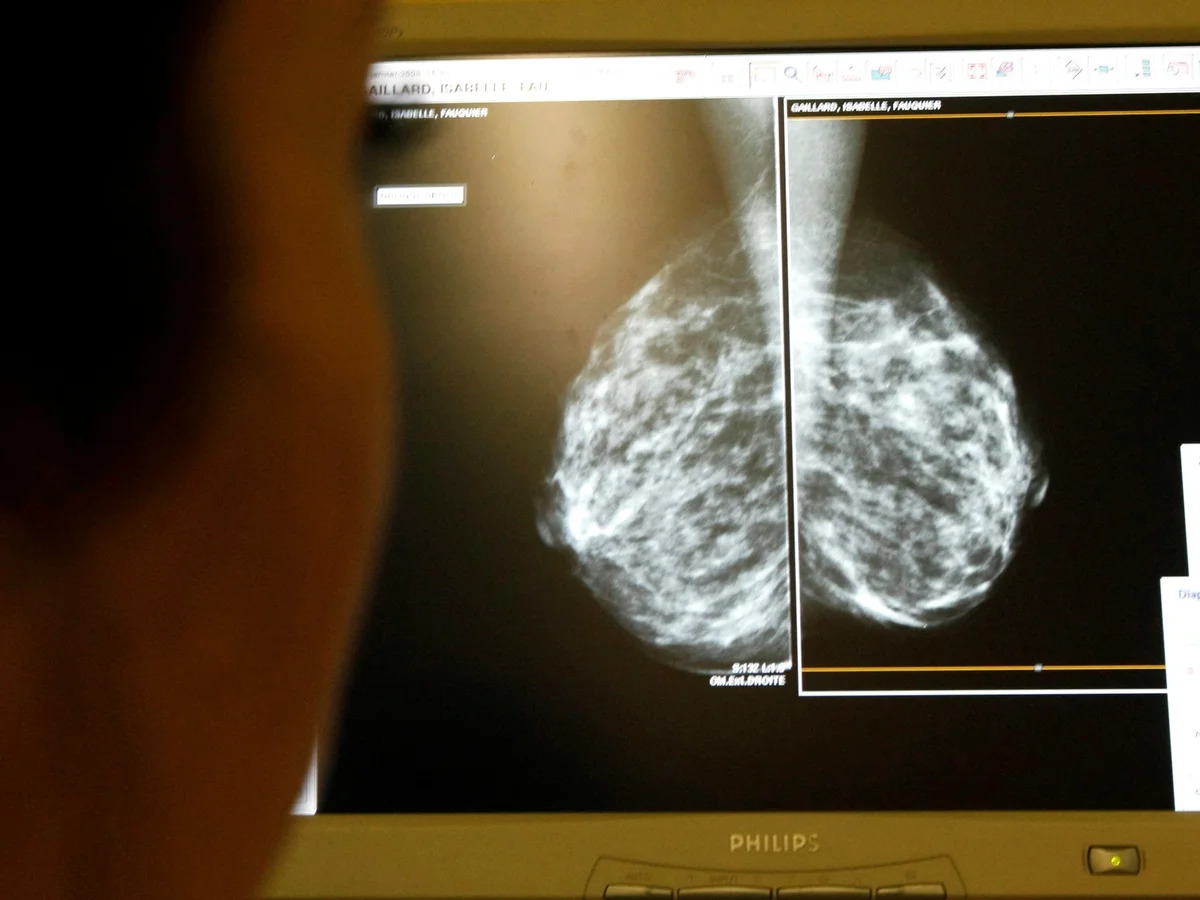
Artificial intelligence is increasingly reshaping modern medicine, and new evidence suggests it could transform early cancer detection. A major international study has found that AI breast screening significantly reduces the likelihood of women receiving a later-stage cancer diagnosis. The research indicates a measurable improvement in early detection, alongside a reduction in aggressive cancers that often require intensive treatment. For healthcare systems under pressure, the findings highlight how carefully integrated technology may support clinicians without replacing human expertise.
The study, described by researchers as the first trial of its scale, examined the impact of AI breast screening within routine mammography services. Conducted in Sweden, it involved around 100,000 women who attended scheduled breast screening appointments. Participants were randomly allocated either to traditional mammogram readings performed by two radiologists or to an AI-supported system that assisted clinical decision-making. The trial ran from April 2021 until December 2022, offering a substantial data set for analysis.

At the heart of the research was a sophisticated AI tool designed to analyse mammogram images before human review. The system categorised scans into risk levels, assigning low-risk images to a single radiologist and directing high-risk cases for double reading. Suspicious areas were highlighted to draw clinical attention, enabling radiologists to focus their expertise where it mattered most. This approach aimed to maintain safety while easing workload pressures in overstretched screening services.
Results published in The Lancet revealed that mammography supported by artificial intelligence led to a 12% reduction in cancer diagnoses during the years following screening. In numerical terms, 1.55 cancers were diagnosed per 1,000 women in the AI-supported group, compared with 1.76 per 1,000 in the standard screening group. Researchers interpret this difference as evidence that more cancers were identified earlier, reducing the number emerging later at more advanced stages.
Early detection is a critical factor in breast cancer outcomes, and the study demonstrated clear progress in this area. More than 81% of cancers in the AI-supported group were detected during routine screening appointments. By contrast, just under 74% were identified at the screening stage in the control group. This improvement suggests that AI breast screening can help identify tumours before symptoms develop, when treatment options are often less invasive and more effective.
Another striking finding concerned aggressive cancer subtypes, which tend to grow quickly and spread faster. The AI-supported group experienced nearly 27% fewer aggressive cancers than those receiving standard screening. While researchers caution that longer-term follow-up is needed, the data indicates that earlier detection may prevent some aggressive cancers from progressing unchecked between screenings.
Dr Kristina Lång of Lund University, the study’s lead author, described the results as encouraging but emphasised the need for careful implementation. She noted that AI-supported mammography could help detect cancers at an earlier stage while also reducing the workload for radiologists. However, she stressed that healthcare systems must introduce AI cautiously, using tools that are thoroughly tested and continuously monitored.
According to Dr Lång, the technology should not be viewed as a replacement for clinicians but as a support mechanism. Radiologists remain essential for interpreting results, making clinical judgments, and communicating with patients. The study itself required at least one human reader for every mammogram, reinforcing the idea that AI breast screening works best as a partnership between technology and medical expertise.
Breast cancer remains one of the most significant health challenges facing women worldwide. Globally, more than two million people are diagnosed each year, and it is a leading cause of death among women aged 35 to 50. Early diagnosis is strongly linked to survival rates, making improvements in screening accuracy particularly valuable for public health.
Despite the promising results, experts urge caution before widespread adoption. Dr Sowmiya Moorthie, a senior strategic evidence manager at Cancer Research UK, welcomed the findings but highlighted limitations. She explained that while AI-assisted readings can improve efficiency, there is ongoing concern about the risk of missed cancers. This single-centre study provides reassurance, she said, but further research across different populations and healthcare systems is essential.
Dr Moorthie added that rising cancer rates will place increasing strain on services like the NHS. Innovations such as AI breast screening could play a vital role in addressing these pressures. However, she emphasised that any new technology must undergo rigorous evaluation to ensure it genuinely benefits patients and does not introduce unintended harms.
Charities focused on breast cancer research and advocacy have also responded positively. Simon Vincent, chief scientific officer at Breast Cancer Now, said the trial underlined the enormous potential of artificial intelligence in screening programmes. He noted that screening is one of the most effective tools for detecting breast cancer early, and earlier diagnosis is closely linked to improved survival chances.
Vincent highlighted that UK trials launched recently are already exploring how AI might be safely integrated into NHS breast screening. These studies will be crucial in determining best practice, ensuring patient safety, and establishing how such tools can be deployed at scale. The Swedish findings provide a strong evidence base to support continued investigation within the UK context.
From a health policy perspective, the study raises important questions about workforce planning and resource allocation. Radiology departments across Europe face staff shortages, increasing workloads, and growing demand. AI breast screening systems that safely reduce reading volumes could help clinicians focus on complex cases, improving efficiency without compromising care standards.

However, researchers agree that technology alone cannot solve systemic challenges. Successful implementation requires investment in training, robust governance frameworks, and clear accountability structures. Continuous data monitoring is essential to ensure that AI tools perform consistently across diverse populations and over time.
Patients’ trust will also play a crucial role in adoption. Transparency about how AI systems are used, how decisions are made, and how human oversight is maintained will be key to public acceptance. The Swedish study demonstrates that when used responsibly, artificial intelligence can enhance, rather than undermine, confidence in screening programmes.
Looking ahead, longer-term follow-up will determine whether earlier detection through AI breast screening translates into reduced mortality. While fewer late-stage diagnoses and aggressive cancers are encouraging indicators, survival outcomes remain the ultimate measure of success. Researchers plan continued monitoring to assess these critical endpoints.
For now, the findings represent a significant step forward in understanding how artificial intelligence can support cancer prevention strategies. They suggest that with careful oversight, AI can strengthen existing healthcare systems and deliver tangible benefits for patients. As further trials progress in the UK and beyond, evidence from studies like this will shape the future of breast cancer screening.
Related News:
 How Bringing Forests Into Preschools Boosts Children’s Health
 UK Water Firms Ordered to Act Over ‘Forever Chemicals’ Threat
 Experts Urge Legal Right to Timely Cancer Care
 Patients to Test Health at Home to Ease NHS Winter Pressure
 North Sea oil workers must lose weight or face job loss
 No link found between paracetamol in pregnancy and autism
 NHS frontline staff forced to cover gaps as managers remain scarce
 New Research Explains Severe Diabetes in Children
 Working-Class Men with Prostate Cancer Left Behind by NHS
 New AI tool could cut wasted efforts in organ transplants
 From Baby Teeth to Bioengineering: The Future of Self-Healing Teeth
 Healthy Habits in Your 30s That Boost Life in Your 70s
 Coffins Now Too Large to Cremate Amid Rising Obesity Crisis
 Thinktank Urges Smaller Hospitals to End NHS ‘Permacrisis’
 NHS paediatric leave parents waiting months for answers
 Google Removes Some AI Health Summaries Over Safety Concerns
 AI Transforms Lung Cancer Detection in NHS Trial
 Genes May Hold the Secret to Long Life, Scientists Find
 AI Tools Used by English Councils Found to Downplay Women’s Health Issues, Raising Concerns Over Gender Bias in Care
 Shocking Rise in Children’s Exposure to Violent Online Pornography Raises Alarm
 British Pilot Joins Crew Training for Year-Long Mars Simulation Mission
 Eligibility Confusion Over COVID Vaccination Leaves Pharmacies Struggling Across the UK
 Majority of UK Men Would Opt for Prostate Cancer Screening, Survey Finds
 Genetic Tests May Predict Return of Blood Cancer
 UK Woman Becomes Longest Survivor of Heart-Lung Transplant
 ‘Game-Changing’ HIV Prevention Jab Set for NHS Approval
 Hospice Cuts Raise Alarm Across England Amid Funding Crisis
 Virgin Trains Moves Closer to Challenging Eurostar Monopoly
 Celebrities and Charities Demand UK Government Act on Child Poverty
 Experts Warn on Home Birth Risks, Call for Skilled Midwives
 UK Bans Fake Numbers: Scammers Lose Their Trick
 Vibe coding’ named Collins dictionary’s word of the year
 London’s Childlessness Crisis: Schools Closing as Families Shrink
 Britain deploys RAF specialists to assist Belgium with drone threats
 Government urges schools to ban phones to curb classroom disruption
 Seven Conditions That Automatically Qualify You for a Free Bus Pass
 Shouting Works Best to Deter Gulls, UK Study Finds
 Reeves rejects £1bn plea for NHS redundancy payouts
 Stop using ChatGPT to write speeches, AI minister tells MPs
 Northern Lights may illuminate UK skies this week
 New laws to bolster UK’s defences against cyber attacks on NHS, transport and energy
 Hitler’s DNA Confirms He Truly Had Only One Testicle
 Senator John Fetterman Hospitalized After Fall from Heart Flare-Up, Keeps Sense of Humor
 How Cultures Interpreted the Aurora Through History
 Stroke Patient Mistaken for Drunk, Care Delayed
 Sundar Pichai Cautions on AI Hype and Market Risks
 Google Chief Urges Caution: Don’t Trust AI Blindly
 UK launches major AI drive to fight deadly superbugs
 ‘Traumatic Wait’: Northern Ireland Women Face Breast Cancer Delays
 US Judge Says Meta Did Not Hold Illegal Social Media Monopoly
 Woman Meets Boy Whose Life She Saved with Kidney
 Scottish Families Take Legal Action Over School CO Leak
 Vicki Fears Losing Motability Car
 Delhi’s Toxic Air Crisis Leaves Children Sick and Vulnerable
 Five-Year-Old Dies After Rare Tonsil Surgery Complication
 Fibromyalgia Patients Struggle as NHS Fails to Provide Care
 AI Actress Creator Says Tilly Norwood Won’t Replace Actors
 More Patients Now Contacting GPs Online, Data Shows
 Kenya Signs $2.5bn Health Deal with US Amid Data Concerns
 Damien Martyn in Induced Coma After Meningitis Diagnosis
 Minor A&E Visits Surge Across England as Hospitals Face Pressure
 Children to Receive Home Vaccines as England Acts
 Childhood Hypertension Sparks Urgent UK Testing Calls
 AI Grok Sparks Child Safety Alarm in the UK
 Offenders to Receive Health Support During Probation Appointments
 NHS Violence Crisis: Staff Face Daily Assaults
 Celebrity Campaign Highlights SMA Screening Failures
 US Clears Nvidia AI Chip Sales to China in Policy Shift
 Amazon Milton Keynes closure sparks concern for UK warehouse workforce
 Astronomers Prepare for First-Ever Movie of a Black Hole
 Robo-Vaccination Could Transform Fight Against Bovine TB
 MPs warn AI financial risks threaten UK stability
 MPs warn AI financial risks threaten UK stability
 UK Glaucoma Rise Signals Looming Eye Health Crisis by 2060
 UK ADHD medication use triples over 13 years, landmark study finds
 Reform UK Health Plan ‘Would Cost £1.7bn’, Streeting Says
 NHS boosts bowel screening accuracy with FIT reform
 Nottingham survivor warns of repeat attacks without mental health reform
 Pornhub blocks new UK users over age checks dispute
 Amazon mistakenly signals new global layoffs to employees