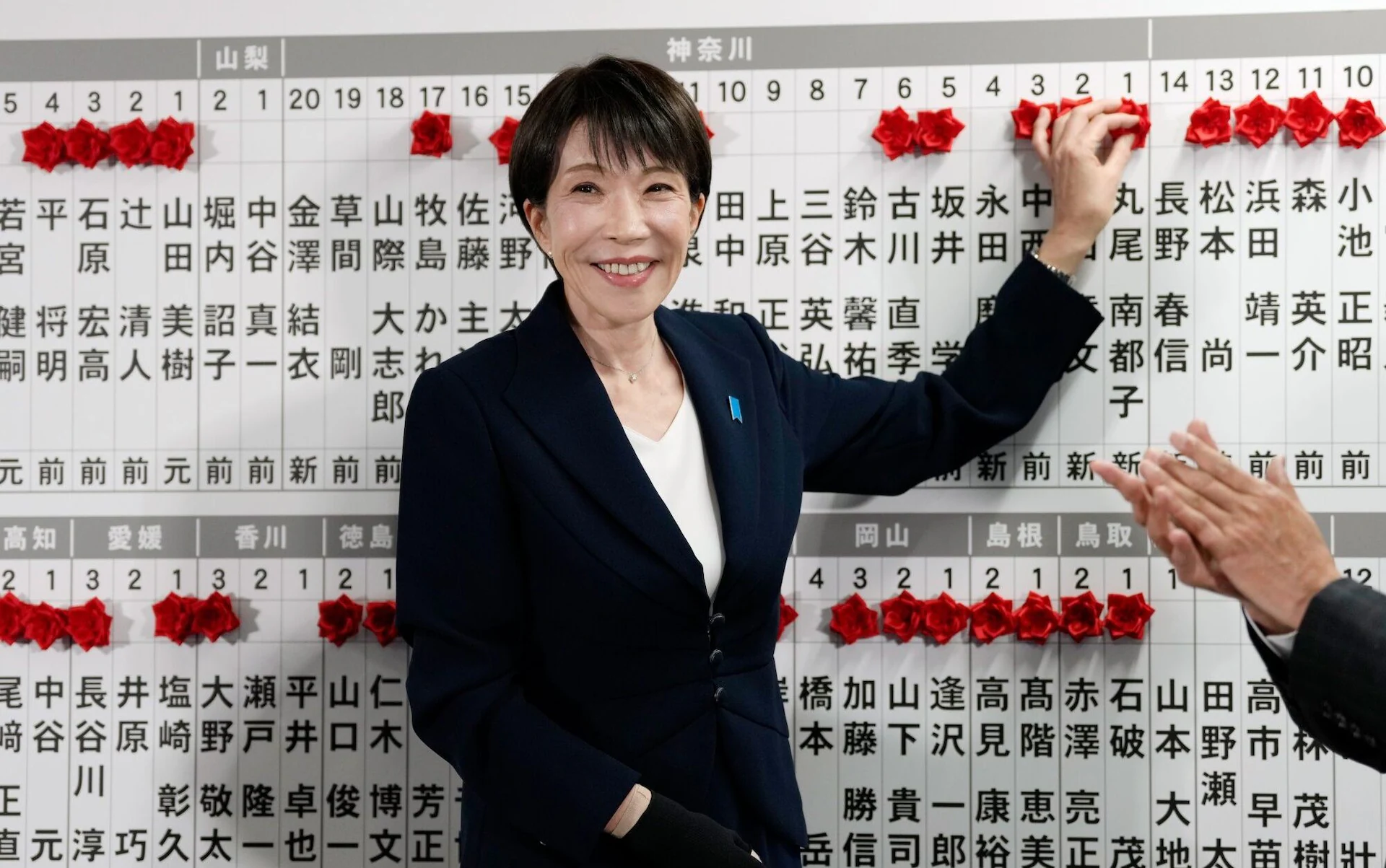
Japan has taken a historic step as it entrusts the leadership of the nation to its first female prime minister. With expectations high and scrutiny intense, the new premier faces both opportunities and challenges in steering one of the world’s largest economies through a period of domestic and international uncertainty.
The announcement of her premiership marks a symbolic and practical shift in Japanese politics, traditionally dominated by male leaders. Analysts note that her appointment represents not only a breakthrough for gender equality but also a potential redefinition of Japan’s policy priorities, ranging from economic reform and social issues to foreign relations and national security.
Japan’s political landscape has long been criticised for its lack of gender diversity. For decades, leadership positions within the government, parliament, and ruling party have overwhelmingly been held by men. The selection of a female prime minister, therefore, resonates as both a symbolic achievement for women in leadership and a practical signal of change.

The new prime minister, whose political career spans decades of public service, is widely regarded as a pragmatic reformer. Her track record includes economic initiatives, social policy advancements, and efforts to strengthen Japan’s international profile. While some observers caution against overestimating the immediate impact of her appointment, others highlight her ability to navigate Japan’s complex political system and enact meaningful change.
At home, Japan faces a range of pressing issues. The economy continues to grapple with slow growth, an ageing population, and challenges to workforce productivity. Public confidence in the government is crucial, and the new prime minister will need to balance reformist ambitions with practical policy implementation.
Experts suggest that her gender may bring fresh perspectives to long-standing problems. For instance, initiatives to improve work-life balance, increase female participation in the workforce, and modernise childcare and eldercare systems are expected to gain renewed focus.
Japan’s first female prime minister will also be under scrutiny on the global stage. The country plays a key role in regional security, particularly amid rising tensions in East Asia. Relations with China, North Korea, and the United States will be closely monitored, and her ability to navigate diplomatic challenges could shape Japan’s position in international affairs.
In addition, she inherits leadership during a period of economic uncertainty worldwide. Trade negotiations, supply chain resilience, and technological innovation will be critical areas where her leadership is expected to have an impact.
The new prime minister’s appointment was backed by her party’s leadership and coalition partners, reflecting confidence in her ability to lead. However, she faces opposition both from rival parties and from entrenched interests within her own ranks. Political analysts emphasise that maintaining coalition unity will be essential for enacting reforms and avoiding gridlock in parliament.
Opposition leaders have pledged to hold her accountable on issues ranging from fiscal policy to national security. Meanwhile, within her party, senior figures are reportedly keen to observe how she balances reformist ambitions with traditional party expectations.
Public reaction in Japan has been largely positive, with citizens expressing hope that her premiership could usher in new approaches to persistent challenges. Gender equality advocates have celebrated the milestone, highlighting the importance of female representation in top leadership roles.
Social media platforms have been abuzz with commentary and discussion, using hashtags such as #FirstFemalePM, #JapanLeadership, and #GenderEquality, reflecting widespread interest and optimism.
Observers note that the new prime minister is known for a pragmatic, collaborative leadership style. She has emphasised transparency, evidence-based decision-making, and a willingness to engage stakeholders across society. Analysts predict that she will seek to combine economic pragmatism with social progress, aiming to balance growth with inclusivity.
Some of her initial policy signals include:
-
Investment in technology and innovation to boost productivity.
-
Support for women in business and politics, aiming to reduce the gender gap.
-
Strengthening disaster preparedness and environmental policy in response to climate challenges.
Despite widespread optimism, challenges loom large. Japan’s entrenched political culture, resistance to change in certain sectors, and global uncertainties could constrain her ability to enact reforms. Furthermore, expectations for visible progress are high, and any perceived missteps may attract intense scrutiny both domestically and internationally.
Analysts emphasise that while her appointment is historic, success will depend on a combination of political skill, coalition management, and effective policy delivery.
Japan’s first female prime minister will also shape the country’s global image. Leadership diversity is increasingly valued in international forums, and her premiership may enhance Japan’s standing in diplomacy, trade negotiations, and multinational initiatives.
Her tenure will be watched closely by allies such as the United States, which has emphasised shared security interests in the Asia-Pacific region. Similarly, China and other regional powers will monitor her approach to territorial disputes, defence posture, and economic partnerships.
Beyond policy, her appointment carries deep symbolic significance. It challenges traditional norms in Japanese society, where gender roles have historically limited opportunities for women in leadership. By occupying the highest political office, she represents a potential shift in societal expectations and aspirations, inspiring future generations of women leaders.
Experts in gender studies note that visibility in top roles is crucial for cultural change, and the new prime minister’s actions and policies could have long-term effects on how women are represented across politics, business, and civil society in Japan.
Japan’s first female prime minister represents a historic milestone in leadership, gender equality, and political evolution. While her tenure will undoubtedly face challenges, both domestic and international, it also offers an unprecedented opportunity to demonstrate innovative governance, inclusive policymaking, and strong leadership on the global stage.

Whether she can deliver on lofty expectations remains to be seen, but her appointment is a powerful symbol of change in a country historically resistant to female leadership. As Japan and the world watch closely, her premiership may define a new era in Japanese politics and influence discussions about leadership, equality, and progress across Asia and beyond.
Related News:
 Kinnock’s Rebuke Echoes Loudly as Corbyn Allies Launch Left-Wing Breakaway: “A Gift to Farage”
 UK and Norway Forge Stronger Ties Through Joint Sanctions and Enhanced Defence Cooperation
 Trump Administration Dismisses 17 Immigration Judges, Sparking Debate Over Judicial Independence
 Lammy Condemns Israel’s Targeting of Starving Palestinians: Sanctions Threatened Amid Global Outrage
 Modi’s London Visit Seals Historic UK-India Trade Pact Amid Global Tensions
 UK Must Act with Courage and Clarity on Israel-Palestine Conflict, Says Foreign Affairs Committee Report
 Trump Threatens 100% Tariff on Nations Importing Russian Oil Amid India Standoff Over Ukraine War
 MPs Call on UK Government to Delay Biometric Visa Checks for Gaza Students Amid Humanitarian Crisis
 Netanyahu Announces Plan to Take Over Gaza City, Escalating Conflict Further
 Radioactive Leak at UK’s Nuclear Warhead Base Sparks Outcry Over Safety and Secrecy
 Lammy and Vance Meet in Britain to Advance US-Brokered Ukraine Peace Talks
 Mutual Inconvenience: Why Alaska Was Chosen for the Trump-Putin Summit on Ukraine
 Prominent Al Jazeera Journalist Anas al-Sharif Among Five Reporters Killed in Israeli Airstrike on Gaza
 Hong Kong Summons UK and Australian Envoys Following Asylum Grants to Democracy Activists
 Is the UK Ready to Put Boots on the Ground in Ukraine? Assessing Military Capacity and Challenges
 Ukraine-Russia War Latest: Trump Suggests Putin Avoiding Zelensky Summit Due to ‘Personal Dislike’
 Protests Expected as Israeli Arms Firms Join Global Defence Trade Fair in London
 Trump Appears Sidelined as Israel’s Unprecedented Strikes Hit Qatar
 Conservative Influencer Charlie Kirk Fatally Shot During University Debate
 Thousands Gather in London to Protest Donald Trump’s Second UK State Visit
Trump Urges UK to “Call Out the Military” to Secure Borders Amid State Visit
Thousands Gather in London to Protest Donald Trump’s Second UK State Visit
Trump Urges UK to “Call Out the Military” to Secure Borders Amid State Visit
 Channel Crossings Surge: Over 1,000 People Arrive in the UK in Small Boats in a Single Day
 Widow of Charlie Kirk Forgives Killer at Emotional Memorial Service
 Denmark Investigates Professional Drone Incursions Across Multiple Airports, No Evidence of Russian Involvement
 UK Fighter Jet Purchase Could Breach Nuclear Treaty, Warns CND
 Yvette Cooper Signals Global Momentum Towards Gaza Peace Deal Amid Humanitarian Crisis
 A Third of EU Citizens in UK Report Discrimination by Public Bodies Post-Brexit
 Jailed Georgian Opposition Leaders Warn UK of Iranian Links to Ruling Party
 Misinformation and Political Pressure Force Weston-super-Mare to Abandon Refugee Sanctuary Plan
 Public Trust in SNP Hits Historic Low Amid NHS Concerns
 Johnson Suggests Mandelson Linked to China Spy Controversy
 Witness statements reveal the CPS China spy row collapse in the UK
 Rachel Reeves signals welfare reform ahead of key budget
 Kosovo agrees to host Britain’s refused asylum seekers
 Ireland Votes as Two Women Compete for Presidency
 Russia’s Latest Push to Win US Favors Shows Deep Desperation
 Experts Warn Russia’s Burevestnik Missile Could Destabilise Arms Control
 British Woman in Iran ‘Losing Hope’ Amid Ongoing Detention
 Johnson Approved China’s London ‘Super-Embassy’ in 2018
 BBC Journalist Held and Interrogated in Vietnam
 UK University Suspends Human Rights Research Following Pressure from China
 UK University Faces Counter-Terror Probe Over China Pressure
 BBC to Apologise Over Edited Trump Speech Amid Backlash
 Britain deploys RAF specialists to assist Belgium with drone threats
 Ukraine-Russia war latest: Putin’s troops exploit bad weather to force Kyiv withdrawal from multiple towns
 Trump Urges Herzog to Grant Netanyahu Full Pardon
 US Justice Department Files Lawsuit Against California Over Partisan Voting Maps
 Indian authorities demolish Kashmir home linked to Red Fort blast
 Greene Pushes Epstein Files Amid Trump Fallout
 Trump Deploys DHS to Charlotte in Major Arrest Operation
 December Run-Off in Chile as Election Produces No Winner
 Canada Passes Carney’s First Budget in Tight Parliamentary Vote
 Shadow Fleet at Sea: Europe’s Battle Against Illicit Oil Shipping
 Pentagon Officials in Ukraine to Discuss War End
 India’s COP30 Delay Raises Global Climate Concerns
 Venezuela Threatens Nobel Winner Machado with Fugitive Status
 Trump Envoy to Discuss Ukraine Peace at Kremlin
 Georgians Defy Government Crackdown After Year of Protests
 India’s Labour Law Overhaul Sparks Fierce Debate
 EU plans $105bn Ukraine aid using frozen Russian assets
 Global campaign launched to free Palestinian leader Barghouti
 Russia losses Ukraine war peace talks intensify amid rising deaths
 Zelenskyy Accuses Russia of Sabotaging Peace Talks
 Albanese Opens Door to Bondi Royal Commission Amid Rising Pressure
 Trump Escalates Minnesota Immigration Surge Amid Rising Tensions
 Iran Protesters Defy Crackdown as Violent Clashes Intensify
 Trump Threatens Strong Action If Iran Executes Protesters
 Machado Trump medal gesture reshapes Venezuela power struggle
 Trump Receives Machado’s Nobel Medal in White House Meeting
 EU weighs response amid Greenland tariff crisis with Trump
 US Considers Asylum for British Jews Amid Rising Antisemitism
 ICE street raids expose a chilling future for public freedoms
 Coalition crisis deepens after Nationals frontbench resignations
 EU Says US Ties Have Suffered ‘Big Blow’ After Greenland Crisis
 Andrew Hastie Emerges as Leadership Rival to Ley
 Starmer China visit underscores clear-eyed national security stance
 Starmer China visit raises human rights pressure on Beijing
 Israel Moves to Bar MSF From Gaza Operations
 Trump Praises ‘Terrific’ Petro After White House Talks
 Fears of New Arms Race as US-Russia Nuclear Weapons Treaty Expires