Published: 17 February 2026. The English Chronicle Desk. The English Chronicle Online.
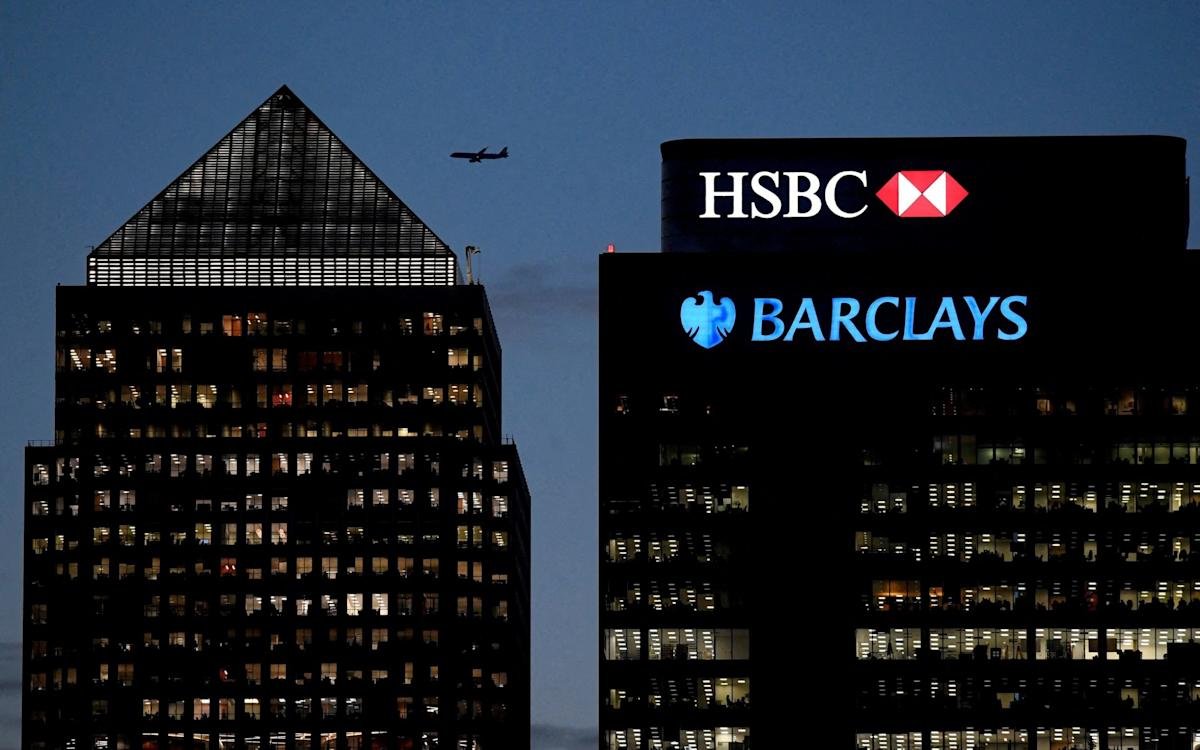
Senior banking figures are moving swiftly to design a Visa Mastercard alternative as geopolitical tensions raise new financial concerns. The decision follows mounting anxiety that political disputes could threaten access to US-owned payment networks. A high-level meeting chaired by Barclays UK chief executive Vim Maru will convene this Thursday in London. The gathering will bring together leading City institutions prepared to fund and oversee the proposed system. Their aim is clear and urgent. They want to protect Britain’s financial stability through a credible Visa Mastercard alternative that ensures economic continuity.
For years, policymakers and regulators discussed creating a sovereign backup to dominant global card schemes. Those conversations remained largely theoretical until recent diplomatic tensions reignited fears about financial vulnerability. Statements from former US President Donald Trump regarding Nato allies and Greenland unsettled European governments. Though no formal action has targeted payment systems, the rhetoric sharpened awareness of dependency risks. In Britain, officials quietly revived discussions about contingency planning. The new Visa Mastercard alternative now represents the most concrete expression of those long-running concerns.
According to a 2025 report by the Payment Systems Regulator, around ninety-five percent of UK card transactions run through Visa and Mastercard infrastructure. That dominance illustrates how deeply embedded these American companies are within British commerce. Cash use continues to decline across the country, particularly among younger consumers and urban businesses. Digital transactions have become routine for groceries, transport, hospitality and online retail. Any interruption would cause immediate and widespread disruption. Bank executives privately admit that switching off card systems would paralyse daily life.

One senior executive familiar with discussions described the scenario in stark terms. If Mastercard and Visa stopped operating in Britain, the economy would revert decades overnight. Businesses would scramble for cash reserves. Consumers could find themselves unable to access funds for essential purchases. Though such a scenario remains hypothetical, the experience of Russia after sanctions offers cautionary lessons. When US sanctions forced Visa and Mastercard to suspend operations there, many citizens faced serious transactional challenges. The UK wants safeguards long before any comparable crisis emerges.
Across Europe, similar conversations are unfolding with renewed intensity. Politicians in Brussels have publicly advocated for independent infrastructure beyond American control. Aurore Lalucq, chair of the European Parliament’s economic committee, warned that payment sovereignty is essential. Her comments gained significant attention online and within policy circles. She argued that reliance on foreign systems for critical services exposes Europe to undue pressure. While Britain has taken a more measured tone, the underlying objective is similar. Officials prefer resilience without overt confrontation.
Unlike some continental proposals, the British initiative seeks cooperation rather than exclusion. Both Visa and Mastercard are participating in discussions about the new framework. Their involvement signals recognition that competition and contingency can coexist. Executives from Santander UK, NatWest, Nationwide, Lloyds Banking Group and Coventry Building Society will join the funding consortium. The ATM network body Link is also expected to contribute expertise. Together, these institutions will finance and shape the emerging entity provisionally called DeliveryCo.
DeliveryCo will establish governance structures, leadership appointments and long-term funding arrangements. The Bank of England will provide technical guidance and infrastructure blueprints. Deputy Governor Sarah Breeden recently noted that additional payment rails enhance resilience in uncertain cyber environments. She emphasised operational security rather than geopolitical risk as the driving concern. Publicly, officials avoid framing the move as a reaction to specific American threats. Privately, bankers acknowledge that global politics cannot be separated from economic infrastructure.
The proposed Visa Mastercard alternative would not replace existing networks immediately. Instead, it would function as a parallel system ready for activation during disruption. Experts estimate full implementation could occur by 2030. That timeline reflects the complexity of designing nationwide infrastructure compatible with existing banking technology. It also allows time for regulatory oversight and industry consultation. Financial analysts caution that costs will be significant. However, supporters argue that preparedness outweighs expense in safeguarding national stability.
Visa and Mastercard have responded with careful diplomacy. Both companies reaffirmed commitment to the British market and welcomed innovation. Visa highlighted its record of secure digital payments and expressed support for fair competition. Mastercard underscored decades of investment within the UK economy. Neither company signalled opposition to the initiative. Instead, executives framed the project as part of a broader evolution in payment ecosystems. Their participation may help ease political sensitivities surrounding the Visa Mastercard alternative.
The decline of cash underpins much of the urgency behind this effort. Consumers increasingly rely on contactless cards and mobile wallets for everyday purchases. Small businesses have adapted operations around electronic transactions. Public transport systems depend heavily on card-based payments. Even charitable donations and market stalls now use digital readers. This structural shift leaves little room for fallback options if systems fail. Economists note that financial infrastructure resembles energy grids or telecommunications networks. When it works, it remains invisible. When it fails, consequences escalate rapidly.
Britain’s approach reflects a pragmatic balancing act. Policymakers aim to strengthen sovereignty without undermining transatlantic partnerships. The United States remains a critical ally in defence and trade. Yet economic interdependence carries inherent vulnerabilities. By developing a domestic backup, officials hope to reassure businesses and citizens alike. The Visa Mastercard alternative embodies strategic caution rather than hostility. It recognises that resilience in the digital age requires diversified foundations.

City insiders describe the forthcoming meeting as a milestone moment. For the first time, funding commitments and structural plans will move beyond theory. Legal frameworks must be drafted. Governance boards must be appointed. Technical standards must align with existing banking architecture. DeliveryCo’s mandate will involve careful coordination among competitors who share mutual interest in systemic stability. Observers suggest that cooperation between rivals underscores the seriousness of perceived risk.
Joe Garner, former Nationwide chief executive and adviser on national payments strategy, has consistently argued for reform. He believes the need predates recent geopolitical tensions. In his view, digital transformation alone justifies diversified infrastructure. Whether or not international politics escalate further, the economic logic stands. The Visa Mastercard alternative therefore represents long-term strategy rather than short-term reaction. It signals recognition that financial sovereignty forms part of broader national resilience planning.
As discussions progress, public attention will likely intensify. Consumers may wonder whether changes affect daily banking routines. For now, officials insist that existing systems remain secure and reliable. The initiative is preventative, not reactive. Yet the symbolism resonates widely. In an era defined by shifting alliances and cyber uncertainty, control over payment channels carries profound significance. Britain’s banking leaders appear determined to ensure that essential commerce never depends solely on external decisions.
Related News:
 Reeves Faces Setback as Labour May Miss Homes Target
 Virgin Trains Moves Closer to Challenging Eurostar Monopoly
 Trump’s UK Ambassador Urges North Sea Drilling to Strengthen US Ties
 Ryanair Chief UK Economy ‘Doomed’ Under Labour
 M&S Profits More Than Halve After Cyber-Attack
 Millionaires group urge Reeves to introduce wealth tax to ‘lift kids out of poverty’
 From Lego to Pokémon: How Adults Are Driving UK Toy Market Growth
 Canada Passes Carney’s First Budget in Tight Parliamentary Vote
 Starmer Says Labour’s Economic Plan Needs Years to Deliver
 Virgin Media Fined £23.8m Over Telecare Safety Failures
 Starmer Faces Parliamentary Battles Over UK-EU ‘Reset’ Plan
 Reeves Pub Business Rates U-Turn Calms Labour Revolt
 ScottishPower Tops List of Worst UK Energy Suppliers
 Markets Slide As Gold Rally Signals Risk From Trump Greenland Tariff Plan
 UK Eyes Global Investment with Visa Fee Refunds
 City & Guilds pay surge sparks backlash amid £22m cuts
 UK Inflation Hits 3.4% in December, Ending Five-Month Decline
 Trump Fed bid heads to Supreme Court
 ‘Black Tax’: Burden, Pride and Survival for African Workers
 AI job losses UK: Britain faces sharper employment shock
 India-EU Free Trade Deal Marks Historic Economic Shift
 EU Signals Open Mind on UK Customs Union Talks
 Telstra AI jobs cuts as automation drive expands
 BT Names New Openreach Chief Amid Major Fibre Expansion
 UK shelves £110m border project amid trade strain
 UK Inflation Surprise Sparks Early Rate Cut Hopes
 Aston Martin Cuts 20% Jobs Amid £363m Loss
 Reeves Must Back Defence Plan or Face Dismissal, Says Unite Chief
 Switching Energy Deal Can Save £200 as Price Cap Falls
 Grocery Inflation Rises Amid War Fears
 Peak Greggs fears as profits tumble sharply
 BrewDog sold Highland estate for knockdown price after abandoning reforestation plans
 Yorkshire Water Funding Sparks Debate Amid Fines and Pay Row
 Abramovich Chelsea Sale Cash Faces Jersey Probe
 Tesla Enters British Energy Market Following Ofgem Approval
 The Truth Behind Rising Energy Costs and Fossil Fuel Myths
 UK Energy Reform Could Cut Bills by £200
 Oil Slides, Stocks Jump on Trump Peace Signals
 Trump to Deploy “God Squad” Over Gulf Wildlife Protections
 Iran Drone Strike Hits Kuwaiti Oil Tanker in Dubai Port
 Trump Slams Europe as Transatlantic Tensions Boil Over
 Hospitality Sector Teeters on Brink as Costs Surge
 UK Small Firms Face Crisis as Energy Bills Double Amid War
 Oil Prices Surge as Trump Issues New Deadline to Iran
 City Firms See Sharpest Fortune Reversal in Thirty Years
 Markets Surge as Trump Agrees to Iran Ceasefire Terms
 Stefano Gabbana Resigns as Chair of Italian Luxury Giant
 Rolls-Royce SMR Secures £600m Boost for Nuclear Future
 IMF Warns Iran War Could Spark Deep Global Recession
 Trump Rate Cuts Risk ‘Banana Republic’ Status, Says Yellen
 Primark Set for Independence from ABF Food Giant
 $13bn World Cup Set to Break All Revenue Records
 Trump approval plunges amid Iran war fears
 Tough Fiscal Realities Await Next Scottish Government
 US Awaits Iran Reply on New Ceasefire Proposal
 Aramco Surges as East-West Pipeline Counters Gulf Tensions
 Big Tobacco Under Fire Over Controversial New Ad Campaign
 High Street Crisis: Fears Grow Over Post Office Closures
 UK Firms Freeze Spending as Iran Conflict Bites
 Summer Shock: British Energy Bills Set for Grim July Hike
 Reeves to Fast-Track Clean Energy Amid Iran Crisis
 Oil Markets Face ‘Red Zone’ Threat Amid Iran Crisis
 Belfast Approves Pilot Extension of Sunday Trading Hours
 Albanese Defends Tax Reforms Amid Emotional Speech
 Tube Strike Brings Capital to a Standstill Over Shift Disputes
 BP Stands Firm on Amanda Blanc Amid Boardroom Storm
 UK House Prices Drop For Third Month Due To War Fears
 Top Chefs Back Andy Burnham to Save UK Hospitality Sector
 GSK Secures Landmark $10.6bn Deal for Nuvalent
 UK Economy Suffers a Sharp Downturn as Iran Conflict Bites
 AI Scams Push UK Investment Fraud Past £220m
 Rethinking the Blueprint for Youth Employment in Britain
 Sainsbury’s Boss Optimistic As Grocery Inflation Eases
 UK Households Suffer Squeeze As Disposable Incomes Drop
 Creditors Eye Thames Water Even Under Nationalisation
 Record £28m Fine for Virgin Media Over Cancellation Woes
 Jet2 Sees Summer Surge Despite Global Tensions
 Ukraine Creates Long-Range Strike Command
 BBC Faces Real Jeopardy as Licence Fee Income Declines
 Thames Water Future Remains Uncertain Amid Funding Crunch