Published: 28 February 2026. The English Chronicle Desk. The English Chronicle Online
Newly released documents from the U.S. Department of Justice reveal that Jeffrey Epstein, the disgraced financier and convicted sex offender, attempted to purchase a luxury palace in Morocco just days before his 2019 arrest on federal sex trafficking charges. The disclosures shed fresh light on Epstein’s financial manoeuvring as scrutiny intensified and legal pressure mounted.

The estate in question — a sprawling palace near Marrakesh known as Bin Ennakhil, set within verdant grounds with fountains, olive trees and lavish interior spaces — was a high‑profile property, with a proposed price in the tens of millions of dollars. Documents show that between 26 June and 9 July 2019, Charles Schwab Corp carried out a series of wire transfers totalling roughly $27.7 million on Epstein’s behalf to the Moroccan realtor handling the sale, as part of an attempt to secure the deal, according to court filings.
One of the transfers, authorised on 4 July, was nearly €15 million (about $14.95 million), though the account lacked sufficient funds because a previous transfer had not yet been credited back, leading to the reversal of the payment. Records show the initial €11.15 million transfer was also reversed after terms fell through. Accounts tied to Epstein’s companies were aggressively reviewed by banks amid growing legal scrutiny, and compliance teams flagged the real estate transactions as suspicious.
Sources including the Department of Justice report that Schwab later filed a suspicious activity report with U.S. authorities after Epstein’s July 2019 arrest, which marked the climax of a years‑long investigation into his alleged sexual abuse and trafficking of minors. Epstein was taken into custody on 6 July 2019 at Teterboro Airport in New Jersey before the Moroccan deal was finalised.
The palace deal ultimately collapsed, and the property was later sold to another buyer. The revelations have drawn attention because they show how Epstein was still attempting major overseas investments at a time when his finances were tightening and authorities were closing in. They also contribute to the broader puzzle of how his offshore financial structures and networks intersected with his movements and legal jeopardy in the final months before arrest.

Analysts note that Epstein’s financial activities in Morocco — including previous interests in the region — reflect his far‑reaching global footprint in wealth and real estate, raising questions about how luxury properties and trusts were used to preserve his assets amid escalating investigations. The new disclosures are part of an expanding cache of government documents released under court orders and transparency initiatives related to Epstein’s estate and criminal cases.
Related News:
 Epstein Files Reveal High‑Profile Names in New US Government Release
 Northern Ireland Family of Three Shot Dead in Maguiresbridge Home Incident
 Seventeen Dead as Russia Targets Ukrainian Prison in Devastating Airstrike
 A Fugitive’s Double Life Uncovered: My Interview with Nicholas Rossi, Scotland’s Notorious Escapee Facing Utah Rape Trial
 Failed New Mexico Candidate Sentenced to 80 Years for Drive-By Shootings at Lawmakers’ Homes
 Madeleine McCann Case: German Woman at Centre of Hit-and-Run Theory Speaks Out
 Australian Mushroom Murderer Sentenced to Life in Prison
 UK Home Office to Launch French Beach Signage to Warn Asylum Seekers of Risks
Channel Crossings Surge: Over 1,000 People Arrive in the UK in Small Boats in a Single Day
UK Home Office to Launch French Beach Signage to Warn Asylum Seekers of Risks
Channel Crossings Surge: Over 1,000 People Arrive in the UK in Small Boats in a Single Day
 Jailed Georgian Opposition Leaders Warn UK of Iranian Links to Ruling Party
 Cooper Unveils £4m Cyber Plan Against Russian Hackers
 Kosovo agrees to host Britain’s refused asylum seekers
 WW2 Pilot’s Long-Lost Crash Site Unearthed in Essex
 Trump Speaks on Prince Andrew’s Royal Scandal Fallout
 UK University Faces Counter-Terror Probe Over China Pressure
 Just Stop Oil Protesters Convicted Amid Climate Defence Row
 British Grandmother to Return Home After Death Sentence in Bali
 BBC’s Tim Davie to Address Staff Amid Trump $1bn Threat
 Ukraine-Russia war latest: Putin’s troops exploit bad weather to force Kyiv withdrawal from multiple towns
 New Epstein Files Spark Political Clash in Washington
 New review urges UK to repatriate Shamima Begum, others from Syria
 Newly released emails reveal Epstein kept close eye on Trump
 Oklahoma Governor Grants Last-Minute Clemency to Death Row Inmate
 US Pushes Global Effort to Stop Arms Flow to Sudan RSF Forces
 Israel Confirms Returned Hostage as Meny Godard
 Indian authorities demolish Kashmir home linked to Red Fort blast
 Greene Pushes Epstein Files Amid Trump Fallout
 Tragedy Strikes Indian Pilgrims in Saudi Bus Accident
 Deadly Russian Strikes Hit Western Ukraine, 20 Killed in Ternopil
 WhatsApp Messages Expose Nathan Gill’s Bribery
 Venezuela Threatens Nobel Winner Machado with Fugitive Status
 Trump Envoy to Discuss Ukraine Peace at Kremlin
 Twenty-Four Nigerian Schoolgirls Freed After Abduction
 Two National Guard Soldiers Critically Injured Near White House
 Southern Lebanon reels as Israeli strikes shatter communities
 Video shows Israeli troops kill Palestinians after surrender
 Rare shark attack kills woman, injures man at remote NSW beach
 American Mother Extradited From UK to U.S. on Murder Charges
 Thousands Flee Cambodia Scam Centres Amid Global Pressure
 Emails Show Epstein Funded Mandelson’s Husband After Jail
 Saif al-Islam Gaddafi Reportedly Killed in Libya Shooting
 SA Police Intensify Search in Gus Lamont Case
 Taylor Swift concert attack plot shocks Austria
 Five Young People Die in Spain Apartment Block Fire
 NSW kidnapping mistake sparks urgent appeal
 Suspect in Rhode Island Ice Hockey Shooting Killed Ex‑Wife and Son
 Nine Arrested in France Over Death of Far‑Right Student
 India Sentences Three Men to Death for Attack on Israeli Tourist and Hosts
 Eight Skiers Found Dead After California Avalanche
 South Korea’s Ex-President Faces Death Penalty in Insurrection Trial
 Desperate Hunt for Breakthrough in Nancy Guthrie Case Turns to Mexico
 How Much Could Andrew’s Arrest Hurt the Royal Family?
 Epstein Eyed Record Label Investment to Access Women, Files Suggest
 Epstein Files Could Be Just Tip of the Iceberg for Andrew Investigation
 Man Guilty of XL Bully Offence After Fatal Attack
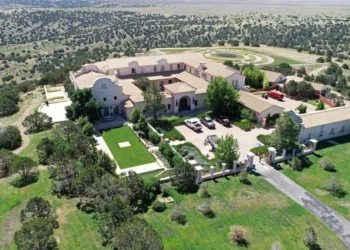 New Mexico Reopens Criminal Inquiry into Jeffrey Epstein’s Zorro Ranch
 Bill Gates Pulls Out of India’s AI Summit Over Epstein Files Controversy
 Zuckerberg Defends Meta in Landmark Social Media Addiction Trial
Billionaire Les Wexner Tells US Lawmakers He Was ‘Naive’ and ‘Conned’ by Epstein
Zuckerberg Defends Meta in Landmark Social Media Addiction Trial
Billionaire Les Wexner Tells US Lawmakers He Was ‘Naive’ and ‘Conned’ by Epstein
 Austrian Climber Found Guilty After Girlfriend Froze to Death on Mountain
 El Mencho Killed as Mexico Faces Violence
 Violence Erupts in Mexico After Drug Lord El Mencho Killed
 Australian Prosecutors Consider Reopening British Girl’s Cold Case Disappearance
 Who Was El Mencho, Mexico’s Most Wanted Man?
 Conman Stole My Money and Bought His Wife a 10‑Carat Diamond Ring
 Mandelson Arrested Amid Political Turmoil as Ukraine Marks Four Years of Conflict
 What We Know About the Search for Savannah Guthrie’s Mother Nancy
 Russian Troops Executed by Commanders, Soldiers Tell BBC
 Inside Kyiv’s resolve as conflict nears five‑year mark
 ‘I reported rape in Hong Kong, now I could face prison’
 Nick Reiner pleads not guilty to killing parents Rob and Michele
 Sydney kidnapping mystery deepens as grandfather’s remains found after mistaken abduction
 Two Arrested After Woman Set on Fire in Revenge Attack
 Louvre Museum Director Resigns Months After High‑Profile Heist
 Threat of Further Violence Looms After Mexican Cartel Rampage
 Australians Arrested Over Alleged Murder of Grandfather Mistakenly Kidnapped
 Suitcase Murder US Man Freed and Deported After 11 Years
 ‘Fear Is Everywhere’: Reports From Mexican City Turned Into War Zone by Drug Cartel Feud
 US ‘Suitcase Murderer’ Deported From Bali After 11 Years in Jail
 American Citizen Killed in Cuba Boat Shooting, U.S. Officials Say