Published: 2 March 2026
The English Chronicle Desk
The English Chronicle Online
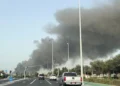
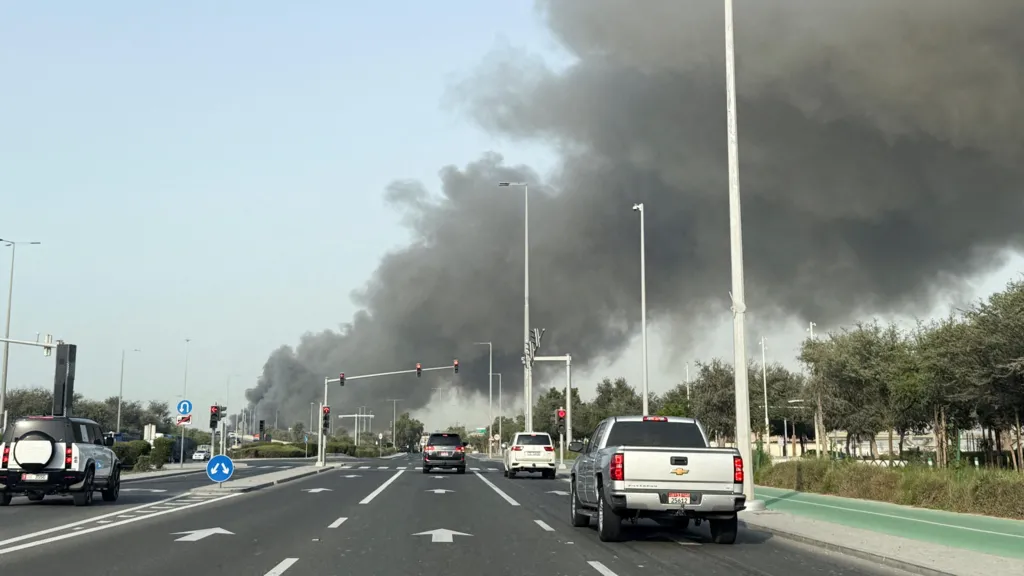
As the Middle East conflict escalates following U.S. and Israeli military strikes on Iran, several U.S. partner states in the Gulf region have been directly affected by Iranian missile and drone attacks, rattling countries long viewed as secure and stable. Tehran’s campaign of retaliation has extended beyond military targets to impact civilian and strategic infrastructure across a range of Gulf Arab states, highlighting both the vulnerability of the region and the risks faced by nations hosting American forces and allied assets.

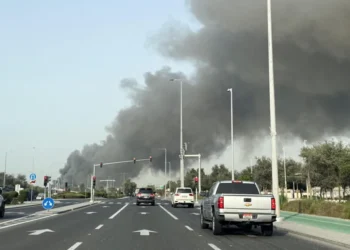
Iran’s Islamic Revolutionary Guard Corps (IRGC) launched repeated waves of ballistic missiles and unmanned drones toward the United Arab Emirates, Qatar, Bahrain, and Kuwait, as well as bases where U.S. forces are stationed. Gulf air‑defence systems intercepted the vast majority of these projectiles, but debris and falling fragments still caused damage to key urban and commercial areas, including Dubai’s international airport, the Burj Al Arab hotel and ports in the UAE, and residential zones near military installations.
Emirati defence authorities reported hundreds of incoming missiles and drones, with air‑defence systems destroying most but not all of them. Three foreign workers — from Pakistan, Nepal and Bangladesh — were killed in the UAE since the campaign began, and dozens more were injured. Injuries in the region, including in areas of Doha and Manama, underscore the human cost beyond military personnel.
Gulf states that host U.S. military bases, such as Al‑Udeid Air Base in Qatar and facilities in Bahrain and Kuwait, have found themselves at the heart of the fighting. Iran has explicitly labelled all U.S. and Israeli military targets in the Middle East as legitimate, increasing pressure on host governments to intercept attacks while managing domestic safety and regional diplomatic fallout.
The strikes have also disrupted daily life and regional connectivity. Major international airspaces — including those over Dubai, Abu Dhabi and Doha — were closed temporarily in response to the threats, forcing airlines to cancel or reroute flights and stranding travellers. The closures and heightened security alerts have had a ripple effect on global aviation and travel.
The shared condemnation from the United States and Gulf governments — including Bahrain, Kuwait, Qatar, Saudi Arabia and the UAE — reflects both the gravity of the situation and concerns about sovereignty violations as a result of Iran’s actions. These states have been vocal in denouncing the attacks as breaches of international law and threats to regional stability.

Analysts say that the escalation places Gulf allies in a difficult position: they rely heavily on U.S. defence guarantees and military cooperation for regional security, yet they now face direct consequences of the very conflict initiated to counter perceived threats from Iran. That dynamic complicates diplomatic and strategic calculations, especially in nations — like Qatar and Oman — that had previously pursued diplomatic engagement with Tehran.
As the conflict continues, the impact on Gulf civilian infrastructure, air travel, and regional economies remains a growing concern, underscoring how quickly allied territories can become frontlines in broader geopolitical confrontations.
Related News:
 Israel and Hezbollah Exchange Fire as Conflict Worsens
 Iran’s Regime Still Intact — Coming Days Will Test Its Survival
 Allies of US in the Gulf Bear Brunt of Iran Attacks
 Hopes and Fears as US Iranians Take to Streets After Toppling of Supreme Leader
 Retaliations Continue on Day Two of US-Israel Attacks on Iran
 At Least 153 Dead After Reported Strike on School, Iran Says
 At Least 153 Dead After Reported Strike on School, Iran Says
 ‘It’s Eerie’ – Dubai on Edge as City Comes Under Attack
 BBC Reports from Beit Shemesh After Deadly Iranian Missile Strike
 Iran, the US, and a World Cup That Starts in Three Months
 Eleven Killed in Israeli Strikes on Gaza, Rescuers Say
 ‘I Would Scream in My Sleep’: Alawite Women from Syria Tell of Kidnap and Rape
 Iran Says ‘Guiding Principles’ Agreed With US at Nuclear Talks
 US Pushes to Recruit Organised Crime Gangs into Gaza Police Force
 US Urges Iran to Make Deal as Military Presence Rises
 US Build-Up of Warships and Fighter Jets Tracked Near Iran
 Trump’s Foreign Policy Dilemma Laid Bare by Iran Tensions
 Hamas Holds Vote to Choose New Interim Leader, Source Tells BBC
 Ukraine Negotiator Reveals What It Feels Like Facing Russia
 Mandelson Arrested Amid Political Turmoil as Ukraine Marks Four Years of Conflict
 Russian Troops Executed by Commanders, Soldiers Tell BBC
 US Partially Evacuates Beirut Embassy Amid Rising Iran Tensions
 Ukraine war briefing: Why Ukraine remains defiant and does not feel close to defeat
 ‘Anyone who runs is shot’: Russian soldiers describe killings of troops who refuse orders
 Ukraine remembers its dead as war enters a fifth year
 Seven Killed in Ukrainian Drone Attack on Russian Factory
 ‘Fear Is Everywhere’: Reports From Mexican City Turned Into War Zone by Drug Cartel Feud
 US and Iran to Hold Talks as Pressure for Nuclear Deal Builds
 Orbán Accuses Ukraine of Disrupting Oil Supplies to Hungary
 Pakistan Strikes Afghanistan as PM Says Forces Ready to ‘Crush’ Taliban
 Middle East Flights Halted After Iran Strikes
 UK Must Act with Courage and Clarity on Israel-Palestine Conflict, Says Foreign Affairs Committee Report
 Tottenham Takes On Newcastle
 Radioactive Leak at UK’s Nuclear Warhead Base Sparks Outcry Over Safety and Secrecy
 Terence Stamp, ’60s British Film Legend and Star of Superman, Dies at 87
 Hong Kong Summons UK and Australian Envoys Following Asylum Grants to Democracy Activists
 Is the UK Ready to Put Boots on the Ground in Ukraine? Assessing Military Capacity and Challenges
 Channel Crossings Surge: Over 1,000 People Arrive in the UK in Small Boats in a Single Day
 Macron Phones Trump Over Traffic Jam in New York
 Comey Indictment Deepens Fears of Political Retribution Under Trump
 Yvette Cooper Signals Global Momentum Towards Gaza Peace Deal Amid Humanitarian Crisis
 “It Was Very Tough, But I Love Life”: Former Israeli Hostage Rebuilds Life After Family Killed by Hamas
 Chaos at Ibrox as Martin’s Rangers Era Comes to an End
 Trump Claims Modi Has Agreed to Halt Russian Oil Imports Amid Heightened US Pressure
 Russia’s Latest Push to Win US Favors Shows Deep Desperation
 BBC to Apologise Over Edited Trump Speech Amid Backlash
 Britain deploys RAF specialists to assist Belgium with drone threats
 Trump Urges Herzog to Grant Netanyahu Full Pardon
 Indian authorities demolish Kashmir home linked to Red Fort blast
 Greene Pushes Epstein Files Amid Trump Fallout
 December Run-Off in Chile as Election Produces No Winner
 Zelenskyy Signs Fighter Jet Deal Amid Russian Drone Attacks
 Shadow Fleet at Sea: Europe’s Battle Against Illicit Oil Shipping
 Tiny Curacao Makes History as Smallest Nation to Reach World Cup
 India’s COP30 Delay Raises Global Climate Concerns
 US Suspends Afghan Immigration After White House Shooting
 Georgians Defy Government Crackdown After Year of Protests
 ‘Extinct’ Antelope Returns to Sahara, Bringing Hope
 Trump Weighs Response to Iran Crackdown as Tehran Says Communication Open With US
 US Clears Nvidia AI Chip Sales to China in Policy Shift
 Gulf states warn Trump Iran strikes risk wider Middle East war
 Sydney Shark Attack Surge Shocks Australia Beaches
 EU Says US Ties Have Suffered ‘Big Blow’ After Greenland Crisis
 UK New Car Discounts Near £6,000 as Prices Are Slashed
 Portugal Election Delivers Socialist Win as Far Right Surges
 Australian Families Leave Syrian Camp for Home
 Starmer Weighs Fast-Tracking Defence Boost
 Snow and Rain Warnings as Cold Snap Continues in the UK
 Nine Arrested in France Over Death of Far‑Right Student
 Indian University Kicked Out of AI Summit for Claiming Chinese Robot Dog as Its Own Invention
 Epstein Eyed Record Label Investment to Access Women, Files Suggest
 How Do You Modernise Mango Farming? India’s Growers Urged to Innovate as Climate Change Hits
 Australian PM Says Former Prince Andrew Has Suffered ‘Extraordinary Fall’ but That Won’t Prompt Republic Referendum
 Farage Chagos Islands Row Sparks Fury
 Storm Hernando: Edinburgh Airport Flights Cancelled in US Travel Chaos
 Chad Shuts Border With Sudan in Bid to Stop Conflict Spreading
 Drugs, Denial, Stigma: Fiji’s HIV Crisis Hits Children
 ‘We’ve been paying for happy endings for Andrew for years’: inside the royal disgrace, biographer says
 Hilary Knight speaks out on Trump’s recent hockey remarks
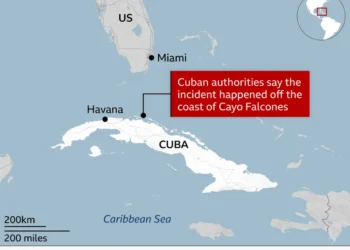 American Citizen Killed in Cuba Boat Shooting, U.S. Officials Say