Published: 3 March 2026 . The English Chronicle Desk.
The English Chronicle Online
Scotland has taken a significant step in funeral law and practice by becoming the first country in the United Kingdom to legalise water cremation, also known as aquamation or hydrolysis. The new legislation, which came into effect earlier this week, expands the options available to families for end-of-life arrangements and reflects growing public demand for environmentally sustainable alternatives to traditional burial and flame cremation.

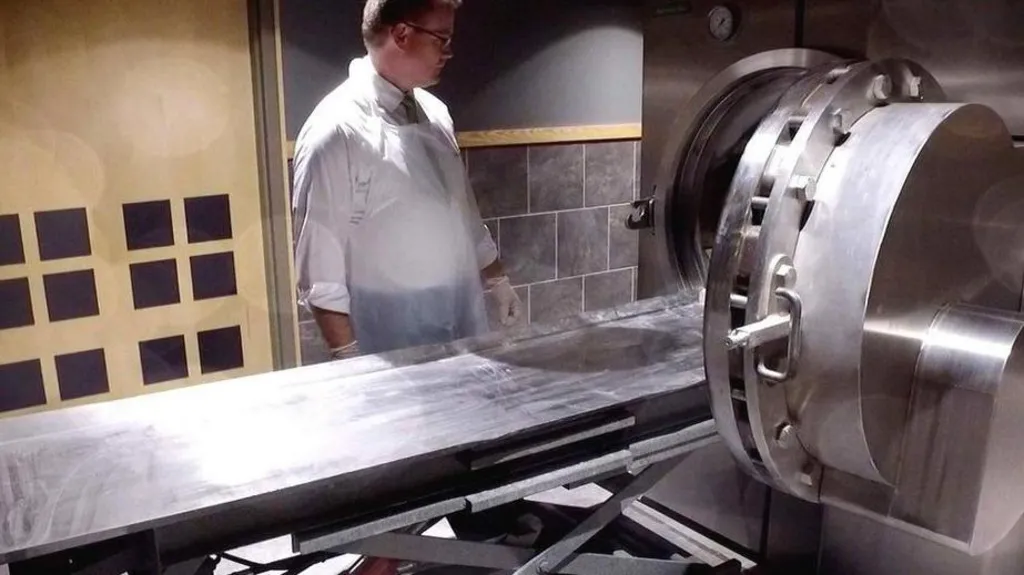
Under the new regulations approved by the Scottish Parliament, funeral directors will be permitted to offer water cremation as an authorised disposal method. The process involves placing a human body in a specially designed chamber filled with warm water and alkaline solution, where it is broken down into its basic chemical components over several hours. The resulting remains are then cleaned of organic tissue and processed into bone fragments that can be returned to bereaved families in a form similar to ashes.
Proponents of the measure argue that water cremation represents a less carbon-intensive, lower-emission alternative to conventional cremation, which uses high-temperature incineration. Environmental campaigners welcomed the change, noting that aquamation can substantially reduce energy use and greenhouse-gas emissions associated with funeral practices. The Scottish Government said the decision was shaped by a public consultation that showed strong support for greater choice in funerary options and rising concern about climate impact.
Officials emphasised that aquamation will not replace existing methods but will “complement current options,” giving bereaved families broader choice according to personal, cultural or environmental preferences. Funeral industry representatives described the move as a milestone for modern bereavement care in the UK, with providers already preparing facilities and training staff to deliver the new service later this year.
The introduction of water cremation follows its adoption in other countries, including parts of North America, Ireland and Scandinavia, where it has gained traction as an eco-friendly alternative. Advocates say that as climate consciousness grows, demand for options that reduce environmental impact will increasingly influence funeral practices and industry standards.
Under the new Scottish framework, providers must meet specific regulatory requirements and adhere to strict oversight to ensure that aquamation is carried out with dignity and respect. Health and environmental agencies have also set standards on effluent handling and treatment to address concerns over chemical disposal and water use.
Families choosing water cremation will have access to the same support structures and advisory services as with traditional funerals, and bereavement organisations expect the new option to appeal especially to those seeking low-impact disposals aligned with personal values on sustainability. Religious and cultural groups have also been consulted, with some welcoming the additional choice and others emphasising that traditional methods remain available where preferred.
Some funeral directors in Scotland have already invested in the specialised equipment required for aquamation facilities, and industry bodies project that public interest will grow steadily as awareness of the option spreads. Training seminars and informational resources are being rolled out to both professionals and consumers to facilitate informed decision-making.

While Scotland is the first UK nation to introduce the regulation, similar proposals are being discussed in Wales, Northern Ireland and England, where advocates argue that legislative change could broaden funeral options nationwide. The Scottish Government’s move is being watched closely by policymakers and bereavement sector leaders across the UK.
For families and communities, the legalisation of water cremation represents not only an additional choice at a difficult time but also a symbolic shift toward environmentally conscious practices in some of life’s most personal moments.
Related News:
 “Enough is Enough”: Local MP Vows to Fight Rainham Quarry Plans
 Local Fish Could Boost UK Health and Economy Significantly
 Robo-Vaccination Could Transform Fight Against Bovine TB
 Water Cremation Introduced in UK First
 Concerns Mount Over Accuracy of At-Home Health Tests as Study Calls for Stricter Regulation
 The Ketamine Crisis in the UK is a Silent Epidemic Leaving Users with Lifelong Pain
 Woman Warned She Might Need Leg Amputation to Survive After Liquid Brazilian Butt Lift
 AI Tools Used by English Councils Found to Downplay Women’s Health Issues, Raising Concerns Over Gender Bias in Care
 Cats Develop Dementia Similarly to Humans, Study Finds
 Alarming rise in abusive teen relationships in the UK sparks urgent warnings
 Inquest Finds Agency Worker Failings Led to Unlawful Death of Vulnerable 14-Year-Old
 Shocking Rise in Children’s Exposure to Violent Online Pornography Raises Alarm
 Baby Food Manufacturers Given 18 Months to Improve Nutrition and Labelling
 Why E-Bikes and E-Scooters Are Making Streets a ‘Nightmare’ for Blind People
 Millions in the UK at Higher Risk of Heart Failure and Stroke Due to Air Pollution, Study Warns
 Norfolk Hospital Ranked Worst in England as NHS League Tables Return
 More Than Half of UK Births Now Involve Medical Intervention
 UK Graduates in Healthcare Report Highest Satisfaction with Degree Choices
 Systemic Racism in Maternity Care Continues to Endanger Black Women in England, MPs Warn
 One in Three GPs in England Do Not Work in NHS, Raising Concerns Over Access to Care
 UK Doctors Guilty of Sexual Misconduct Continue Practising Amid Weak Sanctions, Research Finds
 Starmer Unveils Plan for NHS “Online Hospital” to Tackle Waiting Lists
 Questions Remain as Rugby Legend Lewis Moody Faces Motor Neurone Disease Diagnosis
 Women Challenge Meta Over Targeted Ads After Miscarriage
 Genetic Tests May Predict Return of Blood Cancer
 £18 Prostate Cancer Test Could Save Thousands of Lives
 Pregnant Women in England Face Rising Risk of Severe Birth Injury
 One in 12 Secondary Pupils Sent to Isolation Weekly
 M&S and Morrisons Lead Christmas Supermarket Taste Test
New Prostate Cancer Drug Set to Halve Death Risk in England
M&S and Morrisons Lead Christmas Supermarket Taste Test
New Prostate Cancer Drug Set to Halve Death Risk in England
 UK Health Leaders Push for Urgent Tobacco & Vape Bill
 Hospice Cuts Raise Alarm Across England Amid Funding Crisis
 Celebrities and Charities Demand UK Government Act on Child Poverty
 Patients to Test Health at Home to Ease NHS Winter Pressure
 London’s Childlessness Crisis: Schools Closing as Families Shrink
 Shouting Works Best to Deter Gulls, UK Study Finds
 Reeves rejects £1bn plea for NHS redundancy payouts
 Stroke Patient Mistaken for Drunk, Care Delayed
 ‘Traumatic Wait’: Northern Ireland Women Face Breast Cancer Delays
 Coffins Now Too Large to Cremate Amid Rising Obesity Crisis
 Five-Year-Old Dies After Rare Tonsil Surgery Complication
 Fibromyalgia Patients Struggle as NHS Fails to Provide Care
 More Patients Now Contacting GPs Online, Data Shows
 GPs Failing Frail Elderly: Only 1 in 6 Assessed – NAO
 NHS braces for worst winter crisis amid rising flu cases
 Ministers to back regulation of England’s funeral industry
 Teen Nicotine Pouch Use Sparks Growing Health Alarm
 Minor A&E Visits Surge Across England as Hospitals Face Pressure
 Children to Receive Home Vaccines as England Acts
 NHS Violence Crisis: Staff Face Daily Assaults
 Celebrity Campaign Highlights SMA Screening Failures
 Storm Goretti leaves Cornwall homes without power
 No Gas Boiler Ban as UK Warm Homes Plan Backs Heat Pumps
 UK Glaucoma Rise Signals Looming Eye Health Crisis by 2060
 UK ADHD medication use triples over 13 years, landmark study finds
 Reform UK Health Plan ‘Would Cost £1.7bn’, Streeting Says
 NHS boosts bowel screening accuracy with FIT reform
 Devon hosts first high-density hydro power system
 Nottingham survivor warns of repeat attacks without mental health reform
 Study Finds One in Seven England Takeaways Are Dark Kitchens
 Deadly Cancer Postcode Lottery Limits NHS Care
 James Valentine Retires from ABC After Cancer Battle
 Pneumonia Surge Pushes England Emergency Cases Higher
 Wigan Dump Crisis Sparks Health and Safety Alarm
 What is Groundwater Flooding and Why Dorset is Seeing ‘Historical Highs’
 Dozens of Flood Warnings in England After Days of Non-Stop Rain
 Temperatures Dip Below Freezing as Arctic Air Sweeps Across the UK
 Flooding May Worsen Before It Improves as More Rain Forecast for the UK
 UK MPs Demand Ban on Brazilian Butt Lifts
 NHS Urges Nine Million People to Get Therapy
 NHS Negligence Ruling Raises Payout Costs
 Fly-Tippers to Be Hunted by ‘Drone Squad’ in Crackdown from the Sky
 Storm Hernando: Edinburgh Airport Flights Cancelled in US Travel Chaos
 Half of Britons Avoid GP When Ill, Survey Reveals Growing Concern
 ‘Postcode Lottery’ Limits Weight Loss Drug Access Across NHS
 Group Expands Legal Claim Over South West Water Pollution
 NHS Maternity Units Cover Up Harmful Childbirth Errors
 Drop in Overseas Workers Sparks ‘Car Crash’ for UK Hospitals
 ‘I Almost Died After a Touch‑and‑Go C‑Section’
 50,000 People Waited Over 24 Hours in A&E Corridor Care