Published: 03 March 2026. The English Chronicle Desk. The English Chronicle Online.
The Kelly Wilkinson inquest has heard disturbing details about police bail decisions. The hearing examined how critical warnings were missed before her tragic death. Kelly Wilkinson was identified as a high-risk domestic violence victim. Yet days later, she was murdered by her estranged husband on the Gold Coast.
The three-day inquest opened this week in Southport, Queensland. Deputy Coroner Stephanie Gallager is presiding over proceedings. The court is examining the actions of the Queensland Police Service in the weeks before the killing. Evidence presented on the first day raised serious concerns about bail processes.
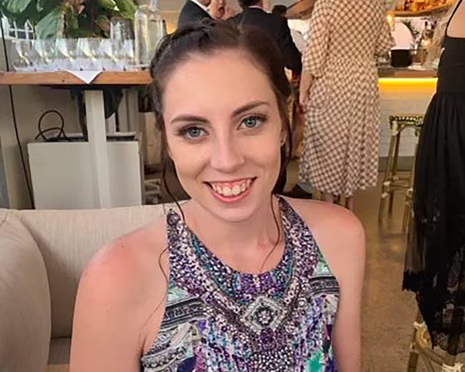
Kelly Wilkinson, aged twenty-seven, had repeatedly sought police assistance. She reported threats and alleged violence by her estranged husband, Brian Earl Johnston. She had recently secured a domestic violence order against him. Officers also formally flagged her as a high-risk aggrieved person.
Despite those warnings, Johnston was granted police bail. The decision came after Wilkinson made rape allegations. According to testimony, those allegations should have triggered “show cause” provisions. Under Queensland law, such offences require a magistrate to decide bail.
Instead, Detective Sergeant Dane Sheraton granted bail at Southport station. The inquest heard that this action was inconsistent with the Bail Act. Detective Inspector Suzanne Newton provided evidence about the internal review. She said officers cannot lawfully grant bail in a show cause situation.

Newton explained that suspects in such cases must appear before a magistrate. She described the bail decision as being “against the Bail Act.” The Kelly Wilkinson inquest heard that this procedural failure had grave consequences. Days later, Wilkinson was dead.
On 20 April 2021, Johnston attacked Wilkinson at her Gold Coast home. He used a 20-litre jerry can filled with petrol. He set Wilkinson alight and then set himself on fire. He later jumped into her swimming pool, surviving the attempt.
The brutality of the attack shocked Australia and beyond. Wilkinson suffered fatal burns in front of her children. The Kelly Wilkinson inquest is now examining every step leading to that morning. It aims to determine whether systems designed to protect her failed.
Newton also told the court it was concerning that Sheraton both arrested and bailed Johnston. In small rural stations, limited staffing might justify that overlap. However, she said Southport is a large metropolitan station. In that context, she described the approach as inappropriate.
More troublingly, she stated that similar practices were common across the district. That admission has raised broader questions about bail culture. The Kelly Wilkinson inquest is therefore not only about one case. It may influence wider policy reform within Queensland policing.
Wilkinson had contacted police four times before her murder. On 30 March 2021, she was interviewed and formally assessed. She was categorised as a high-risk aggrieved party. The Gold Coast domestic and family violence prevention service also referred her to police.
That referral highlighted immediate safety concerns and previous violence. For high-level risk assessments, proactive police responses are recommended. For extreme cases, such responses are described as highly recommended. The Kelly Wilkinson inquest heard that these recommendations were clear.
The assessment was forwarded to a domestic violence liaison officer. However, evidence suggested the file may never have been opened. Wilkinson reportedly received no contact from a liaison officer. She remained without additional protection in those critical weeks.
On 11 April, Wilkinson attended two police stations. She sought to report further alleged breaches of her protection order. At Southport station, Constable Diana Sovacki made a controversial note. She wrote that Wilkinson appeared to be “cop shopping.”
That comment implied Wilkinson was seeking a desired outcome. The basis was that she had visited more than one station. The Kelly Wilkinson inquest heard that such language was deeply troubling. It suggested a possible misunderstanding of victim behaviour in abuse cases.
Both Sovacki and Sheraton were disciplined through local management resolutions. They are not currently scheduled to give evidence. The inquest is focusing on systemic policy and training issues. Deputy Coroner Gallager will consider whether police responses met standards at the time.
She will also assess whether meaningful changes have since been implemented. The Queensland Police Service has introduced reforms in domestic violence handling. Training updates and procedural amendments have followed public scrutiny. The Kelly Wilkinson inquest will test whether those measures are sufficient.
In 2024, Johnston pleaded guilty to murder. He appeared before the Queensland Supreme Court for sentencing. Justice Peter Applegarth imposed a life sentence. He described Johnston’s actions as deliberate and calculated.
During sentencing, the judge said Johnston intended to kill Wilkinson. He also found that Johnston planned to kill himself. That second intention failed when he survived the blaze. The court’s remarks underscored the premeditated nature of the crime.
Wilkinson and Johnston married in 2011 after meeting online. They had three young children together. Friends described Wilkinson as devoted and resilient. She had recently separated from Johnston amid escalating allegations.
Her death sparked national conversations about domestic violence responses. Campaigners argued that warning signs had been clear. The Kelly Wilkinson inquest is part of that ongoing reckoning. It seeks answers not only for her family but for the public.
In the United Kingdom, observers have followed developments closely. Domestic abuse policy remains under constant review in Britain. Lessons from Australia often inform comparative discussions. The Kelly Wilkinson inquest therefore resonates beyond Queensland’s borders.
Experts say bail decisions are critical intervention points. When high-risk victims are identified, strict oversight is essential. Failure at that stage can remove crucial safeguards. In Wilkinson’s case, that window proved fatal.
Detective Inspector Newton’s testimony highlighted procedural clarity. She emphasised that show cause offences limit police discretion. Magistrates must weigh risks in open court. Bypassing that safeguard undermines the legislative framework.
The inquest continues over three days in Southport. Further witnesses are expected to provide evidence. Deputy Coroner Gallager will ultimately deliver findings and recommendations. Those conclusions may shape future domestic violence protocols.

For Wilkinson’s family, the process is painfully personal. They have attended proceedings seeking understanding and accountability. Community members have also gathered in quiet solidarity. The Kelly Wilkinson inquest represents both scrutiny and remembrance.
As hearings progress, attention remains fixed on institutional responsibility. The central question is whether established policies were followed. If they were not, the reasons must be examined transparently. Public confidence depends on honest evaluation.
Domestic violence remains a persistent global crisis. High-risk assessments are designed to prevent predictable tragedies. When systems falter, consequences are irreversible. Wilkinson’s case demonstrates the human cost of administrative failure.
The coming days may bring further revelations. They may also offer pathways to reform. For now, the Kelly Wilkinson inquest stands as a solemn reminder. Protection orders and risk flags mean little without rigorous enforcement.
Her story continues to move communities across Australia. It also prompts reflection within policing institutions worldwide. Ultimately, the inquest seeks to honour her life through accountability. Whether it succeeds will depend on its findings and subsequent action.
Related News:
 Trump Speaks on Prince Andrew’s Royal Scandal Fallout
 Pregnant UK Teen to Be Freed from Georgian Jail
 UK University Faces Counter-Terror Probe Over China Pressure
 Just Stop Oil Protesters Convicted Amid Climate Defence Row
 British Grandmother to Return Home After Death Sentence in Bali
 Second world war veterans honoured as King leads Remembrance Sunday
 BBC’s Tim Davie to Address Staff Amid Trump $1bn Threat
 Shook the ground under my feet: Panic as car blast hits near Delhi’s Red Fort
 Ukraine-Russia war latest: Putin’s troops exploit bad weather to force Kyiv withdrawal from multiple towns
 New Epstein Files Spark Political Clash in Washington
 Sydney Pair Accused of Running Multimillion-Dollar Scam
 Ukraine Energy Corruption Scandal Hits Zelensky’s Inner Circle
 Oklahoma Governor Grants Last-Minute Clemency to Death Row Inmate
 US Pushes Global Effort to Stop Arms Flow to Sudan RSF Forces
 Israel Confirms Returned Hostage as Meny Godard
 Greene Pushes Epstein Files Amid Trump Fallout
 Tragedy Strikes Indian Pilgrims in Saudi Bus Accident
 UN Security Council Approves Trump’s Gaza Peace Plan
 Thousands at Risk in Gaza Amid Winter Flooding
 Forgotten War, Shattered Lives: Sexual Violence Devastates Women in Ethiopia
 Deadly Russian Strikes Hit Western Ukraine, 20 Killed in Ternopil
 Teens ‘Ran Amok’ at Ex-MP’s Covid Testing Firm
 WhatsApp Messages Expose Nathan Gill’s Bribery
 South African Women Call Purple Protest Over Gender Violence
 Venezuela Threatens Nobel Winner Machado with Fugitive Status
 Trump Envoy to Discuss Ukraine Peace at Kremlin
 Twenty-Four Nigerian Schoolgirls Freed After Abduction
 Two National Guard Soldiers Critically Injured Near White House
 Southern Lebanon reels as Israeli strikes shatter communities
 Video shows Israeli troops kill Palestinians after surrender
 Guinea-Bissau President Flees After Military Coup
 Kidnap Gangs, Jihadists and Separatists Plague Nigeria
 Rare shark attack kills woman, injures man at remote NSW beach
 American Mother Extradited From UK to U.S. on Murder Charges
 Tragic Death of British Teen in Portugal Shocks Families and Raises Concerns
 Melbourne Rabbi’s Car Firebombed Amid Hanukah Celebrations
 Thousands Flee Cambodia Scam Centres Amid Global Pressure
 Saif al-Islam Gaddafi Reportedly Killed in Libya Shooting
 Suspect Named in Canada School Mass Shooting
 SA Police Intensify Search in Gus Lamont Case
 Taylor Swift concert attack plot shocks Austria
 NSW kidnapping mistake sparks urgent appeal
 El Mencho Killed as Mexico Faces Violence
 Suitcase Murder US Man Freed and Deported After 11 Years
 Potts Point Shooting Sparks Urgent Review
 Channel Crossings Surge: Over 1,000 People Arrive in the UK in Small Boats in a Single Day
 UK Bans Fake Numbers: Scammers Lose Their Trick
 BBC to Apologise Over Edited Trump Speech Amid Backlash
 Britain deploys RAF specialists to assist Belgium with drone threats
 Indian authorities demolish Kashmir home linked to Red Fort blast
 December Run-Off in Chile as Election Produces No Winner
 Zelenskyy Signs Fighter Jet Deal Amid Russian Drone Attacks
 Shadow Fleet at Sea: Europe’s Battle Against Illicit Oil Shipping
 Tiny Curacao Makes History as Smallest Nation to Reach World Cup
 Man Denies Stealing Bronze Age Gold from Museum
 Inside the Helpline Protecting Missing Children in the UK
 Runaway Driver Caught by DNA Evidence
 US Suspends Afghan Immigration After White House Shooting
 Georgians Defy Government Crackdown After Year of Protests
 ‘Extinct’ Antelope Returns to Sahara, Bringing Hope
 Facebook Slow to Remove Bondi Attack Praise, Anti-Hate Group Claims
 US Clears Nvidia AI Chip Sales to China in Policy Shift
 New Documentary Examines Teen’s Zombie Knife Murder
 Gulf states warn Trump Iran strikes risk wider Middle East war
 Woman Jailed for Life After Killing E-Bike Rider in Tragic Mistaken Identity Case
 Sydney Shark Attack Surge Shocks Australia Beaches
 EU Says US Ties Have Suffered ‘Big Blow’ After Greenland Crisis
 Police response times face strict new national limits
 Salford Attempted Robbery Sees 95-Year-Old Woman Tied Up
 UK New Car Discounts Near £6,000 as Prices Are Slashed
 Police Doubt Fugitive Dezi Freeman Survived Bushland
 Portugal Election Delivers Socialist Win as Far Right Surges
 Australian Families Leave Syrian Camp for Home
 Nine Arrested in France Over Death of Far‑Right Student
 Epstein Eyed Record Label Investment to Access Women, Files Suggest
 Farage Chagos Islands Row Sparks Fury
 Hilary Knight speaks out on Trump’s recent hockey remarks
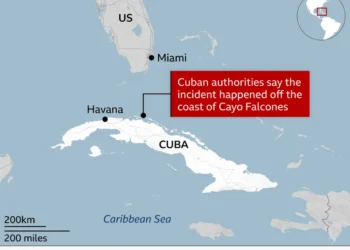 American Citizen Killed in Cuba Boat Shooting, U.S. Officials Say
 Mother Says ‘I Hugged My Daughter’s Killer’ as They Cried Together in Prison
 Herzog Asio meeting sparks security storm