Published: 11 March 2026. The English Chronicle Desk. The English Chronicle Online.
The growing concern over Iran’s nuclear ambitions has pushed Washington into difficult strategic discussions. At the centre of these talks lies the Iran nuclear stockpile, which officials fear could rapidly become weapons-grade material. Reports from American and Israeli sources suggest the administration of Donald Trump is weighing a dramatic option. Military planners are reportedly studying whether special forces might be deployed inside Iran to secure highly enriched uranium.
The proposal reflects rising anxiety within Western security circles about Iran’s expanding nuclear capability. Analysts believe Tehran currently holds about 440 kilograms of highly enriched uranium, known as HEU. Experts say this quantity could theoretically be converted into material suitable for several nuclear warheads. Such a development would transform the balance of power across the Middle East and beyond. Preventing that outcome remains a declared objective for the White House and its allies.
Speaking before Congress recently, US Secretary of State Marco Rubio acknowledged the seriousness of the challenge. He suggested the international community might ultimately need to intervene directly to remove the uranium. According to Rubio, the issue cannot simply be ignored while military tensions escalate elsewhere. His remarks appeared to confirm that contingency planning inside Washington has moved into a new phase.
Although the secretary did not describe operational details, defence officials say preliminary discussions already involve both American and Israeli planners. These talks reportedly explore how elite forces could reach nuclear facilities hidden deep within Iran. The mission would likely involve complex coordination between intelligence agencies, military specialists, and nuclear containment experts. Yet many analysts warn the operation could prove extraordinarily dangerous even for experienced special forces.
The difficulty stems largely from where the Iran nuclear stockpile is currently believed to be stored. According to the director general of the International Atomic Energy Agency, Rafael Grossi, a substantial portion sits inside fortified underground complexes. Around 200 kilograms of enriched uranium are thought to lie in tunnels near Isfahan. These tunnels extend deep beneath reinforced mountain terrain designed to resist air strikes.

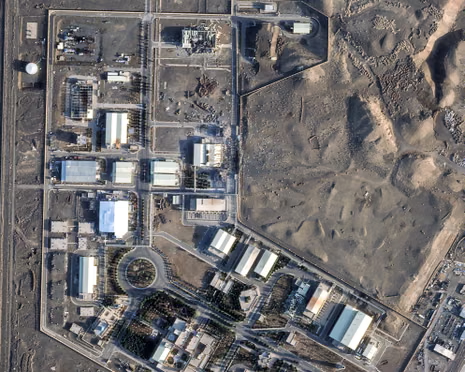
Another part of the material is believed to remain at facilities near Natanz, long associated with Iran’s nuclear programme. Iranian engineers have recently expanded underground structures there, including a heavily fortified installation. Western analysts often refer to the new structure as Pickaxe Mountain because of its deep excavation. Its depth and protective layers make it extremely difficult to reach through conventional bombing.
Inside these facilities, the uranium is stored as uranium hexafluoride, a compound used during enrichment. At normal temperatures the substance forms a solid material sealed within strong metal cylinders. When heated, however, it becomes a gas that can be enriched further to weapons-grade purity. Each cylinder is roughly the size of a scuba diving tank and weighs several hundred kilograms.
Removing those containers safely would require highly specialised equipment and carefully trained technicians. For decades, American military units have practised scenarios involving the recovery of nuclear materials from hostile locations. The United States also developed portable containment technology designed to secure radioactive substances during emergencies. Known informally as a mobile uranium facility, the system could theoretically package and transport dangerous materials.
However, deploying that equipment inside Iran would demand a large and complex military operation. Aircraft, helicopters, and security teams would likely need to secure wide areas around nuclear facilities. Specialised engineers would then enter underground tunnels while protected by combat units guarding the perimeter. Such an effort could require several hundred personnel operating deep within hostile territory.
Experts warn that Iran’s nuclear sites are among the most heavily defended locations in the country. Air defence systems, security forces, and fortified structures protect these installations from sabotage or attack. Any foreign ground operation would risk fierce resistance and potentially trigger wider escalation. Analysts therefore question whether securing the Iran nuclear stockpile through direct intervention remains realistic.
One prominent critic of the idea is nuclear proliferation expert Jeffrey Lewis. He argues the logistical obstacles alone could derail even a carefully planned mission. According to Lewis, removing heavy uranium cylinders from deep tunnels would require cranes, transport aircraft, and extensive support teams. Achieving all this inside Iranian territory would be extraordinarily complicated and visible.
Lewis has also questioned how military planners expect such equipment to arrive safely. A transport aircraft landing in a desert zone would immediately reveal the operation’s location. Iranian forces could respond quickly, potentially trapping foreign troops inside a hostile environment. Even destroying the uranium where it sits might produce dangerous contamination and political consequences.
When reporters asked about the possibility of ground operations, President Donald Trump acknowledged the challenge openly. He said American troops would not enter Iran unless the country’s defensive capabilities were significantly weakened first. According to the president, any such mission would occur only after Iranian forces could no longer resist effectively.
Trump also suggested the option remains under consideration for later stages of the conflict. For now, Washington appears focused on surveillance and containment rather than direct seizure of nuclear materials. Intelligence agencies continue monitoring known facilities closely using satellites and electronic signals. Officials believe this surveillance could reveal any attempt to move the Iran nuclear stockpile secretly.
Critics inside the United States have expressed concern that such planning may have begun too late. Several lawmakers argue the administration should have developed detailed nuclear contingency strategies earlier. Among the critics is Democratic congressman Bill Foster, who attended a classified briefing recently. Foster later said he heard little evidence of a concrete plan addressing the uranium reserves.
According to Foster, preventing Iran from weaponising nuclear material should remain the government’s highest priority. Without a strategy to manage the uranium already produced, military action risks leaving the most dangerous element untouched. His remarks highlight growing political debate within Washington about the overall approach toward Iran’s nuclear programme.
Other specialists share similar concerns about the absence of clear long-term solutions. Nuclear policy analyst Matthew Bunn described the situation as deeply troubling. He argued it is unusual to begin a military confrontation justified by nuclear danger without addressing the most urgent threat.
Bunn believes the safest outcome would involve diplomatic arrangements after hostilities eventually subside. Under such an agreement, Iran could dilute its enriched uranium or ship it abroad under supervision. Previous negotiations had explored similar options during talks mediated by Oman. Those discussions collapsed shortly before military strikes began earlier this year.
Attempting to remove the uranium without Iranian cooperation could prove extremely risky. Transporting radioactive material across conflict zones would demand flawless coordination and security. Destroying it in place might release hazardous substances or inflame regional tensions further. These complications explain why specialists remain cautious about military solutions.
For now, Western governments appear to rely mainly on monitoring and deterrence strategies. Intelligence agencies track movements near the facilities believed to contain the Iran nuclear stockpile. Military planners hope constant surveillance will discourage any attempt to move or weaponise the material.
Yet even this approach carries uncertainty, according to regional experts. Iranian engineers could theoretically construct hidden tunnels or relocate containers gradually. Detecting such activity might prove difficult despite advanced surveillance technologies.

The broader question remains whether Iran intends to pursue nuclear weapons openly in the future. Former US envoy Robert Malley says that decision has troubled Iranian leaders for years. Moving from enriched uranium to a finished nuclear weapon involves several additional technical stages.
Those steps include converting uranium into metal, shaping it precisely, and integrating explosive triggers. Engineers would also need to design reliable delivery systems such as missiles or aircraft. Each stage could attract international attention and risk pre-emptive military strikes.
Malley argues that this danger has historically restrained Iran from openly racing toward nuclear weapons capability. The period between deciding to build a bomb and successfully completing one remains the most vulnerable phase. Detection during that window could bring devastating consequences for the regime.
Nevertheless, uncertainty continues to shape global debate about Iran’s nuclear ambitions. The fate of the Iran nuclear stockpile now stands at the centre of those discussions. Whether through diplomacy, monitoring, or military action, governments recognise the stakes remain extraordinarily high.
As tensions persist, policymakers must balance urgency with caution. Any miscalculation could deepen regional instability or spark wider confrontation. For now, the world watches closely while leaders decide how best to address Iran’s most sensitive nuclear material.
Related News:
 British Woman in Iran ‘Losing Hope’ Amid Ongoing Detention
 BBC Journalist Held and Interrogated in Vietnam
 UK University Suspends Human Rights Research Following Pressure from China
 UK University Faces Counter-Terror Probe Over China Pressure
 BBC to Apologise Over Edited Trump Speech Amid Backlash
 Britain deploys RAF specialists to assist Belgium with drone threats
 Ukraine-Russia war latest: Putin’s troops exploit bad weather to force Kyiv withdrawal from multiple towns
 US Justice Department Files Lawsuit Against California Over Partisan Voting Maps
 Greene Pushes Epstein Files Amid Trump Fallout
 Trump Deploys DHS to Charlotte in Major Arrest Operation
 December Run-Off in Chile as Election Produces No Winner
 Canada Passes Carney’s First Budget in Tight Parliamentary Vote
 Shadow Fleet at Sea: Europe’s Battle Against Illicit Oil Shipping
 Rama Rebukes Mahmood for Targeting Albanian Families
 Russian Vessel Used Lasers on RAF Pilots, UK Claims
 Pentagon Officials in Ukraine to Discuss War End
 Venezuela Threatens Nobel Winner Machado with Fugitive Status
 Trump Envoy to Discuss Ukraine Peace at Kremlin
 Georgians Defy Government Crackdown After Year of Protests
 India’s Labour Law Overhaul Sparks Fierce Debate
 Video shows Israeli troops kill Palestinians after surrender
 Chinese & Japanese Boats Clash Near Disputed Islands
 EU plans $105bn Ukraine aid using frozen Russian assets
 Global campaign launched to free Palestinian leader Barghouti
 Russia losses Ukraine war peace talks intensify amid rising deaths
 Zelenskyy Accuses Russia of Sabotaging Peace Talks
 Trump ‘Not Worried’ as China Conducts Massive Taiwan Wargame
 Khaleda Zia Laid to Rest with State Honour in Dhaka
 Maduro Faces Court in New York Over Drugs and Weapons Case
 Albanese Opens Door to Bondi Royal Commission Amid Rising Pressure
 Trump Escalates Minnesota Immigration Surge Amid Rising Tensions
 Iran Protesters Defy Crackdown as Violent Clashes Intensify
 Trump Eyes Strong Military Options Amid Iran Protest Crackdown
 Trump Threatens Strong Action If Iran Executes Protesters
 Machado Trump medal gesture reshapes Venezuela power struggle
 Trump Receives Machado’s Nobel Medal in White House Meeting
 EU weighs response amid Greenland tariff crisis with Trump
 US Considers Asylum for British Jews Amid Rising Antisemitism
 ICE street raids expose a chilling future for public freedoms
 US Africa aid remarks spark anger after leaked State email
 Trump Launches “Board of Peace” Amid Global Diplomacy Push
 EU Says US Ties Have Suffered ‘Big Blow’ After Greenland Crisis
 Andrew Hastie Emerges as Leadership Rival to Ley
 Russia Strikes Kyiv and Kharkiv as Peace Talks Enter Day Two
 Starmer China visit underscores clear-eyed national security stance
 Starmer China visit raises human rights pressure on Beijing
 Israel Moves to Bar MSF From Gaza Operations
 Mandelson resignation shakes Labour over Epstein row
 Trump Praises ‘Terrific’ Petro After White House Talks
 Sydney Protest Escalates and Elderly Woman Suffers Severe Injury
 Tarique Rahman’s Rise Toward Bangladesh’s Top Job
 Glass Cliff Debate After Ley’s Ouster
 Japan Seizes Chinese Boat Amid Rising Tensions
 Australian Families Leave Syrian Camp for Home
 Trump Attacks UK-California Energy Pact
 Kim Jong-un Unveils Housing for War Families
 Trump and Chagos Deal Rift Over Iran Strikes
 Andrew Mountbatten-Windsor Arrest After FBI Radar
 Andrew Arrest Sparks Republic Debate in Australia
 Global corruption crisis: Who Washington shields
 Duterte ICC Hearing Begins Amid Defiance
 Farage Chagos Islands Row Sparks Fury
 Trump Tariffs Threat Spark UK and EU Alarm
 The Dangerous Rise of Remigration Across Modern Europe
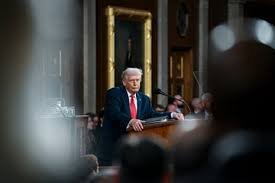 Trump’s Marathon Speech Fails to Mask a Growing National Disconnect
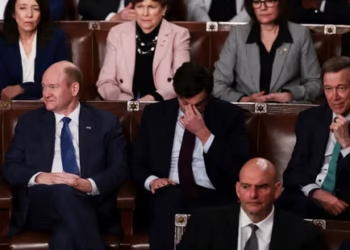 Trump Speech Sparks Intense Debate Across Divided America
 Jacinda Ardern Moves To Australia Following Her US Fellowships
 US to offer passport services in West Bank settlements
 Has Europe truly learned from the failures of 2022?
 Health Funding Row Rocks US‑Africa Relations
 Middle East Flights Halted After Iran Strikes
 Trump Faces Questions Over Iran Conflict Plan
 Nick Greiner Warns Over Election Review Fallout
 Herzog Asio meeting sparks security storm
 Trump Rebukes Starmer Over Iran Strikes Row
 Trump Iran Strikes Row Sparks Washington Storm
 UK Prepares Aircraft Carrier for Middle East Crisis
 Pete Hegseth Iran War Remarks Spark Alarm
 Kasasa Island Dispute Fuels Japan-China Tensions
 Trump Pressures Congress Over Save America Act