Published: March 11, 2026
The English Chronicle Desk. The English Chronicle Online
Nearly a decade after Zimbabwe’s long-time ruler Robert Mugabe was forced from power, the once-dominant Mugabe family continues to face arrests, accusations and bitter internal disputes that reflect the dramatic shift in their fortunes since the end of his rule.
For almost four decades, Robert Mugabe stood at the centre of Zimbabwe’s political system. After leading the country to independence in 1980, he governed as prime minister and later president until November 2017, when a military intervention and pressure from his own party forced him to resign. His departure marked the end of one of Africa’s longest and most controversial political eras.

Since then, the Mugabe family has struggled to maintain its influence while navigating legal battles, political marginalisation and public scrutiny.
One of the most prominent figures in the family, Robert Mugabe’s widow Grace Mugabe, once wielded enormous political power as a senior figure within the ruling ZANU-PF party. Known for her outspoken style and political ambitions, she was widely believed to be positioning herself as a potential successor to her husband before his fall from power.
However, after the military takeover that removed Mugabe, Grace’s political career collapsed almost overnight. She disappeared from the public spotlight for several years and has since faced multiple legal challenges related to property disputes and allegations of corruption.
Her daughter, Bona Mugabe, has also found herself entangled in public controversy. In recent years she has been drawn into disputes involving family assets and disagreements over properties associated with her father’s estate.
One of the most sensitive issues has been the management of Robert Mugabe’s legacy and burial arrangements. After his death in September 2019 at the age of 95, disagreements erupted between the Mugabe family and the Zimbabwean government over where the former president should be buried.
Government officials wanted Mugabe laid to rest at the National Heroes Acre in Harare, a site reserved for figures considered national heroes. The family, however, insisted he should be buried at his rural home in Kutama, reflecting their mistrust of the government that forced him from office.
The dispute dragged on for months and became symbolic of the deep political divisions left behind by Mugabe’s removal.
More recently, tensions have escalated again following a series of legal cases involving members of the Mugabe family. Police investigations have focused on allegations ranging from property disputes to claims of illegal land occupation.
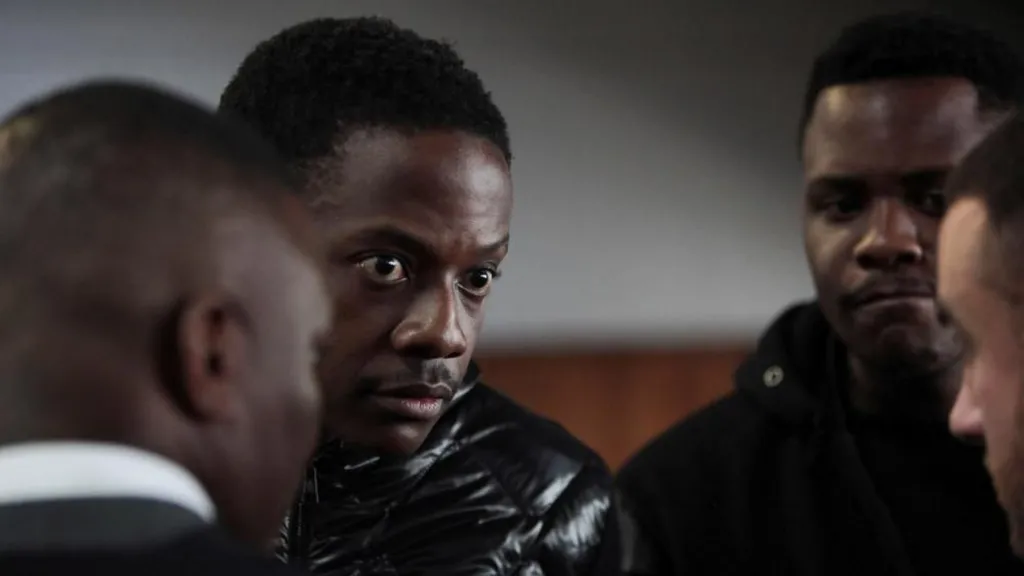
In one case that drew significant attention in Zimbabwe, Robert Mugabe’s sons faced legal scrutiny after authorities accused them of damaging property during a dispute with security guards at a business premises in Harare. The incident triggered public debate about whether the family continued to receive preferential treatment from law-enforcement authorities despite losing political power.
Supporters of the Mugabe family have argued that some of the investigations are politically motivated and designed to weaken the influence of figures associated with the former president.
Critics, however, say the legal cases simply reflect the reality that the family no longer enjoys the protections it once had during Mugabe’s rule. Under his presidency, the Mugabe household was widely viewed as untouchable within Zimbabwe’s political and legal systems.
Since Emmerson Mnangagwa assumed power following Mugabe’s resignation, the political landscape has shifted dramatically. Although Mnangagwa had long been a close ally of Mugabe, relations between the current administration and the former president’s family remain tense.
Members of the Mugabe family have periodically criticised the government, accusing it of betraying Mugabe’s legacy and failing to uphold the values of Zimbabwe’s liberation struggle.
At the same time, the government has attempted to distance itself from the era of Mugabe’s rule while maintaining the legitimacy of the ruling party that dominated Zimbabwean politics for decades.
Analysts say the family’s difficulties highlight how quickly political influence can evaporate once a leader loses power. During Mugabe’s presidency, his relatives and close associates held positions of influence across business, politics and the security services. Today many of those connections have weakened or disappeared.
For ordinary Zimbabweans, the struggles of the Mugabe family are often viewed through the lens of the country’s broader political history. Mugabe remains a deeply polarising figure: celebrated by some as a liberation hero who fought against colonial rule, while criticised by others for presiding over economic collapse, political repression and human rights abuses.
The controversies surrounding his family reflect that complicated legacy.

Nearly ten years after Mugabe’s removal from power, Zimbabwe continues to grapple with the political and social consequences of his long rule. Meanwhile, the once-powerful family that stood beside him now finds itself navigating a very different reality—one shaped by courtrooms, public scrutiny and a political system in which their dominance has largely faded.
For observers inside and outside Zimbabwe, the Mugabe family’s ongoing disputes offer a revealing glimpse into what happens when a political dynasty built on decades of authority suddenly loses the power that sustained it.
Related News:
 Trump Labor Secretary’s Husband Barred from Department Over Sexual Assault Allegations
 Tasers Introduced in UK Prisons to Combat Rising Violence and Protect Staff
 MPs Warn Thousands Still Face Poverty Despite Labour’s Welfare Reform Retreat
 Police Prepare for Potential Disorder as Far-Right Groups Promote Anti-Migrant Protests Across England
 Mass Arrests in London as Protest Defies Ban on Palestine Action
 Police Advised to Disclose Ethnicity of Suspects in High-Profile Cases
 UK Police Face ‘Chronic Pressure’ Amid Surge in Protests Over Asylum and Gaza
 Urgent Action Needed on Windrush Compensation as Survivors Speak of “Waiting to Die”
 Peter Mandelson Referred to Jeffrey Epstein as ‘My Best Pal’ in 50th Birthday Letter
 Calls Grow to Suspend Boris Johnson’s £115,000 Allowance After Revelations From “Boris Files”
 Zarah Sultana Seeks Legal Action After Bitter Clash with Jeremy Corbyn Over Party Membership Funds
 Anti-Immigration Protesters and Counter-Protesters Clash in Glasgow
 Channel Crossings Surge: Over 1,000 People Arrive in the UK in Small Boats in a Single Day
 Metropolitan Police Considers Requiring Officers to Declare Freemasonry Membership
 Jailed Georgian Opposition Leaders Warn UK of Iranian Links to Ruling Party
 Stephen Lawrence’s Father Demands Justice Before Killer’s Parole
 Starmer Condemns 7 October Student Protests as ‘Un-British’
 Blair and Clegg Hosted Private Dinner with Tech Leaders
 Boris Johnson Breached Rules on Post-Office Business Contacts
 Zarah Sultana and Jeremy Corbyn Reunite Amid New Party Plans
 Human Rights Groups Challenge UK-France “One in, One Out” Deal
 Kosovo agrees to host Britain’s refused asylum seekers
 Sex offenders to lose parental rights for children born of rape
 FBI Director Kash Patel Defends Girlfriend Amid Government Jet Claims
 French Taxi Driver Cleared in David Lammy Theft Case After Fare Dispute
 UK University Faces Counter-Terror Probe Over China Pressure
Boris Johnson accused of undermining BBC leadership
UK University Faces Counter-Terror Probe Over China Pressure
Boris Johnson accused of undermining BBC leadership
 Remaining rebel Labour MPs have whip restored
 ‘Reckless’ cuts to victims’ services will cost more than they save
 BBC Faces Backlash as Reform UK Withdraws from Film
 Ukraine-Russia war latest: Putin’s troops exploit bad weather to force Kyiv withdrawal from multiple towns
 New review urges UK to repatriate Shamima Begum, others from Syria
 Victims’ commissioner Baroness Newlove dies aged 63
 Indian authorities demolish Kashmir home linked to Red Fort blast
 Navy cuts scrap key landing upgrade for UK F-35B jets
 Greene Pushes Epstein Files Amid Trump Fallout
 UK Candidate Moved to Safe House After Election Threats
 South African Detained After Neo-Nazi Rally in Australia
 Trump Signs Bill Releasing Justice Department Files on Epstein
 Venezuela Threatens Nobel Winner Machado with Fugitive Status
 Most Tories Expect to Support a Farage-Led Government
 Trump Envoy to Discuss Ukraine Peace at Kremlin
 Video shows Israeli troops kill Palestinians after surrender
 Jordan Bardella: France’s Young Presidential Contender
 Police response times face strict new national limits
 Files Link Andrew to Epstein Dinner After Prison Release
 Emails Show Epstein Funded Mandelson’s Husband After Jail
 Police Probe Mandelson Over Alleged Epstein Leak
 Saif al-Islam Gaddafi Reportedly Killed in Libya Shooting
 Last‑ditch Call to Save Police Front Counters in London
 Nine Arrested in France Over Death of Far‑Right Student
 South Korea’s Ex-President Faces Death Penalty in Insurrection Trial
 How Much Could Andrew’s Arrest Hurt the Royal Family?
 Andrew Released Under Investigation After Arrest
 New Mexico Reopens Criminal Inquiry into Jeffrey Epstein’s Zorro Ranch
 Bill Gates Pulls Out of India’s AI Summit Over Epstein Files Controversy
 Trump Vows UFO File Release After Obama Interview
 Chad Shuts Border With Sudan in Bid to Stop Conflict Spreading
 Mandelson Arrested Amid Political Turmoil as Ukraine Marks Four Years of Conflict
 American Citizen Killed in Cuba Boat Shooting, U.S. Officials Say
 Hillary Clinton Tells House Panel She Had No Idea of Epstein’s Crimes
 How Ghislaine Maxwell Brought Bill Clinton into Epstein’s Orbit
 Kidnapping of Foreigners Soars in Africa’s Lawless Sahel Region
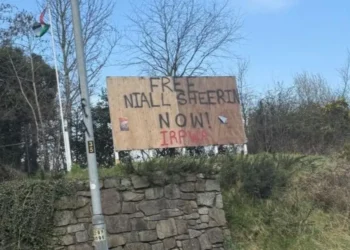 Calls Grow to Remove Billboard Following Lyra McKee Graffiti
 Nepal Holds First General Election Since Gen Z Protests Toppled Government
 Man on Trial for Rape That Led to Andrew Malkinson’s Wrongful Jailing
 Venezuela and US to Work Together on Mining Developments, Rodríguez Says
 Global Order Is ‘Breaking Down’, Carney Tells Australian Parliament
 US Submarine Sinks Iranian Warship in Indian Ocean, Hegseth Says
 Protesters Rally in San Francisco Against OpenAI Deal With Pentagon
 Watershed Moment as Russia’s Sporting Exile Ends
 How Depleted Weapons Stockpiles Could Affect the Iran Conflict
 Nepal Election 2026: When Will We Get the Results?
 Labour MP’s Partner Arrested on Suspicion of Spying for China
 Police Scotland Pays £8m Compensation to Staff
 Benefits Cut for Mother and Baby Home Survivors
 Undercover officer deceived women with ‘grotesque and cruel’ lies, spycops inquiry told
 Istanbul Mayor Faces Corruption Trial Amid Political Storm
 Video Analysis Suggests US Missile Hit Base Near Iran School
 Epstein Aides Still Control Money and Secrets