Published: 31 March 2026. The English Chronicle Desk. The English Chronicle Online.
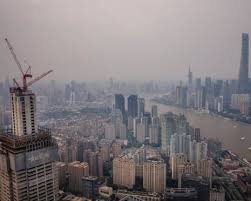
The Chinese government has officially moved to ban the growing trend of bone ash apartments today. This new legislation arrives just days before the traditional Qingming Festival begins across the vast nation. Families usually gather during this sacred time to clean tombs and offer rituals to their ancestors. However, many citizens have recently chosen to store cremated remains inside empty high-rise residential buildings instead. These apartments provide a cheaper alternative to the sky-high prices found at traditional city cemetery plots. The Ministry of Civil Affairs has now declared this specific use of housing to be illegal. New laws prohibit the use of residential property for the sole purpose of storing human ashes. Officials have also banned the construction of private tombs in areas outside of public burial grounds. This crackdown targets a practice known locally as guhui fang or dedicated bone ash apartments. These units are often found in quiet suburbs where property prices have recently seen significant drops. Families often transform these empty rooms into elaborate shrines with candles and soft red lighting. Urns are frequently lined up on shelves according to the generation of the deceased family member. The rapid urbanisation of China has made land for traditional burials both scarce and incredibly expensive. A fast-ageing population has only increased the intense competition for limited space within major metropolitan areas. Research from 2020 indicates that China has some of the highest funeral costs in the world. Only Japan exceeds the financial burden placed on mourning families within the entire global community today. The cost of a small cemetery plot can often exceed the price of a modest apartment. Property values across China fell by roughly forty percent between the years of 2021 and 2025. This shift followed a government campaign stating that houses are for living rather than for speculation. Consequently, many people view buying a cheap flat as a more sensible long-term financial investment. A cemetery lease in China typically lasts for only twenty years before requiring a renewal fee. In contrast, residential properties carry usage rights that are guaranteed by the state for seventy years. Many citizens believe that an apartment offers a much more permanent resting place for their kin. This disparity in value has driven thousands of families to move remains into residential tower blocks.

Neighbors have often complained about the eerie atmosphere created by these silent and uninhabited shrine units. Some residents reported feeling uneasy knowing that dozens of urns were kept in the next room. The new law aims to restore the intended purpose of residential buildings for the living population. Discussion regarding this ban has exploded across social media platforms like Weibo in recent days alone. A popular hashtag related to the legislation has already been viewed more than seven million times. Many social media users are expressing deep scepticism about how the authorities will enforce these rules. One user asked if officials plan to install GPS trackers on every urn in the country. Others pointed out that even with discounts, traditional cemetery plots remain far beyond their reach financially. The demographic shift in China is placing an immense strain on the nation’s traditional burial infrastructure. The country recorded over eleven million deaths in 2025 as the population continues to age rapidly. This figure represents a significant increase from the death rate recorded only one decade ago today. At the same time, the national birth rate has fallen to just under eight million annually. With more deaths and fewer births, the demand for dignified burial space has reached critical levels. Authorities in cities like Shanghai are now desperately promoting various ecological burial methods to the public. These methods include deep-ground burials or scattering cremated remains into the open sea for the families. The government is even offering financial subsidies to those who choose these non-traditional and greener paths. Sea burials in Shanghai reached a record high of over ten thousand cases during the last year. This trend suggests that some people are willing to move away from land-based graves for simplicity. However, the deep cultural connection to physical tombs remains a very strong force in Chinese society. The Qingming Festival highlights the importance of visiting a specific location to honor one’s departed ancestors. Without a physical grave, many families feel they cannot properly fulfill their traditional filial duties today. The rise of bone ash apartments was a creative, if controversial, solution to this modern dilemma. It allowed families to maintain a private space for worship without the high costs of cemeteries. The government now faces the difficult task of monitoring millions of private homes for hidden shrines. Some experts suggest that the law may be difficult to enforce without invading personal privacy rights. If a family keeps an urn quietly at home, it is hard to distinguish legally. The ban specifically targets apartments used solely for remains rather than homes where people still live. It remains to be seen how the public will react as the holiday weekend begins soon. Many families had already planned their visits to these apartment shrines for the upcoming spring festival. They may now face legal consequences or fines if they continue to use residential units thus. The tension between modern economic reality and ancient cultural tradition is becoming more visible every year. Land remains the most precious commodity in a country with over one billion people living together. As the population ages, the need for innovative and affordable death care will only grow larger. The government must find a balance between regulating housing and providing affordable space for the dead. For now, the era of the bone ash apartment appears to be coming to an end. Families are being pushed back toward cemeteries or toward the vastness of the natural sea instead. This legislative change marks a significant shift in how China manages its most sensitive social issues. The world will be watching to see how this transition affects the traditional Qingming celebrations today. Every citizen deserves a place of rest that does not bankrupt their children or their grandchildren. Yet the reality of urban living makes the traditional dream of a hillside grave impossible. The new law is a firm step toward reclaiming residential space for the living citizens. It serves as a reminder of the complex challenges facing a rapidly changing and ageing superpower. Moving forward, the focus must stay on creating sustainable and respectful ways to honor the deceased. The English Chronicle will continue to monitor the impact of this new law across the region. As the sun sets over the high-rises, the silence of the shrine apartments remains very heavy. Families are left wondering where they will go to light their candles in the future years. The cost of death is a burden that many are struggling to carry in silence. This ban may solve a housing issue but it leaves the cemetery crisis largely unresolved. Only time will tell if ecological burials can truly replace the tradition of the stone tomb. For many, the memory of their loved ones is more important than any legal building code. Finding a middle ground is the next great challenge for the planners in Beijing tonight. The heart of the issue remains the lack of affordable and accessible land for all. As China grows older, the stories of the dead will continue to shape the living. This new law is just one chapter in a much larger story of national change. We expect more updates as the first inspections begin in residential districts across the country. Stay tuned for more in-depth reporting on this developing story from our dedicated news desk.
Related News:
 British skier killed in La Plagne avalanche tragedy
 Mandelson apologises over Epstein ties after public scrutiny
 Friedman Uninvited From 2024 Adelaide Writers’ Week
 Starmer Challenges US Over Controversial Greenland Deal
 Spoof “Make America Go Away” Caps Rally Denmark Over Greenland
 Starmer Resists Matching Trump Amid Greenland Tensions
 Silence and Unity Mark Bondi Terror Attack Memorial
 India-EU Free Trade Deal Marks Historic Economic Shift
 Thousands Protest ICE Operations in Nationwide US Day of Action
 Concerns rise for Canberra boy amid Iran detention fears
 Anthony Albanese Must Uphold Rights for All Australians
 UK suspends study visas for four nations to curb asylum
 New Zealand Covid Response Praised Despite Lingering Scars
 Starmer Praised for Stance on Trump and Iran Conflict
 African World Cup Fans Face $15,000 Entry Bond Fee
 Diplomacy on the Brink: Pakistan’s Risky Peace Mission
 Teenage Titan: Sooryavanshi Smashes IPL Records
 Farage Shuns Truss as US Right-Wing Roadshow Hits London
 Trump Slams Europe as Transatlantic Tensions Boil Over
 Spain Faces Backlash Over Xenophobic Chants in Egypt Draw
 Trump Facing Backlash Over Firing of Cabinet Women
 The Price of Hubris: Trump, Netanyahu, and the ‘Easy’ War
 Trump and Tehran Find Common Ground in Landmark Ceasefire
 Own an Entire Australian Town for the Price of a UK Flat
 Cyclone Maila Intensifies to Category Five Strength
 Melania Trump Denies Ties to Epstein and Ghislaine Maxwell
 Reeves Slams Trump Over Iran War Lack Of Exit Plan
 Kyiv and Odesa Mourn After Deadly Wave of Russian Strikes
 Norway’s Telenor Faces Lawsuit Over Myanmar Data Breach
 Strait of Hormuz Status Uncertain Despite Iran’s Claims
 Trump’s Presidency: A House of Cards Collapsing?
 US Forces Seize Iranian Ship Near Hormuz Blockade
 Trump Starts $166bn Tariff Refund Process
 Israeli Soldiers Jailed Over Vandalism of Lebanese Statue
 Investigation: Offshore Loans and Sanctions
 Prominent Voices Challenge Palestine Action Ban
 Cross-Border Crisis Shatters Fragile Afghan Peace
 Tragedy Near Jakarta: Train Collision Leaves 14 Dead
 NSW Police Urged Victim to Abandon Antisemitic Case
 The Burning Lens: An Iranian Artist’s Visual Resistance
 FIFA Confirms Global Ban for Benfica Star Prestianni
 The Global Battle for Control Over the Women’s Game
 Tensions Surge in the Gulf as Ceasefire Wobbles
 One Nation Candidate’s Surprising Ties to Independents
 New South Wales Wetland Rescue Legislation Passes
 US and Mexico Face Heatwave as Floods Batter South Africa
 French Patient Told Hantavirus Was Just Anxiety
 Putin Signals War End as Russian Momentum Stalls
 Romania’s Judicial Crisis: A System Under Siege
 Scepticism and tight security as Beijing braces for Trump
 Philippine Senator Flees After Days Under Senate Siege
 Alberta Separatist Bid Blocked by Canadian Court
 Big Tobacco Under Fire Over Controversial New Ad Campaign
 Court Upholds Landmark Win for Transgender Rights
 Fragile Truce Shattered as Violence Escapes Diplomatic Control
 Secrecy Down Under: Albanese Faces FoI Scandal
 Taliban Codifies Strict New Marriage and Divorce Legislation
 Tony Abbott Returns as New Liberal Party President
 Discontent grows around Putin amid war strain
 Trump Diplomacy Faces Hurdles from Tehran to Tbilisi
 Teaching Machines Right From Wrong in the Digital Age
 Oman Defies US Pressure Over Strategic Strait of Hormuz
 Ex-CIA Agent Accused of $40m Gold Theft and Fake Spy Unit
 Aukus Deal Facing Fierce Backing and Historic Criticism
 Thai Princess Bajrakitiyabha Passes Away at 47
 Tragic Loss of Australian Sprinter Jemma Stapleton
 Trump Urged to Condemn UFC Fighter Over Obama Slurs
 US Democratic Crisis Deepens as Trump Limits Mail Voting
 Russian Tanker Captain Remanded in UK Court After Channel Seizure
 US Military Pacific Boat Strike Kills Three People
 US Battles Auction of Titanic Artifacts
 Scouts Introduce Badges For AI And Digital Skills
 France Dominate Sweden as Deschamps’ New Era Takes Shape
 Trump’s Mount Rushmore Speech: A Divisive Anniversary
 Trump Swaps Planes Amid Iran Tensions
 Rotterdam Museum Honours Artist With Peanut Butter Floor
 Bangkok Nightclub Blaze Claims 30 Lives Amid Negligence Probe
 Yemen Accuses Iran of Violating National Sovereignty
 Japan Bear Hunt: Serial Fridge Raider Sparks Panic
 Houthis Strike Saudi Arabia as Middle East Tensions Rise