Published: 01 April 2026. The English Chronicle Desk. The English Chronicle Online.
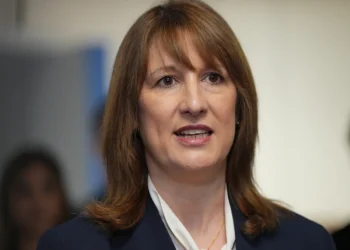
The British landscape of grocery shopping faces a daunting shift as new economic data emerges today. Experts now suggest that food inflation could reach a staggering nine percent before the current year concludes. This sharp upward revision follows the intense military conflict currently unfolding within the borders of Iran. Such geopolitical instability has sent immediate shockwaves through the global energy markets and vital shipping routes. Even if the strategic Strait of Hormuz reopens quickly, the damage to pricing structures seems inevitable. The Food and Drink Federation represents over twelve thousand manufacturers across our diverse national food industry. Their latest projections indicate that grocery prices will rise by at least nine percent very soon. This figure is nearly triple the original forecast of three percent made earlier this spring. Dr Liliana Danila serves as the chief economist for this influential and respected industry body. She notes that manufacturers are already grappling with massive increases in their basic operating costs. These expenses include the high price of energy, transport logistics, and essential product packaging materials. Global supply chains are currently experiencing disruptions that have not been seen in recent decades. The economist describes the present situation as entirely unprecedented and very difficult for anyone to predict. Companies have made valiant efforts to absorb these costs rather than passing them to consumers. However, the sheer scale and speed of these increases make price hikes a mathematical certainty. The nine percent forecast relies on the assumption that shipping channels will open very soon. It also assumes that oil and gas facilities will return to normal operations within a year. These are optimistic projections given the volatility currently observed in the Middle East war zones. If the conflict lasts longer, the impact on British supermarket shelves could be even more severe. Chancellor Rachel Reeves is scheduled to meet with major supermarket bosses later this Wednesday afternoon. She will host executives from retail giants like Tesco, Sainsbury’s, and the Morrisons grocery chain. The primary goal of this meeting is to discuss the rising cost of living crisis.

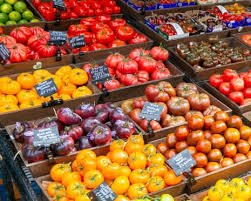
They will also address potential supply squeezes triggered by the ongoing regional conflict in Iran. British farmers have already issued stern warnings about the availability of fresh domestic produce this season. Without significant government intervention, we may see empty shelves where tomatoes and cucumbers usually sit. Peppers and aubergines are also at risk due to the soaring costs of heating greenhouses. Many agricultural businesses are currently forced to renew their energy contracts during this period of peak prices. These commercial contracts are often fixed in April, meaning the financial pain starts for them today. While household energy bills might dip slightly in the short term, they will spike by July. This creates a double burden for families who are already struggling with high monthly mortgage payments. The government faces mounting pressure to provide direct support for these rapidly increasing energy bills. So far, ministers have suggested that any financial help will be targeted toward vulnerable households only. Rachel Reeves mentioned in a recent interview that support would likely depend on specific household incomes. She remained cautious about making broad promises to cut fuel duty or Value Added Tax. The Chancellor warned that lowering prices too much could inadvertently push up the national inflation rate. Such a move might also lead to higher interest rates and future increases in taxation levels. This delicate balancing act leaves many middle-income families wondering how they will manage their grocery budgets. The ripple effects of a war thousands of miles away are now felt in aisles. Every link in the food production chain is feeling the pressure of these global events. From the farmer in the field to the driver delivering goods, costs are rising fast. Packaging manufacturers are also seeing the price of plastic and cardboard climb due to energy spikes. Shipping containers are taking longer routes to avoid conflict zones, adding weeks to delivery times. This delay further increases the cost of imported goods that British shoppers rely on daily. Analysts suggest that the era of cheap food might be ending for the foreseeable future. The UK’s reliance on global supply chains makes the domestic market very sensitive to turmoil. Modern food production is an energy-intensive process that requires stability to remain affordable for all. When energy prices jump, the cost of processing and preserving food rises almost immediately. Logistics firms are also facing higher fuel surcharges which they must pass on to retailers. Supermarkets are trying to maintain their profit margins while keeping their customers loyal and satisfied. This conflict comes at a time when many households have already exhausted their personal savings accounts. The psychological impact of rising food costs can be just as damaging as the financial reality. People tend to change their shopping habits and opt for cheaper, less nutritious food options. This shift can have long-term implications for the general health of the British public. Healthcare experts are concerned that the cost of living crisis will increase pressure on services. Meanwhile, the diplomatic situation in the Middle East remains fluid and potentially very dangerous for trade. Diplomats are working tirelessly to ensure that the Strait of Hormuz remains safe for commercial traffic. Any further escalation could see oil prices reach levels that the world has never seen. This would create a domino effect that impacts every sector of the modern British economy. The Food and Drink Federation continues to monitor the situation on behalf of its members. They are calling for more clarity from the government regarding long-term energy security for manufacturers. Without a stable energy policy, the food industry remains vulnerable to external global political shocks. Producers need to know that they can afford to keep their factories running through autumn. The meeting between the Chancellor and retail bosses is seen as a critical first step. It is an opportunity for the government to hear directly from those on the frontlines. Supermarkets have a unique view of consumer behavior and the stresses facing the average family. They can provide data on which products are rising in price the fastest right now. This information is vital for the Treasury as it designs future support packages for citizens. The public is watching closely to see how the government responds to this latest crisis. There is a sense of fatigue among voters who have faced several economic challenges recently. First, the global pandemic disrupted our lives, and then the European energy crisis hit us. Now, a new war in the Middle East threatens to undo our slow economic recovery. The resilience of the British people is being tested once again by these external forces. Community groups are already reporting an increase in demand for local food bank services nationwide. These charities are struggling to keep up as their own operating costs also continue rising. Even middle-class families are starting to seek advice on how to stretch their monthly budgets. The English Chronicle will continue to report on these developments as the situation slowly unfolds. We aim to provide our readers with the most accurate and timely financial information available. Understanding the global context of our local prices is essential for making informed personal choices. As we move into the summer months, the true impact will become much clearer. For now, the message from the experts is one of caution and careful preparation. The coming months will require a steady hand from both the government and industry leaders. We must work together to ensure that food remains accessible and affordable for every household. The path ahead is uncertain, but transparency and clear communication remain our best tools. We will keep you updated on any further announcements from the Chancellor’s office today. The outcome of this afternoon’s meeting could determine the direction of our economy this year. Let us hope for a swift resolution to the conflict and more stable prices. British consumers deserve a break from the relentless pressure of rising costs and global instability. Until then, we must navigate these difficult economic waters with patience and communal support. The strength of our food industry lies in its ability to adapt to change. We have overcome significant challenges before and we will certainly find a way forward. Ensuring the security of our food supply is a national priority that transcends politics. Every citizen has a stake in the success of our farmers and food manufacturers. Their survival is linked to our own well-being and the health of our nation. As we wait for the latest inflation data, we remain hopeful for better news. The resilience of the United Kingdom has always been our greatest asset in tough times. Together, we can face the challenges of 2026 and build a more stable future. Stay tuned to The English Chronicle for all the latest updates on this story. We are committed to bringing you the news that matters most to your life. Thank you for trusting us as your primary source for reliable and fair reporting.
Related News:
 Reeves Faces Setback as Labour May Miss Homes Target
 Virgin Trains Moves Closer to Challenging Eurostar Monopoly
 Trump’s UK Ambassador Urges North Sea Drilling to Strengthen US Ties
 Ryanair Chief UK Economy ‘Doomed’ Under Labour
 M&S Profits More Than Halve After Cyber-Attack
 Earl of Yarmouth Faces £1.3m Legal Bill Over Family Estate
 Millionaires group urge Reeves to introduce wealth tax to ‘lift kids out of poverty’
 From Lego to Pokémon: How Adults Are Driving UK Toy Market Growth
 New laws to bolster UK’s defences against cyber attacks on NHS, transport and energy
 Canada Passes Carney’s First Budget in Tight Parliamentary Vote
 Starmer Says Labour’s Economic Plan Needs Years to Deliver
 Virgin Media Fined £23.8m Over Telecare Safety Failures
 Starmer Faces Parliamentary Battles Over UK-EU ‘Reset’ Plan
 Reeves Pub Business Rates U-Turn Calms Labour Revolt
 ScottishPower Tops List of Worst UK Energy Suppliers
 Markets Slide As Gold Rally Signals Risk From Trump Greenland Tariff Plan
 UK Eyes Global Investment with Visa Fee Refunds
 City & Guilds pay surge sparks backlash amid £22m cuts
 UK Inflation Hits 3.4% in December, Ending Five-Month Decline
 Trump Fed bid heads to Supreme Court
 ‘Black Tax’: Burden, Pride and Survival for African Workers
 AI job losses UK: Britain faces sharper employment shock
 India-EU Free Trade Deal Marks Historic Economic Shift
 EU Signals Open Mind on UK Customs Union Talks
 Telstra AI jobs cuts as automation drive expands
 BT Names New Openreach Chief Amid Major Fibre Expansion
 UK Banks Plot Payment Backup Amid Trump Fears
 UK Unemployment Rate Climbs to 5.2% Peak
 UK shelves £110m border project amid trade strain
 Aston Martin Cuts 20% Jobs Amid £363m Loss
 Switching Energy Deal Can Save £200 as Price Cap Falls
 Rachel Reeves Faces Middle East Conflict Test
 Grocery Inflation Rises Amid War Fears
 BrewDog sold Highland estate for knockdown price after abandoning reforestation plans
 UK Energy Reform Could Cut Bills by £200
 Rising Costs Force Families to Rethink Days Out
 Oil Slides, Stocks Jump on Trump Peace Signals
 UK inflation held at 3% before global energy price hit
 Ticketmaster Fees Rise Despite Recent US Junk Fee Crackdown
 UK Small Firms Face Crisis as Energy Bills Double Amid War
 Oil Prices Surge as Trump Issues New Deadline to Iran
 City Firms See Sharpest Fortune Reversal in Thirty Years
 Markets Surge as Trump Agrees to Iran Ceasefire Terms
 Stefano Gabbana Resigns as Chair of Italian Luxury Giant
 Rolls-Royce SMR Secures £600m Boost for Nuclear Future
 IMF Warns Iran War Could Spark Deep Global Recession
 Trump Rate Cuts Risk ‘Banana Republic’ Status, Says Yellen
 Primark Set for Independence from ABF Food Giant
 Australia’s Economic Anxiety: Is a Recession Looming?
 Lords Demand Larger Fiscal Buffers for UK
 $13bn World Cup Set to Break All Revenue Records
 Trump approval plunges amid Iran war fears
 Heathrow Chair Seeks Peace to Save Third Runway
 Tough Fiscal Realities Await Next Scottish Government
 US Awaits Iran Reply on New Ceasefire Proposal
 Aramco Surges as East-West Pipeline Counters Gulf Tensions
 Big Tobacco Under Fire Over Controversial New Ad Campaign
 High Street Crisis: Fears Grow Over Post Office Closures
 UK Firms Freeze Spending as Iran Conflict Bites
 Summer Shock: British Energy Bills Set for Grim July Hike
 Reeves to Fast-Track Clean Energy Amid Iran Crisis
 Oil Markets Face ‘Red Zone’ Threat Amid Iran Crisis
 Belfast Approves Pilot Extension of Sunday Trading Hours
 Albanese Defends Tax Reforms Amid Emotional Speech
 Tube Strike Brings Capital to a Standstill Over Shift Disputes
 BP Stands Firm on Amanda Blanc Amid Boardroom Storm
 UK House Prices Drop For Third Month Due To War Fears
 Top Chefs Back Andy Burnham to Save UK Hospitality Sector
 GSK Secures Landmark $10.6bn Deal for Nuvalent
 UK Economy Suffers a Sharp Downturn as Iran Conflict Bites
 AI Scams Push UK Investment Fraud Past £220m
 Rethinking the Blueprint for Youth Employment in Britain
 Sainsbury’s Boss Optimistic As Grocery Inflation Eases
 UK Households Suffer Squeeze As Disposable Incomes Drop
 Creditors Eye Thames Water Even Under Nationalisation
 Record £28m Fine for Virgin Media Over Cancellation Woes
 Jet2 Sees Summer Surge Despite Global Tensions
 Ukraine Creates Long-Range Strike Command
 BBC Faces Real Jeopardy as Licence Fee Income Declines
 Thames Water Future Remains Uncertain Amid Funding Crunch