Published: April 7, 2026. The English Chronicle Desk. The English Chronicle Online — Analyzing the intersection of Australian identity, military history, and the law.
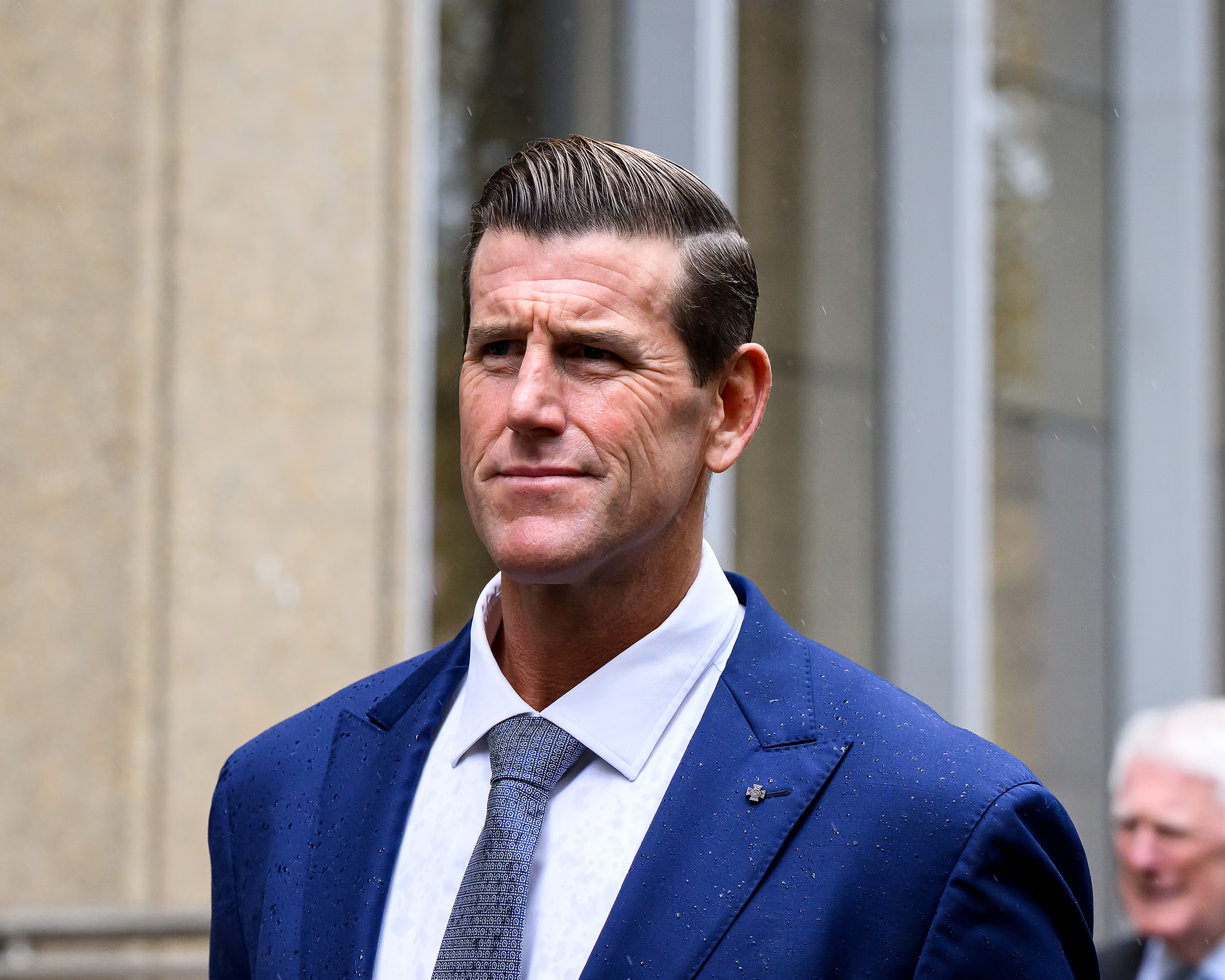
The Australian political landscape was jolted on Tuesday morning following the dramatic arrest of Victoria Cross recipient Ben Roberts-Smith at Sydney Airport. The 47-year-old former SAS corporal has been charged with five counts of war crime—murder, relating to the alleged deaths of unarmed Afghan nationals between 2009 and 2012. As the news broke, a familiar ideological divide opened in Canberra: One Nation leader Pauline Hanson immediately reaffirmed her “steadfast” support for the decorated soldier, while the Australian Greens hailed the arrest as a vital moment of accountability, insisting that “no one should be above the law.”

The arrest, executed by the Australian Federal Police (AFP) in coordination with the Office of the Special Investigator (OSI), marks the most significant milestone in a years-long investigation into alleged misconduct by Australian Special Forces in Afghanistan. AFP Commissioner Krissy Barrett told reporters that the charges involve three separate incidents where victims were allegedly “unarmed and under the control of ADF members” when they were killed. Roberts-Smith, who has consistently denied any wrongdoing and previously lost a high-profile defamation battle over similar allegations, faces a maximum penalty of life imprisonment if convicted.
Senator Pauline Hanson was the first to jump to the soldier’s defense, posting a defiant message on social media shortly after the arrest. “I remain steadfast in my support of Ben Roberts-Smith despite news of his arrest today,” the Queensland senator stated. Hanson, whose party has seen a surge in support amid the ongoing global energy and security crisis, argued that Roberts-Smith and the broader “defence family” are being unfairly targeted by a “civilian” legal system that does not understand the realities of combat. “I will not abandon him like so many other politicians,” she added, echoing sentiments also voiced by former Prime Minister Tony Abbott, who warned against judging soldiers by the standards of “ordinary civilian life.”
Conversely, the Australian Greens have characterized the day as a triumph for the rule of law. Senator David Shoebridge issued a statement calling the arrest a “moment of accountability” that highlights the “appalling cost of war on all sides.” The Greens have long campaigned for the implementation of the Brereton Report’s recommendations, arguing that for Australia to maintain its international standing, it must demonstrate that its military is not immune to prosecution for alleged atrocities. “This is about justice for the victims and the integrity of our uniform,” Shoebridge noted, dismissing the “special treatment” arguments as a threat to the foundations of the justice system.

Prime Minister Anthony Albanese has notably refused to weigh in on the specifics of the case, citing the ongoing legal proceedings, though he acknowledged the “difficult day” for the Australian Defence Force. The arrest comes at a time of heightened military sensitivity, as Australian troops remain on high alert due to the conflict in Iran and the looming “deadline” set by the U.S. administration for regional de-escalation. For the Australian public, the trial of Ben Roberts-Smith promises to be a grueling national reckoning, pitting the sanctity of military heroism against the absolute demands of international law.
Related News:
 Ecuador Deploys 75,000 Forces in Anti-Gang Drive
 Missing Cuba-Bound Aid Ships Spark Urgent Search
 UK Home Office to Launch French Beach Signage to Warn Asylum Seekers of Risks
 Father’s Tip Leads to Arrest in Charlie Kirk Murder Case
 Charlie Kirk Killing Used to Mobilise UK’s Largest Far-Right Rally in Decades
 UK and Ireland Set to Unveil New Proposals to Address Northern Ireland’s Troubles Legacy
Channel Crossings Surge: Over 1,000 People Arrive in the UK in Small Boats in a Single Day
UK and Ireland Set to Unveil New Proposals to Address Northern Ireland’s Troubles Legacy
Channel Crossings Surge: Over 1,000 People Arrive in the UK in Small Boats in a Single Day
 UK Recognises State of Palestine in Push to Preserve Hope for Peace
 Jailed Georgian Opposition Leaders Warn UK of Iranian Links to Ruling Party
 China’s Mega Embassy in London Faces Further Delay
 Prince Andrew met alleged Chinese spies during Pitch@Palace China trips
 Kosovo agrees to host Britain’s refused asylum seekers
 UK University Faces Counter-Terror Probe Over China Pressure
 Second world war veterans honoured as King leads Remembrance Sunday
 Ukraine-Russia war latest: Putin’s troops exploit bad weather to force Kyiv withdrawal from multiple towns
 New Epstein Files Spark Political Clash in Washington
 Ukraine Energy Corruption Scandal Hits Zelensky’s Inner Circle
 New review urges UK to repatriate Shamima Begum, others from Syria
 Hasina Rejects Allegations Ahead of Bangladesh Tribunal Verdict
 Indian authorities demolish Kashmir home linked to Red Fort blast
 Greene Pushes Epstein Files Amid Trump Fallout
 UN Security Council Approves Trump’s Gaza Peace Plan
 WhatsApp Messages Expose Nathan Gill’s Bribery
 Venezuela Threatens Nobel Winner Machado with Fugitive Status
 Trump Envoy to Discuss Ukraine Peace at Kremlin
 Video shows Israeli troops kill Palestinians after surrender
 Guinea-Bissau President Flees After Military Coup
 Emails Show Epstein Funded Mandelson’s Husband After Jail
 Saif al-Islam Gaddafi Reportedly Killed in Libya Shooting
 UK Wants Action on Russia After Navalny Frog Poisoning, Cooper Says
 Five Young People Die in Spain Apartment Block Fire
 ‘Staggeringly Stupid’ Man Jailed After Tattooing Children
 Police Assessing Stansted Airport Private Flights Over Epstein Ties
 Last‑ditch Call to Save Police Front Counters in London
 Suspect in Rhode Island Ice Hockey Shooting Killed Ex‑Wife and Son
 Nine Arrested in France Over Death of Far‑Right Student
 South Korea’s Ex-President Faces Death Penalty in Insurrection Trial
 How Much Could Andrew’s Arrest Hurt the Royal Family?
 Epstein Eyed Record Label Investment to Access Women, Files Suggest
 New Mexico Reopens Criminal Inquiry into Jeffrey Epstein’s Zorro Ranch
 Austrian Climber Found Guilty After Girlfriend Froze to Death on Mountain
 Mandelson Arrested Amid Political Turmoil as Ukraine Marks Four Years of Conflict
 Inside Kyiv’s resolve as conflict nears five‑year mark
 What to Watch for During Trump’s State of the Union Address
 US Partially Evacuates Beirut Embassy Amid Rising Iran Tensions
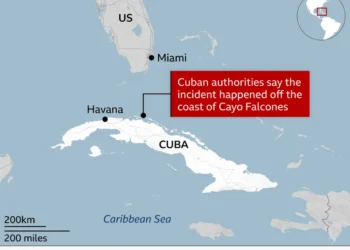 American Citizen Killed in Cuba Boat Shooting, U.S. Officials Say
 Hillary Clinton Tells House Panel She ‘Had No Idea’ of Epstein’s Crimes
 ‘It’s Eerie’ – Dubai on Edge as City Comes Under Attack
 Muslim Group Wants Mosques to Be Used as Polling Stations Ahead of UK Elections
 Murdered Student ‘Algasim’ Was ‘the Most Special Person’, Friends Say
 Manchester Students Mourn Ayatollah Amid Protest
 Baba Vanga’s Chilling World War 3 Prediction and Russia’s New Leader
 Belgium Narco-State Warning Raises Alarm Over Crime Surge
 Istanbul Mayor Faces Corruption Trial Amid Political Storm
 Iranian Players Get Australian Visas After Anthem Protest
 Jobless Man on £15k Benefits Accused of Hurling Abuse at Anti-Migrant Demo
 Point-Blank Gunshot Misses Indian Politician
 Wealthy Parents Play Dead After Son Hires Hitman to Kill Them
 Teen Admits Filming Westfield Chair Prank
 Belarus Leader Gifts Rifle to Kim Jong Un
 PM Seeks to Reassure Australians Over Fuel Supply

 Zelensky Visits Saudi Arabia After Offering Drone Expertise
 ‘An Evil Man is Dead’: Australian Fugitive Dezi Freeman Shot Dead After 216 Days
 Status Quo Restored: Netanyahu Intervenes After Police Block Latin Patriarch from Holy Sepulchre
 India Begins Mammoth Census for 1.4 Billion People
 Pope Leo Urges Peace in First Easter Mass Address
 Russia’s Latest Push to Win US Favors Shows Deep Desperation
 BBC to Apologise Over Edited Trump Speech Amid Backlash
 Shadow Fleet at Sea: Europe’s Battle Against Illicit Oil Shipping
 Iran’s Regime Still Intact — Coming Days Will Test Its Survival
 Calls Grow to Remove Billboard Following Lyra McKee Graffiti
 ‘Every Day Feels Like a Month’: Iranians Describe Life Under ‘Constant’ US‑Israeli Strikes
 Finland Plans to Lift Decades‑Old Ban on Hosting Nuclear Weapons
 Trump Pressures Congress Over Save America Act
 Iran War Puts Trump at Political Risk Amid Rising Prices
 After Mugabe: Family Feuds and Legal Battles
 Queensland Protest Laws Spark Free Speech Backlash
 Trump Nato threats expose Iran strategy vacuum
 Trump Facing Backlash from Epstein Survivors Over Files