Published: April 8, 2026. The English Chronicle Desk.
The English Chronicle Online — Analyzing the strategic geography of a global energy emergency.
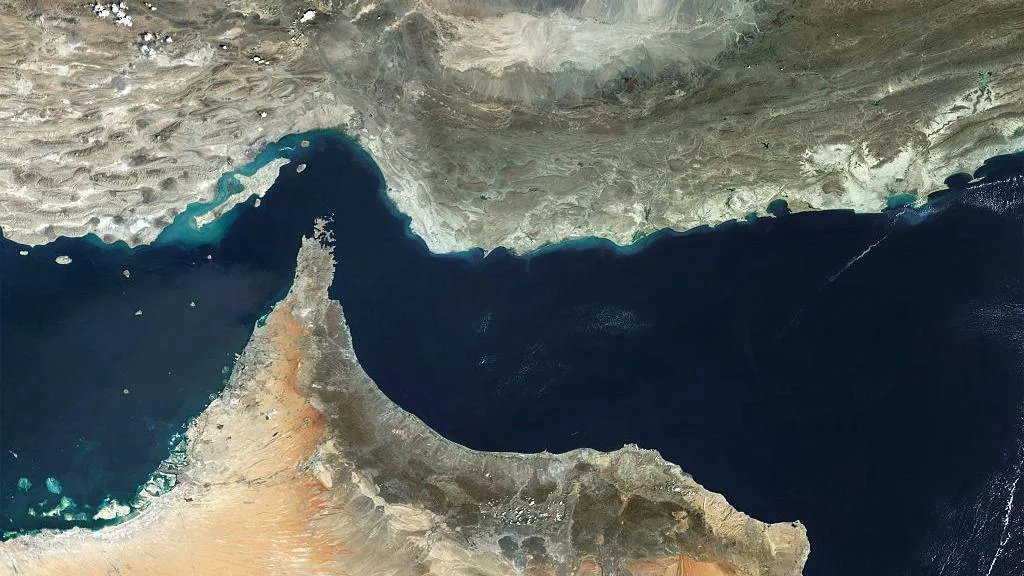
MUSCAT / DUBAI — As the world enters the second week of a fragile 14-day ceasefire, the spotlight remains fixed on a 21-mile-wide strip of water that has become the most dangerous maritime corridor on Earth. The Strait of Hormuz, the sole gateway between the Persian Gulf and the open ocean, is no longer just a “shipping lane”—it is the “seismic” fault line of the 2026 Iran War. Following the February 28 strikes and the subsequent killing of Iran’s supreme leader, the effective closure of this strait has triggered the largest energy supply disruption in human history, proving that in modern warfare, geography is often as lethal as any missile.

The “market shock” of 2026 stems from a simple, terrifying statistic: the Strait of Hormuz facilitates the transit of 20 million barrels of oil per day, representing roughly 20% of the world’s daily consumption and a staggering 25% of global maritime oil trade.
-
The Energy ‘Blackout’: Immediately following the outbreak of hostilities, tanker traffic dropped by approximately 70% as insurance premiums skyrocketed to “war-risk” levels. By mid-March, traffic had dropped to near zero, stranding millions of barrels in the Gulf.
-
The Gas Crisis: The strait is the primary exit for Qatari Liquefied Natural Gas (LNG). When QatarEnergy declared force majeure on all exports in early March, European gas futures surged by 59%, threatening a second major energy crisis for a continent still recovering from the decade’s earlier shocks.
-
The Breadbasket Ripple: Beyond fuel, the strait handles 30% of internationally traded fertilizers. The blockade has triggered a concurrent “grocery supply emergency,” with food prices in the Gulf states rising by up to 120% due to disrupted imports.
Contrary to early fears of a physical minefield, the 2026 “blockade” has been driven as much by insurance withdrawal and risk perception as by Iranian military action.
-
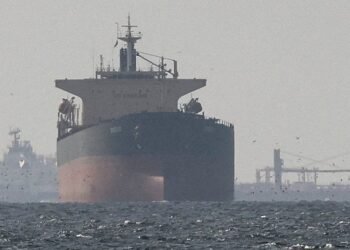
The Ghost Fleet: Since February 28, at least 16 merchant ships have been damaged, and over 150 tankers have anchored outside the strait, refusing to enter.
-
The Logistics Trap: Major container lines—including Maersk, MSC, and Hapag-Lloyd—have suspended all Hormuz transits, rerouting via the Cape of Good Hope. This “tectonic” shift adds weeks to voyage times and absorbs vessel capacity, creating a global logistics “friction” that hits supply chains from Manchester to Mumbai.
The “bum note” of the current ceasefire is that while the guns have quieted, the strait remains effectively closed to commercial traffic. In regional “Life & Society,” the impact has been visceral. Countries like Iraq and Kuwait have been forced to shut down major oil fields, such as Rumaila, simply because they have run out of storage space for oil that cannot leave the strait. In the West, Brent Crude peaked at $126 per barrel on March 8, a record high that has since settled into a volatile “holding pattern” around $85 as the world waits for the results of the Islamabad talks.

The “Pakistan Protocol” being discussed this Friday focuses almost entirely on the “unfiltered” reopening of this chokepoint. Without a credible guarantee of safe passage, the global economy faces what the International Energy Agency has called a “permanent deindustrialization” in some sectors due to surging energy costs.
For the residents of the Gulf, the Strait of Hormuz is more than a map coordinate; it is their lifeline for both calories and currency. As Prime Minister Keir Starmer visits the region today, the message from the “Iron Horse” of global trade is clear: until the tankers move through the strait again, the 2026 war is far from over.
Related News:
 Modi’s London Visit Seals Historic UK-India Trade Pact Amid Global Tensions
 Rubio Calls Russian Oil Imports a Strain on India-US Relations
 Donald Trump’s UK State Visit Kicks Off Amid Major Tech Investments and Business Engagements
 British AI Startup Outshines Human Forecasters in Global Prediction Contest
 UK Fighter Jet Purchase Could Breach Nuclear Treaty, Warns CND
 Russia repeatedly targets UK military satellites, warns Space Command chief
 Rachel Reeves to lead UK trade push in Saudi Arabia amid rights debate
 Experts Warn Russia’s Burevestnik Missile Could Destabilise Arms Control
 Britain deploys RAF specialists to assist Belgium with drone threats
 Night after night, Belgium is on high alert.
 Ukraine to Get 100 French Rafale Jets in Historic Deal
 Canada Passes Carney’s First Budget in Tight Parliamentary Vote
 India’s Labour Law Overhaul Sparks Fierce Debate
 Carney’s Alberta Pipeline Deal Sparks Immediate Pushback
 Austrian Airlines Halts Tehran Flights Amid Political Unrest
 Trump Administration Probe of Fed’s Powell Draws Pushback
 Mark Carney Walks Diplomatic Tightrope on China Visit
 Iran Signals Permanent Break From Global Internet, Activists Warn
MPs warn AI financial risks threaten UK stability
Iran Signals Permanent Break From Global Internet, Activists Warn
MPs warn AI financial risks threaten UK stability
 MPs warn AI financial risks threaten UK stability
 ‘Repatriate the Gold’: Germany Debates Bringing Reserves Home
 UK New Car Discounts Near £6,000 as Prices Are Slashed
 Japan Braces as Takaichi Begins New Term with Huge Mandate for Low‑Tax, Ultra‑Conservative Agenda
 The Chinese AI App Sending Hollywood Into a Panic
 US Trade Deficit Hits Fresh High Despite Trump’s Tariffs
 Bill Gates Pulls Out of India’s AI Summit Over Epstein Files Controversy
 Etsy Sells Second‑Hand Fashion App Depop to eBay for $1.2bn
 Musk Cuts Starlink Access for Russian Forces – Giving Ukraine an Edge at the Front
 What Now for Asia After Trump’s Tariffs Were Struck Down?
 Why Russia Controls Its People With a Flick of a Switch
 Protesters Rally in San Francisco Against OpenAI Deal With Pentagon
 Baba Vanga’s Chilling World War 3 Prediction and Russia’s New Leader
 Gulf Oil Shock Sends Global Economic Ripples
 Iran Rejects Ceasefire, Warns Trump With Chilling Message
 US Says 16 Iranian Mine Ships Destroyed in Hormuz
 Russia Seeks Gains as Iran War Reshapes Global Politics
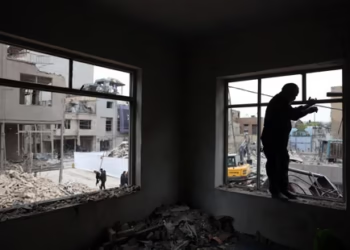 Iran Social Media Strategy Shifts to Information War
 ABC Staff Strike Over Pay and AI Concerns
 Cluster Strikes Test Israel’s Missile Defences
 Trump Faces New Warning Signs as Iran War Hits Home
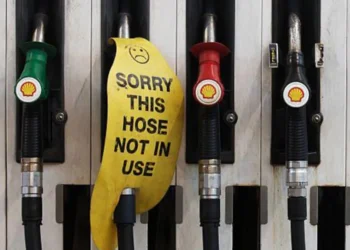 PM Seeks to Reassure Australians Over Fuel Supply
 Zelensky Visits Saudi Arabia After Offering Drone Expertise
 Reeves to Join Emergency G7 Meeting as Oil Hits $116
 Trump Considers Military Operation to Seize Iran’s Uranium
 Miliband Accused of ‘Cheating’ After Classing Foreign Gas as Clean Power
 Jim Ratcliffe’s £3.5bn Chemical Plant Delayed with Parts Stranded in the Gulf
 Trump Building ‘Massive’ Military Bunker Under White House Ballroom
 Zelensky Looks to Gulf to Protect Him from Putin
 Iran Strikes Kuwaiti Desalination Plant, Killing Worker as ‘Water War’ Escalates
 Trump to Deploy “God Squad” Over Gulf Wildlife Protections
 The Death-Defying Nuclear Commando Mission That Could End the War
 The ‘Islamabad Initiative’: How Pakistan Won Over Trump as a Key Mediator
 Baltic Blackout: Satellite Images Reveal Scorched Russian Oil Hubs After Ukraine Strikes
 Epic Fury: The Strategic Logic and Uncertain Horizon of the 2026 Iran War
 UK-Led 35-Nation Summit Seeks to Break the Hormuz Deadlock
 Apple at 50: Three Products That Changed How We Live
 “Region Will Burn”: Iran Issues Defiant Retaliation Warning After Trump’s Expletive-Laced Deadline
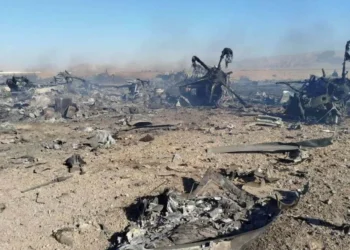 Behind Enemy Lines: The 12-Hour Race to Save a Downed U.S. F-15E Pilot
 The “Citrus” Shift: Marmalade to be Legally Rebranded in Post-Brexit Food Realignment
 Oil and Diplomacy: Russian Refineries Burn as Zelenskyy Secures Middle East Shield
 “A Perfect Storm”: UK Small Businesses Face Doubling Energy Bills as Iran War Rattles Markets
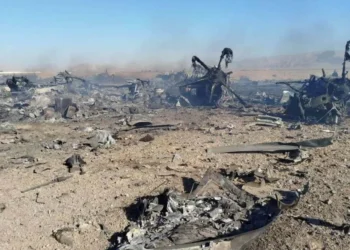 Operation Epic Fury: The Miraculous Mountain Rescue of ‘Dude 44’
 Electric Shock: Australians Buy Record Number of New EVs as Fuel Crisis Bites
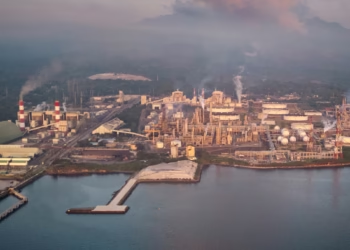 War, Windfalls, and the Carbon Trap: The Iran Conflict’s Brutal Energy Math
 The $100 Billion Peace: Trump’s ‘Grand Bargain’ Ends Iran Conflict at a Staggering Cost
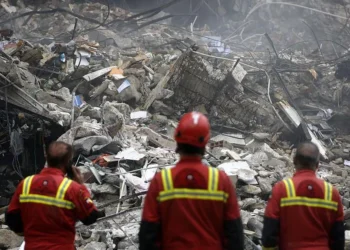 ‘A Double-Sided Ceasefire’: Inside the 14-Day Truce Between the US and Iran
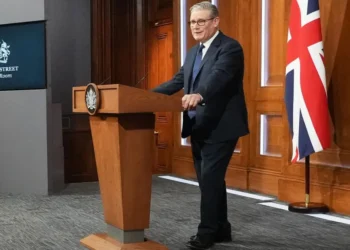 Diplomatic Sprint: Starmer Heads to the Gulf as 14-Day Truce Holds
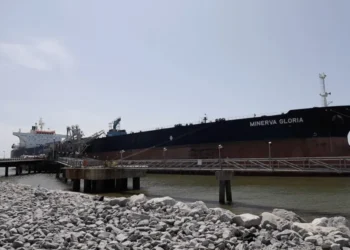 The ‘Heavy’ Shift: Gulf Coast Refineries Ramp Up Venezuelan Crude Intake
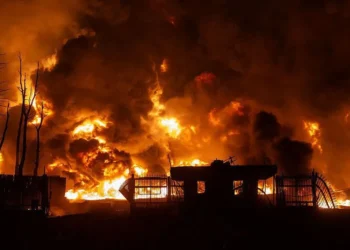 The Horns of Dilemma: Why the 2026 Iran War Ignited and Where It Goes Next
 Russia’s Latest Push to Win US Favors Shows Deep Desperation
 Trump’s UK Ambassador Urges North Sea Drilling to Strengthen US Ties
BBC to Apologise Over Edited Trump Speech Amid Backlash
Trump’s UK Ambassador Urges North Sea Drilling to Strengthen US Ties
BBC to Apologise Over Edited Trump Speech Amid Backlash
 Millionaires group urge Reeves to introduce wealth tax to ‘lift kids out of poverty’
 Greene Pushes Epstein Files Amid Trump Fallout
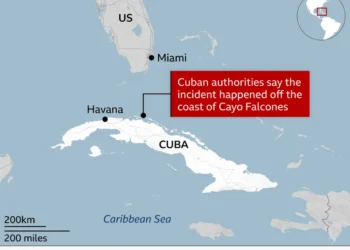 American Citizen Killed in Cuba Boat Shooting, U.S. Officials Say
 Iran’s Regime Still Intact — Coming Days Will Test Its Survival
 Finland Plans to Lift Decades‑Old Ban on Hosting Nuclear Weapons
 Trump Pressures Congress Over Save America Act
 Iran War Puts Trump at Political Risk Amid Rising Prices
 Queensland Protest Laws Spark Free Speech Backlash