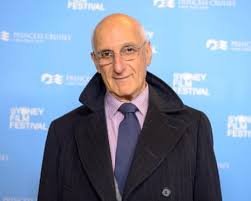
Published: 23 April 2026. The English Chronicle Desk. The English Chronicle Online.
The literary world is currently mourning the loss of a remarkable Australian author today. David Malouf passed away peacefully this week at the incredible age of ninety-two years. He leaves behind an expansive body of work that challenged our global literary conventions. His writing bridged the ancient world with the distinct heat of Queensland suburbs. Malouf possessed a rare talent for blending classical myths with very modern human experiences. He explored complex ideas about identity and morality through his deeply resonant prose style. Readers across the United Kingdom and beyond cherished his unique voice for many decades. His novels often examined how individuals navigate profound loss and seek personal healing paths. He believed that every central character must undergo a significant and transformative disruption. This journey toward internal wholeness defined his approach to storytelling across his long career. The Australian landscape and his Brisbane roots served as vital inspirations for his writing. He maintained a deep connection to his home while observing it with sharp clarity. His creative output spanned across poetry and fiction and essays and even dramatic libretti. He famously committed to writing his drafts by hand throughout his entire professional life. This dedication to his craft reflected a deep respect for language and quiet reflection. He did not embrace modern technology for his writing process but chose tactile methods. His debut poetry collection was published in nineteen seventy to great critical acclaim locally. Later works solidified his reputation as a master of both rhythm and lyrical intensity. Poetry International praised his ability to blend erudition with a truly masterful musical ease. His first novel arrived in nineteen seventy-five and explored a very specific wartime Brisbane. Johnno remains a landmark text that captures the intensity of young male friendships perfectly. Patrick White famously celebrated this particular work for its emotional honesty and brave themes. Malouf later turned his brilliant attention toward reimagining the myths of ancient Greek culture. His novel Ransom explored themes of conflict through the lens of the famous Iliad. Readers marveled at how he bridged the gap between ancient history and contemporary emotions. He also famously reimagined the life of the Roman poet Ovid in stunning detail. His novella An Imaginary Life remains a high point of his imaginative literary career. Awards followed his success including the prestigious Commonwealth prize and a Miles Franklin win.

His novel The Great World captured the scars of war with incredible emotional depth. He demonstrated a profound understanding of the subtle currents existing between different human sexes. Remembering Babylon became a shortlisted candidate for the prestigious Booker prize during his career. This story challenged settlers to confront their own biases in a rapidly changing world. David George Joseph Malouf was born in Brisbane on the twentieth of March nineteen-thirty-four. His heritage combined Lebanese and Sephardic Jewish roots into a truly unique family history. He grew up in a household where literature was cherished above all other things. By the age of four he was already reading classic English books with enthusiasm. Shakespeare and Dickens were early companions for the young boy living in sunny Brisbane. He believed these foundational stories revealed extraordinary secrets about the wider world around him. He began writing for local newspapers while still a child exploring his own voice. Poetry became his primary focus after discovering the works of Kenneth Slessor at sixteen. Music remained a constant passion and influenced his writing style in very subtle ways. He eventually wrote libretti for three operas which showcased his love for theatrical storytelling. He attended the University of Queensland and graduated with honours in nineteen fifty-five. Teaching English allowed him to travel and spend time living within vibrant London settings. Returning to Australia in nineteen sixty-eight he eventually became a dedicated full-time writer. He frequently divided his time between his Australian home and beautiful locations in Italy. His books were rarely adapted for film because of their deep interior narrative focus. He maintained that the true heart of his stories remained locked within internal thoughts. His legacy as a writer is cemented by numerous international awards and deep respect. He received the Officer of the Order of Australia for his service to literature. Lifetime achievement awards highlighted his long and distinguished contribution to the global reading public. He once noted that he never reread his own published work after the release. He believed that each book belongs entirely to the readers for whom it existed. His words will continue to inspire new generations of writers across the English language. We celebrate a life defined by curiosity and gentle grace and profound literary insight. His influence remains woven into the fabric of contemporary literature for many years ahead. The literary community stands in gratitude for the immense beauty he gave the world.
Related News:
 UK Banks Granted Reprieve as BoE Delays Basel III Capital Rules Until 2028
 Singapore Corruption Scandal: Details Emerge on Iswaran’s Luxury Flight and Ties to Tycoon Ong Beng Seng
 Corfu Beyond the Crowds: Discovering Serenity in Southern Villages and Hidden Taverns
 Peter Andre Praises Son Junior’s ‘Quiet Season’ Amid Ongoing Family Dispute
 Massive 641-Mile Storm Set to Batter UK with 15 Hours of Rain and Strong Winds
 Jeremy Clarkson’s Pub: A Sunday Lunch Like No Other
 Scottish Government Mandates Single-Sex Toilets and Changing Facilities in Schools
 Reeves Faces Setback as Labour May Miss Homes Target
 Kate Winslet to Narrate Film Highlighting King’s Environmental Mission
 Trump’s UK Ambassador Urges North Sea Drilling to Strengthen US Ties
 Federal Immigration Shift: Officers Leave Louisiana for Minneapolis
 Fatal Bolton Taxi Crash Claims Three Teens and Driver
 Australia grants Asio powers to designate hate groups under new laws
 Friedman Uninvited From 2024 Adelaide Writers’ Week
 ScottishPower Tops List of Worst UK Energy Suppliers
 Judi Dench Champions Fight to Save London’s Green Spaces
 Crowborough Camp Welcomes First Asylum Seekers
 BBC Funding Crisis: Tim Davie Warns of Jeopardy Ahead
 ABC Facebook Page Briefly Hacked, Adult Photos Posted
 Artificial intelligence will cost jobs, admits Liz Kendall
 Older Women Vanish from BBC Screens, Review Confirms Bias
 Meta trial over child exploitation claims begins
 Streeting moves on doctor pay to end strike dispute
 Ben Stokes injury joke after brutal ball strike
 UK and US Drop in Global Corruption Index Rankings
 Send spending gap leaves deprived areas behind
 Hidden Crisis: Domestic Abuse Suicide Toll in UK
 UK Unemployment Rate Climbs to 5.2% Peak
 Canberra Poster Seizure Sparks Free Speech Row
 BBC World Cup Presenting Duties Shared Among Trio
 Wales Approves Assisted Dying Bill Consent
 CPS Updates Guidance on Honour-Based and Dowry Abuse
 Stewart Brand on Musk, Bezos and a Life of Long Thinking
 English Cricket Faces Moral Crisis Over Indian Investment
 Jacinda Ardern Move Sparks Kiwi Reflection
 Middle East Airspace Crisis Strands Thousands
 Kelly Wilkinson Inquest Reveals Bail Failure
 Asylum Seekers to Work After Year-Long Wait
 Princess Eugenie steps down as patron of anti-slavery charity
 New Zealand Covid Response Praised Despite Lingering Scars
 Injured Mojtaba Khamenei Elevated as Iran Leader
 The Kill Line: A Shifting Vision of the American Dream
 Inquiry into HMRC child benefit errors launched by NAO
 Family of Alleged Bondi Gunman Seeks Name Suppression
 Rising Costs Force Families to Rethink Days Out
 Air Canada CEO Faces Outcry Over Recent Language Misstep
 Extreme Weather: Europe Shivers as Cyclone Narelle Hits
 Scott Mills Sacked by BBC Over Personal Conduct Claims
 Palantir Boss Defends NHS Deal Amid Government Break Clause
 Asia Turns Back to Coal Amid Middle East Energy Crisis
 Relationship with Trump may be beyond repair, Starmer warned
 Trump’s Six-Week Iranian War: The High Cost of Ignorance
 US and Iran Agree to Two-Week Provisional Ceasefire
 Battle of Britain Tower to House Tourists and Bats
 The Challenger: Will Péter Magyar End the Orbán Era?
 UK Government Poised to Revive Stalled Hillsborough Law
 Democrats Move to Impeach Defense Secretary Pete Hegseth
 Security Alert Near Israeli Embassy as Police Investigate
 Ben Roberts-Smith Denies War Crime Allegations in First Statement
 Home Office Faces Legal Risks Over Asylum Hotel Living
 US-Iran Standoff: Will Trump Deploy Ground Troops?
 Investigation: Offshore Loans and Sanctions
 Trump Defiant After Washington Hotel Shooting
 Cross-Border Crisis Shatters Fragile Afghan Peace
 Urban Flood Crisis: A Growing Threat to English Homes
 The Fear Gap: Why Europe Feels Less Safe Than It Is
 US Military Pacific Boat Strike Kills Three People
 Dettol Apologises for ‘Toxic Men’ Advert Backlash in China
 UK Care Crisis: Row Explodes Over New Visa Settlement Rules
 Sainsbury’s Boss Optimistic As Grocery Inflation Eases
 US Advance Past Bosnia in World Cup Thriller
 Trump’s Mount Rushmore Speech: A Divisive Anniversary
 Trump’s Red-Card Intervention Hurts the US World Cup
 US Airman Avoids British Court in Indecent Exposure Case
 Britain’s Mini Fan Craze Sparks Major Waste Crisis
 Trump Swaps Planes Amid Iran Tensions
 Ann Widdecombe, Formidable Political Figure, Dies at 78
 UK Schools Struggle as Classrooms Top 40C
 Yemen Accuses Iran of Violating National Sovereignty
 Houthis Strike Saudi Arabia as Middle East Tensions Rise