Published: 12 August. The English Chronicle Desk
The United Kingdom is swiftly restoring its prominent status within the European Union’s prestigious Horizon Europe science research programme, securing €735 million in grants in 2024 alone. This resurgence comes just 18 months after the UK rejoined the initiative as an associate member following post-Brexit disputes.
For three years, the UK had been excluded from Horizon Europe due to a political standoff linked to Northern Ireland’s trading arrangements, during the tenure of former Prime Minister Boris Johnson. Despite this hiatus, British scientists have demonstrated remarkable resilience, catching up in the seven-year, €80 billion funding cycle (2020-2027) and now ranking fifth among 43 participating countries, which include all 27 EU member states as well as 16 non-EU associate nations like New Zealand, Canada, and Norway.

Germany leads the pack in 2024 with €1.4 billion in grants, followed by Spain with €900 million. However, the UK stands out in individual grants awarded to scientists, coming in second only to Germany with €242 million secured. Furthermore, the UK is the top beneficiary of the prestigious Marie Skłodowska-Curie Actions programme, which supports doctoral and post-doctoral research.
The temporary Brexit exclusion had damaged the UK’s scientific reputation on the global stage and posed challenges for UK universities in attracting European researchers. However, the current data reflects a strong recovery, with leading institutions such as Oxford and Cambridge each receiving over €65 million in funding, closely followed by University College London and Imperial College.
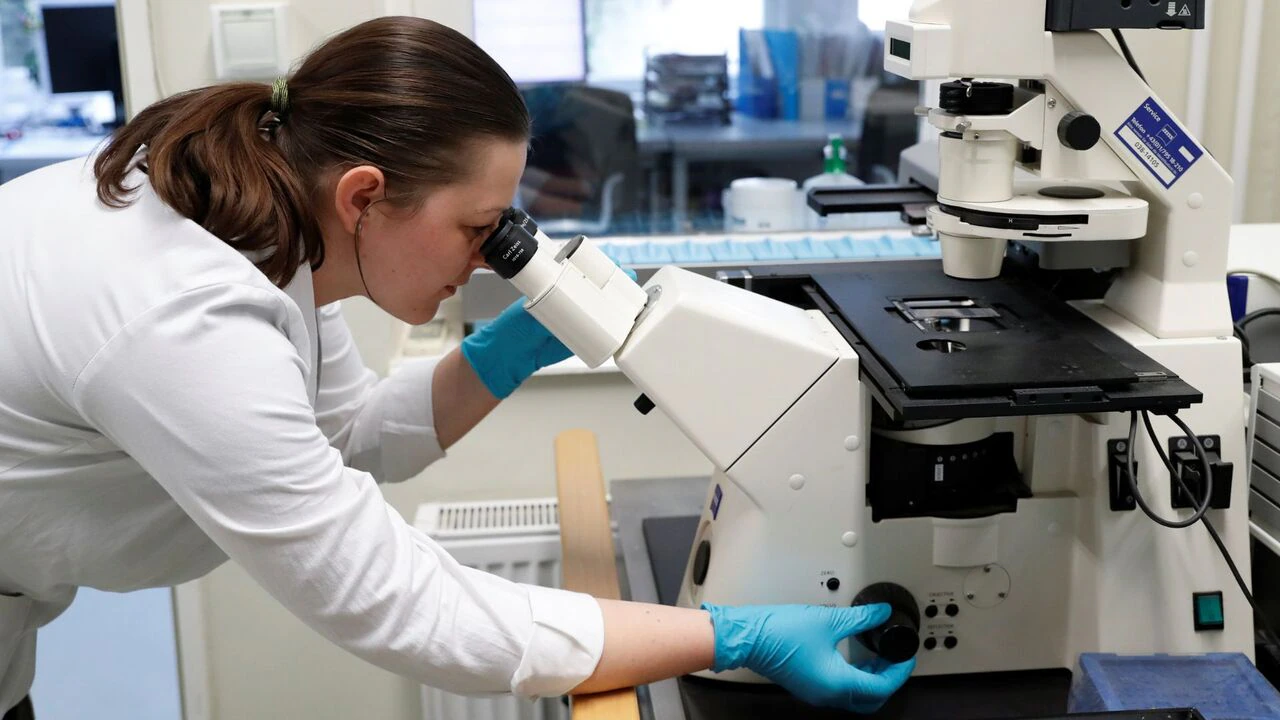
The range of funded projects showcases the UK’s innovative spirit, spanning cutting-edge medical research — including the development of brain catheters inspired by wasps’ ability to penetrate tree bark — to pioneering efforts in sustainable aviation fuel production using yeast and greenhouse gases. Other grants support environmental conservation, textile recycling, and agricultural robotics.

Professor Ferdinando Rodriguez y Baena of Imperial College London, who recently completed a 15-year Horizon-supported project, emphasized how the programme fosters collaboration and breakthrough innovation. The UK’s resurgence as a top non-EU beneficiary demonstrates its scientific prowess and the value of international cooperation in advancing research.
Before Brexit, the UK was already a leading recipient of Horizon funding, consistently earning more in grants than it contributed. Its return marks a significant milestone for the British scientific community and offers promising prospects for future research collaborations across Europe and beyond.
Related News:
 UK Watchdog Moves to Break Apple and Google Duopoly Over Mobile Ecosystem
 Anglian Water Fined £63 Million Over Sewage Scandal Amid National Outrage
 How to Exit Your Broadband Contract Without Paying Exit Fees
 Michele Dougherty Makes History as the UK’s First Female Astronomer Royal
 Ofcom Launches Probe into Pornography Websites Over Compliance with New Age Verification Laws
 Unseen Killers of the Deep Inside the UK Lab Uncovering the Silent Deaths of Sea Creatures
 UK Launches World-First Gonorrhoea Vaccine Amid Record Infection Surge
 Permission Granted for Britain’s First Vertical Rocket Launch at Shetland Spaceport
 Mind the Grab’: Bold Campaign Launched on Oxford Street to Combat Phone Theft
 AI Tools Used by English Councils Found to Downplay Women’s Health Issues, Raising Concerns Over Gender Bias in Care
 Breakthrough Clinical Trial Lets 12-Year-Old Boy with Rare Skin Disorder Play Football
 Government Expands Electric Car Grant Scheme, Offers Discounts on Five More Models
 Hot Tea and Coffee Found to Contain Highest Levels of Microplastics in Popular Drinks
 From ‘Skibidi’ to ‘Mouse Jiggler’: Cambridge Dictionary Expands with Modern Slang and Social Terms
 Expanded Access to Health Diagnostics in England Now Available Beyond Standard Hours
 Shocking Rise in Children’s Exposure to Violent Online Pornography Raises Alarm
 Ed Davey Urges Government to Block Elon Musk’s Tesla from Supplying UK Home Energy
 Britain’s Butterfly Numbers Rebound but Remain Average
 Ancient Meat Feasts Revealed as Bronze Age Britons Gathered Across the Country
 UK Could Generate Nearly £2bn Annually by Taxing SUVs, New Study Reveals
 Google Pledges £5bn AI Investment in UK Ahead of Trump State Visit
 Donald Trump’s UK State Visit Kicks Off Amid Major Tech Investments and Business Engagements
 British AI Startup Outshines Human Forecasters in Global Prediction Contest
Public Skepticism Over AI Poses Challenge to UK’s Superpower Ambitions, Says Tony Blair Institute
British AI Startup Outshines Human Forecasters in Global Prediction Contest
Public Skepticism Over AI Poses Challenge to UK’s Superpower Ambitions, Says Tony Blair Institute
 Ed Davey Urges UK to Attract US Cancer Scientists Amid Funding Cuts Under Trump
 Digital ID Cards: A Useful Modern Tool or a Threat to Privacy and Security?
 History Will Remember Who Showed Up: Pressure Mounts on Keir Starmer to Attend Cop30 Summit
 UK Fighter Jet Purchase Could Breach Nuclear Treaty, Warns CND
 Hackers Allegedly Steal Data of 8,000 Children from Kido Nursery Chain
 Omeprazole Alert: NHS Issues Guidance on Safe Use for Heartburn and Indigestion
GPs in England Warn of Overload as Nationwide Online Appointment System Approaches
Omeprazole Alert: NHS Issues Guidance on Safe Use for Heartburn and Indigestion
GPs in England Warn of Overload as Nationwide Online Appointment System Approaches
 Royal Mail Owner Acquires Stake in Collect+ and Launches High Street Rebrand
 Russia repeatedly targets UK military satellites, warns Space Command chief
 Jaguar Land Rover to Resume Production After Cyber-Attack, Launches Supplier Support Scheme
 Eligibility Confusion Over COVID Vaccination Leaves Pharmacies Struggling Across the UK
 Millions in the UK at Risk of Cyber-Attacks as Microsoft Ends Windows 10 Updates, Warns Which?
 Majority of UK Men Would Opt for Prostate Cancer Screening, Survey Finds
 Scientists Announce First Potentially Accurate Blood Test for Chronic Fatigue Syndrome
 Teen and Man Arrested Over Nursery Cyber Attack Exposing 8,000 Children
 NHS May Pay 25% More for Medicines Amid US Drug Talks
 Brits Warned of ‘Tight Days’ Ahead in Winter Energy Supply
 Cooper Unveils £4m Cyber Plan Against Russian Hackers
 Survey Shows Most GPs Rushing Appointments
 Yvette Cooper Backs Digital ID Plan for UK Teens
 Genetic Tests May Predict Return of Blood Cancer
 UK Woman Becomes Longest Survivor of Heart-Lung Transplant
 UK Energy Firms Complete First Hydrogen Blending Trial
 Labour MPs Warn Digital ID Scheme Risks Cost and Support
 UK Pupils Fear AI Is Eroding Their Learning Skills
 Waymo to Launch Driverless Taxis in London by 2026
 Watchdog Rules Red Tractor Ad Misled Public on Environmental Claims
 Thousands in the UK sue Johnson & Johnson over alleged talcum powder, linked to cancer
 ‘Game-Changing’ HIV Prevention Jab Set for NHS Approval
 UK to Test Digital ID Scheme with Veteran Card
 Ferrari limits UK car exports amid tax-driven shifts
 Runners’ records at risk as Garmin goes to war with Strava
 Reform UK candidate fined £19,000 after using AI-generated cases to challenge election
 Eurostar to launch doubledecker trains through Channel Tunnel by 2031
 Harry and Meghan join global AI leaders urging superintelligence ban
 Met Launches Drones to Respond Rapidly to 999 Calls
 Time to Turn Back the Clock: Celebrating Willett’s Legacy
 Breath test could ‘revolutionise’ pancreatic cancer treatment
 How Bringing Forests Into Preschools Boosts Children’s Health
 Critically Endangered Spider Rediscovered in UK After 40 Years
 England Curriculum Review Recommends Major Changes
 Experts Urge Legal Right to Timely Cancer Care
 One of world’s last dinosaurs on sale for £3m
 North Sea oil workers must lose weight or face job loss
 No link found between paracetamol in pregnancy and autism
 Government urges schools to ban phones to curb classroom disruption
 Northern Lights May Illuminate UK Skies Amid Strong Solar Storm
 UK Greenlights First Small Nuclear Plant in North Wales
 Valve Opens the Door for Android Games on Steam
 Higgs Donates Nobel Medal to His Beloved University
 UK launches major AI drive to fight deadly superbugs
 Coffins Now Too Large to Cremate Amid Rising Obesity Crisis
 UK Taskforce Unveils Plan to Streamline Nuclear Reactor Rules
 Thinktank Urges Smaller Hospitals to End NHS ‘Permacrisis’
 NHS paediatric leave parents waiting months for answers
 Ofcom urges platforms to limit abuse and curb online ‘pile-ons’