Published: 06 May 2026. The English Chronicle Desk. The English Chronicle Online.
The landscape of public health in England currently faces a deeply concerning and urgent challenge. Recent findings have revealed a significant divide in how different communities experience life-threatening medical emergencies. People from black backgrounds in England are now twice as likely to suffer from strokes. This data comes from the largest and most comprehensive study ever conducted on the specific subject. Researchers from King’s College London presented these findings at the European Stroke Organisation conference this week. Their analysis covered thirty years of data from the renowned South London Stroke Register records. This register is unique because it tracks every single stroke within a very specific area. It offers a much more accurate picture than standard clinical trials which use selected participants. The study looked at a population of over three hundred thousand people over several decades. During this time researchers identified more than seven thousand individual cases of stroke within London. Stroke rates actually fell significantly between the late nineties and the early two thousand and tens. However the data shows a worrying thirteen percent rise in cases over the last four years. This recent increase has not affected all ethnic groups in the same way across the country. People of black African and Caribbean heritage are facing a much higher risk than white residents. The incidence rate is over one hundred percent higher for those with black African family roots. Those from black Caribbean backgrounds face a risk that is exactly double that of white people.

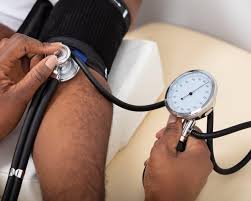
These statistics highlight a growing health inequality that demands immediate attention from the national government. High blood pressure is a primary driver of these statistics within the affected black communities today. People from black backgrounds are nearly fifty percent more likely to suffer from high blood pressure. They are also twice as likely to live with diabetes compared to their white English neighbors. These risks persist even when researchers account for different levels of wealth and social status. Dr Camila Pantoja-Ruiz led the research team and offered some vital context for these figures. She suggested the recent spike might be a lasting shadow cast by the global pandemic period. Access to primary care and regular blood pressure monitoring decreased sharply during the various lockdowns. These disruptions hit black and deprived communities much harder than other areas of the United Kingdom. Dr Pantoja-Ruiz also pointed toward broader systemic issues that influence these very different health outcomes. Factors like racism and unconscious bias can subtly affect the quality of care patients receive daily. Socioeconomic circumstances also play a massive role in how easily people can access medical support services. The study specifically highlighted intracerebral haemorrhage as a major concern for these specific patient groups. This type of stroke is linked very strongly to blood pressure that is not controlled. High blood pressure remains far more common in black communities across major cities in the country.
The disparities do not end once a patient has been admitted to a local hospital. Survival is only the first step in a very long journey toward a full recovery. The study found that black African survivors are much less likely to receive necessary follow-up care. Specifically they are thirty-four percent less likely to get the NHS support they need after discharge. Timing is another tragic factor as black patients suffer strokes much earlier in their lives too. On average these individuals are falling ill ten to twelve years sooner than white patients are. This means that people are being hit by life-changing conditions during their most productive years. The period immediately following a stroke is the most critical time for preventing a second occurrence. Without proper follow-up care patients are left extremely vulnerable to further and more severe health problems. Dr Pantoja-Ruiz noted that a lack of trust in the healthcare system plays a role. This mistrust often stems from historical and ongoing experiences of discrimination within the medical field itself. Patients may feel hesitant to engage with services that have previously failed to meet their needs. This creates a cycle where the most vulnerable people are the least likely to seek help. Solving this will require more than just medical intervention and better blood pressure medication alone. It requires a fundamental shift in how the healthcare system interacts with diverse local populations today.
Maeva May works as the director of policy at the well-known charity the Stroke Association. She expressed deep concern that stroke rates are rising again after years of steady national progress. Her organization believes that black communities are currently bearing a completely disproportionate burden of this disease. This rise is fueled by risk factors that are often undetected or are not treated well. High blood pressure causes around half of all strokes seen in the United Kingdom each year. Social and economic factors like poor housing also shape health long before a stroke occurs. When people live in stressful or inadequate conditions their physical health inevitably begins to decline. However May also emphasized that progress is possible if the right actions are taken now. Stroke rates fell for two decades because prevention programs were effective and reached many different people. The current challenge is ensuring that this vital support reaches every single community equally and fairly. The government must prioritize stroke prevention and listen to the voices of those most affected. We need a healthcare system that treats every person with the same level of urgency. This study serves as a wake-up call for policy makers and local health authorities alike. We cannot ignore the evidence that some lives are being protected better than others in England. Every citizen deserves an equal chance at a long and healthy life regardless of background. Addressing these inequalities is not just a medical necessity but also a matter of social justice. The future of the NHS depends on its ability to serve all of its patients. By focusing on targeted prevention we can start to close this dangerous and growing health gap. Together we can work toward a future where stroke risk is minimized for every single person.
Related News:
 Hospice Cuts Raise Alarm Across England Amid Funding Crisis
 Celebrities and Charities Demand UK Government Act on Child Poverty
 Patients to Test Health at Home to Ease NHS Winter Pressure
 London’s Childlessness Crisis: Schools Closing as Families Shrink
 Shouting Works Best to Deter Gulls, UK Study Finds
 Reeves rejects £1bn plea for NHS redundancy payouts
 Working-Class Men with Prostate Cancer Left Behind by NHS
 Senator John Fetterman Hospitalized After Fall from Heart Flare-Up, Keeps Sense of Humor
 New AI tool could cut wasted efforts in organ transplants
 Stroke Patient Mistaken for Drunk, Care Delayed
 ‘Traumatic Wait’: Northern Ireland Women Face Breast Cancer Delays
 Healthy Habits in Your 30s That Boost Life in Your 70s
 Scottish Families Take Legal Action Over School CO Leak
 Coffins Now Too Large to Cremate Amid Rising Obesity Crisis
 Vicki Fears Losing Motability Car
 Delhi’s Toxic Air Crisis Leaves Children Sick and Vulnerable
 Five-Year-Old Dies After Rare Tonsil Surgery Complication
 Fibromyalgia Patients Struggle as NHS Fails to Provide Care
 More Patients Now Contacting GPs Online, Data Shows
 Kenya Signs $2.5bn Health Deal with US Amid Data Concerns
 Children to Receive Home Vaccines as England Acts
 Childhood Hypertension Sparks Urgent UK Testing Calls
 UK Enforces Junk Food Ad Ban Before 9pm
 Patients Collapsing in NHS Corridors, Watchdog Warns
 Google Removes Some AI Health Summaries Over Safety Concerns
 Polycrisis Anxiety Leaves Many Feeling Trapped in the Present
 UK Mothers Overloaded: Mental Health Pressures Worsen
 Small risk warning raised over weight-loss jabs in UK review
 Streeting moves on doctor pay to end strike dispute
 Autistic Girls Often Missed in Childhood Diagnoses, Study Finds
 UK reports baby formula toxin poisoning cases across the country
 Most Statin Side-Effects Are Not Caused by Drugs, Study Confirms
 UK, US Medics Barred from Gaza Amid Rising Aid Concerns
 Chikungunya Spread in Europe Climbs as Climate Warms
 Placenta Accreta Warning as Hunt Urges Action
 Half of Britons Avoid GP When Ill, Survey Reveals Growing Concern
 The rise of rejection sensitive dysphoria: How it shapes lives
 Sudden Blindness 2,000 Miles from Home – Alone and Penniless
 NHS Maternity Units Cover Up Harmful Childbirth Errors
 Weight-loss drugs may transform heart attack recovery
 Zorevunersen Breakthrough for Dravet Syndrome
 Cancer Death Rate in Britain Falls by Nearly a Third
 New Zealand Covid Response Praised Despite Lingering Scars
 Taking Multivitamins Daily Could Slightly Slow Ageing, Study Finds
 Canada Plasma Deaths Raise Safety Concerns After Two Donors Die
 ‘Drinking from a Fetid Pond’: Superbug Genes in Lough Neagh
 NHS Plans to Cut Overseas Workers Labeled Overambitious
 Palantir Boss Defends NHS Deal Amid Government Break Clause
 Reformer Pilates Boom Sparks Surge in Injuries, Experts Warn
 Unions Raise Concerns Over Doctors’ Pay Dispute
 Blue Badge Surge Prompts Calls for Urgent Fraud Crackdown
 Private Profits From NHS Contracts Spark Urgent National Debate
 Crisis in NHS Surgery Scheduling Hits Patients Hard
 Britain’s Health Decline: A Growing National Concern
 New Scan Offers Hope for Faster Endometriosis Diagnosis
 New AI Tool To Target Obesity Risk And Transform NHS Care
 WHO approves first malaria drug for babies
 The Hidden Danger Facing Mothers in British Hospitals
 Hantavirus Cruise: Britons Face 45-Day Isolation Order
 Florida Surgeon ‘Devastated’ Over Fatal Surgery Error
 Crisis in the Canary Islands as Cruise Ship Evacuated
 Mission to the World’s Edge: A Heroic Rescue in Tristan
 UK Experts Urge Four-Day Week to Combat National Obesity
 French Patient Told Hantavirus Was Just Anxiety
 Heavy Caring Burden Linked to Faster Mental Decline
 NHS Drug Deal Faces Legal Threat Over US Trade Agreement
 Ebola Returns to the DRC: A Crisis of Panic and Hope
 Pope Meets Families in Italy Toxic Waste Zone
 Record Spending Highlights Growing Crisis In National Health Service
 The Hidden Perils of Online Health Advice for Women
 NHS to Tell Minor A&E Patients to Return Later
 Clean Air Initiatives Spark Major Fall in London Hospital Admissions
 NHS Urges Investigation For Irregular Periods
 Deadly H5 Bird Flu Reaches Australia’s East Coast
 UK Heatwaves Ignite Crisis of Sleep and Public Safety
 Arizona Toddler Found Alive in Hospital Cold Room
 Trump Immigration Cuts Threaten US Caregiver Stability
 UK Schools Struggle as Classrooms Top 40C
 London Tube Heat Reaches Dangerous Levels
 Weight-Loss Drugs Offer Food Savings Mainly to High Earners