
Published: 06 May 2026. The English Chronicle Desk. The English Chronicle Online.
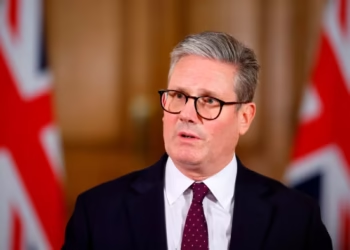
The British political landscape stands on the precipice of a seismic shift as voters prepare to head to the polls tomorrow for a series of local and devolved elections. Current data and expert analysis suggest that the Labour Party is currently navigating its most perilous electoral moment since Keir Starmer took the keys to Number Ten. Projections from respected academic sources indicate that the party could be facing a set of results described as truly unprecedented in their scale of defeat. This downturn comes at a time when the Prime Minister is already battling significant internal dissent and a public outcry over high-profile diplomatic appointments. The latest polling figures suggest that the traditional dominance of the two main parties is being aggressively challenged by a surge in support for Reform UK and the Green Party.
In England, the outlook for Labour is particularly grim across the 136 council races where seats are contested this year. Professor Stephen Fisher of the University of Oxford has produced a detailed model suggesting that Labour could lose as many as 1,900 councillors in a single night of voting. This figure represents nearly three-quarters of the seats the party is defending in this specific cycle, a collapse that would be historic for any sitting government. While Labour has historically relied on its strongholds in London and the industrial north, those very foundations now appear to be crumbling under the pressure of multi-party competition. The rise of independent candidates and a reinvigorated Liberal Democrat presence in suburban areas are further squeezing the Labour vote from multiple directions simultaneously.

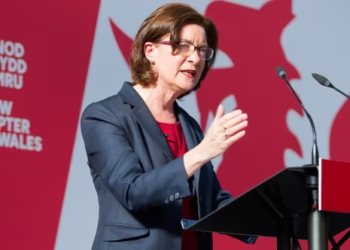
The situation in Wales presents perhaps the most existential threat to the party’s long-standing identity as the natural voice of the Welsh people. Since the creation of the Senedd in 1999, Labour has remained the dominant force in Cardiff Bay, yet latest polls suggest a catastrophic drop in their support. Some data indicates that the Labour vote share in Wales could fall by more than half, potentially relegating the party to a humiliating third-place finish. Reform UK and Plaid Cymru are currently vying for the top spot, a scenario that was almost unthinkable just a few years ago. Such a result would not only disrupt the local power balance but also raise fundamental questions about the party’s ability to hold its traditional heartlands.
Scotland offers little comfort for the Labour leadership as the party continues its long-term struggle to regain the ground lost to the Scottish National Party. While the SNP appears on track to maintain its grip on Holyrood, the real story of the campaign has been the dramatic rise of Reform UK north of the border. Projections suggest that Reform is well-placed to secure second place in the Scottish Parliament, pushing Labour further down the pecking order in a nation they once ruled without question. This shift highlights a broader trend across the United Kingdom where voters are increasingly looking toward insurgent parties to voice their frustrations with the political establishment.
The Conservatives are by no means immune to this tide of voter dissatisfaction and are also bracing for a significant drubbing at the ballot box. Professor Fisher’s estimates suggest a net loss of over 1,000 Conservative councillors as the party suffers from the same voter exodus affecting their primary rivals. However, the focus remains squarely on the Labour Party because of the unique pressure currently bearing down on Keir Starmer’s personal leadership. The projected gains for Reform UK are nothing short of extraordinary, with the party expected to triple its local representation in England almost overnight. The Green Party is also anticipated to make substantial gains, further fragmenting a political map that was once defined by a simple red and blue divide.
Much of the current anger directed toward the Prime Minister stems from the controversial appointment of Peter Mandelson as the United Kingdom’s ambassador to the United States. Revelations that the veteran politician failed crucial security vetting for the role have sparked a firestorm within Westminster and among the wider British public. While the government initially attempted to downplay the significance of the vetting failure, the subsequent pressure from opposition parties has been relentless and highly effective. Calls for Starmer’s resignation have moved from the fringes of political discourse into the mainstream as critics question his judgment and transparency. The timing of this scandal, coinciding with such a pivotal set of elections, has created a perfect storm for a leadership challenge.
Within the Labour Party itself, the atmosphere is reportedly one of growing anxiety and hushed conversations about the future of the front bench. Although several ministers have publicly defended the Prime Minister by citing the ongoing international tensions surrounding the Iran crisis, the private mood is much darker. Many backbenchers fear that a total electoral wipeout tomorrow will make Starmer’s position untenable regardless of the global situation or ministerial loyalty. The sense of an impending catastrophe is palpable, with many activists reporting a cold reception on the doorstep from former lifelong Labour supporters. The narrative of “unprecedented losses” is no longer just a statistical projection but a reality that the party is having to confront in real-time.
Reform UK has capitalized on this discontent by positioning itself as the only viable alternative for voters who feel abandoned by both major parties. Their surge in the polls is a direct reflection of a broader European trend where populist movements are gaining significant traction against established centrist governments. By focusing on issues of national identity and economic frustration, they have managed to peel away significant portions of the traditional Labour working-class vote. If the party can successfully convert its high opinion poll ratings into actual council seats, the consequences for the British two-party system will be profound and long-lasting. This conversion rate is the key metric that analysts will be watching closely as the first results begin to trickle in tomorrow night.

The Green Party’s projected success also signals a shift in the priorities of younger and more environmentally conscious voters who find Labour’s current platform lacking in ambition. With an estimated gain of 450 councillors, the Greens are set to become a much more significant player in local government across many parts of England. This growth suggests that the “progressive” side of the political spectrum is becoming just as divided and competitive as the right-hand side. For Labour, this means they are fighting a war on two fronts, losing moderate voters to the Liberal Democrats and more radical supporters to the Greens. Maintaining a coherent national message under such circumstances has proven to be an almost impossible task for the current leadership team.
As the final hours of the campaign draw to a close, the focus remains on whether these projected losses will be enough to trigger a formal move against Keir Starmer. A loss of nearly 2,000 councillors would be a historic low point for any Prime Minister and would provide his critics with the ammunition they need to act. The Mandelson affair has already weakened his authority, and a crushing defeat at the polls could be the final blow that shatters his premiership. Voters across the country are now holding the cards, and their decisions tomorrow will determine the trajectory of British politics for the remainder of this decade. The English Chronicle will be providing live coverage and expert analysis as this extraordinary chapter in our political history unfolds throughout the week.
Related News:
 Reeves Faces Setback as Labour May Miss Homes Target
 Kate Winslet to Narrate Film Highlighting King’s Environmental Mission
 Trump’s UK Ambassador Urges North Sea Drilling to Strengthen US Ties
 UK Bans Fake Numbers: Scammers Lose Their Trick
 M&S Profits More Than Halve After Cyber-Attack
 Patients to Test Health at Home to Ease NHS Winter Pressure
 Millionaires group urge Reeves to introduce wealth tax to ‘lift kids out of poverty’
 Reeves rejects £1bn plea for NHS redundancy payouts
 Northern Lights may illuminate UK skies this week
 PM Condemns Leaks, Vows Loyalty to Ministers and Stability
 Major Rent Reform Ends No-Fault Evictions in England
 Stroke Patient Mistaken for Drunk, Care Delayed
 Inside the Helpline Protecting Missing Children in the UK
 Boots Showstopper Beauty Bundle Outshines Many Advent Calendars This Holiday Season
 PlayStation PS5 Deals Hit Lowest Prices Ahead of Black Friday
 Five-Year-Old Dies After Rare Tonsil Surgery Complication
 Starmer Says Labour’s Economic Plan Needs Years to Deliver
 UK unemployment rises to four-year high of 5.1% before budget
 Wiltshire Police Use Lasso to Catch Rampaging Village Goat
 Coasting Drinks: The Trend Redefining Alcohol Enjoyment This New Year
 Rising Hate Crimes Threaten Safety on UK Public Transport
 Starmer Faces Parliamentary Battles Over UK-EU ‘Reset’ Plan
 Met Police Vetting Failures Let Serial Rapists Remain
 Fatal Bolton Taxi Crash Claims Three Teens and Driver
 ScottishPower Tops List of Worst UK Energy Suppliers
 Judi Dench Champions Fight to Save London’s Green Spaces
 Crowborough Camp Welcomes First Asylum Seekers
 BBC Funding Crisis: Tim Davie Warns of Jeopardy Ahead
 Artificial intelligence will cost jobs, admits Liz Kendall
 Older Women Vanish from BBC Screens, Review Confirms Bias
 Streeting moves on doctor pay to end strike dispute
 Send spending gap leaves deprived areas behind
 Hidden Crisis: Domestic Abuse Suicide Toll in UK
 UK Unemployment Rate Climbs to 5.2% Peak
 BBC World Cup Presenting Duties Shared Among Trio
 Wales Approves Assisted Dying Bill Consent
 CPS Updates Guidance on Honour-Based and Dowry Abuse
 Asylum Seekers to Work After Year-Long Wait
 Inquiry into HMRC child benefit errors launched by NAO
 Rising Costs Force Families to Rethink Days Out
 Scott Mills Sacked by BBC Over Personal Conduct Claims
 Palantir Boss Defends NHS Deal Amid Government Break Clause
 Relationship with Trump may be beyond repair, Starmer warned
 UK Government Poised to Revive Stalled Hillsborough Law
 UK Staycations Rise as Travel Fears Grow
 Home Office Faces Legal Risks Over Asylum Hotel Living
 Official Admits Debate Over Mandelson Vetting Records
 Crisis in NHS Surgery Scheduling Hits Patients Hard
 Welsh Labour Faces Potential Historic Election Defeat
 Blue Badge Abuse: The Rising Tide of Public Hostility
 UK Faces Future Where Deaths Outnumber Births Yearly
 Scott Parker Leaves Burnley After Premier League Drop
 Silent Tracks: Rail Line Without Passengers
 RFU Backs Borthwick Despite England’s Poor Six Nations
 Met Officers Probed Over Al Fayed Abuse Allegations
 Labour Members Doubt Starmer Future as Burnham Leads Poll
 Reform UK Faces Crisis as Newly Elected Councillors Resign
 Starmer Strikes Back as 100 MPs Sign Support Pledge
 UK Firms Freeze Spending as Iran Conflict Bites
 Rugby Legend Scott Hastings Dies Aged 61
 Reeves to Fast-Track Clean Energy Amid Iran Crisis
 The Battle for Wembley Sparking Unprecedented Legal Warfare
 Record Spending Highlights Growing Crisis In National Health Service
 Secret Role of UK Security Services in Troubles Amnesty Law
 Tube Strike Brings Capital to a Standstill Over Shift Disputes
 BP Stands Firm on Amanda Blanc Amid Boardroom Storm
 Teaching Machines Right From Wrong in the Digital Age
 UK House Prices Drop For Third Month Due To War Fears
 The Hidden Crisis Eroding Trust in British Communities
 Deepfake Abuse on X Sparks Safety Concerns for Dissidents
 Stolen Mobiles Could Soon Become Useless Bricks
 Clean Air Initiatives Spark Major Fall in London Hospital Admissions
 United Kingdom Politics Worse Now Than Before Brexit, Warns MP
 Russian Tanker Captain Remanded in UK Court After Channel Seizure
 Shocking Zoo Incident Sparks Attempted Murder Probe
 UK Care Crisis: Row Explodes Over New Visa Settlement Rules
 Sainsbury’s Boss Optimistic As Grocery Inflation Eases
 US Airman Avoids British Court in Indecent Exposure Case
 Ann Widdecombe, Formidable Political Figure, Dies at 78
 UK Schools Struggle as Classrooms Top 40C