Published: 15 May 2026. The English Chronicle Desk. The English Chronicle Online.
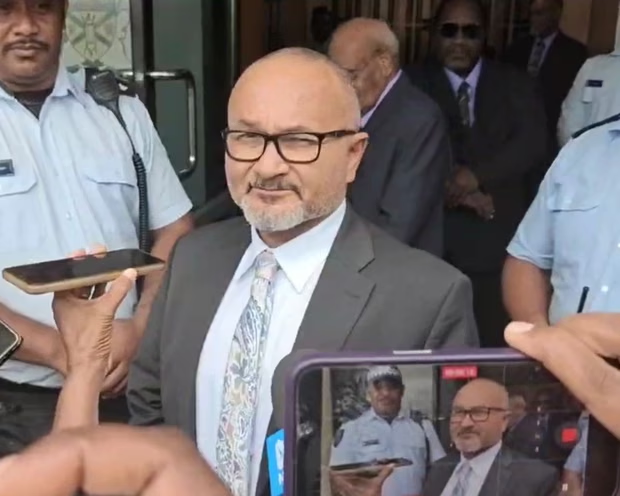
The Solomon Islands parliament has elected prominent opposition figure Matthew Wale as the new prime minister. This landmark political shift follows a dramatic no-confidence vote that recently ousted incumbent leader Jeremiah Manele. The decisive ballot concluded with Matthew Wale securing victory over his political rival Peter Shanel Agovaka. Governor General David Tiva Kapu officially announced the final voting score of twenty-six to twenty-two. This leadership change marks a defining moment for the future direction of the Pacific nation. International observers are already monitoring the political transition with immense interest and deep analytical scrutiny.
The political outcome carries significant weight for regional security and traditional global alliances in Oceania. International relations experts view this development as an important turning point for Western democratic partners. The election essentially presented lawmakers with a critical choice regarding their future foreign policy direction. Parliament had to choose between deepening ties with Beijing or rebuilding traditional Western partnerships. Matthew Wale has consistently advocated for a highly cautious strategy regarding Chinese regional influence. His ascension to power likely signals a strategic recalibration toward Australia and America. The new administration will likely distance itself from the previous comprehensive security pacts with Beijing.
The domestic population remains heavily focused on urgent economic reforms and internal political stability. Local citizens require immediate solutions for crumbling infrastructure and rising costs of basic daily necessities. However, the international community views this election through a much broader geopolitical lens indeed. The primary global concern involves how the new government manages relationships with major superpowers. Solomon Islands occupies a highly critical geographic position in the expansive South Pacific ocean network. The nation sits roughly one thousand miles directly northeast of the Australian mainland coast. This geographic proximity makes the island nation vital to the national security of Canberra.
The two democratic nations share a deeply rooted history of mutual security cooperation and aid. Additionally, the archipelago sits directly adjacent to vital undersea fiber optic digital communication cables. These critical cables carry the vast majority of international internet data across the globe. Securing this digital infrastructure remains a paramount priority for Western intelligence and defense networks. The controversial security pact signed with China in twenty-two previously sparked immense global alarm. That specific agreement caused substantial anxiety among Pacific neighbors and Washington security officials alike. Matthew Wale was a fierce contemporary critic of that secretive and sudden security arrangement.
He loudly argued that the Chinese deal would severely compromise existing regional security dynamics. He also claimed the pact could easily jeopardize long-standing relationships with traditional democratic partners. In twenty-three, he forcefully criticized former leader Manasseh Sogavare for praise directed toward Beijing. Sogavare had enthusiastically declared he was back home upon arriving in the Chinese capital. However, Matthew Wale altered his public rhetoric noticeably during an official visit last year. Leading a political delegation to Beijing, he warmly praised the impressive economic development of China. A Chinese Communist Party readout stated that his party supported the one-China principle fully.
This diplomatic shift suggests his future foreign policy approach might be pragmatic rather than aggressive. Matthew Wale has served diligently as the official opposition leader since late twenty-nineteen. This was the exact period when the nation formally switched diplomatic recognition from Taiwan. Throughout his career, he has campaigned tirelessly for greater overall transparency in governance. He frequently demands clear openness regarding foreign logging contracts and extensive mining operations locally. The new prime minister possesses a professional background as a highly qualified corporate accountant. He hails originally from Malaita, which is the most populous province in the country.
The local government of Malaita famously boycotted all Chinese corporate investments until twenty-three. This background gives the new leader a unique perspective on managing foreign commercial interests. Following his historic victory on Friday, Matthew Wale addressed the nation with sober realism. He acknowledged that he was assuming national leadership during a remarkably tumultuous global period. He openly noted that the Solomon Islands cannot escape the far-reaching impacts of geopolitics. Academic experts have characterized his sudden election as a truly seismic political shift locally. They anticipate that his administration will adopt a much more moderate stance on Beijing.
His governance model will likely prioritize immediate national interests over grand international power struggles. Observers expect a renewed focus on domestic education, community policing, and essential public health. This domestic focus could provide a welcome relief for citizens seeking stable governance daily. Meanwhile, Australian Prime Minister Anthony Albanese quickly offered his warm congratulations on social media. The Australian leader expressed immense enthusiasm for working closely alongside the newly elected prime minister. He emphasized a strong desire to continue strengthening vital economic, development, and security partnerships. This prompt diplomatic outreach underscores the high stakes attached to leadership in Honiara.
The coming months will reveal how Matthew Wale balances domestic needs with global pressures. Moving away from Beijing entirely seems highly unlikely given current economic realities in the Pacific. However, a rebalancing toward traditional democratic allies appears almost certain under his calculated leadership. The international community will undoubtedly watch every policy decision with absolute and undivided attention. For now, the people of Solomon Islands await the first steps of their leader. His decisions will shape the destiny of this strategically vital Pacific nation for years. The transition of power signals a fresh chapter in the complex history of Oceania.
Related News:
 BBC to Apologise Over Edited Trump Speech Amid Backlash
 Britain deploys RAF specialists to assist Belgium with drone threats
 Palace May Restore Hyphen to Andrew Mountbatten-Windsor’s Name
 Greene Pushes Epstein Files Amid Trump Fallout
 December Run-Off in Chile as Election Produces No Winner
 Zelenskyy Signs Fighter Jet Deal Amid Russian Drone Attacks
 Canada Passes Carney’s First Budget in Tight Parliamentary Vote
 Shadow Fleet at Sea: Europe’s Battle Against Illicit Oil Shipping
 Tiny Curacao Makes History as Smallest Nation to Reach World Cup
 Deadly Russian Strikes Hit Western Ukraine, 20 Killed in Ternopil
 Ukraine Peace Plan: Zelensky Ready for Dialogue
 Royal Navy Shadows Russian Warships Entering the Channel
 US Suspends Afghan Immigration After White House Shooting
 Georgians Defy Government Crackdown After Year of Protests
 Tokyo court rules Japan’s same-sex marriage ban constitutional
 ‘Extinct’ Antelope Returns to Sahara, Bringing Hope
 American Mother Extradited From UK to U.S. on Murder Charges
 Facebook Slow to Remove Bondi Attack Praise, Anti-Hate Group Claims
 Albanese Opens Door to Bondi Royal Commission Amid Rising Pressure
 Iran Protesters Defy Crackdown as Violent Clashes Intensify
 US Clears Nvidia AI Chip Sales to China in Policy Shift
 Gulf states warn Trump Iran strikes risk wider Middle East war
 EU weighs response amid Greenland tariff crisis with Trump
 Sydney Shark Attack Surge Shocks Australia Beaches
 EU Says US Ties Have Suffered ‘Big Blow’ After Greenland Crisis
 Videos reveal earlier clash before Alex Pretti shooting
 UK New Car Discounts Near £6,000 as Prices Are Slashed
 Israel Moves to Bar MSF From Gaza Operations
 Tragic Ski Lift Accident Claims Australian Snowboarder
 Portugal Election Delivers Socialist Win as Far Right Surges
 Australian Families Leave Syrian Camp for Home
 SA Police Intensify Search in Gus Lamont Case
 Trump Attacks UK-California Energy Pact
 Andrew Arrest Sparks Republic Debate in Australia
 Farage Chagos Islands Row Sparks Fury
 Hilary Knight speaks out on Trump’s recent hockey remarks
 Has Europe truly learned from the failures of 2022?
 Trump Faces Questions Over Iran Conflict Plan
 Iran Civilian Deaths Surge Past 200 Amid Fear
 Herzog Asio meeting sparks security storm
 Trump rebukes Starmer over Iran strikes
 Iran-Iraq border airstrikes spark new tensions
 Petrol Prices Soar as Retailers Accused of Gouging Amid Global Tension
 Penny Wong silent on Australian crew in sub strike
 Australians on US Submarine in Iranian Warship Strike
 Oil Prices Surge Above $100 Amid Iran War
 India T20 World Cup Triumph Seals Historic Title Defence
 Trump Pressures Congress Over Save America Act
 Iranian Football Squad Asylum Drama Shocks Australia
 Goma Drone Attack Kills Three as Conflict Escalates
 Queensland Protest Laws Spark Free Speech Backlash
 Yvette Cooper: UK Must Follow Principles, Not US Pressure
 Iranian Captain Departs Australia Amid Asylum Tension
 Trump Nato threats expose Iran strategy vacuum
 Philippines energy emergency sparks coal power surge
 Australia Imposes Sudden Travel Ban on Iranian Visitors
 Trump Facing Backlash from Epstein Survivors Over Files
 Russia: The Unforeseen Winner of the Iran Conflict
 Report Says Pezzullo Acted ‘Recklessly’ in Dealings
 US Airman Rescued in Daring Mission After F-15 Shot Down in Iran
 Trump’s Middle East Misstep: The Bitter Cost of Hubris
 California fireworks blast: murder charges filed in case
 US and Iran Pursue Extension of Ceasefire via Pakistan
 Tragedy Strikes Outside Melbourne Comic Con
 “I was fighting two wars”: Ukraine soldiers’ addiction crisis
 Ukraine Urges UK to Seize Russian Oil Tankers
 Capitalism ‘Suicidal’, Warns Petro at Climate Summit
 Cartel crackdown raises fears of fresh violence
 Ukraine strikes Tuapse as oil disaster worsens
 US to Escort Trapped Ships Through the Strait of Hormuz
 Premier League drama defines crucial weekend
 Trump Threatens UN Budget Cuts as US Pushes ‘Trade Over Aid’ Agenda
 US Court Restores Abortion Pill Access Temporarily
 Miami Upgrades Shake Up F1 Title Fight
 US Awaits Iran Reply on New Ceasefire Proposal
 Crisis in the Canary Islands as Cruise Ship Evacuated
 US and Mexico Face Heatwave as Floods Batter South Africa
 Putin Signals War End as Russian Momentum Stalls
 Australia Welcomes the Iconic Michelin Guide
 Philippine Senator Flees After Days Under Senate Siege