Published: 08 June 2026. The English Chronicle Desk. The English Chronicle Online.
A remarkable marine phenomenon is currently unfolding right across the beautiful coastline of Great Britain. Record numbers of highly intelligent octopuses are now transforming our underwater world at pace. This unprecedented surge was first recorded along the sunny south coast of England last year. Fascinating new scientific data confirms these creatures have now spread much further northwards. Recent sightings show large numbers thriving across both Welsh waters and remote Scottish shores.
This dramatic population explosion is fundamentally altering the delicate balance of our marine ecosystem. Local fishing communities are also experiencing massive changes to their traditional daily catches today. Researchers from respected institutions have been carefully monitoring this astonishing wildlife development for months. Their extensive study combines advanced underwater tracking with vital reports from passionate ocean enthusiasts. Recreational divers and local snorkellers have provided crucial information about these fascinating creatures recently.
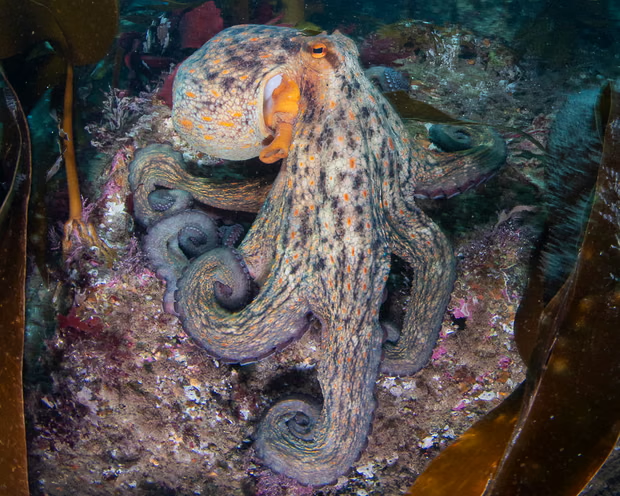
The primary species driving this major environmental shift is the famous common Mediterranean octopus. While technically native to the United Kingdom, they are usually exceptionally rare to spot. Historical records indicate that British beachgoers almost never encountered them in past decades. A sudden and dramatic spike in their population is known scientifically as a bloom. These natural events typically require a very specific combination of ideal weather conditions.
A remarkably mild winter followed by an unseasonably warm spring created the perfect storm. These gentle conditions allowed millions of delicate eggs to hatch and survive successfully. Marine experts strongly believe this current population explosion is directly linked to climate change. Rising ocean temperatures are creating a brand new environment for these clever creatures. Our changing waters are now perfectly suited to support massive numbers of active invertebrates.
The sudden arrival of these fascinating animals has captured the public imagination completely. Hundreds of citizen scientists are actively helping researchers map the growing octopus population daily. This massive volunteer effort provides invaluable support to busy marine research teams every week. People are eagerly sharing their incredible underwater photographs on various popular social media platforms. This collective enthusiasm helps scientists track the rapid northern migration of the species easily.
However, this massive ecological shift brings a highly complex mixture of economic news. Traditional shellfishermen are currently facing some of the toughest challenges of their careers. Octopuses are incredibly effective and resourceful predators that hunt with remarkable intelligence. They easily climb directly into submerged fishing pots to feast on valuable catches. Local crabs and premium lobsters are being consumed in immense quantities every single night.
As a direct result, many traditional fishing families are suffering severe financial losses now. Some struggling individuals have even been forced to sell their expensive boats recently. The devastating impact on local crab populations has completely devastated their historical livelihoods. Conversely, other adaptable fishermen are currently celebrating an unexpected and highly lucrative bounty. These clever operators have quickly shifted their primary focus toward catching the octopuses.
The total volume of octopus landings increased by an astonishing percentage last year. Recent market data from Devon reveals truly staggering numbers being traded by merchants. A single bustling market recently managed to sell a record one hundred tonnes. This massive commercial transaction occurred during just one remarkably busy trading day last week. The extraordinary financial windfall is helping some coastal communities thrive in difficult times.
Meanwhile, the wider marine ecosystem is experiencing a profound and lasting structural shake-up. The sheer abundance of these predators is rapidly shifting the local food chain. Beyond hunting shellfish, the octopuses themselves have become an abundant source of nutrition. Large grey seals are frequently seen enjoying these soft invertebrates for their dinner. Fierce conger eels are also benefiting greatly from this sudden influx of easy prey.
Even rare Risso’s dolphins are being spotted hunting these creatures near our shores. This dramatic ecological chain reaction is fascinating scientists who study British marine life closely. The long-term consequences of this massive wildlife disruption remain largely unknown to experts. Some researchers worry that native species might struggle to compete for limited resources. Others believe the ecosystem will naturally adapt to its brand new tentacled residents.
The sheer speed of this geographic expansion has surprised even the most experienced researchers. It serves as a vivid visual reminder of how quickly our oceans are changing. Coastal communities must now learn to adapt to this vibrant new reality very quickly. Government bodies are currently reviewing local fishing regulations to manage this unexpected species shift. Sustainable management will be absolutely crucial to balance economic needs with environmental protection.
For now, the great British octopus boom shows absolutely no signs of slowing down. Swimmers and divers should keep their eyes wide open for these magnificent creatures. They represent both a beautiful natural wonder and a significant modern environmental challenge. Our warming seas will undoubtedly continue to bring more fascinating surprises in the future. The transformation of our beautiful coastline is truly a sight to behold today.
Related News:
 Reeves Faces Setback as Labour May Miss Homes Target
 Kate Winslet to Narrate Film Highlighting King’s Environmental Mission
 Trump’s UK Ambassador Urges North Sea Drilling to Strengthen US Ties
 UK Bans Fake Numbers: Scammers Lose Their Trick
 M&S Profits More Than Halve After Cyber-Attack
 Patients to Test Health at Home to Ease NHS Winter Pressure
 Millionaires group urge Reeves to introduce wealth tax to ‘lift kids out of poverty’
 Reeves rejects £1bn plea for NHS redundancy payouts
 Northern Lights may illuminate UK skies this week
 PM Condemns Leaks, Vows Loyalty to Ministers and Stability
 Major Rent Reform Ends No-Fault Evictions in England
 Stroke Patient Mistaken for Drunk, Care Delayed
 Inside the Helpline Protecting Missing Children in the UK
 Boots Showstopper Beauty Bundle Outshines Many Advent Calendars This Holiday Season
 PlayStation PS5 Deals Hit Lowest Prices Ahead of Black Friday
 Five-Year-Old Dies After Rare Tonsil Surgery Complication
 Starmer Says Labour’s Economic Plan Needs Years to Deliver
 UK unemployment rises to four-year high of 5.1% before budget
 Wiltshire Police Use Lasso to Catch Rampaging Village Goat
 Coasting Drinks: The Trend Redefining Alcohol Enjoyment This New Year
 Rising Hate Crimes Threaten Safety on UK Public Transport
 Starmer Faces Parliamentary Battles Over UK-EU ‘Reset’ Plan
 Met Police Vetting Failures Let Serial Rapists Remain
 Fatal Bolton Taxi Crash Claims Three Teens and Driver
 ScottishPower Tops List of Worst UK Energy Suppliers
 Judi Dench Champions Fight to Save London’s Green Spaces
 Crowborough Camp Welcomes First Asylum Seekers
 BBC Funding Crisis: Tim Davie Warns of Jeopardy Ahead
 Artificial intelligence will cost jobs, admits Liz Kendall
 Older Women Vanish from BBC Screens, Review Confirms Bias
 Streeting moves on doctor pay to end strike dispute
 Send spending gap leaves deprived areas behind
 Hidden Crisis: Domestic Abuse Suicide Toll in UK
 UK Unemployment Rate Climbs to 5.2% Peak
 BBC World Cup Presenting Duties Shared Among Trio
 Wales Approves Assisted Dying Bill Consent
 CPS Updates Guidance on Honour-Based and Dowry Abuse
 Asylum Seekers to Work After Year-Long Wait
 Inquiry into HMRC child benefit errors launched by NAO
 Farage Faces Backlash Over Crypto Cameo Endorsements
 Rising Costs Force Families to Rethink Days Out
 Sarah Mullally: The Solid Choice for Canterbury
 Scott Mills Sacked by BBC Over Personal Conduct Claims
 Palantir Boss Defends NHS Deal Amid Government Break Clause
 Police Chiefs Under Fire for Failing to Address Racism
 Relationship with Trump may be beyond repair, Starmer warned
 Unions Raise Concerns Over Doctors’ Pay Dispute
 UK Government Poised to Revive Stalled Hillsborough Law
 UK Staycations Rise as Travel Fears Grow
 Home Office Faces Legal Risks Over Asylum Hotel Living
 Official Admits Debate Over Mandelson Vetting Records
 Crisis in NHS Surgery Scheduling Hits Patients Hard
 Welsh Labour Faces Potential Historic Election Defeat
 Blue Badge Abuse: The Rising Tide of Public Hostility
 UK Faces Future Where Deaths Outnumber Births Yearly
 Scott Parker Leaves Burnley After Premier League Drop
 Silent Tracks: Rail Line Without Passengers
 RFU Backs Borthwick Despite England’s Poor Six Nations
 Major test for Labour as polls open in Great Britain
 Keir Starmer Struggles to Secure His Grip on Downing Street
 Fear and Betrayal: The Chilling Case of Kouri Richins
 Farage Faces Standards Probe Over Cash Property Purchase
 Closing the Gap: UK Pensions Commission Demands Action
 Sun and Jams: Britain Braces for a Sizzling Bank Holiday
Russian Electronic Attack Targets UK Defence Chief Jet
Sun and Jams: Britain Braces for a Sizzling Bank Holiday
Russian Electronic Attack Targets UK Defence Chief Jet
 UK Shoppers Face Prolonged Price Rises At Tills
 Tube Strike Brings Capital to a Standstill Over Shift Disputes
 Labour Denies Benefit Tax Hike Amid Mandelson Leak
 Makerfield Voters Demand Real Change as Election Looms
 US Condemns ‘Two-Tier’ UK Policing After Student Murder
 Deepfake Abuse on X Sparks Safety Concerns for Dissidents
 Stolen Mobiles Could Soon Become Useless Bricks
 Clean Air Initiatives Spark Major Fall in London Hospital Admissions
 United Kingdom Politics Worse Now Than Before Brexit, Warns MP
 Russian Tanker Captain Remanded in UK Court After Channel Seizure
 UK Care Crisis: Row Explodes Over New Visa Settlement Rules
 Sainsbury’s Boss Optimistic As Grocery Inflation Eases
 US Airman Avoids British Court in Indecent Exposure Case
 Ann Widdecombe, Formidable Political Figure, Dies at 78
 UK Schools Struggle as Classrooms Top 40C