Published: 9 June 2026
The English Chronicle Desk
The English Chronicle Online
Police have warned that organised drug gangs are “cuckooing” hundreds of properties every week across the UK, exploiting vulnerable people by taking control of their homes for criminal operations.
The practice, commonly linked to county lines drug networks, involves gangs targeting individuals who may be elderly, isolated, struggling with addiction or living with mental health difficulties.

Victims are often manipulated, threatened or intimidated into allowing criminals to use their homes for drug dealing, weapons storage or other illegal activity.
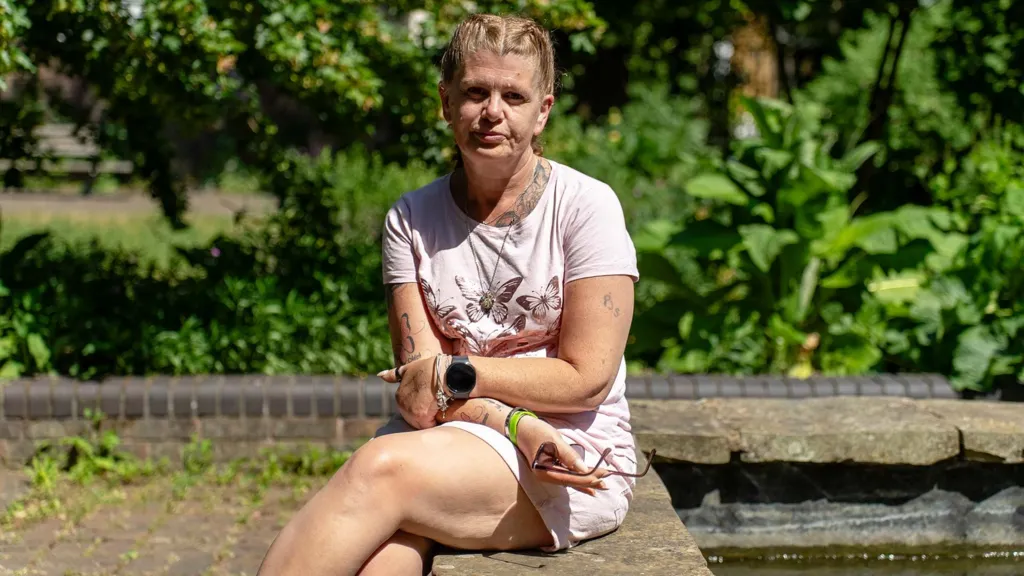
One victim described the experience by saying they felt like “a prisoner in my own home” after gang members gradually took control of the property and restricted their movements.
Law enforcement agencies say cuckooing has become an increasingly widespread tactic because it allows gangs to operate from residential locations that attract less immediate suspicion from authorities.
Police forces across England and Wales are reporting growing numbers of cases linked to organised drug trafficking groups expanding operations into smaller towns and vulnerable communities.
Officers say victims frequently fear reporting abuse due to threats, dependency or concerns about losing housing support.
Safeguarding specialists warn that cuckooing often goes undetected for long periods because neighbours and local services may not recognise the warning signs.
Authorities are encouraging housing providers, social workers and healthcare professionals to identify suspicious patterns such as increased visitors, anti-social behaviour or sudden changes in vulnerable residents’ routines.
Campaigners argue that stronger social support systems and addiction services are needed alongside policing measures to reduce exploitation risks.
The government has pledged continued action against county lines networks, including expanded intelligence operations and greater cooperation between police forces and local councils.

Criminologists say the issue reflects the increasingly organised and coercive methods used by modern drug trafficking groups.
Police have urged the public to report suspected cases, stressing that early intervention can help protect vulnerable individuals from prolonged abuse and intimidation.
Check Out Our Latest News At>>
Related News:
 Targeted Attack in Bury Sparks Murder Investigation as Community Awaits Justice
 Man Remanded After Children Fall Ill at Leicestershire Summer Camp in Shocking Child Cruelty Case
 Mass Arrests in London as Protest Defies Ban on Palestine Action
 Alarming rise in abusive teen relationships in the UK sparks urgent warnings
 Merseyside Police Helicopter Crew Cleared After Low-Altitude Pursuit of Suspect
 Urgent Action Needed on Windrush Compensation as Survivors Speak of “Waiting to Die”
 UK Launches Major Crackdown on Networks Profiting from Online Child Sexual Abuse
 Prime Suspect in Madeleine McCann Case Declines Metropolitan Police Interview Ahead of German Prison Release
 Systemic Racism in Maternity Care Continues to Endanger Black Women in England, MPs Warn
 UK Doctors Guilty of Sexual Misconduct Continue Practising Amid Weak Sanctions, Research Finds
 Northern Ireland Faces Fears of Prolonged Race Riot “Permacrisis”
 Zarah Sultana Seeks Legal Action After Bitter Clash with Jeremy Corbyn Over Party Membership Funds
 No Evidence Found to Substantiate Alleged Rape in Oxfordshire Churchyard, Police Confirm
 Massive London Poundland Fire Engulfs High Street
 Paedophile Singer Ian Watkins Dies After Prison Attack
 Ian Watkins Killed in Prison; Ex-Girlfriend Speaks Out
 DNA Test Confirms Alleged Stalker Is Not Madeleine McCann
 Peterborough Mosques Tighten Security After Attack
 Mass Stabbing on Doncaster to London Train Leaves Ten Injured
 French Taxi Driver Cleared in David Lammy Theft Case After Fare Dispute
 UK Bans Fake Numbers: Scammers Lose Their Trick
 Just Stop Oil Protesters Convicted Amid Climate Defence Row
 How to get help when a child goes missing – call 999 urgently
 Criminal Gangs Pose as Truckers to Hijack UK Supply Chains
 Mother Watches in Horror as Teen Daughter Dies on Tracks
 Serial Rapist and Former Cop Found Guilty Again
 Inside the Helpline Protecting Missing Children in the UK
 Most Tories Expect to Support a Farage-Led Government
 Online Child Sexual Abuse Soars 26% as Police Demand Tech Action
 Strangulation Charges Surge in England and Wales Amid Domestic Abuse Concerns
 Family Tribute After Fatal Pub Assault in Leicestershire
 New Documentary Examines Teen’s Zombie Knife Murder
 Woman Jailed for Life After Killing E-Bike Rider in Tragic Mistaken Identity Case
 Police response times face strict new national limits
 Teen Girl Chased in Broad Daylight in Ipswich
 ‘Daejaun Was Drawn Deeper Into Danger,’ Says Heartbroken Mother
 Disability and LGBT Hate Crimes Set to Become Aggravated Offences
 Last‑ditch Call to Save Police Front Counters in London
 Fly-Tippers to Be Hunted by ‘Drone Squad’ in Crackdown from the Sky
 Dad Found in Bed with Daughter 16 Years After Abandoning Her as a Child
 ‘Don’t Make Us Security Guards,’ Says Teacher Stabbed by Pupil
 Mother of Nottingham Attacks Victim Calls for ‘Whole Truth’ as Inquiry Begins
 Bodies of Man and Boy Found in Burnt‑Out Car After Horror Crash in the Highlands
 Court Error Frees Rape Suspect Who Flees UK
 Rape Accused Had Fight With Man in Alley, Court Told
 Ian Huntley Seriously Injured in Prison Attack
 Grave of Murdered Toddler James Bulger Vandalised
 Mother Says ‘I Hugged My Daughter’s Killer’ as They Cried Together in Prison
 Suspects in Lisa Dorrian Case Released on Bail
 Driver Jailed Over Fatal Water Treatment Tank Crash
 Insulin Evidence in Letby Trial Under Scrutiny After Expert’s GMC Probe Emerges
 Stranger ‘On Drugs’ Stabbed Saudi Student to Death in Cambridge
 Calls Grow to Remove Billboard Following Lyra McKee Graffiti
 Man on Trial for Rape That Led to Andrew Malkinson’s Wrongful Jailing
 Labour MP’s Partner Arrested on Suspicion of Spying for China
 Police Scotland Pays £8m Compensation to Staff
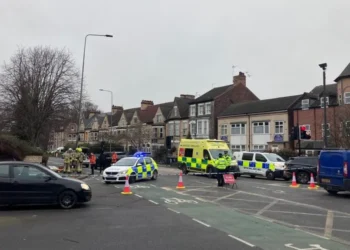 Armed police incident closes major road
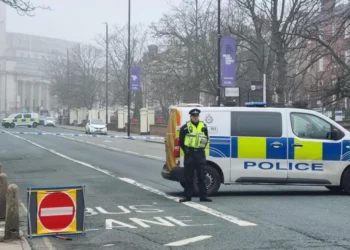 Pedestrian critically hurt after being hit by car
 Katie Price’s Husband Hit by ‘Tinder Swindler’ Claims
 Scots Man Convicted in Dirty Money Case After DNA Found on Cash
 CCTV Shows Limping Man Missing Nine Days as Police Appeal
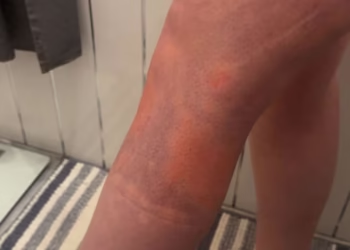 Teen Wins Payout After TRNSMT Crush Horror
 Biker Suffers Fractured Spine After Hitting Pothole in Edinburgh
 Liverpool Shooting Horror as Girl, 17, Shot in Legs in ‘Targeted Attack’
 Families Tortured by Authorities During Investigations Inquiry Told
 Two Men Bailed Following Arson Attack on Jewish Charity Ambulances
 Watchdog Probes Police Handling of Andrew Tate Abuse Claims
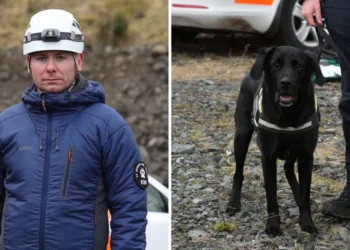 Four Teens Charged After Assault on Rescue Volunteer and Dog
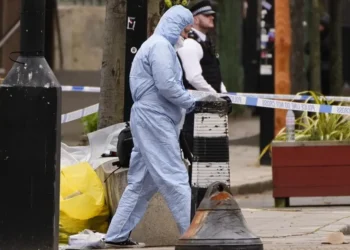 Police Hunt Bike-Riding Gunman After Man Shot Dead Near Euston
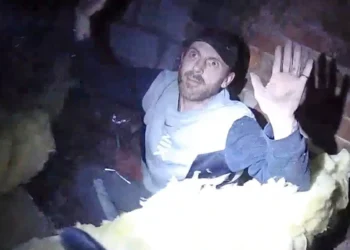 ‘The Insulation Trap’: Knifeman Discovered Hiding Under Loft Padding After Six-Hour Standoff
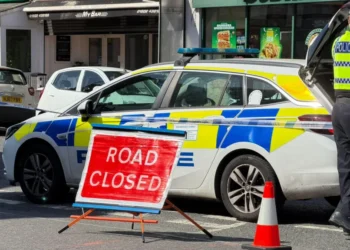 Heartbreak in Bournemouth: The Tragic Death of James Blanch
 Rebranded or Reclaimed? Seized Tate Assets to Fund Domestic Abuse Support
 Misconduct Inquiry Launched Over Fatal Schoolgirl Crash Response
 Roadside Reckoning: Nearly 160,000 Uninsured Vehicles Seized in National Crackdown
 A Crime of Pure Hatred’: Court Hears Harrowing Details of Racially Aggravated Rape in Bristol
 ‘A Sacred Space Shattered’: Two Found Guilty in London Church Drive-By Murder Trial
 “Significant” Fire at Pink Punters: 51-Year-Old Man Arrested Following LGBT+ Club Blaze
 Golders Green Stabbing: Community Security in Focus
 A “Breaking Point” for Britain: Terror Adviser Warns Antisemitism is Now a National Security Emergency
 “The Blue Light Intersection”: Seventeen-Year-Old Critically Injured in ‘Nasty’ Police Pursuit Crash