Published: 28 August 2025 | The English Chronicle Desk
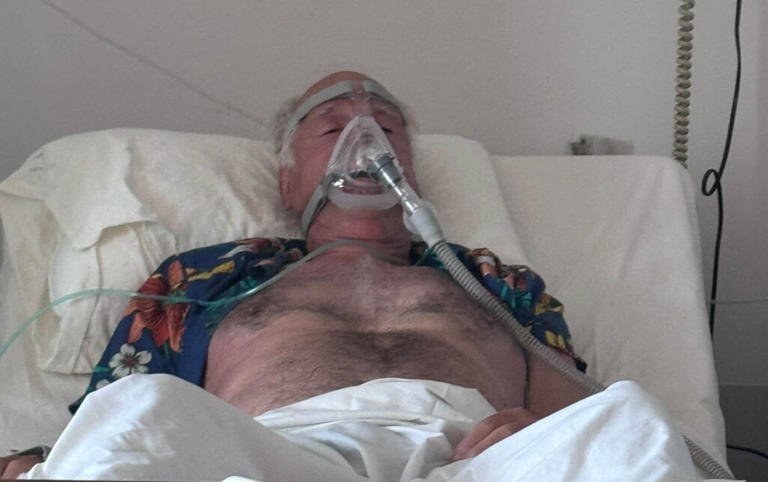
A British holidaymaker has died in Athens after suffering a sudden and unexplained illness that left his family facing both grief and a financial nightmare. Alan Kirby, 67, was on a summer break in Greece when he began experiencing a sharp pain in his side during dinnertime, a discomfort he initially dismissed as muscle strain from playing in the sea with his stepdaughter’s children in Zante. Within weeks, however, his condition had deteriorated so severely that he required a ventilator, septic shock set in, and he was ultimately unable to make it back home to Britain alive.

His family confirmed that Mr. Kirby died in Athens on Monday, bringing to an end an eight-week ordeal that had seen them urgently trying to raise funds for his medical evacuation and struggling with the fallout of a disputed health insurance claim. In a statement posted on a fundraising page, his stepdaughter Liza Whitemore, 40, expressed her heartbreak and gratitude to those who had tried to help. “We would like to thank all your support and donations over the last eight weeks. It comes with great sadness that Alan gained his wings in the night in Athens. We will be heading out to Athens to have a cremation,” she wrote.
The tragedy began after Mr. Kirby woke up struggling to breathe following his initial pain. Doctors who examined him in Greece identified a mass in his lung and advised him to return to the United Kingdom for a biopsy, fearing it might be cancer. However, before any travel arrangements could be made, his condition declined rapidly, forcing him onto a ventilator in hospital. This development meant that a standard commercial flight back to Britain was impossible, and only a specialist air ambulance service—costing an estimated £45,000—could have transported him safely home.
What compounded the family’s distress was a major complication involving Mr. Kirby’s travel insurance. Greek hospital officials contacted his insurance company, who then declared that the lung mass counted as a pre-existing condition, invalidating his policy. According to his family, British doctors had previously identified the mass as fatty tissue and reassured him it was nothing to worry about, meaning Mr. Kirby had never considered it a serious medical problem worth declaring. The insurers, however, treated this omission as grounds to refuse coverage, leaving the family responsible for mounting costs.

By the time of his death, the family had already been presented with a hospital bill of £14,000 and were attempting to raise funds to cover further expenses. While he was entitled to basic treatment through his Global Health Insurance Card (GHIC), this did not extend to the specialist transfer home or to private hospital costs incurred when his condition worsened. Liza Whitemore said she believed at first that her stepfather was battling a chest infection requiring only antibiotics, not realising how swiftly his health would spiral into a fatal condition.
The case has sparked renewed warnings about the complexities of travel insurance, particularly surrounding what insurers define as a “pre-existing condition.” Many travellers remain unaware that even seemingly minor or dismissed medical findings can later be used by insurance providers to deny claims, leaving families exposed to crippling financial burdens abroad.
For Mr. Kirby’s grieving relatives, the focus now shifts to bringing closure. They plan to travel to Athens to attend his cremation and ensure that his final wishes are respected. At the same time, they have urged other holidaymakers to take extra care when arranging medical coverage, so that no other family finds itself facing the same painful combination of loss and financial despair.

Alan Kirby’s sudden death in Athens is a reminder not only of the unpredictable nature of illness but also of the high stakes facing those who fall ill abroad without secure insurance protection. His story highlights the importance of vigilance in travel preparations and the devastating consequences when safeguards fail, leaving grief-stricken families to carry a burden that extends far beyond their loss.
Related News:
 Kinnock’s Rebuke Echoes Loudly as Corbyn Allies Launch Left-Wing Breakaway: “A Gift to Farage”
 Post Office Scandal Compensation Tops £1 Billion as Victims Finally See Justice
 UK and Norway Forge Stronger Ties Through Joint Sanctions and Enhanced Defence Cooperation
 Exclusive: Leaked Documents Reveal Khan’s Controversial Road Policy Overhaul – Drivers Warn of ‘Final Nail in Coffin’
 UK Banks Granted Reprieve as BoE Delays Basel III Capital Rules Until 2028
 Trump Administration Dismisses 17 Immigration Judges, Sparking Debate Over Judicial Independence
 England Grapples with Unprecedented Bluetongue Virus Outbreak: Entire Nation Declared Infected Zone
 Justice Deferred, Not Denied: Government Orders Full Statutory Inquiry into Orgreave Clash Four Decades On
 Northern Ireland Family of Three Shot Dead in Maguiresbridge Home Incident
 West End Exposed as London’s Knife Crime Epicentre Amid Alarming Surge in Violence
 Singapore Corruption Scandal: Details Emerge on Iswaran’s Luxury Flight and Ties to Tycoon Ong Beng Seng
 Mystery Wallaby Spotted on Norfolk-Suffolk Border Sparks Police Appeal
 Manchester Airport Faces Delays After EasyJet Planes’ Wings ‘Clip’ on Runway
 Peter Andre Breaks 16-Year Silence with Scathing Statement Against Katie Price
 UK Weather: Heat Alerts Extended as Temperatures Set to Reach 30°C This Weekend
 Access to Iconic Cornish Beach Cut Off by National Trust Amid Safety Concerns
 Where Is Prince William and Kate Middleton’s New House? Inside the Historic Lodge Set to Become Their ‘Forever Home’
 Costa Blanca Holiday Horror as Food Poisoning Outbreak Hits Four-Star Hotel
 Hundreds of Swimming Pool Closures Leave Children ‘At Risk of Drowning’, Union Warns
 British Holidaymaker’s Tragic Death in Greece Confirmed as Drowning
 Gen Z Uprising in Asia: How Social Media and TikTok Fuel Anti-Corruption Movements
 Denmark Investigates Professional Drone Incursions Across Multiple Airports, No Evidence of Russian Involvement
 Aston Villa Fight Back to End Winless Run with Convincing Victory over Fulham
 Bournemouth Stun Fulham with Dramatic Comeback in Premier League Thriller
 Arsenal Showcase Depth and Flexibility as Arteta Eyes Title Challenge
 UK Affirms No Relaxation of Visa Rules for India Amid Trade Push
 Nobel Peace Prize Officials Probe Suspicious Online Bets
 Women Challenge Meta Over Targeted Ads After Miscarriage
 Vice President Vance Warns of ‘Painful’ Job Cuts as U.S. Government Shutdown Deepens
 Hope Amid Heartbreak: The Stories Behind the Freed Israeli Hostages
 Japanese Court Sentences Man to Death for 2023 Quadruple Murder in Rare Gun and Knife Attack
 Zelensky to Urge Missile Aid as Trump and Putin Plan Summit
 Gibbs-White Inspires Forest to Thrilling Win Over Porto
 Manchester United triumph as Mbeumo brace seals thrilling win
 Fabio Wardley stuns Joseph Parker to earn Usyk title shot
 Hospice Cuts Raise Alarm Across England Amid Funding Crisis
 Tragedy on Lizard Island: Cruise Passenger Dies
 Fed Cuts US Interest Rates Again Amid Labour Market Uncertainty
 Zarah Sultana Launches Party to Change Politics
 Ex-Army Sergeant Jailed for Assault on Soldier Who Later Died
 US Senate Passes Funding Bill to End Historic Shutdown
 Mary Earps’s Manchester United Return Faces Mixed Reception
 Sam Kerr Stars in Chelsea Return with Champions League Double
 Son Reveals UK Couple in Iran Resort to Hunger Strike for Help
 Pressure Mounts on Starmer to Sack Chief of Staff Over Briefing Row
 Hitler’s DNA Confirms He Truly Had Only One Testicle
 US Justice Department Files Lawsuit Against California Over Partisan Voting Maps
 Former Lion Heskey Warns of Shortage of England Strikers
 How Cultures Interpreted the Aurora Through History
 Orban Says Ukraine Has ‘No Chance’ as EU Support Continues
 Mother Watches in Horror as Teen Daughter Dies on Tracks
 Seven Countries, One Winner: Europe’s Best Christmas Market
 Israeli Strike Kills 13 Near Palestinian Camp in Lebanon
 Zelensky Meets US Envoy in Turkey to Push Ukraine Peace Talks
 Commuters warned as yellow snow and ice alert hits Northern Ireland
 Haiti Qualifies for World Cup Despite Coach Never Visiting Country
 US Judge Says Meta Did Not Hold Illegal Social Media Monopoly
 Serial Rapist and Former Cop Found Guilty Again
 Pentagon Officials in Ukraine to Discuss War End
 Ex-Harvard President Pauses Teaching Over Epstein Emails
 Vietnam Battles Deadly Floods as Rains Continue
 Scottish Families Take Legal Action Over School CO Leak
 Venezuela Threatens Nobel Winner Machado with Fugitive Status
 At Least Three Dead in Bangladesh Earthquake
 Vicki Fears Losing Motability Car
 Israel Confirms Hamas Returned Dror Or’s Body
 Millions Face Higher Taxes Under Reeves New Budget
 Peers Get Extra Time to Debate Assisted Dying Bill
 Two National Guard Soldiers Critically Injured Near White House
 Mbappe Scores 4 as Real Madrid Edge Olympiakos
 Sri Lanka Floods Leave 56 Dead, Dozens Missing
 Scotland Gains 33 New Towns – Life in Growing Communities
 Jordan Bardella: France’s Young Presidential Contender
 AI Actress Creator Says Tilly Norwood Won’t Replace Actors
 Search underway for British man overboard off Tenerife
 Pavarotti statue frozen in Italian ice rink sparks backlash
 Barcelona, Atletico set for decisive La Liga showdown
 EU plans $105bn Ukraine aid using frozen Russian assets
 Global campaign launched to free Palestinian leader Barghouti
 Kenya Signs $2.5bn Health Deal with US Amid Data Concerns