Published: 22 September ‘2025. The English Chronicle Desk. The English Chronicle Online
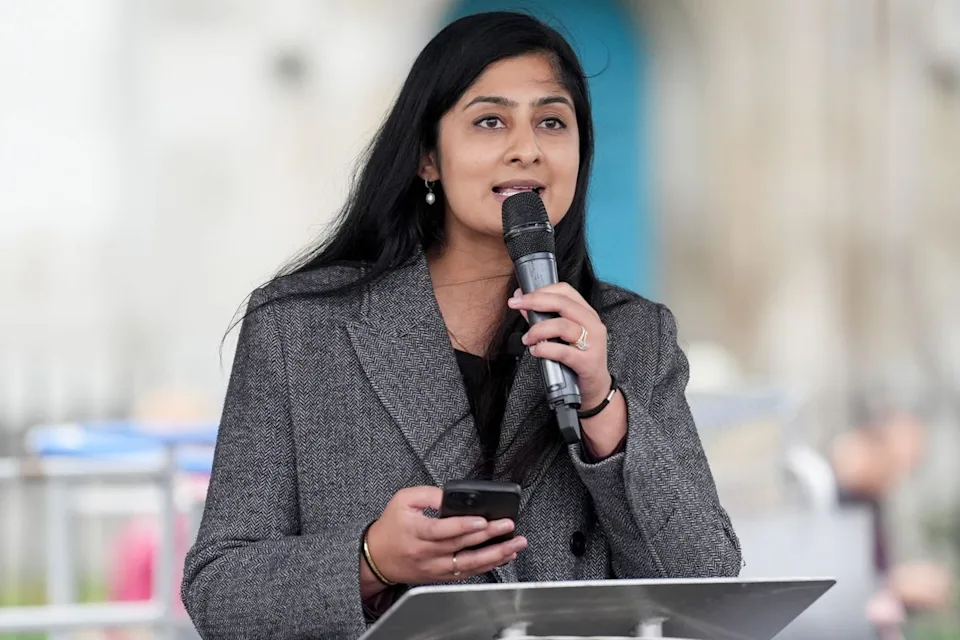
Coventry South MP Zarah Sultana has announced that she will drop legal proceedings following a public dispute with former Labour leader Jeremy Corbyn over the leadership and direction of the nascent political party they had planned to co-lead. The announcement comes after weeks of tension surrounding the party’s membership system and internal communications, which had prompted concerns among supporters about division and mismanagement.
Sultana acknowledged that the disagreement had left many members feeling “demoralised” and said she was committed to reconciliation. Speaking through a statement posted on X on Sunday, she emphasised her determination to move forward for the sake of the party and its supporters. “For the sake of the party, and as an act of good faith, I will not be pursuing legal proceedings despite the baseless and unsubstantiated allegations against me,” she wrote.

She highlighted that her motivation throughout had been to strengthen the movement collectively, prioritise members, and build a genuinely democratic socialist party. “I know many people are feeling demoralised – I share that feeling. We find ourselves in a regrettable situation, but my motivation has always been to ensure the collective strength of our movement, put members first and build the genuinely democratic conference and socialist party we so urgently need,” Sultana added. She also confirmed that she was engaged in ongoing discussions with Corbyn to resolve differences, expressing respect for the former Labour leader.
The legal threat arose after Sultana instructed specialist defamation lawyers, citing “false and defamatory statements” concerning the launch of a paid membership system for the party, Your Party, which she co-founded. The controversy intensified when Corbyn publicly disavowed a message sent to supporters encouraging them to register through the new system, labelling it an “unauthorised email.”
Sultana described feeling sidelined and excluded from key decisions by Corbyn and other independent MPs, including Ayoub Khan, Adnan Hussain, Iqbal Mohamed, and Shockat Adam. “Unfortunately I have been subjected to what can only be described as a sexist boys’ club: I have been treated appallingly and excluded completely,” she said, referencing her frustrations with the internal dynamics of the emerging party.
Corbyn had previously advised supporters not to use the purported membership portal, noting that legal advice was being sought regarding its operation. The public dispute represents the latest episode in a series of disagreements between Sultana and Corbyn over the structure, strategy, and leadership of the party, which has yet to hold its first annual conference or adopt an official name.
Despite the tensions, Sultana emphasised that the party continues to gain traction, claiming that over 750,000 supporters have signed up since its launch in July. Her departure from Labour last year, along with six other MPs who were suspended for voting to remove the two-child benefit cap, set the stage for the formation of the new political organisation. Sultana’s move reflected a broader ambition to create a platform she described as more democratic, inclusive, and responsive to members’ concerns.

The decision to call off legal action is expected to reduce public scrutiny and provide an opportunity for party leaders to focus on organisational development and policy priorities rather than internal disputes. Observers suggest that resolving these conflicts amicably will be critical for maintaining momentum and credibility among supporters, especially as the party seeks to establish itself in the UK’s political landscape.
Sultana’s announcement signals a willingness to prioritise collaboration over confrontation, aiming to bridge gaps with Corbyn and other senior figures in the movement. While the party’s future direction remains under discussion, the decision to step back from litigation may also reassure potential members and political allies that internal divisions can be managed constructively.
As the party continues to expand its membership base, the challenge for Sultana and Corbyn will be to translate enthusiasm into effective governance structures and policy platforms. Their ability to reconcile differences and present a united front could determine the party’s prospects in upcoming elections and its long-term influence within British politics.
Related News:
 MPs Warn Thousands Still Face Poverty Despite Labour’s Welfare Reform Retreat
 Peter Kyle Condemns Nigel Farage Over Reform UK’s Promise to Scrap Online Safety Act
 Green Party Faces Leadership Divide Over Direction and Strategy
 Wethersfield Controversy Deepens as Asylum Seeker Numbers Set to Surge by 50%
 Russell T Davies Warns of Declining UK Gay Rights Amid Rise of Reform UK and Trump Influence
 Norfolk Hospital Ranked Worst in England as NHS League Tables Return
 Oxford Union Condemns President-Elect’s Comments Following Charlie Kirk Shooting
 Starmer Urged to Champion Workers’ Rights Amid Low Public Awareness
 First “One In, One Out” Deportation Flight Departs Without Migrants Amid Legal Challenges
 Labour Urged to Rethink Growth Strategy as Top Economist Warns of Far-Right Surge
 Corbyn and Sultana Clash Over Membership Portal as Divisions Surface in New Leftwing Party
Zarah Sultana Seeks Legal Action After Bitter Clash with Jeremy Corbyn Over Party Membership Funds
Corbyn and Sultana Clash Over Membership Portal as Divisions Surface in New Leftwing Party
Zarah Sultana Seeks Legal Action After Bitter Clash with Jeremy Corbyn Over Party Membership Funds
 Anti-Immigration Protesters and Counter-Protesters Clash in Glasgow
 Ministers Consider Granting Mayors Oversight of Schools and Hospitals in Major Devolution Push
 Lib Dems Urged to Focus on Policy Over Stunts, Survey Shows
 “Social Housing Crisis in England: Tenant Complaints Soar Amid Dangerous Living Conditions”
 Starmer’s Communications Chief Steph Driver Resigns in Latest No 10 Departure
 Starmer Hails Digital ID Cards as an “Enormous Opportunity” Amid Privacy Concerns
 Ed Miliband Warns UK Government on X, Citing Elon Musk as a “Dangerous Influence”
 A Third of EU Citizens in UK Report Discrimination by Public Bodies Post-Brexit
 Campaigners Urged to Reframe Child Poverty Debate in Scotland Ahead of Elections
 Secret Report Exposes Home Office ‘Defeatism’ on Migration
 UK Health Leaders Push for Urgent Tobacco & Vape Bill
 Army Barracks to House Migrants as Hotels Phase Out
 Labour Urges Councils to Abandon Four-Day Work Week
 Rachel Reeves Admits Renting Home Without Required Licence
 Experts Question HMRC Over Possible Child Benefit Privacy Breach
 Nicola Sturgeon Urges SNP to Oppose New Oil Fields
 Boris Johnson accused of undermining BBC leadership
 Tim Davie resigns as BBC director general amid bias claims
 Second world war veterans honoured as King leads Remembrance Sunday
 ‘Reckless’ cuts to victims’ services will cost more than they save
 Tim Davie Defends BBC Amid Bias Scandal Storm
 Reeves rejects £1bn plea for NHS redundancy payouts
 Politics latest: Starmer ‘will fight any leadership coup’ as Streeting denies attempt to oust Labour PM
 PM Condemns Leaks, Vows Loyalty to Ministers and Stability
 Victims’ commissioner Baroness Newlove dies aged 63
 Crowborough Protest Over Plan to House 600 Asylum Seekers
 UK Asylum Overhaul Sparks Debate Over Human Rights and Deportations
 UK Asylum Reforms: Temporary Refugee Status and Faster Deportations
 UK and Ireland Meet to Discuss Next Steps on Troubles Legacy
 PM Shares Emotional Letter to Son on Men’s Struggles
 Kate Forbes: Motherhood Harder Than Politics
Reeves to Crack Down on Benefit Fraud While Lifting Two-Child Limit
Kate Forbes: Motherhood Harder Than Politics
Reeves to Crack Down on Benefit Fraud While Lifting Two-Child Limit
 Labour MP claims devolution bill is ‘blatant discrimination’ against Cornwall
 Planned Palestinian Flag Raising at Belfast City Hall Faces Delay Amid Legal Concerns
 “Enough is Enough”: Local MP Vows to Fight Rainham Quarry Plans
 UK Must Act with Courage and Clarity on Israel-Palestine Conflict, Says Foreign Affairs Committee Report
 The Ketamine Crisis in the UK is a Silent Epidemic Leaving Users with Lifelong Pain
 The Fight for Trans Safety Is a Fight for Everyone’s Safety — MPs Must Debate This Crucial Issue
 Heartbreak in the New Forest as Shetland Ponies Vanish, Community on Edge
 Radioactive Leak at UK’s Nuclear Warhead Base Sparks Outcry Over Safety and Secrecy
 Is the UK Ready to Put Boots on the Ground in Ukraine? Assessing Military Capacity and Challenges
 Police Scotland Spends £500,000 Compensating Officers Over Trump Visit
 Urgent Action Needed on Windrush Compensation as Survivors Speak of “Waiting to Die”
 Tanni Grey-Thompson Faces Abuse Over Opposition to Assisted Dying Bill
 Birmingham Bin Strike Enters Sixth Month as Negotiations Stall
 TfL Invites RMT to Resume Talks as London Tube Strikes End
 Over 40% of Private Renters Forced to Ration Energy to Afford Bills, Study Reveals
 One in Three GPs in England Do Not Work in NHS, Raising Concerns Over Access to Care
 Northern Ireland Faces Fears of Prolonged Race Riot “Permacrisis”
 Mahmood Pledges Reform of Modern Slavery Laws After Court Blocks Deportation Appeal
 Ed Miliband Urges Labour to Confront Billionaire-Backed Opposition to Net Zero Goals
 Digital ID Plans Ignite Debate Over £600m Treasury Tax Boost and Privacy Concerns
 Public Trust in SNP Hits Historic Low Amid NHS Concerns
 Johnson Suggests Mandelson Linked to China Spy Controversy
 Ministry of Justice fails to file £11bn in spending receipts
 Rachel Reeves signals welfare reform ahead of key budget
 Reform UK candidate fined £19,000 after using AI-generated cases to challenge election
 William Steps Up Over Prince Andrew Palace Response
 Hospice Cuts Raise Alarm Across England Amid Funding Crisis
 Green Party Surges Past Labour in Latest UK Poll
 Children to Learn Local History in Major Curriculum Overhaul
 Prince William Plants Trees with Brazil’s Nature Heroes
 Starmer Faces Growing Dissent as Labour MPs Weigh Leadership Challenge
 Son Reveals UK Couple in Iran Resort to Hunger Strike for Help
 ‘Traumatic Wait’: Northern Ireland Women Face Breast Cancer Delays
 Most Tories Expect to Support a Farage-Led Government
 Fibromyalgia Patients Struggle as NHS Fails to Provide Care
 Virgin Media Fined £23.8m Over Telecare Safety Failures