Published: 22 September ‘2025. The English Chronicle Desk. The English Chronicle Online
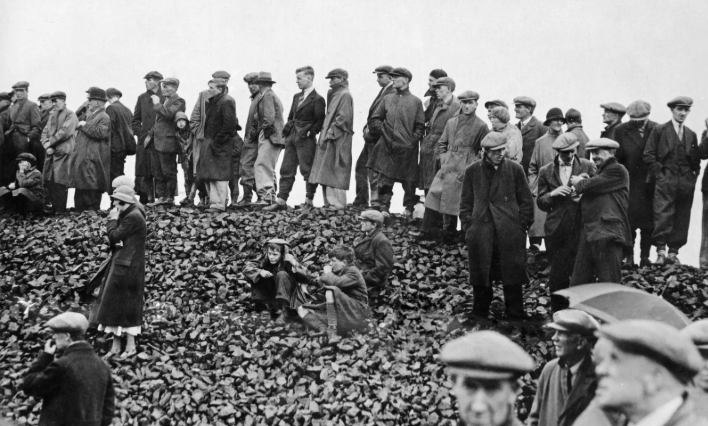
Decades-old records of the devastating 1934 colliery disaster in Wrexham are set to be displayed near the site of the tragedy, providing a poignant glimpse into the human toll of one of north Wales’ deadliest mining accidents. The documents, preserved at the National Archives in Kew, include petitions, letters, and other records that reveal the grief, anger, and desperate pleas of families seeking the recovery of loved ones trapped in the underground explosion at the Gresford pit. More than 260 people lost their lives in the catastrophe, many of whose bodies remain entombed to this day.
Among the archives are documents likely to provoke outrage, including a falsified safety logbook that exposes attempts to conceal critical failings in the weeks leading up to the explosion. The logbook, along with other correspondence, demonstrates the extent to which safety checks were manipulated, highlighting the systemic negligence that contributed to the disaster.

Alan Jones, 79, who worked in the mines during the 1960s, welcomed the temporary display. He recounted the personal connection his family had to the disaster: his grandfather, Josiah, narrowly avoided being at the pit during the explosion after swapping shifts with his cousin, Jabez, whose body remains in the mine. Jones reflected, “My grandfather never went back to work – we believe he had survivor’s guilt. What happened goes deep with everybody in Wrexham. We’ve all got a connection.”
The display will feature additional artefacts, including notebooks of mine air measurements that were falsified by William Cuffin, an assistant surveyor, in the aftermath of the disaster. Cuffin’s evidence to the police, also preserved in the archives, confirms the manipulations: “The measurements recorded … were not taken in the pit and are false.”
Sarah Castagnetti, visual collections team manager at the National Archives, explained that the impetus for bringing the documents to Wrexham arose after seeing the disaster featured in the Welcome to Wrexham documentary series. “I was stopped in my tracks when I found exercise books full of the names of people calling for the bodies of loved ones to be recovered. The voices of the people jumped out and were very moving,” she said.
Among the letters on display is one from Margaret Capper, who implored authorities to recover the body of her brother, John. She wrote, “It grieves me terrible to see my mother and father suffering terrible under this heavy burden they have to bear, and the thought of where their loved one is lying is unbearable.”

The National Archives will present the documents at Wrexham Library for a two-day display on Monday and Tuesday, before returning them to Kew. The move marks the first time the Archives has offered original records to a local community in this manner, aiming to give residents a closer connection to a tragedy that has shaped the city’s history for nearly a century.
The exhibition underscores the enduring human impact of the 1934 disaster, allowing a new generation to witness the voices of those who lived through one of Wrexham’s darkest days and ensuring their stories are not forgotten.
Related News:
 MPs Warn Thousands Still Face Poverty Despite Labour’s Welfare Reform Retreat
 Southport Stabbing Survivor Speaks Out: ‘I Thought I Was Going to Die’
 FBI and NSPCC Sound Alarm Over Alarming Surge in Child Sextortion Cases Online
 English Backpacker Pleads Guilty to Causing Death of Perth Father in Drunken E-Scooter Crash
 UK race equality campaigner warns abuse of suspected migrants is deliberate, not an ‘innocent mistake’
 Alarming rise in abusive teen relationships in the UK sparks urgent warnings
 Victim of Catfish Predator Max Hollingsbee Speaks Out: “I Will Always Be Angry He Took My Innocence”
 Shock and Anger as Child Sexual Exploitation Victims Excluded from Government’s Violence Against Women Strategy
 Dream Dog Scam: Woman Loses £500 to Fake Online Breeder’
 Liverpool Anti-Gang Initiative Strengthens Public Confidence in Police
 Akinwale Arobieke Found Dead at Liverpool Home
 New Evidence Reveals More Missed Opportunities to Prevent Southport Attack
 Scottish Parliament Poised to Scrap Controversial ‘Not Proven’ Verdict in Landmark Justice Reform
 Windrush Compensation Scheme Faces Scrutiny After Dying Woman’s Claim Neglected, Ombudsman Rules
 UK Doctors Guilty of Sexual Misconduct Continue Practising Amid Weak Sanctions, Research Finds
 Northern Ireland Faces Fears of Prolonged Race Riot “Permacrisis”
 Zarah Sultana Seeks Legal Action After Bitter Clash with Jeremy Corbyn Over Party Membership Funds
 Anti-Immigration Protesters and Counter-Protesters Clash in Glasgow
 Police Appeal for Witnesses After Woman Raped in Oxfordshire Churchyard
 Suspected Arson at East Sussex Mosque Sparks Hate Crime Investigation
 Majority of UK Men Would Opt for Prostate Cancer Screening, Survey Finds
 Kate McCann Describes Stress from Alleged Stalker Calling Her ‘Mum’
 Massive London Poundland Fire Engulfs High Street
 Ambulance Worker Fired After Flinging Amputee from Wheelchair and Offering Bribe
Madeleine McCann Detectives to Testify Against Woman Accused of Stalking the Family
Ambulance Worker Fired After Flinging Amputee from Wheelchair and Offering Bribe
Madeleine McCann Detectives to Testify Against Woman Accused of Stalking the Family
 Campaigners Call for CPS Review After Woman’s Suicide
 Violence erupts outside Dublin asylum hotel as police targeted
 Grooming Gang Inquiry Faces Delays Amid Dispute Over Jess Phillips’ Role
 Hugely Wasted Opportunity’ UK Grooming Gangs Inquiry
 Woman Fighting for Life After Girl Found Dead in Oxfordshire
 Mother dies after black market weight loss injection
 Young Woman Missed 13 Times by GPs Before Bowel Cancer Diagnosis
 Peterborough Mosques Tighten Security After Attack
 Nearly 48,000 Zombie Knives Removed from UK Streets in a Year
 Prince Andrew Stripped of Title: Giuffre Family Hails Historic Moment
 Mass Stabbing on Doncaster to London Train Leaves Ten Injured
 Metal Detectors at Stations ‘Would Make Life Impossible,’ Says Minister
 Experts Warn on Home Birth Risks, Call for Skilled Midwives
 British Grandmother to Return Home After Death Sentence in Bali
 Jailed UK climate protesters face extremist-style restrictions
 Boris Johnson accused of undermining BBC leadership
 Bar Council urges legal aid for all domestic abuse family cases
 Second world war veterans honoured as King leads Remembrance Sunday
 How to get help when a child goes missing – call 999 urgently
 ‘Reckless’ cuts to victims’ services will cost more than they save
 Judges to Decide Fate of Chief Constable Guilty of Contempt
 How age progression images help trace missing people
 Leading doctors issue warning amid ‘bad’ flu season
 Victims’ commissioner Baroness Newlove dies aged 63
 Mum Calls for New Licence Rules After Teen Road Death
 Mother Watches in Horror as Teen Daughter Dies on Tracks
 Podcaster Faces Abuse Charges Over Controlling Behaviour
 Inside the Helpline Protecting Missing Children in the UK
 DWP to Reassess Hundreds of Thousands in Carer Allowance Scandal
 Sudanese Family Vows to Stay After Racist Graffiti
 The Ketamine Crisis in the UK is a Silent Epidemic Leaving Users with Lifelong Pain
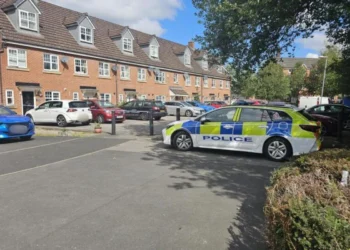 Targeted Attack in Bury Sparks Murder Investigation as Community Awaits Justice
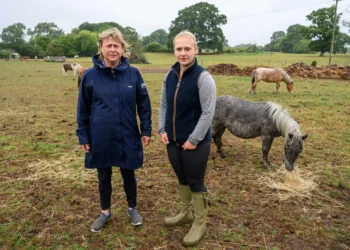 Heartbreak in the New Forest as Shetland Ponies Vanish, Community on Edge
 Merseyside Police Helicopter Crew Cleared After Low-Altitude Pursuit of Suspect
 Urgent Action Needed on Windrush Compensation as Survivors Speak of “Waiting to Die”
 Birmingham Bin Strike Enters Sixth Month as Negotiations Stall
 Over 40% of Private Renters Forced to Ration Energy to Afford Bills, Study Reveals
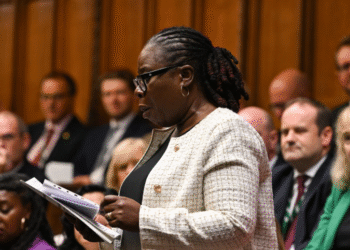 Systemic Racism in Maternity Care Continues to Endanger Black Women in England, MPs Warn
 One in Three GPs in England Do Not Work in NHS, Raising Concerns Over Access to Care
 A Third of EU Citizens in UK Report Discrimination by Public Bodies Post-Brexit
 Ian Watkins Killed in Prison; Ex-Girlfriend Speaks Out
 WW2 Pilot’s Long-Lost Crash Site Unearthed in Essex
 Hospice Cuts Raise Alarm Across England Amid Funding Crisis
 Children to Learn Local History in Major Curriculum Overhaul
 Prince William Plants Trees with Brazil’s Nature Heroes
 Just Stop Oil Protesters Convicted Amid Climate Defence Row
 Son Reveals UK Couple in Iran Resort to Hunger Strike for Help
 ‘Traumatic Wait’: Northern Ireland Women Face Breast Cancer Delays
 Serial Rapist and Former Cop Found Guilty Again
 Most Tories Expect to Support a Farage-Led Government
 Fibromyalgia Patients Struggle as NHS Fails to Provide Care
 Virgin Media Fined £23.8m Over Telecare Safety Failures
 Online Child Sexual Abuse Soars 26% as Police Demand Tech Action
 Prince George Helps Father at London Homelessness Charity
 Strangulation Charges Surge in England and Wales Amid Domestic Abuse Concerns