
Published: 24 September 2025. The English Chronicle Desk
A new study has revealed that heavy drinkers are among the most frequent buyers of alcohol-free and low-alcohol drinks, highlighting an evolving trend in the UK’s beverage market. As demand for “no/low” options has surged, researchers from the University of Sheffield found that while approximately a third of UK adults have tried these alternatives in the past year, those consuming alcohol at risky levels are more likely to do so regularly.
Household purchasing data indicates that 96 per cent of households purchasing non-alcoholic or low-alcohol drinks also buy traditional alcoholic beverages, suggesting that these alternatives are increasingly supplementing, rather than replacing, standard alcohol consumption.

The market for non-alcoholic drinks has experienced remarkable growth, with sales reaching £362 million in 2023, more than double the value recorded in 2020. Availability has expanded as well, with 74 per cent of pubs, bars, and restaurants offering no/low options. Leading alcohol brands have driven much of this growth, particularly through the sale of alcohol-free beers and sparkling wines such as “Nosecco,” which accounted for 84 per cent of sales among the top 100 products.
However, the study identified a pricing disparity that could hinder public health outcomes. While non-alcoholic wines, spirits, and ready-to-drink beverages are often cheaper than their alcoholic counterparts in shops, no/low beer and cider remain more expensive. Professor John Holmes, director of the University of Sheffield’s addictions research group, cautioned that this could limit the potential benefits for heavier drinkers in economically disadvantaged groups. “Since alcohol causes the most harm among more deprived populations, affordability barriers for no/low beer and cider are a concern,” he said.
Professor Adam Briggs, programme director for the NIHR public health research programme which funded the study, emphasized the importance of understanding these trends in shaping public health policy. “Deaths from alcohol in England are continuing to rise, and tracking how the no/low alcohol market is evolving is crucial to moving from reactive treatment to preventive strategies,” he said.

Supporting these findings, a separate study published in BMJ Public Health noted a significant increase in the use of alcohol-free and low-alcohol drinks among “risky drinkers” attempting to reduce consumption. Between 2020 and 2024, those using such beverages in serious attempts to cut down alcohol intake rose from 35 per cent to 44 per cent, while any use to reduce drinking increased from 26 per cent to 39 per cent.
The trends were particularly pronounced among individuals over 65, with women and wealthier consumers more likely to use these drinks than men or those from economically disadvantaged backgrounds. Researchers highlighted the socioeconomic disparity, noting that alcohol-related harm disproportionately affects less advantaged groups. They argued that targeted interventions will be essential to ensure that no/low alcohol options contribute to reducing health inequalities.
As the market for alcohol-free and low-alcohol drinks continues to expand, public health experts stress the need for accessible pricing and informed policies to maximise harm reduction across all segments of society.
Related News:
 The Ketamine Crisis in the UK is a Silent Epidemic Leaving Users with Lifelong Pain
 Woman Warned She Might Need Leg Amputation to Survive After Liquid Brazilian Butt Lift
 Alarming rise in abusive teen relationships in the UK sparks urgent warnings
 Breakthrough Clinical Trial Lets 12-Year-Old Boy with Rare Skin Disorder Play Football
 Over 65? Gardening Instincts Can Help You Spot Financial Fraud
 Inquest Finds Agency Worker Failings Led to Unlawful Death of Vulnerable 14-Year-Old
 Expanded Access to Health Diagnostics in England Now Available Beyond Standard Hours
 Shocking Rise in Children’s Exposure to Violent Online Pornography Raises Alarm
 Experienced Skydiver Dies by Suicide Following Relationship Breakdown
 Martha’s Rule Now Fully Implemented Across All Acute Hospitals in England
 Why E-Bikes and E-Scooters Are Making Streets a ‘Nightmare’ for Blind People
 Council Proposes Limits on Ice Cream Van Music and Parking in South Cambridgeshire
 Norfolk Hospital Ranked Worst in England as NHS League Tables Return
 Ofsted Pushes Ahead with Controversial New Inspection Regime Despite Widespread Opposition
 More Than Half of UK Births Now Involve Medical Intervention
 Hospices ‘on the Brink’ as Assisted Dying Legislation Looms
 NHS ‘Toxic Culture’ Risks Harm to Mothers and Babies, Health Leader Warns
 First Group of Children from Gaza Arrive in UK for Life-Saving NHS Treatment
 One in Three GPs in England Do Not Work in NHS, Raising Concerns Over Access to Care
 UK Doctors Guilty of Sexual Misconduct Continue Practising Amid Weak Sanctions, Research Finds
 Private Psychology Costs Surge in UK as Practitioners Turn Away Clients Amid Record Demand
NHS Urged to Revamp Prostate Cancer Treatment for Black Men Amid Rising Death Toll
Private Psychology Costs Surge in UK as Practitioners Turn Away Clients Amid Record Demand
NHS Urged to Revamp Prostate Cancer Treatment for Black Men Amid Rising Death Toll
 One Lap, 400 Miles, One Week: GP Sets Sights on Cornwall Perimeter Record Run
 Starmer Unveils Plan for NHS “Online Hospital” to Tackle Waiting Lists
 Tragic Death Strikes Half-Marathon in Stoke-on-Trent: Runner Dies Shortly After Crossing Finish Line
 Medical Cannabis Offers New Hope for British Women Struggling with Chronic Pain
 One in four UK residents fear a loved one drinks excessively as addiction concerns rise
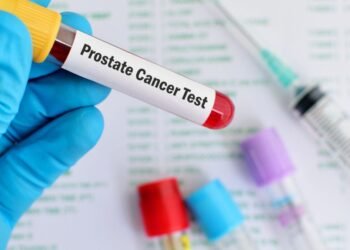 Majority of UK Men Would Opt for Prostate Cancer Screening, Survey Finds
One in Three UK Workers Call in Sick After Work Drinks as Cultural Pressures Persist, Survey Finds
Majority of UK Men Would Opt for Prostate Cancer Screening, Survey Finds
One in Three UK Workers Call in Sick After Work Drinks as Cultural Pressures Persist, Survey Finds
 NHS Facilities Staff Vote to Strike Over Pay Discrimination
 Ambulance Worker Fired After Flinging Amputee from Wheelchair and Offering Bribe
 Women Challenge Meta Over Targeted Ads After Miscarriage
 Mum’s Final Wish: Donating Her Body to Science
 UK Woman Becomes Longest Survivor of Heart-Lung Transplant
 Phillipson Warns Parents Over Poor Quality Online Advice
£18 Prostate Cancer Test Could Save Thousands of Lives
Phillipson Warns Parents Over Poor Quality Online Advice
£18 Prostate Cancer Test Could Save Thousands of Lives
 Pregnant Women in England Face Rising Risk of Severe Birth Injury
 My ADHD left me drowning in debt and unable to cope
 One in 12 Secondary Pupils Sent to Isolation Weekly
 M&S and Morrisons Lead Christmas Supermarket Taste Test
 Mother dies after black market weight loss injection
 Young Woman Missed 13 Times by GPs Before Bowel Cancer Diagnosis
 UK Health Leaders Push for Urgent Tobacco & Vape Bill
 Man Trapped in Quicksand Rescued in Dramatic Coastal Rescue
 Hospice Cuts Raise Alarm Across England Amid Funding Crisis
 Morning-After Pill Now Free Across England’s Pharmacies
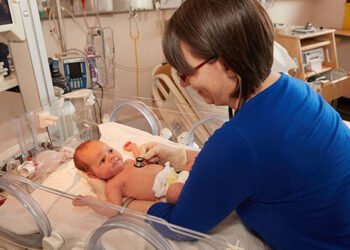 Experts Warn on Home Birth Risks, Call for Skilled Midwives
 Experts Urge Legal Right to Timely Cancer Care
 NHS Takes Over Nuffield Hospital in ‘Windfall’ for London Care
 North Sea oil workers must lose weight or face job loss
 Crisis charity to become landlord amid UK housing emergency
No link found between paracetamol in pregnancy and autism
Crisis charity to become landlord amid UK housing emergency
No link found between paracetamol in pregnancy and autism
 UK Disability Pay Gap Means Millions Work for Free From Today
 Shouting Works Best to Deter Gulls, UK Study Finds
 Reeves rejects £1bn plea for NHS redundancy payouts
 NHS trust fined after woman takes life in mental health unit
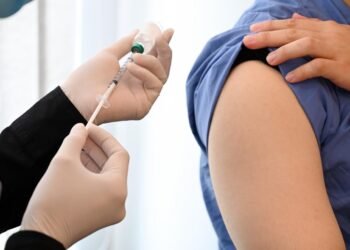 Leading doctors issue warning amid ‘bad’ flu season
 New Campaign Trains Vets to Spot Farmers’ Health Risks
 ‘Traumatic Wait’: Northern Ireland Women Face Breast Cancer Delays
 Coffins Now Too Large to Cremate Amid Rising Obesity Crisis
 David Cameron Reveals Prostate Cancer Diagnosis, Advocates Screening
 Five-Year-Old Dies After Rare Tonsil Surgery Complication
 Fibromyalgia Patients Struggle as NHS Fails to Provide Care
 “Enough is Enough”: Local MP Vows to Fight Rainham Quarry Plans
 More Patients Now Contacting GPs Online, Data Shows
 Concerns Mount Over Accuracy of At-Home Health Tests as Study Calls for Stricter Regulation
 Heartbreak in the New Forest as Shetland Ponies Vanish, Community on Edge
 Birmingham Bin Strike Enters Sixth Month as Negotiations Stall
 Over 40% of Private Renters Forced to Ration Energy to Afford Bills, Study Reveals
 Systemic Racism in Maternity Care Continues to Endanger Black Women in England, MPs Warn
 Northern Ireland Faces Fears of Prolonged Race Riot “Permacrisis”
 Scottish Teenager’s Petition on Single-Use Plastics Gains Parliamentary Support
 A Third of EU Citizens in UK Report Discrimination by Public Bodies Post-Brexit
 Children to Learn Local History in Major Curriculum Overhaul
 Prince William Plants Trees with Brazil’s Nature Heroes
 How to get help when a child goes missing – call 999 urgently
 Son Reveals UK Couple in Iran Resort to Hunger Strike for Help
 Mother Watches in Horror as Teen Daughter Dies on Tracks
 Vicki Fears Losing Motability Car
 Virgin Media Fined £23.8m Over Telecare Safety Failures